
Food slicer machine safety gaps that lead to downtime
A food slicer machine can boost output, but hidden safety gaps often cause contamination risks, operator injuries, and costly downtime. For quality control and safety managers, identifying weak points in guarding, sanitation, maintenance, and staff procedures is essential to keeping production stable, compliant, and efficient. This article highlights the most common risk areas and practical ways to reduce disruption.
Why does a food slicer machine become a downtime risk so quickly?
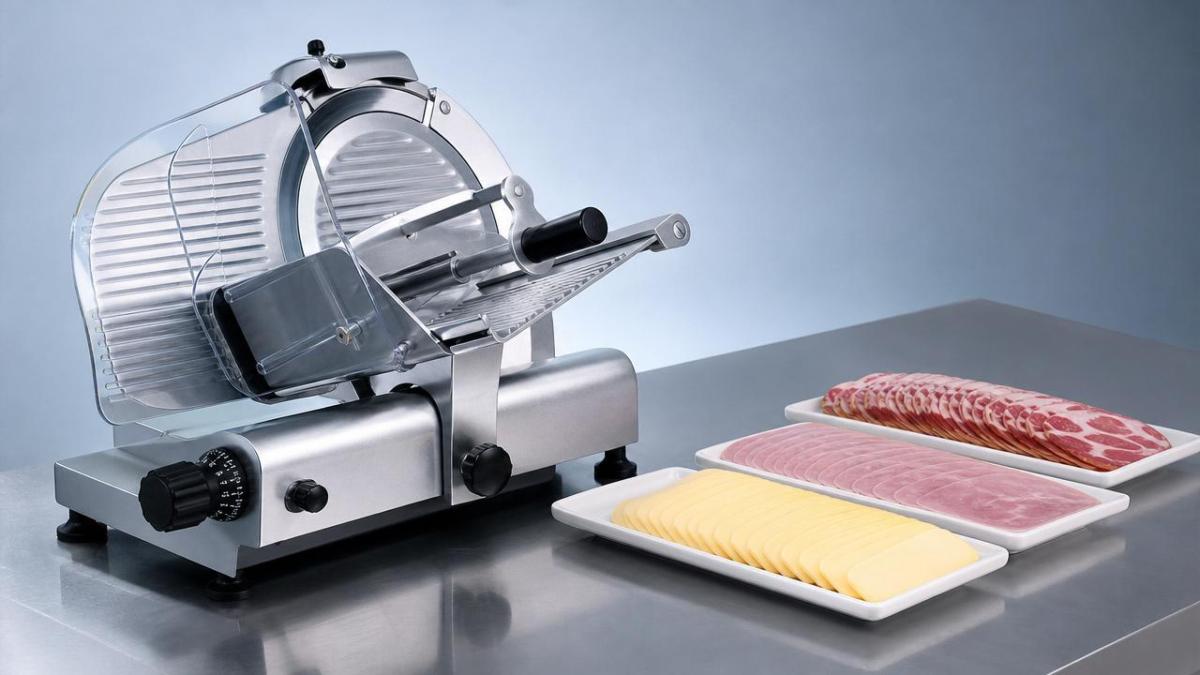
In restaurants, central kitchens, hotels, deli counters, and food processing lines, a food slicer machine often operates in a high-pressure environment. Output targets are tight, cleaning windows are short, and product changeovers happen fast. Under these conditions, small safety weaknesses can turn into major operational losses. A missing guard, worn blade hub, loose adjustment knob, or poor sanitation routine may stop the line faster than a motor failure.
For quality control personnel and safety managers, the real issue is not only accident prevention. It is process stability. A machine that allows inconsistent slice thickness, traps food debris, exposes operators to blades, or creates hard-to-clean surfaces can trigger complaints, failed inspections, rework, and staff absence. In the kitchen equipment industry, where automation, hygiene, and energy efficiency are becoming standard expectations, slicer safety should be evaluated as part of total equipment reliability.
This is especially important in global foodservice and food processing operations. As kitchen systems become more integrated and data-driven, a food slicer machine is no longer an isolated tool. It affects HACCP controls, labor planning, preventive maintenance schedules, and product quality consistency across multiple shifts and sites.
The most common hidden gaps
- Guarding does not fully cover operator contact points during loading, slicing, and cleaning.
- Sanitary design leaves crevices, threads, seams, or dead zones where proteins and fats accumulate.
- Cleaning procedures rely too heavily on individual skill rather than standard steps and verification.
- Blades, carriage parts, or drive components wear out without clear replacement criteria.
- Operators bypass safe practices to save seconds during peak production periods.
Which safety gaps in a food slicer machine cause the most disruption?
Not all hazards produce the same business impact. Some lead directly to injury, while others create a slower pattern of downtime through contamination events, repeat cleaning, inspection failures, or product inconsistency. The table below helps quality and safety teams connect machine-level gaps with operational consequences.
The pattern is clear: downtime rarely comes from one dramatic failure alone. More often, it starts with a design or procedural weakness that seems minor during installation but becomes costly under daily production pressure. A food slicer machine should therefore be reviewed through both safety and sanitation lenses, not just throughput or price.
High-risk moments in daily operation
- Shift startup, when pre-use inspection is rushed and guards may be left loose after the previous cleaning cycle.
- Mid-shift product changeover, when allergen control and blade-area cleaning are often incomplete.
- Peak demand periods, when operators may override safe feeding practices to increase speed.
- End-of-day sanitation, when fatigue increases the chance of blade contact and incomplete verification.
What should quality and safety managers inspect first?
A practical inspection framework helps teams identify whether a food slicer machine is inherently safe to operate and easy to control over time. Instead of relying on a general visual check, focus on areas that influence contamination, injury exposure, and unplanned stoppage at the same time.
Priority inspection checklist
- Verify whether blade guards, product holders, and feed mechanisms remain effective during real use, not only when the machine is idle.
- Check whether the slicer can be cleaned without hand exposure to the blade zone and without requiring improvised tools.
- Review surface finish, weld quality, and residue-prone joints to judge sanitary design performance.
- Assess repeatability of slice thickness, carriage travel, and product positioning to protect spec compliance.
- Confirm that maintenance points are accessible and that wear parts can be replaced before they damage output quality.
- Ensure instructions for use, cleaning, and lockout are clear enough for multi-shift teams and temporary workers.
This approach is particularly useful in mixed environments such as hotel kitchens, retail foodservice counters, and central kitchens, where one food slicer machine may process meat, cheese, cooked products, or vegetables in the same day. The more varied the application, the more important hygienic design and repeatable cleaning become.
How to compare food slicer machine options before purchase or replacement
When teams replace aging slicing equipment, they often compare only output speed, blade diameter, or upfront cost. That is rarely enough. For quality and safety managers, the better question is which model reduces hidden downtime over its service life. The following comparison points support a more disciplined selection decision.
A food slicer machine with stronger guard design and better cleanability may cost more initially, but it often lowers the hidden expense of re-cleaning, training repetition, incident investigation, and rejected batches. In many facilities, these indirect costs exceed the visible purchase price within a short operating period.
Questions to ask suppliers during evaluation
- How is the blade area protected during operation, cleaning, and maintenance?
- Which parts require regular replacement, and what are the expected service intervals under typical duty cycles?
- Can the equipment support allergen changeover control and documented sanitation verification?
- Are common contact surfaces tool-free or low-complexity to remove and reinstall correctly?
- What user training materials are available for operators, sanitation crews, and maintenance staff?
How do standards, hygiene, and documentation affect slicer safety?
In the kitchen equipment and food processing sector, compliance is not only about passing an audit. It is about proving that the food slicer machine can be operated, cleaned, and maintained in a controlled way. Depending on the market and application, teams may reference general machine safety principles, food contact material expectations, electrical safety requirements, and internal HACCP-based hygiene procedures.
For quality managers, documentation is often where good equipment separates itself from risky equipment. Clear exploded diagrams, cleaning instructions, preventive maintenance schedules, parts lists, and safety warnings reduce dependence on tribal knowledge. That matters in facilities with staff turnover, multilingual teams, or rapid production growth.
Documentation that supports safer use
- Pre-use inspection forms that cover guards, blade condition, fasteners, and cleanliness status.
- Sanitation SOPs that define disassembly, washing, rinse, sanitizer contact time, and post-clean verification.
- Maintenance records that track blade sharpening, alignment checks, lubrication points if applicable, and wear-part replacement.
- Incident and near-miss logs that reveal whether unsafe access or poor design is recurring.
What implementation steps reduce food slicer machine downtime after installation?
Even a well-designed food slicer machine can underperform if the launch process is weak. Many downtime problems start in the first weeks after installation, when teams are still defining cleaning methods, operator habits, and maintenance timing. A structured rollout reduces that risk and creates measurable control points from day one.
Recommended rollout process
- Run a startup risk review covering blade exposure, emergency stop access, sanitation access points, and product-specific contamination hazards.
- Validate cleaning time and cleaning effectiveness using real products, not only dry demonstration runs.
- Train operators, sanitation staff, and supervisors separately because their risk points differ.
- Set measurable triggers for service, such as blade wear signs, slice deviation limits, or unusual vibration.
- Review downtime causes after the first month and adjust SOPs before bad habits become standard practice.
Facilities that follow these steps usually gain more than safety improvement alone. They also stabilize throughput, shorten sanitation windows, and reduce friction between production, QC, and maintenance teams. In a sector moving toward smart and integrated kitchen operations, these benefits support both compliance and profitability.
FAQ: practical questions from quality control and safety managers
How often should a food slicer machine be inspected?
A basic visual and functional check should happen before each shift, especially for guards, blade condition, cleanliness, and adjustment controls. A deeper preventive maintenance review should be scheduled based on usage intensity, product type, and manufacturer guidance. High-volume sites usually need more frequent checks than low-duty retail counters.
Which applications have the highest contamination risk?
Ready-to-eat meat, cheese, and mixed-allergen operations typically create the highest concern because residue can remain in hidden contact zones and transfer to the next product. In central kitchens and food processing rooms, the risk increases further when changeovers are frequent and cleaning windows are compressed.
Is manual slicer operation always safer than automated operation?
Not necessarily. Automated or semi-automated slicing can reduce direct hand exposure if guarding, controls, and sanitation access are properly designed. Manual machines may seem simpler, but they often depend more heavily on operator discipline. The safer choice depends on actual use conditions, cleaning complexity, and training quality.
What is the most common purchasing mistake?
Many buyers focus on blade size and price while underestimating hygiene design, service accessibility, and procedural fit. A food slicer machine that is difficult to clean or hard to use safely will usually cost more over time through delays, extra labor, and avoidable incidents.
Why choose us when evaluating safer slicing solutions?
In the evolving kitchen equipment industry, quality and safety decisions need more than a catalog comparison. They require practical support across equipment selection, hygiene assessment, and operational fit. We help buyers and technical teams review a food slicer machine in the context of real use: product type, shift pattern, cleaning method, compliance expectations, and downtime tolerance.
You can contact us for parameter confirmation, product selection guidance, delivery timeline discussion, sanitation-oriented design review, certification-related questions, sample support options, and quotation comparison for different application scenarios. If you are replacing an older unit, planning a new central kitchen, or standardizing equipment across sites, we can help you compare configurations and identify where safety gaps may affect uptime before purchase.
A better food slicer machine decision is rarely about speed alone. It is about choosing equipment and procedures that protect workers, reduce contamination risk, and keep production moving with fewer interruptions. That is where an informed technical discussion creates real value.
Popular Tags
Kitchen Industry Research Team
Dedicated to analyzing emerging trends and technological shifts in the global hospitality and foodservice infrastructure sector.
Industry Insights
Join 15,000+ industry professionals. Get the latest market trends and tech news delivered weekly.
No spam. Unsubscribe anytime.
Hot Articles
 ASEAN FTA Upgrade Enters Text Verification Phase; Smart Kitchen Controls Added to Zero-Tariff List
- Electronics Manufacturing Leads with 13.6% Output Growth; Kitchen Appliance Chip Supply Stabilizes
- OpenCLAW-like Agent Deployment Risk Management Guidelines Released
- Green Power Stocks Rally; Overseas Buyers Prioritize Green Electricity Usage

Contact With us
Contact:
Anne Yin (Ceramics Dinnerware/Glassware)
Lucky Zhai(Flatware)