
Bakery Worktable features that improve dough station flow
A well-designed Bakery Worktable can do more than hold ingredients—it can streamline every step of dough preparation. For bakers and kitchen operators, the right features improve movement, reduce wasted time, and support cleaner, more consistent production. In practice, the best worktable is not the one with the most options, but the one that matches how dough is mixed, portioned, rested, shaped, and transferred during a real shift.
For operators, the core question is simple: which worktable features actually improve dough station flow, and which are just extra specifications? The answer usually comes down to surface suitability, storage access, layout efficiency, sanitation, mobility, and how well the table supports repetitive dough tasks without slowing people down. When these details are chosen correctly, the station becomes faster, easier to clean, and less physically demanding to use.
What operators really need from a Bakery Worktable
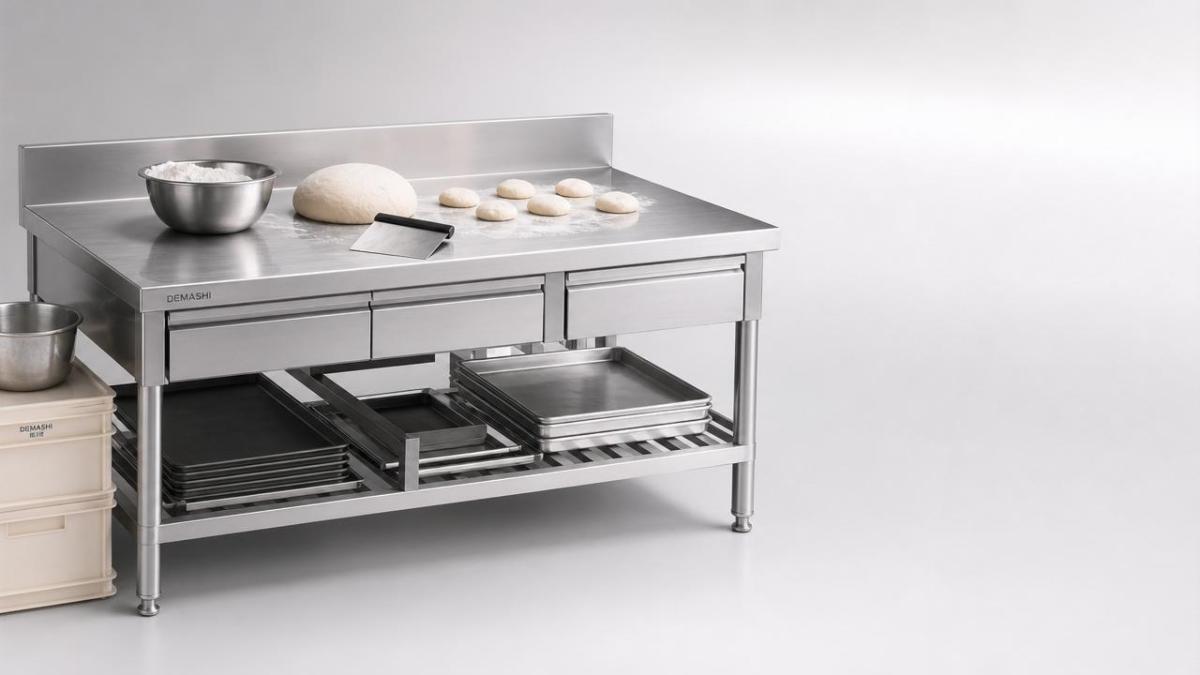
Users searching for Bakery Worktable features are usually not looking for a generic product description. They want to understand what helps them work faster with less mess and fewer unnecessary steps. In a dough station, every extra reach, turn, or pause adds up over a busy production day.
A worktable should support the natural sequence of bakery tasks. That may include scaling ingredients, kneading or folding dough, bench resting, dividing portions, shaping products, holding trays, and sending finished pieces to proofing or baking. If the table interrupts that flow, operators feel it immediately through crowding, backtracking, and clutter.
This is why practical performance matters more than appearance. Operators care about whether flour dust is easy to clean, whether trays fit below the work surface, whether ingredients stay within reach, and whether the table remains stable during heavy kneading. A good dough station is built around movement, not just dimensions.
Choose a work surface that matches real dough handling
The work surface is the first feature that affects dough station flow. Different bakery products place different demands on the table. Soft bread dough, pastry dough, pizza dough, laminated dough, and high-hydration dough do not behave the same way, so the surface should support the products you make most often.
Stainless steel remains one of the most practical choices for commercial bakery use because it is durable, food-safe, corrosion-resistant, and easy to sanitize. For operations that prioritize strict cleaning routines and frequent washdowns, stainless steel is often the best all-around material. It also works well in mixed-use kitchens where the same station may handle dough, fillings, or packaging work.
However, some bakers prefer wood tops or specialized surfaces for certain dough applications because they can offer a different feel during shaping and bench work. The right decision depends on product type, cleaning standards, humidity conditions, and local food safety requirements. For most operators, the key is to choose a surface that balances dough handling comfort with easy maintenance.
Surface thickness and rigidity also matter. If the table flexes under pressure, operators lose efficiency and precision. Kneading, pressing, or cutting dough on an unstable surface slows the process and increases fatigue. A solid, level, non-vibrating top supports smoother repetitive work and better consistency in product handling.
Size and depth should reduce movement, not create crowding
One common mistake is choosing a table based only on available floor space rather than workflow. A larger table is not always better. If it is too deep, ingredients and tools get pushed out of easy reach. If it is too narrow, dough, trays, scales, and containers compete for the same area, creating bottlenecks during peak hours.
The best Bakery Worktable size depends on the number of operators using the station, the size of dough batches, and how many steps are completed at that location. A single baker shaping buns needs a different setup than a team portioning dough for racks of bread or pastries. Measure the usable working zone, not just the table’s outside dimensions.
In many bakeries, a medium-depth table with well-planned support storage performs better than an oversized flat surface with no organization. Operators should be able to reach tools, flour, scrapers, trays, and containers without twisting repeatedly or walking away from the station. Efficient reach zones improve speed and reduce strain over long shifts.
Height is equally important. A table that is too low forces bending, while one that is too high makes pressing and shaping more tiring. Since dough work often involves repetitive force, the correct working height can have a direct effect on comfort, pace, and accuracy. If possible, choose a height based on the main task performed at the station rather than following a one-size-fits-all standard.
Undershelf and storage features keep dough stations moving
A clean worktop depends heavily on what happens below it. Storage features such as undershelves, tray slides, drawers, or ingredient bin supports can greatly improve dough station flow by keeping essential items close without cluttering the main surface.
An undershelf is especially useful in bakery environments because it creates quick access to flour containers, mixing bowls, backup tools, parchment, and small ingredient tubs. This reduces wasted motion and helps operators reset the station faster between batches. Instead of stacking items on the main work area, staff can keep the top clear for active dough handling.
Drawers can also add value when they are used for small hand tools such as dough scrapers, thermometers, cutters, scales, and cloths. The benefit is not just convenience. Organized storage reduces the time spent searching for tools and lowers the risk of contamination from misplaced utensils.
Tray-compatible storage is another high-value feature. If sheet pans, proofing trays, or dough boxes can be staged directly under or beside the table, operators can transfer products with fewer steps. This is especially helpful during dividing and shaping, when finished dough pieces need to move quickly without interrupting the bench process.
Integrated backsplashes and edges make sanitation easier
Bakery stations produce flour dust, sticky residues, seeds, scraps, and occasional liquid spills. A worktable that is easy to sanitize saves time every day and supports better food safety. This is why details such as backsplashes, rounded edges, and smooth welded joints deserve more attention than many buyers give them.
A backsplash helps stop ingredients and dough fragments from falling behind the table, particularly when the station is placed against a wall. That means less hidden buildup, easier cleaning, and fewer sanitation issues. In busy bakeries, reducing hard-to-clean gaps can make a noticeable difference to daily closing routines.
Rounded or eased edges improve both safety and hygiene. Sharp corners collect debris and are harder to wipe properly. Smooth seams and clean welds also matter because rough joints trap flour and moisture. A table designed for quick wipe-downs supports better shift changes and reduces the labor needed to maintain a clean station.
Operators should also consider leg design and floor contact points. Open, accessible frames are easier to clean around than bulky enclosed bases in some production areas. The simpler the table is to clean thoroughly, the easier it is to maintain production standards without adding unnecessary labor.
Mobility helps when production layouts need to change
Not every bakery needs a fixed station in every position. In flexible production environments, mobile worktables can improve flow by allowing teams to reconfigure stations around the day’s products, staffing levels, or cleaning schedule. This is particularly useful in shared kitchens, seasonal bakeries, and multipurpose foodservice operations.
Casters can be a strong advantage if they are heavy-duty and include reliable locks. A mobile table should move easily when needed but remain absolutely stable during use. If the wheels shift or the frame wobbles during kneading, cutting, or tray loading, the mobility feature becomes a problem instead of a benefit.
For operators, the real value of mobility is adaptability. A dough station may need to move closer to mixers during prep, then nearer to proofing racks or ovens later in the process. Being able to shorten transfer paths can improve station flow without requiring a full kitchen redesign.
That said, mobility should not come at the expense of strength. If the worktable handles heavy dough tubs, countertop equipment, or repeated forceful bench work, structural stability remains the top priority. In many cases, mobile tables are best for light-to-medium prep support, while fixed tables handle the heaviest dough production.
Built-in compatibility with bakery equipment saves time
A Bakery Worktable works best when it fits naturally into the equipment around it. Flow improves when the table aligns with mixers, dough dividers, proofing trays, racks, or undercounter refrigeration. If operators constantly lift products across awkward height differences or navigate around mismatched equipment, production slows down.
One useful feature is table sizing that matches standard trays and dough boxes. This prevents unstable stacking and makes staging more predictable. Another benefit is open clearance below the table for bins or ingredient containers used repeatedly during prep. The more naturally the table connects to surrounding equipment, the fewer interruptions staff experience.
Some operations also benefit from worktables designed to hold small bakery tools or countertop equipment. A scale, sheeter access point, or ingredient rail may improve process flow when integrated thoughtfully. The key is to support the production sequence without overloading the work area.
Operators should map the full path of dough before choosing table features. Ask where dough comes from, where it is shaped, where it rests, and where it goes next. The best feature is the one that removes a repeated obstacle from that path.
Stability, weight capacity, and frame design affect daily performance
In a real bakery, the worktable is not used gently. Operators lean into it, place heavy bowls on it, dust it with flour, scrape it constantly, and sometimes stack trays or containers around it. A weak frame quickly becomes a daily frustration. This is why construction quality has a direct effect on workflow.
Look for reinforced legs, strong joints, and a weight capacity suited to bakery use rather than light prep only. A station handling dough tubs, mixers, or repetitive pressing needs more structural support than a simple packaging table. Even small movement in the frame can slow down accurate dividing and shaping.
Feet or floor adjusters are another important but often overlooked feature. Uneven floors are common in production areas. Adjustable feet help create a level, steady work surface, which is essential for dough consistency, tray placement, and operator comfort. A rocking table wastes time and creates irritation throughout the shift.
From a user perspective, a stable table feels faster because it allows smoother, more confident movement. Operators can work continuously instead of compensating for shaking, sliding, or uneven surfaces. That kind of practical improvement is exactly what better station flow looks like on the floor.
How to evaluate the right Bakery Worktable for your station
If you are selecting a new Bakery Worktable, start by observing actual work rather than reviewing specifications first. Watch how staff move through one dough cycle. Identify where they pause, reach too far, search for tools, block each other, or leave the station for supplies. These are the problems the table should solve.
Next, list the non-negotiable needs for your station. These may include a sanitary stainless steel top, undershelf storage, tray capacity, locking casters, a backsplash, or a specific height. Prioritizing these factors helps you avoid paying for features that do not improve flow in practice.
It is also useful to think in terms of labor savings and consistency, not just purchase price. If the right table reduces cleanup time, shortens movement paths, and keeps tools organized, it can support better output every day. For busy bakeries, small improvements in each batch often create meaningful operational gains over time.
Finally, involve the people who use the station. Operators usually notice workflow issues that buyers or managers may miss. Their feedback on height, reach, cleaning, and daily movement can help identify the table features that will make the biggest difference.
Conclusion: flow improves when the table supports the task
The best bakery dough station is not built around a generic table. It is built around the way people actually work. Features that improve dough station flow are usually practical ones: the right surface, the right height, accessible storage, strong sanitation design, dependable stability, and compatibility with surrounding bakery equipment.
For users and operators, the value of a well-chosen Bakery Worktable is clear. It reduces unnecessary movement, keeps the station cleaner, supports more consistent dough handling, and makes repetitive work easier to manage during long production hours. When evaluating options, focus less on extra features and more on whether the table helps each step happen with less effort and less delay.
In the end, a worktable is not just a piece of furniture. In a bakery, it is an active part of production flow. Choose one that matches your process, and the whole dough station works better.
Popular Tags
Kitchen Industry Research Team
Dedicated to analyzing emerging trends and technological shifts in the global hospitality and foodservice infrastructure sector.
Industry Insights
Join 15,000+ industry professionals. Get the latest market trends and tech news delivered weekly.
No spam. Unsubscribe anytime.
Contact With us
Contact:
Anne Yin (Ceramics Dinnerware/Glassware)
Lucky Zhai(Flatware)