
Where Industrial Food Equipment Investment Is Going
Investment in industrial food equipment is no longer spread evenly across every category. It is concentrating in technologies and systems that reduce labor dependency, improve food safety, lower energy use, and make production more predictable. For buyers evaluating hotel kitchen equipment, professional catering equipment, food processing lines, or supplier options from commercial kitchen equipment manufacturers and kitchen equipment manufacturers china, the market signal is clear: capital is moving toward automation, data-enabled control, modular design, and efficiency-focused upgrades. For procurement teams, operators, and business leaders, the key question is not simply what is new, but which equipment investments will create measurable operational value over the next three to five years.
Where investment is going first
The strongest investment flows are going into equipment categories that solve immediate business pain points. Across foodservice and food processing, four priorities stand out.
First, automation and labor-saving equipment. Businesses are under pressure from labor shortages, rising wages, and training gaps. That is pushing spending into automated prep systems, programmable cooking equipment, conveyor systems, portioning machines, dishwashing automation, and integrated food processing machinery. In commercial kitchens, this also includes combi ovens, smart fryers, automated holding systems, and connected beverage or dispensing units.
Second, food safety and consistency. Equipment that helps businesses control temperature, track hygiene processes, reduce contamination risk, and standardize output is attracting more budget. This matters not only for large food processors but also for hotels, restaurant groups, central kitchens, and catering operations that need repeatable quality across locations.
Third, energy-efficient replacements. Many businesses are replacing older assets not because they are unusable, but because newer systems can cut utility costs and improve throughput. Induction cooking, heat recovery systems, high-efficiency refrigeration, insulated holding equipment, and water-saving warewashing systems are increasingly justified through total cost of ownership rather than purchase price alone.
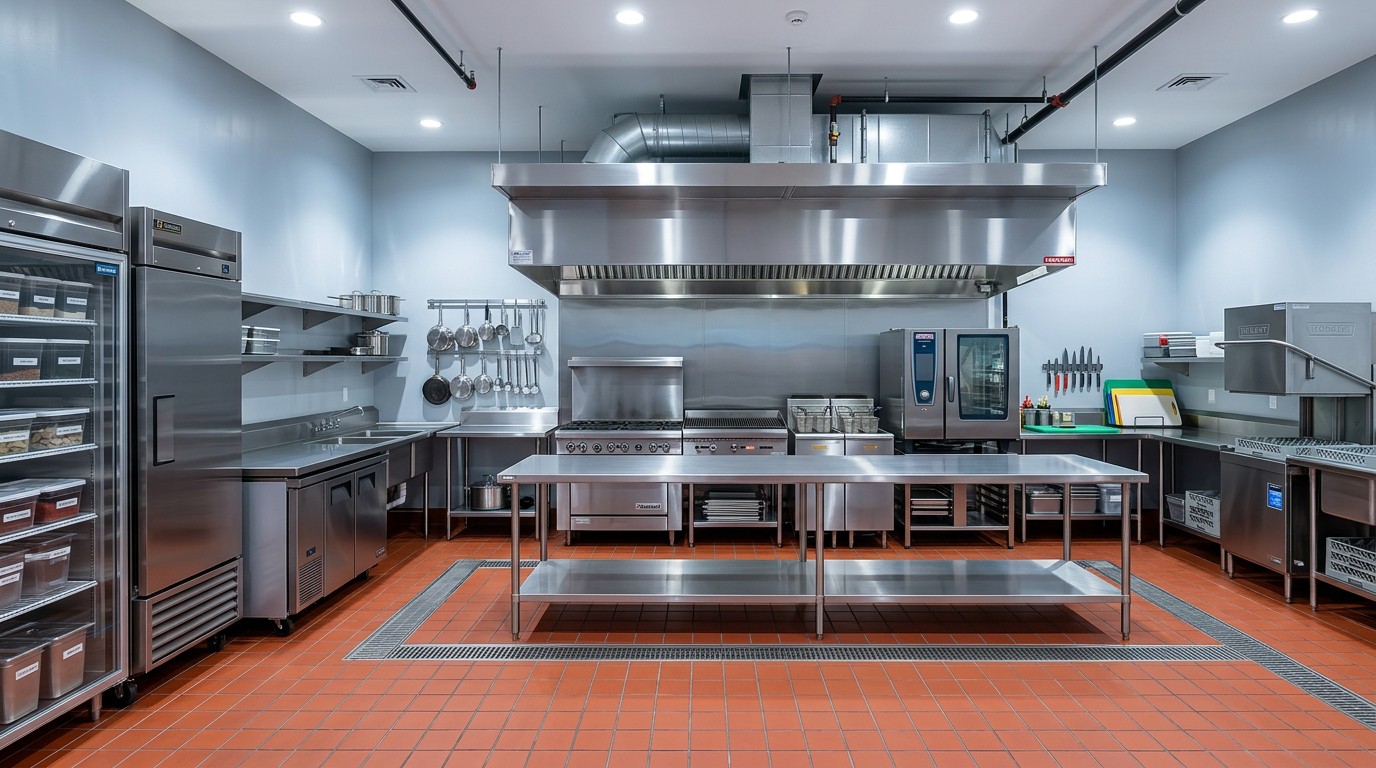
Fourth, integrated kitchen system planning. Investment is also shifting from standalone equipment purchases to complete workflow solutions. Buyers are paying more attention to commercial kitchen layout, line flow, storage, cleaning zones, ventilation, and digital monitoring because poor layout can erase the value of even high-quality machines.
Why buyers are changing their investment criteria
For many years, equipment purchasing was often driven mainly by upfront price, brand familiarity, or replacement urgency. That approach is changing. Procurement teams and decision-makers are now evaluating industrial food equipment against broader performance metrics.
The most important shift is from capital expense thinking to operating impact thinking. Buyers want to know:
- How much labor can this equipment save?
- Will it improve output consistency?
- Can it reduce rework, food waste, or downtime?
- How much energy or water can it save per month?
- How difficult is it to maintain and train staff on?
- Will it still fit our process if volumes change?
This is why commercial kitchen equipment manufacturers that can provide performance data, lifecycle cost estimates, and workflow guidance are in a stronger position than suppliers competing only on unit price.
For enterprise buyers, equipment is increasingly seen as part of a wider operating system. A smart oven, for example, is more valuable when it supports recipe control, staff simplification, remote diagnostics, and energy management. A processing line is more attractive when it integrates with upstream and downstream handling instead of becoming a bottleneck.
Which equipment categories are seeing the most attention
Although priorities vary by business model, several categories are receiving especially strong interest.
Smart cooking and controlled-output systems
Combi ovens, programmable grills, connected fryers, and automated cook-hold systems are drawing investment because they help operators produce consistent results with fewer highly skilled staff. In hotels, chain restaurants, and institutional kitchens, consistency and training reduction are major financial benefits.
Preparation and portioning automation
Cutting, mixing, slicing, forming, weighing, and portioning equipment is gaining traction in both foodservice production and food processing. These systems reduce manual handling, increase speed, and help control food cost through better yield management.
Refrigeration and cold-chain upgrades
Cold storage remains a major investment area because it directly affects food safety, shelf life, and energy consumption. Buyers are looking for more efficient compressors, better monitoring, temperature visibility, and designs that support workflow rather than just storage capacity.
Cleaning and sanitation systems
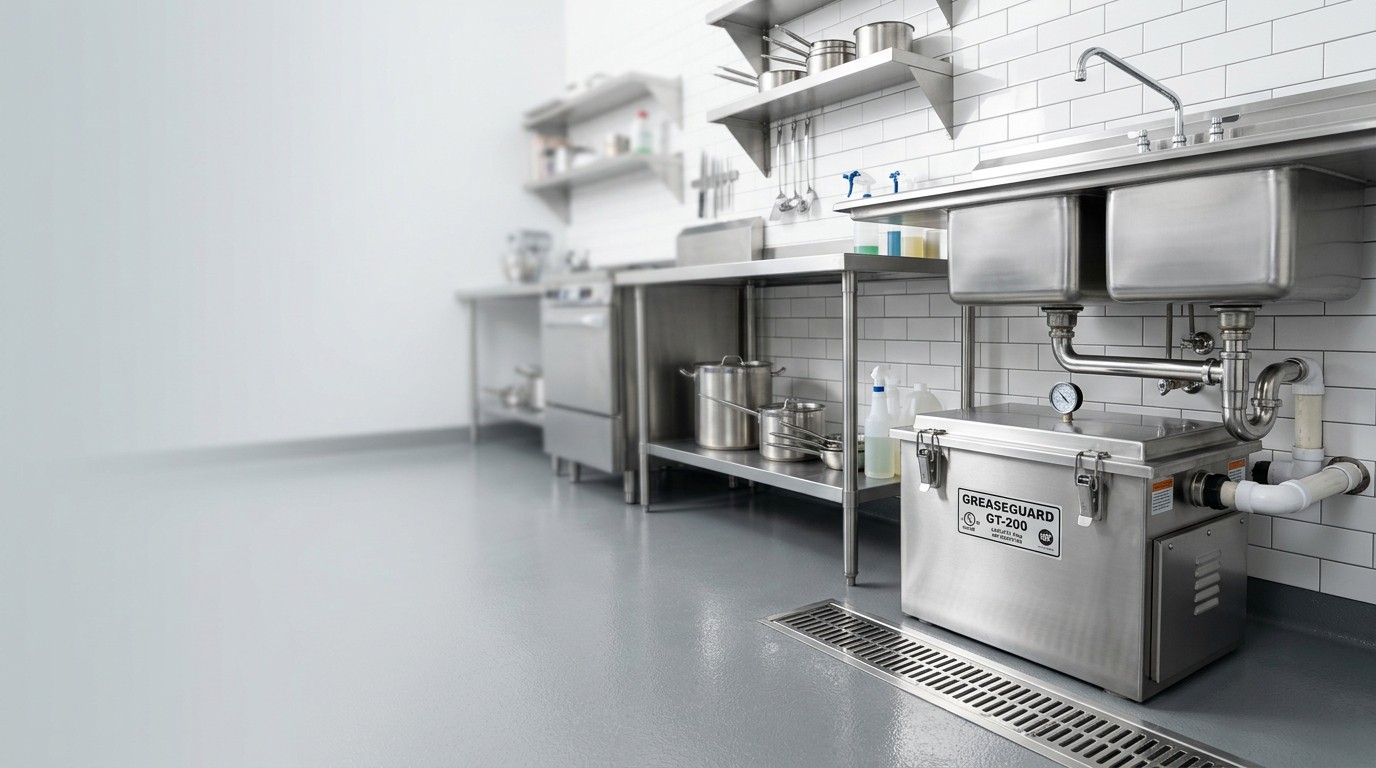
Warewashing, sanitation stations, and clean-in-place systems are becoming more important as businesses focus on compliance, labor reduction, and uptime. Equipment that reduces cleaning time while maintaining hygiene standards offers clear operational value.
Modular and scalable line design
Businesses with growth uncertainty often prefer modular systems that can be expanded without full redesign. This is particularly important in central kitchens, processing facilities, and professional catering equipment environments where demand can change quickly.
What this means for hotel kitchens, catering, and food processing
Different segments are not investing in exactly the same way, even though they share common priorities.
Hotel kitchen equipment
Hotels are investing in flexible equipment that can support multiple service formats, such as buffet, banqueting, à la carte, room service, and events. Space efficiency, menu flexibility, quiet operation, and energy control matter more than before. Equipment that helps standardize output across shifts is especially valuable in properties with variable staffing quality.
Professional catering equipment
Catering operators need speed, mobility, durability, and recovery between service cycles. Investment is moving toward transportable holding, rapid regeneration, compact prep systems, and equipment that minimizes setup complexity. Buyers in this segment are also highly sensitive to cleaning time, reliability, and serviceability.
Food processing equipment
Food processors are often making larger bets on line automation, traceability, throughput optimization, and contamination risk reduction. Their investment decisions are more likely to be shaped by long-term ROI, compliance, and integration with packaging or logistics systems.
The practical takeaway is simple: the “best” equipment is no longer universal. The best investment is the one that solves the highest-cost operational bottleneck in a specific business model.
How supplier selection is changing globally
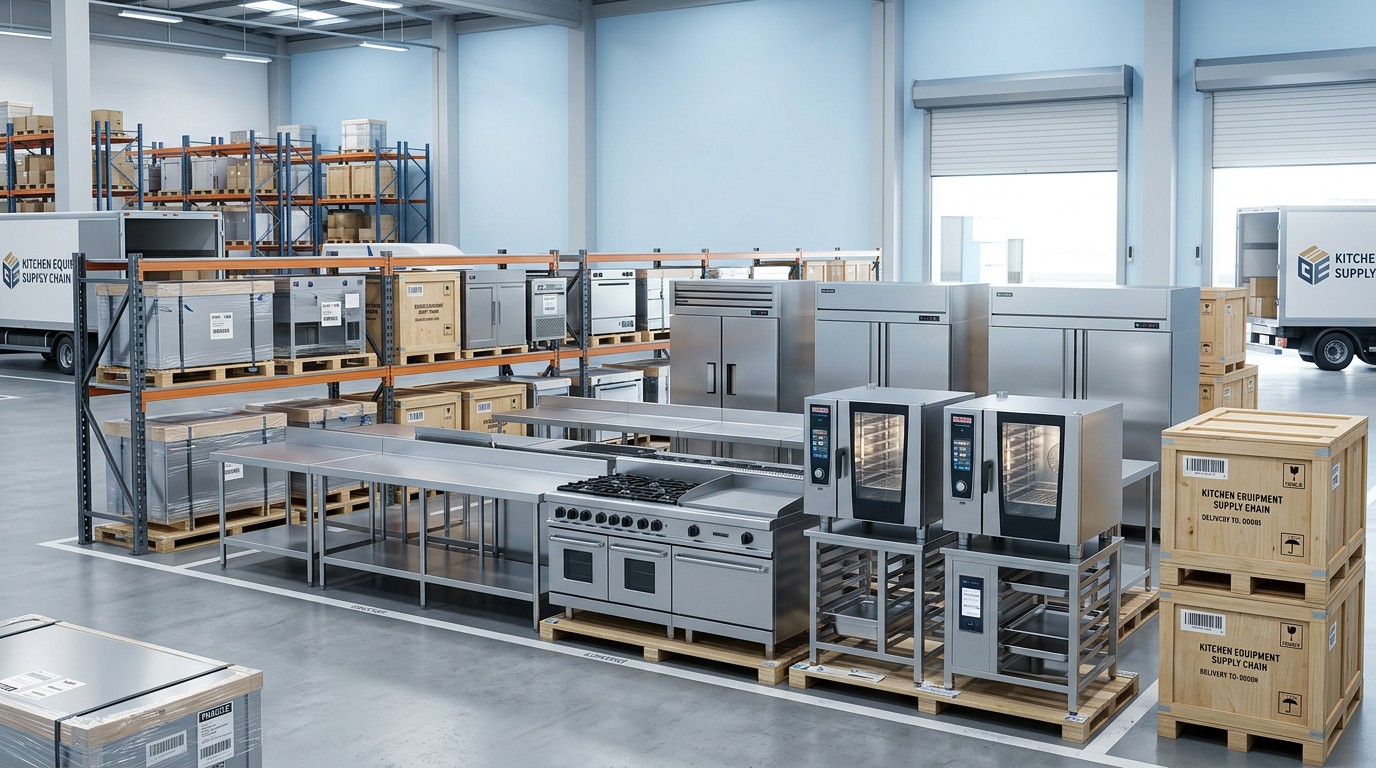
Global sourcing remains an important part of the market, but buyers are becoming more careful in how they evaluate suppliers. This is particularly true when reviewing options from kitchen equipment manufacturers china alongside suppliers from Europe, Japan, and other established production centers.
Price remains important, but it is no longer enough on its own. Buyers increasingly compare suppliers using five factors:
- Product reliability under real operating conditions
- Certifications and compliance for target markets
- After-sales support, spare parts access, and response time
- Customization ability for workflow or layout needs
- Total ownership cost, including maintenance and utility use
Many kitchen equipment manufacturers china are attracting attention because they offer competitive pricing, growing technical capability, and wider product ranges. However, for serious procurement decisions, buyers still need to validate manufacturing quality, specification consistency, service support, and compatibility with local regulations.
The market is rewarding manufacturers that can move beyond commodity supply and act as solution partners. That means layout support, engineering adaptation, documentation quality, and ongoing service are becoming stronger differentiators.
Why commercial kitchen layout is now part of the investment decision
One of the biggest shifts in the market is that equipment investment is no longer evaluated only machine by machine. Buyers are increasingly looking at how each item fits into the larger commercial kitchen layout or production flow.
This matters because many operational problems are not caused by equipment quality alone. They come from poor sequencing, excessive movement, unsafe crossings, congestion, underused capacity, or cleaning access limitations. A business can overspend on advanced equipment and still underperform if the layout disrupts workflow.
That is why more investment is going toward:
- zoned production design
- better raw-to-finished product flow
- ergonomic workstation placement
- storage integration with prep and cooking
- ventilation and utility planning
- maintenance-accessible installation
For operators and decision-makers, this means equipment purchasing should be tied to process mapping. The goal is not only to buy better machines, but to build a system that improves throughput, safety, and labor efficiency together.
How buyers should evaluate return on investment
Industrial food equipment decisions often become difficult when teams compare a lower purchase price against a higher-performing but more expensive solution. The best way to evaluate options is to use an ROI framework based on real operating outcomes.
Key factors to assess include:
- Labor savings: hours reduced per shift or per batch
- Output gain: more meals, units, or batches in the same time
- Quality consistency: lower variation, fewer rejects, less rework
- Utility savings: lower gas, electricity, and water costs
- Food waste reduction: better portioning, holding, and storage control
- Downtime risk: maintenance burden and spare-parts availability
- Training load: time required to get staff fully productive
For example, a premium cooking system may seem expensive initially, but if it reduces skilled labor dependency, shortens cooking time, lowers waste, and cuts energy use, its payback period may be much shorter than expected. The same logic applies to refrigeration, warewashing, and preparation equipment.
Decision-makers should also consider strategic ROI. Some investments are justified not only by direct savings, but by the ability to support expansion, menu consistency, compliance, or brand standards across multiple sites.
Common mistakes to avoid when planning equipment investment
Even experienced buyers can make poor investment decisions if they focus too narrowly on the wrong criteria. The most common mistakes include:
- buying for peak capacity without considering actual utilization
- choosing the lowest upfront price without estimating lifecycle cost
- ignoring cleaning, maintenance, and operator usability
- adding automation where process flow is still inefficient
- selecting equipment before finalizing layout and utility requirements
- overlooking supplier support after installation
- failing to match equipment features to staff skill level
These mistakes can turn a promising purchase into a long-term operational burden. A better approach is to start with the workflow problem, define the business objective, and then compare equipment options against measurable outcomes.
What to expect next in industrial food equipment investment
Looking ahead, investment is likely to continue moving toward systems that combine automation, digital visibility, and sustainability. Buyers will increasingly favor equipment that is easier to monitor, easier to maintain, and easier to integrate into broader kitchen or processing operations.
Three trends are especially likely to shape the next stage of spending:
- Connected equipment ecosystems that provide usage data, alerts, and remote diagnostics
- Energy and emissions optimization as operating costs and environmental standards tighten
- Flexible, multi-function equipment that helps businesses adapt to changing menus, volumes, and labor realities
This does not mean every buyer needs the most advanced technology immediately. It means the market increasingly values equipment that can support future operational demands rather than only current replacement needs.
Industrial food equipment investment is going where operational pressure is greatest and measurable returns are clearest. That means smarter cooking systems, automation, sanitation, energy efficiency, scalable production tools, and workflow-centered commercial kitchen layout are taking priority over simple one-for-one replacement. For information researchers, operators, procurement teams, and business leaders, the most useful way to evaluate the market is to ask not which equipment is most popular, but which investment will reduce cost, improve consistency, and strengthen long-term operating resilience. In today’s market, the winners are the businesses that treat equipment purchasing as a strategic performance decision, not just a buying task.
- commercial kitchen equipment
- food processing equipment
- catering equipment
- cooking equipment
- central kitchen
- Food Processor
- kitchen equipment
- kitchen equipment manufacturers
- commercial kitchen layout
- kitchen equipment manufacturers china
- commercial kitchen equipment manufacturers
- professional catering equipment
- hotel kitchen equipment
- industrial food equipment
Popular Tags
Kitchen Industry Research Team
Dedicated to analyzing emerging trends and technological shifts in the global hospitality and foodservice infrastructure sector.
Industry Insights
Join 15,000+ industry professionals. Get the latest market trends and tech news delivered weekly.
No spam. Unsubscribe anytime.
Contact With us
Contact:
Anne Yin (Ceramics Dinnerware/Glassware)
Lucky Zhai(Flatware)