
Restaurant Kitchen Equipment Ideas for Budget-Conscious Openings
Opening a restaurant on a tight budget does not mean sacrificing performance, safety, or long-term value. These restaurant kitchen equipment ideas are designed to help financial decision-makers compare essential investments, control startup costs, and prioritize efficient, scalable solutions. From energy-saving appliances to multifunctional equipment, the right choices can support smoother operations, stronger returns, and a more sustainable kitchen setup from day one.
For budget-conscious openings, the smartest approach is not buying the cheapest equipment. It is investing in the few pieces that directly affect output, labor efficiency, food safety, and utility costs, while delaying or downsizing items that do not materially improve early-stage performance. For finance approvers, the question is simple: which purchases protect cash flow today without creating operational problems tomorrow?
What Financial Decision-Makers Should Prioritize First
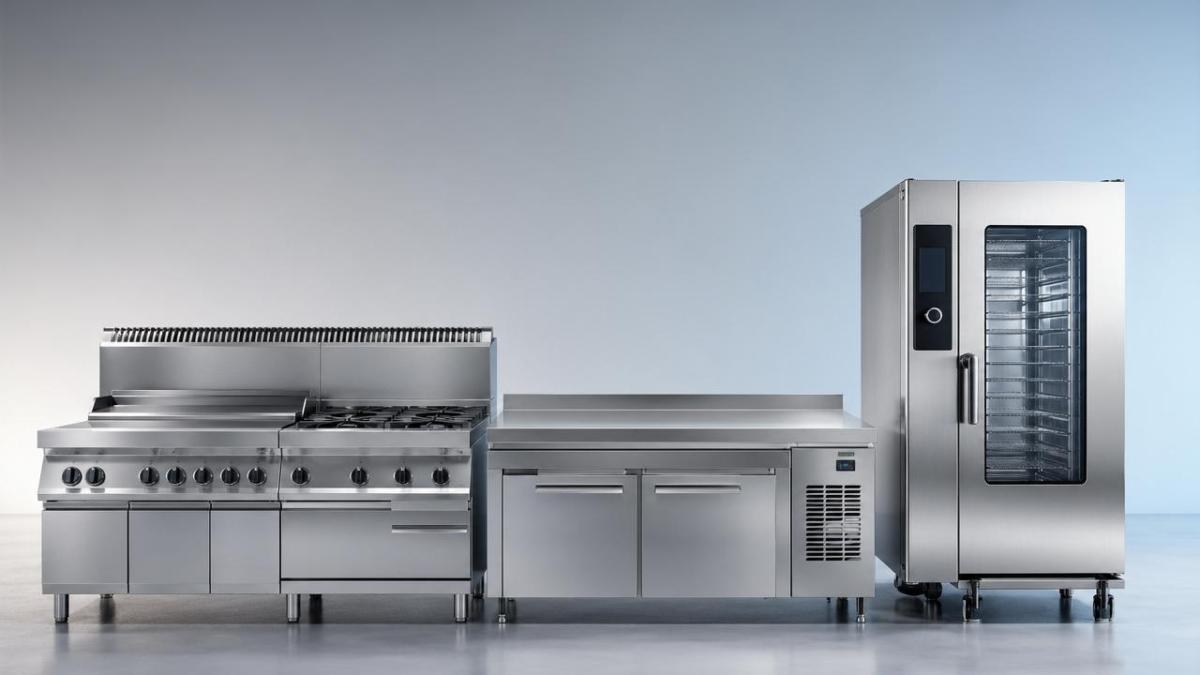
When people search for restaurant kitchen equipment ideas, they often want a list of products. But for financial approvers, a list alone is not enough. The real need is a framework for deciding what must be purchased before opening, what can be leased or bought used, and what can be added later as revenue becomes more stable.
The first priority should be equipment tied to compliance, core menu production, and daily speed. That usually includes refrigeration, cooking equipment, ventilation, sanitation, and prep stations. If any of these categories are undersized or unreliable, the restaurant may face safety issues, slower ticket times, product waste, and higher labor cost from workaround processes.
The second priority is equipment that reduces recurring expenses. Energy-efficient refrigerators, induction units, programmable ovens, and low-water dishwashers often cost more upfront, but they can lower monthly operating costs. For a finance-focused reader, these savings matter because utility reductions continue long after the opening phase.
The third priority is flexibility. Multifunction equipment can reduce both capital spending and kitchen footprint. In smaller openings, one combi oven, one undercounter refrigerator, or one heavy-duty prep table may replace several single-purpose units. This is especially valuable when a concept is still testing demand patterns or menu mix.
Start With the Menu, Not the Catalog
One of the most common budget mistakes is buying equipment based on a supplier package instead of the actual menu. A restaurant does not need every possible appliance. It needs the equipment required to produce its highest-margin and highest-volume items consistently.
For example, a café with limited hot food may not need a full battery of commercial ranges and fryers. A fast-casual concept with a focused menu may operate efficiently with a griddle, refrigerated prep counter, and convection oven. A takeout-first brand may need packaging stations and holding equipment more urgently than specialty cooking tools.
Financial approvers should ask three practical questions before approving each item. First, does this equipment support a core menu item? Second, will it be used every day at meaningful volume? Third, does it either save labor, reduce waste, or improve output enough to justify the cost? If the answer is no to all three, the purchase may belong in phase two rather than the pre-opening budget.
This menu-based approach turns restaurant kitchen equipment ideas into actionable purchasing logic. It helps prevent overbuying, reduces financing pressure, and aligns the kitchen with projected sales instead of optimistic assumptions.
Essential Equipment Categories Worth Funding Early
Not every category deserves equal budget attention. In a lean opening, some equipment groups generate much more operational value than others. These should receive stronger early funding because they support safety, volume, and repeatable execution.
Refrigeration is usually non-negotiable. Reach-in refrigerators, freezers, undercounter units, and prep tables protect inventory and food safety. Poor refrigeration creates spoilage losses that can quickly exceed the savings from buying low-grade units. Reliable temperature control and service support matter more than cosmetic features.
Primary cooking equipment should match the menu exactly. Ranges, ovens, fryers, griddles, charbroilers, or steamers should be chosen based on output requirements rather than general preference. Buying too much cooking capacity ties up cash and increases energy use. Buying too little slows service and constrains revenue.
Ventilation and fire safety systems often receive less attention during early budget planning, yet they are essential for compliance and safe operation. These costs should be built into the equipment budget from the beginning. Delays or changes in hood and suppression requirements can trigger expensive rework.
Warewashing and sanitation equipment also deserve early investment. A dishwasher with the right capacity, stainless sinks, and efficient handwashing stations support hygiene and workflow. In many kitchens, inadequate washing capacity creates labor bottlenecks that affect the whole operation.
Prep and storage equipment may seem basic, but they strongly influence labor efficiency. Stainless worktables, ingredient bins, shelving, and food processors often deliver a high practical return because they reduce clutter, speed up prep, and improve organization without requiring major capital outlay.
Best Budget-Friendly Equipment Ideas for New Restaurant Openings
If the goal is to control startup costs while maintaining quality, several equipment strategies stand out. These restaurant kitchen equipment ideas are especially useful for new operators balancing limited capital with operational needs.
Choose multifunction equipment whenever possible. A combi oven can bake, roast, steam, and reheat. A refrigerated prep table combines cold storage with line assembly space. A tilt skillet may handle braising, sautéing, simmering, and batch cooking. Multifunction units reduce the number of separate purchases and can lower installation costs.
Use undercounter and modular formats in small spaces. Smaller footprints can cut build-out expenses and improve layout efficiency. Instead of full-size equipment in every category, modular units may better fit a startup volume profile while preserving room for staff movement and storage.
Consider certified used equipment for low-complexity categories. Stainless tables, shelving, sinks, and some basic refrigeration units can often be sourced used at substantial savings. However, buyers should be cautious with heavily worn cooking equipment or units with uncertain maintenance histories, as repair costs can erase the initial discount.
Lease higher-ticket items with uncertain demand profiles. Ice machines, dishwashers, or specialty cooking systems may be good lease candidates when volume forecasts are still unproven. Leasing can preserve cash for payroll, inventory, and marketing during the first months of operation.
Standardize equipment where possible. Choosing common models across refrigeration, heating, or small appliances can simplify staff training, maintenance, and replacement part sourcing. Standardization supports budget discipline over time, not just at opening.
Where Cheap Equipment Becomes Expensive
There is a major difference between cost-effective equipment and simply cheap equipment. Finance approvers should be careful not to optimize only for purchase price. In a commercial kitchen, underperforming equipment often creates hidden costs that are larger than the initial savings.
The first hidden cost is downtime. If a refrigerator fails, food loss, emergency service, and service interruption can hit margins immediately. The second hidden cost is labor inefficiency. Slow recovery fryers, uneven ovens, or awkward prep stations may require more staff time per order. The third hidden cost is energy consumption. Older or lower-efficiency units can raise utility bills month after month.
Another risk is poor scalability. Some low-cost units are fine for very light use but begin failing when the restaurant reaches stable volume. Replacing them within the first year is usually worse financially than buying a more durable model from the start. This is why total cost of ownership matters more than sticker price alone.
For financial teams, a good approval process should compare at least four factors: acquisition cost, expected lifespan, operating cost, and service availability. A unit that costs 20 percent more upfront may still be the stronger investment if it lasts longer, uses less energy, and has reliable local support.
How to Evaluate ROI on Kitchen Equipment
Restaurant equipment ROI is not always measured by direct revenue generation. In many cases, the return comes from faster throughput, lower labor hours, reduced food waste, or fewer service interruptions. Finance approvers need a practical way to assess this value.
Start by separating equipment into three groups: mandatory, productivity-enhancing, and optional. Mandatory items are required for compliance or core operations. Their value comes from enabling the business to operate. Productivity-enhancing items improve speed, consistency, or labor efficiency. Optional items may support future menu expansion but are not essential on day one.
For productivity-enhancing purchases, calculate whether the unit reduces labor time, improves yield, or increases output during peak periods. A prep machine that saves two labor hours per day may justify itself quickly. An energy-efficient refrigerator that reduces utility consumption every month may provide a slower but reliable return. A holding cabinet that keeps food at safe temperature without quality loss may reduce waste and improve guest satisfaction.
It is also useful to estimate payback in simple terms. If a piece of equipment costs $4,000 and saves $300 per month in labor, waste, and energy combined, the rough payback period is about 13 months. Even if the calculation is imperfect, it helps compare options with more discipline than price alone.
New, Used, or Leased: Which Buying Strategy Fits Best?
Each acquisition method has a place in a budget-conscious opening. The right choice depends on equipment type, cash position, service risk, and growth uncertainty.
New equipment is usually the safest option for mission-critical items such as refrigeration, core cooking equipment, and units with electronic controls. It often comes with warranty protection, better efficiency, and lower near-term maintenance risk. For restaurants that cannot tolerate breakdowns, new equipment may be worth the higher upfront cost.
Used equipment can make sense for durable, less technical categories such as worktables, shelving, sinks, and some storage components. It may also be suitable for lower-risk backup equipment. The key is inspection, service history, and confirmation that replacement parts are still available.
Leased equipment helps preserve cash and may be ideal for expensive items that require maintenance support or have uncertain long-term fit. Leasing can improve short-term liquidity, but decision-makers should compare total lease cost against outright purchase cost before committing.
A blended strategy is often best. Buy new for critical performance equipment, buy used for simple stainless and storage items, and lease selected high-ticket assets if preserving startup cash is more important than minimizing lifetime acquisition cost.
Energy Efficiency and Sustainability Are Financial Issues Too
In the kitchen equipment industry, energy-efficient and smart solutions are becoming increasingly relevant, and not just for environmental branding. For finance approvers, energy efficiency directly affects operating margin. A budget opening should not ignore this because utility expenses can quickly accumulate across refrigeration, cooking, ventilation, and warewashing.
ENERGY STAR-rated appliances, induction cooking, high-efficiency refrigeration, and low-consumption dishmachines can reduce recurring costs while supporting a cleaner operational profile. Smart controls and programmable settings also help reduce idle time and improve consistency, especially in kitchens with variable staff experience.
Sustainability features may also strengthen the long-term asset value of the kitchen. As regulations tighten and energy prices fluctuate, efficient equipment can age better from a cost perspective than lower-efficiency alternatives. For businesses planning multiple units or future expansion, this matters even more.
That does not mean every green feature deserves a premium. The decision should still come back to measurable outcomes: lower utility bills, easier reporting, better process control, and reduced maintenance. Sustainable kitchen design is strongest when it also makes financial sense.
A Practical Approval Checklist for Budget-Conscious Buyers
Before final approval, financial stakeholders should review each major equipment item using a simple but disciplined checklist. This keeps purchasing aligned with operational reality and prevents emotional or supplier-driven decisions.
First, confirm the item supports a core menu function or a compliance requirement. Second, verify projected usage frequency and peak-time importance. Third, compare total cost of ownership, not just purchase price. Fourth, review warranty terms, service network strength, and replacement part availability. Fifth, check installation requirements, including ventilation, plumbing, drainage, and electrical load.
Also ask whether the same operational result can be achieved with a smaller unit, a multifunction alternative, or a phased purchase. Many startup budgets improve significantly when buyers challenge assumptions about size, redundancy, and timing.
Finally, leave room in the budget for unexpected setup costs. Delivery, installation, permits, utility modifications, and staff training can materially affect the real cost of equipment ownership. A financially sound plan treats these as part of the investment, not as minor extras.
Conclusion: Smart Equipment Choices Protect Both Launch Budget and Long-Term Performance
The best restaurant kitchen equipment ideas for budget-conscious openings are not about cutting corners. They are about aligning every purchase with menu needs, operational efficiency, risk control, and long-term value. For financial decision-makers, that means funding the equipment categories that truly drive safety, speed, and consistency, while delaying lower-impact purchases.
A successful opening usually comes from balance: invest in critical refrigeration, cooking, sanitation, and compliance infrastructure; choose multifunction and right-sized equipment where possible; consider used or leased options selectively; and evaluate every purchase through total cost of ownership. That approach helps protect cash flow at launch while building a kitchen capable of stable growth.
In short, the smartest budget strategy is not to buy less blindly. It is to buy more intentionally. When restaurant equipment decisions are tied to menu logic, operating efficiency, and measurable returns, even a lean opening can begin with a kitchen that is practical, scalable, and financially sound.
Popular Tags
Kitchen Industry Research Team
Dedicated to analyzing emerging trends and technological shifts in the global hospitality and foodservice infrastructure sector.
Industry Insights
Join 15,000+ industry professionals. Get the latest market trends and tech news delivered weekly.
No spam. Unsubscribe anytime.
Contact With us
Contact:
Anne Yin (Ceramics Dinnerware/Glassware)
Lucky Zhai(Flatware)