
Porcelain cereal bowl makers are investing in cleaner white finishes
Across the kitchen equipment market, porcelain cereal bowl makers are investing in cleaner white finishes to meet rising expectations for food presentation, hygiene, and premium durability. For buyers comparing a stoneware rice bowl, ceramic cereal bowl, or ceramic pasta bowl with glassware options such as a glass salad jar or glass cappuccino cup, this shift signals changing design priorities and stronger value in both commercial and household use.
Why are cleaner white porcelain cereal bowls gaining attention in kitchen equipment purchasing?
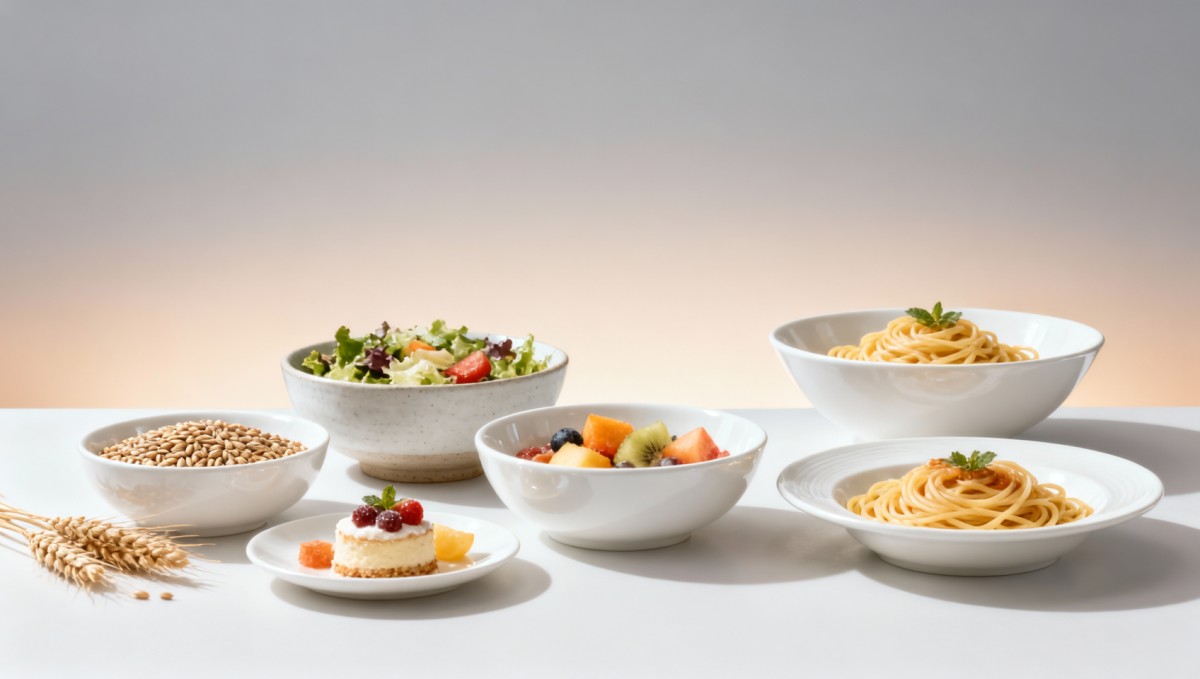
In restaurants, hotels, central kitchens, and retail dining projects, tableware is no longer treated as a simple accessory. It is part of food presentation, wash-cycle efficiency, and brand positioning. A cleaner white porcelain cereal bowl gives operators a neutral visual base that helps grains, fruit, soup, yogurt, and plated desserts stand out more clearly under dining room lighting and food photography conditions.
For procurement teams, this trend also reflects a practical shift. Buyers increasingly want tableware that supports 3 core requirements at the same time: stable appearance after repeated use, easier visual cleanliness checks, and compatibility with mixed-service menus. In many foodservice settings, bowls must move from breakfast service to salad stations and then to dessert plating within 1 operating day.
Porcelain cereal bowl makers are responding by refining body formulation, glaze consistency, and firing control to achieve cleaner white finishes without making products look overly glossy or fragile.
Popular Tags
Kitchen Industry Research Team
Dedicated to analyzing emerging trends and technological shifts in the global hospitality and foodservice infrastructure sector.
Industry Insights
Join 15,000+ industry professionals. Get the latest market trends and tech news delivered weekly.
No spam. Unsubscribe anytime.

Contact With us
Contact:
Anne Yin (Ceramics Dinnerware/Glassware)
Lucky Zhai(Flatware)