
Why kitchen storage cabinets fail in high-turnover kitchens
In high-turnover kitchens, a kitchen storage cabinet often fails not because of one defect, but because it cannot keep up with constant loading, moisture, heat, and rushed workflows. When paired with heavy-use stations like a commercial sink unit, kitchen prep table, and other kitchen preparation equipment, weak cabinet design quickly turns into safety, hygiene, and efficiency problems.
For operators, that failure shows up as warped doors, broken hinges, corrosion, poor access, and cluttered workflow. For procurement teams and decision-makers, it means higher replacement frequency, sanitation risk, and avoidable downtime. In restaurants, hotel kitchens, central kitchens, and food processing support areas, cabinet performance is not a minor furniture issue; it is part of operational reliability.
This article explains why storage cabinets break down faster in high-turnover environments, what technical and workflow factors drive failure, and how buyers can choose cabinet systems that match commercial kitchen intensity. The goal is practical: reduce replacement cycles, improve hygiene control, and support faster, safer daily work.
Why high-turnover kitchens put exceptional stress on storage cabinets
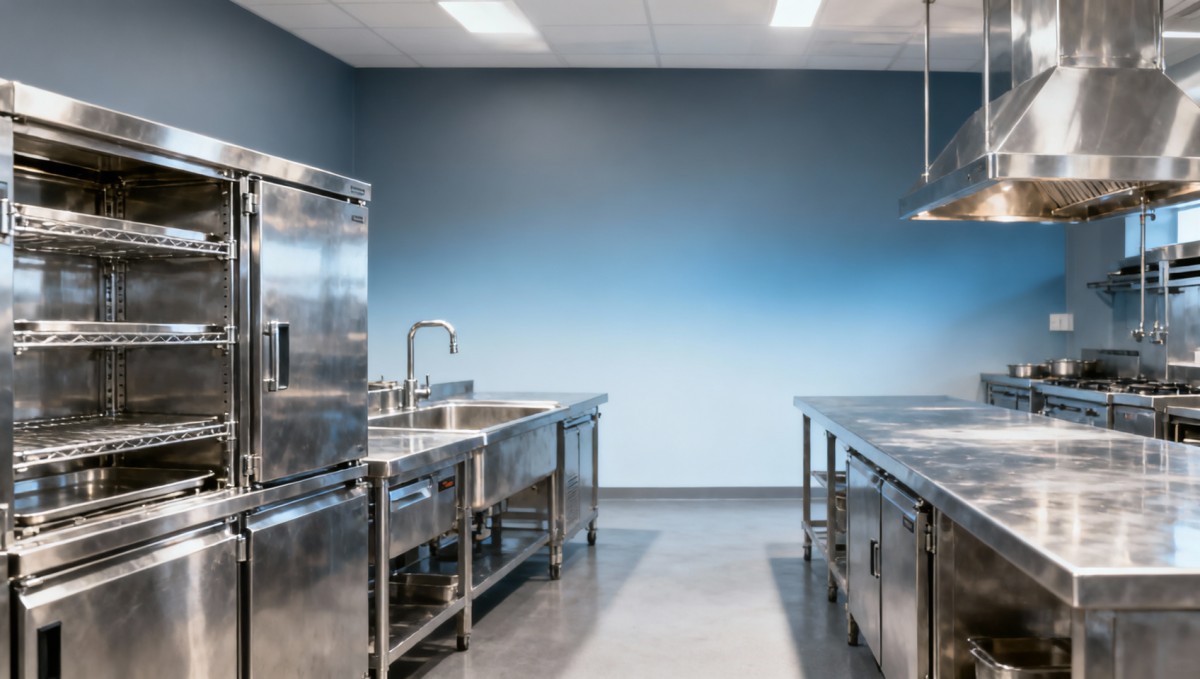
A high-turnover kitchen may process 2 to 4 service peaks per day, with staff opening and closing cabinet doors hundreds of times during each shift. Unlike light-duty environments, these kitchens combine wet zones, hot lines, storage pressure, and constant human traffic within limited square meters. A cabinet that performs adequately in a low-volume site can fail within 6 to 18 months under this level of use.
The stress is rarely isolated. Cabinets are often installed near a commercial sink unit, beneath a kitchen prep table, or beside cooking and washing equipment that produce steam, grease, chemical splash, and temperature fluctuations. In these conditions, weak edge sealing, poor-grade stainless steel, thin sheet thickness, or low-cycle hardware quickly become weak points.
Workflow intensity also matters. In a rush, staff do not open doors gently or place loads evenly. Heavy ingredient bins, cleaning chemicals, GN pans, small appliances, and utensils are pushed in and out rapidly. If the cabinet was designed for static storage rather than repeated access, racking distortion and hinge loosening become predictable outcomes rather than isolated defects.
Another common issue is location mismatch. Many failures happen because buyers focus on cabinet dimensions and price but overlook where the unit will be placed. A cabinet positioned within 1 to 2 meters of dishwashing, cooking, or raw-prep zones faces very different exposure levels than one used in a dry storage room.
The operating conditions that accelerate wear
In commercial kitchens, four conditions typically combine to shorten cabinet life:
- Moisture exposure from sinks, floor washing, and steam release, especially when surfaces stay wet for more than 20 to 30 minutes.
- Temperature variation, often ranging from cool prep areas to hot cooking zones above 35°C ambient air near the line.
- Impact loading from carts, bins, and repeated door slamming during peak service windows.
- Chemical contact from detergents, degreasers, and sanitizers used 1 to 3 times per shift.
When these conditions are not part of the original specification, even a cabinet made from acceptable materials can underperform in real kitchen operations.
The most common failure points in cabinet design and construction
Cabinet failure often starts at the hardware and joints, not at the most visible panel. Hinges rated for light-duty cycles may begin loosening after a few months in a kitchen where doors are opened 150 to 300 times per day. Drawer runners, magnetic catches, and handles also wear early when they are selected for office or residential use rather than foodservice use.
Material selection is another major reason. Stainless steel cabinets are widely preferred, but not all stainless steel performs the same in wet and chemical-heavy conditions. Thin-gauge construction can flex under repeated loading, while poorly finished welds create micro-gaps that collect dirt and moisture. Cabinets built with low corrosion resistance around the base are particularly vulnerable because water pooling on kitchen floors is common.
Internal load design is frequently underestimated. Shelves may carry 30 to 50 kg safely in controlled conditions, yet actual use often exceeds that range when operators stack bulk ingredients, pots, containers, and countertop tools. If the shelf lacks reinforcement or adjustable supports are weak, deformation can appear long before the cabinet body itself fails.
Poor cleanability should also be treated as a design failure. Deep corners, exposed fasteners, rough welds, and inaccessible undersides increase food residue buildup. That creates hygiene problems even before structural failure occurs, which matters for both operators and management teams responsible for compliance and audit readiness.
Typical weak points buyers should inspect
Before purchase, it helps to review the most failure-prone cabinet elements in a structured way:
The key takeaway is that cabinet durability depends on the total system: body material, hardware cycle resistance, shelf reinforcement, and sanitary detailing must all match the kitchen’s turnover level. Looking at only exterior appearance or initial price often leads to under-specification.
Why adjacent equipment affects cabinet lifespan
A cabinet next to a commercial sink unit faces direct splash and prolonged humidity. One next to a kitchen prep table may experience continuous opening, ingredient spills, and sharp tool contact. Near cooking equipment, grease vapor and thermal stress become more relevant. That is why integrated kitchen planning is essential. Cabinets cannot be selected as isolated products when they operate as part of a prep, wash, and storage line.
How cabinet failure affects hygiene, labor efficiency, and replacement cost
When a kitchen storage cabinet fails, the first visible problem is inconvenience, but the deeper costs are operational. Misaligned doors, uneven shelves, and blocked access add seconds to every task. In a kitchen with 6 to 12 staff per shift, those delays accumulate across hundreds of retrieval actions. Small inefficiencies in storage can slow prep flow, increase cross-traffic, and reduce line discipline during peak hours.
Hygiene risk rises quickly when surfaces trap water or residue. A cabinet base that is hard to clean becomes a long-term sanitation issue, especially in wet-prep and washing zones. If shelves are overloaded and begin deforming, containers may tilt or leak, increasing the risk of ingredient contamination and housekeeping problems. In foodservice environments, poor storage conditions can also complicate internal audits and standard operating procedure checks.
Financially, the problem is not limited to the price of one replacement unit. There are secondary costs: labor for removal and installation, interrupted use of the prep area, potential stock damage, and the administrative burden of urgent procurement. If a low-cost cabinet needs replacement every 12 months while a better-specified unit lasts 4 to 6 years, the total ownership profile changes significantly.
For enterprise decision-makers, this is why cabinet procurement should be tied to lifecycle value rather than first cost. The correct benchmark is not “What is the cheapest unit?” but “What unit can support the kitchen’s turnover, cleaning routine, and storage load over its expected use period?”
Direct and indirect costs of cabinet failure
The table below helps compare visible and less visible consequences of selecting the wrong cabinet specification.
For procurement teams, the practical lesson is clear: a cabinet should be evaluated the same way as other high-contact kitchen preparation equipment. It affects throughput, sanitation, and maintenance load, not just storage appearance.
A useful decision metric
A simple internal benchmark is to compare expected service life, maintenance frequency, and interruption cost across 3 years and 5 years. This makes it easier to justify heavier-duty specifications in kitchens that operate 10 to 16 hours per day.
What to specify when selecting cabinets for demanding kitchen environments
The right cabinet for a high-turnover kitchen should be matched to load profile, cleaning regime, and placement zone. In many commercial settings, stainless steel remains the preferred material because it offers better cleanability and moisture resistance than wood-based or decorative alternatives. However, buyers should go beyond material category and ask about construction thickness, reinforcement points, weld finish, and hardware durability.
In wet or mixed-use areas, raised legs or enclosed hygienic plinth designs can help reduce standing-water exposure. Adjustable shelving should have realistic load ratings, not just nominal ones. If a shelf is likely to hold 40 kg regularly, specifying too close to that number leaves little safety margin. A practical approach is to allow at least 20% to 30% reserve capacity above typical daily use.
Door configuration also matters. Sliding doors may work better in narrow aisles, while hinged doors may offer faster full access in wider prep areas. Open bases can improve cleaning access but may reduce splash protection in wash zones. The selection should reflect workflow, not only storage volume.
Decision-makers should also evaluate whether cabinets need to integrate with adjacent kitchen prep table units, undershelves, sink modules, or wall storage systems. Integrated layouts often perform better because they reduce redundant movement and create cleaner task zoning across prep, wash, and temporary holding areas.
Practical specification checklist
- Confirm intended use zone: dry storage, prep support, wash area, or hot line support.
- Check material suitability for moisture and chemical exposure over daily cleaning cycles.
- Verify shelf load capacity, reinforcement method, and adjustment intervals.
- Review hardware cycle durability for frequent opening over 12 to 16 operating hours.
- Inspect weld smoothness, corner design, and ease of wipe-down for hygiene control.
- Plan service access and replacement of hinges, handles, and shelf supports.
Comparison of common cabinet choices
Not all cabinet types suit the same operating conditions. The comparison below can support early-stage selection discussions.
The best choice depends less on product category and more on where the cabinet will operate, how often it will be accessed, and what loads it will carry beside other commercial kitchen equipment.
Implementation, maintenance, and procurement strategies that reduce failure risk
Even a well-built cabinet can fail early if installation and maintenance are weak. Leveling matters more than many teams expect. An uneven floor can twist the frame, causing doors to misalign and shelves to bear load unevenly. During installation, support points, floor contact, and clearance from wet walls or drain paths should be checked carefully.
Maintenance should be simple but consistent. In busy kitchens, a weekly 10-minute inspection of hinges, shelf brackets, and lower panels can identify loosening before it becomes damage. Monthly cleaning reviews should also check whether water is pooling under the unit, whether chemicals are damaging surface finish, and whether loads routinely exceed design limits.
Procurement teams can lower risk by using a structured evaluation process rather than buying solely from a catalog image or broad specification line. Ask suppliers for construction details, load guidance, sanitation features, and recommended use zones. If the site is part of a chain operation or a large hospitality group, standardizing cabinet specifications by zone can reduce spare-part complexity and simplify future replacement planning.
Lead time should also be considered. For standard commercial kitchen cabinets, delivery may range from 2 to 6 weeks depending on configuration, material availability, and whether matching prep tables or sink units are included. For project kitchens, cabinet selection should be finalized early enough to coordinate plumbing, equipment spacing, and workflow layout.
A 5-step purchasing and implementation process
- Map the use zone and identify whether the cabinet supports prep, washing, temporary holding, or dry storage.
- Estimate real operating load, access frequency, and cleaning exposure over a typical 7-day cycle.
- Compare at least 3 specification points: material construction, hardware durability, and cleanability.
- Confirm installation conditions including floor level, drainage path, and adjacency to sink or heat equipment.
- Set a maintenance routine with weekly checks and quarterly review of wear parts.
FAQ for buyers and operators
How often should commercial kitchen storage cabinets be inspected?
In high-turnover kitchens, quick visual checks should happen weekly, with a more detailed inspection every 30 days. If the cabinet is placed beside a commercial sink unit or in a heavy wash area, lower sections and hardware may need closer review because corrosion and looseness start there first.
Are wooden or laminated cabinets suitable for high-use commercial kitchens?
They may work in very dry, low-stress support spaces, but they are generally less suitable in kitchens with frequent moisture, chemical cleaning, and heavy daily access. In most restaurant, hotel, and central kitchen environments, stainless steel or similarly durable hygienic materials are the safer long-term choice.
What is the most overlooked specification during procurement?
Load behavior in real use is often overlooked. Buyers may see a shelf rating but fail to ask how the load is distributed, whether the shelf is reinforced, and how often it will be accessed. Hardware cycle durability is another commonly missed point.
When should a cabinet be repaired instead of replaced?
If the issue is limited to hinges, handles, or adjustable shelf parts, repair is usually practical. If the frame is twisted, corrosion is spreading at the base, or seams can no longer be cleaned effectively, replacement is often the more reliable option.
High-turnover kitchens demand storage cabinets that can withstand moisture, impact, repeated access, and integration with surrounding kitchen preparation equipment. The main causes of failure are usually under-specification, poor placement, weak hardware, and designs that are hard to clean. When buyers evaluate cabinets as operational equipment rather than simple storage furniture, they make better decisions on hygiene, durability, and lifecycle cost.
If you are planning a new kitchen, upgrading a prep line, or replacing worn storage units in restaurants, hotels, or food processing support areas, now is the right time to review your cabinet specification in context. Contact us to discuss your application, get a tailored recommendation, and learn more about practical kitchen storage solutions built for demanding commercial use.
Popular Tags
Kitchen Industry Research Team
Dedicated to analyzing emerging trends and technological shifts in the global hospitality and foodservice infrastructure sector.
Industry Insights
Join 15,000+ industry professionals. Get the latest market trends and tech news delivered weekly.
No spam. Unsubscribe anytime.
Contact With us
Contact:
Anne Yin (Ceramics Dinnerware/Glassware)
Lucky Zhai(Flatware)