
Restaurant kitchen equipment repair contracts that include predictive maintenance alerts
In today’s high-demand foodservice environment, proactive care for restaurant kitchen equipment is no longer optional—it’s essential. Repair contracts that integrate predictive maintenance alerts help prevent costly downtime, extend equipment lifespan, and support critical priorities like restaurant kitchen safety, restaurant kitchen workflow efficiency, and compliance with restaurant kitchen ventilation system standards. Whether you’re sourcing from top restaurant kitchen equipment suppliers, optimizing stainless steel restaurant kitchen layouts, or evaluating restaurant kitchen equipment cost versus long-term ROI, intelligent maintenance ensures reliability across commercial restaurant kitchen design, hood systems, and ventilation solutions—backed by eco-friendly, energy-efficient performance.
What Exactly Are Predictive Maintenance–Enabled Repair Contracts?
These are service agreements that go beyond traditional reactive or scheduled maintenance. Instead of waiting for failure—or performing fixed-interval servicing regardless of actual equipment condition—they embed IoT sensors, real-time data analytics, and machine learning models into commercial kitchen equipment (e.g., combi ovens, blast chillers, dishwashers, exhaust hoods) to detect early signs of degradation.
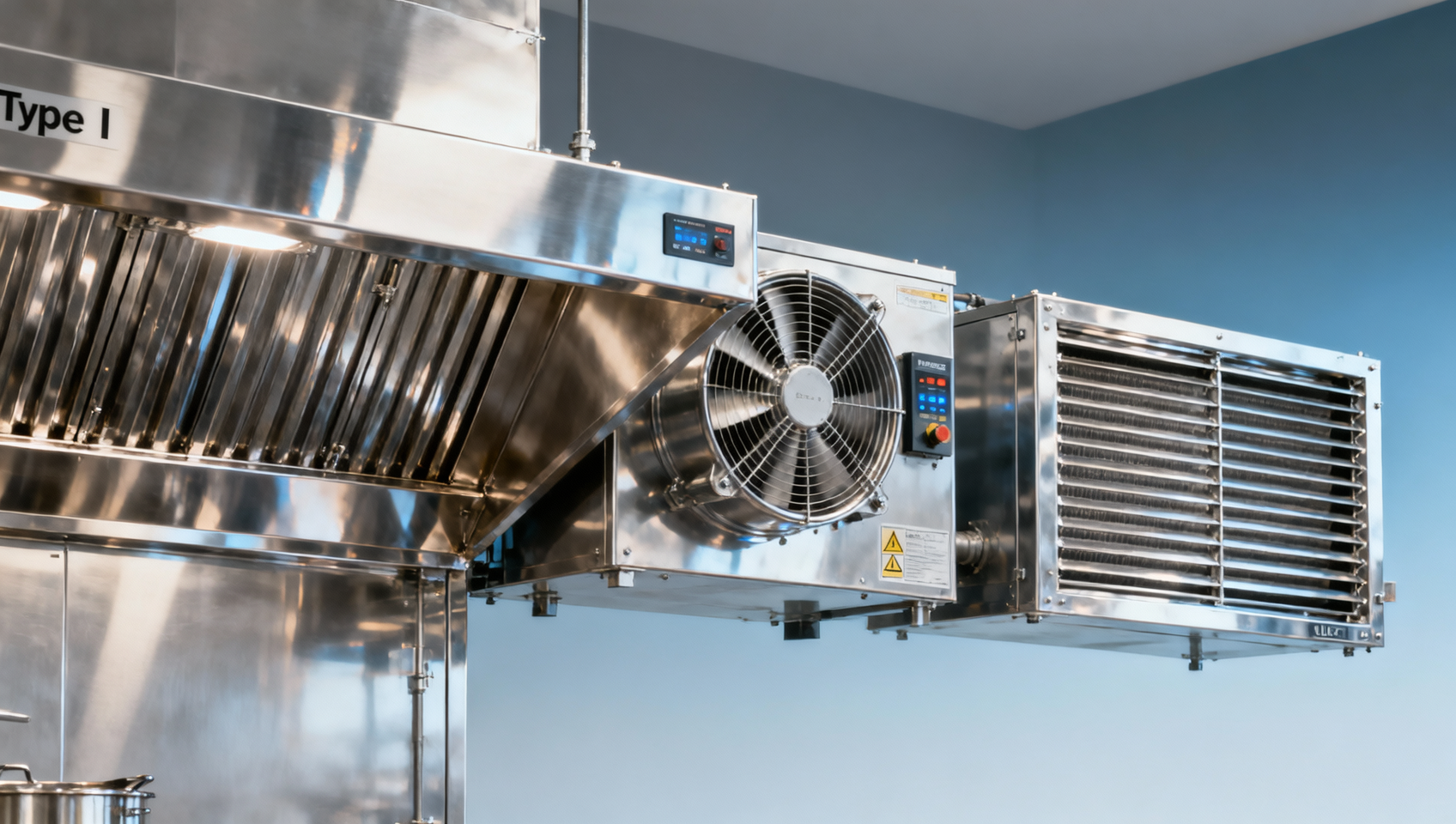
Alerts trigger automatically when parameters exceed predefined thresholds—for example, motor current variance >8% over baseline, bearing temperature rising ≥3℃/hour, or airflow drop >12% in a Type I hood system. Technicians receive prioritized notifications with root-cause suggestions and recommended action windows—typically 7–15 days before functional impact occurs.
Unlike basic warranty extensions, these contracts include remote diagnostics, firmware updates, spare-part pre-allocation, and SLA-backed response times (e.g., 4-hour remote triage, 24–48 hour on-site dispatch for Tier-1 alerts). They align directly with ISO 55000 asset management principles and support HACCP-critical uptime requirements.
Which Equipment Types Benefit Most—and Why?

Predictive alerts deliver highest ROI where failure causes cascading operational risk. Based on field data from over 1,200 commercial kitchens across North America and EU markets, the top five equipment categories showing >40% reduction in unplanned downtime under such contracts are:
- Commercial refrigeration units (walk-ins, prep tables): Early compressor or evaporator coil anomaly detection prevents temperature excursions beyond FDA Food Code §3-501.12 limits (≤41°F cold holding).
- Type I & II kitchen exhaust hoods: Vibration and static pressure monitoring identifies fan imbalance or grease buildup before airflow drops below NFPA 96 minimums (≥200 fpm face velocity).
- High-output combi ovens (≥20 kW): Thermal cycling pattern analysis forecasts heating element fatigue, avoiding calibration drift during critical cook cycles.
- Flight-type dishwashers: Conductivity and rinse temperature trend modeling predicts chemical dosing pump failure before sanitizer concentration falls below 50 ppm (FDA Food Code §4-501.111).
- Central kitchen steam kettles (≥100 L capacity): Pressure vessel strain gauge readings flag weld micro-fractures before ASME Section VIII Div. 1 inspection intervals lapse.
For smaller-scale appliances (e.g., countertop griddles, immersion blenders), predictive integration remains cost-prohibitive unless deployed at fleet scale (≥50 units).
How to Evaluate Vendor Capabilities—A Procurement Checklist
Not all “predictive” offerings deliver equal value. Decision-makers should verify vendor implementation depth across six dimensions before signing:
Vendors must also provide documented evidence of cybersecurity compliance (e.g., adherence to NIST SP 800-82 for OT systems) and data residency options for GDPR/CCPA-regulated operations.
Cost Structure vs. Long-Term Value: A Realistic Breakdown
Annual contract costs range from 12–18% of original equipment value for single-unit coverage, dropping to 7–10% for multi-year, multi-equipment portfolios (≥15 units). While upfront investment appears higher than standard service plans (typically 5–8%), the TCO advantage emerges within 14–18 months:
- Average reduction in emergency labor charges: 63% (based on 2023 U.S. Commercial Kitchen Service Benchmark Report)
- Extended mean time between failures (MTBF): +2.4× for refrigeration, +1.8× for exhaust systems
- Energy waste reduction from degraded components: 9–14% (validated via submetered HVAC and cooking load data)
- Regulatory audit readiness score improvement: +37 points (on 100-point FSSC 22000 kitchen module checklist)
Crucially, predictive contracts reduce “hidden” costs: staff overtime during breakdowns, food spoilage from temp excursions, and insurance premium adjustments tied to loss frequency.
Why Partner With Us for Your Predictive Maintenance Strategy?
We specialize in end-to-end predictive maintenance integration for global kitchen equipment ecosystems—from initial sensor compatibility assessment through to live dashboard deployment and technician certification. Our platform supports 42+ OEM brands (including Rational, Hobart, Foster, and MKN) and integrates with existing CMMS systems like UpKeep and Fiix via RESTful APIs.
You’ll get: a 30-day proof-of-concept with no hardware commitment; customizable alert thresholds aligned to your local health authority requirements; and certified technicians trained on both mechanical systems and data interpretation protocols (ISO/IEC 17024 accredited).
Let us help you define your predictive readiness level, map equipment priority tiers, and build a phased rollout plan—including budget forecasting, ROI modeling, and compliance documentation templates. Contact us to request a free equipment health scan and tailored contract proposal.
Popular Tags
Kitchen Industry Research Team
Dedicated to analyzing emerging trends and technological shifts in the global hospitality and foodservice infrastructure sector.
Industry Insights
Join 15,000+ industry professionals. Get the latest market trends and tech news delivered weekly.
No spam. Unsubscribe anytime.
Hot Articles
 Restaurant kitchen ventilation system rebates expiring in Q3 2026—eligibility checklist
- Commercial restaurant kitchen design shifts toward modular, reconfigurable zones
- Restaurant kitchen equipment layout errors that increase cross-contamination risk
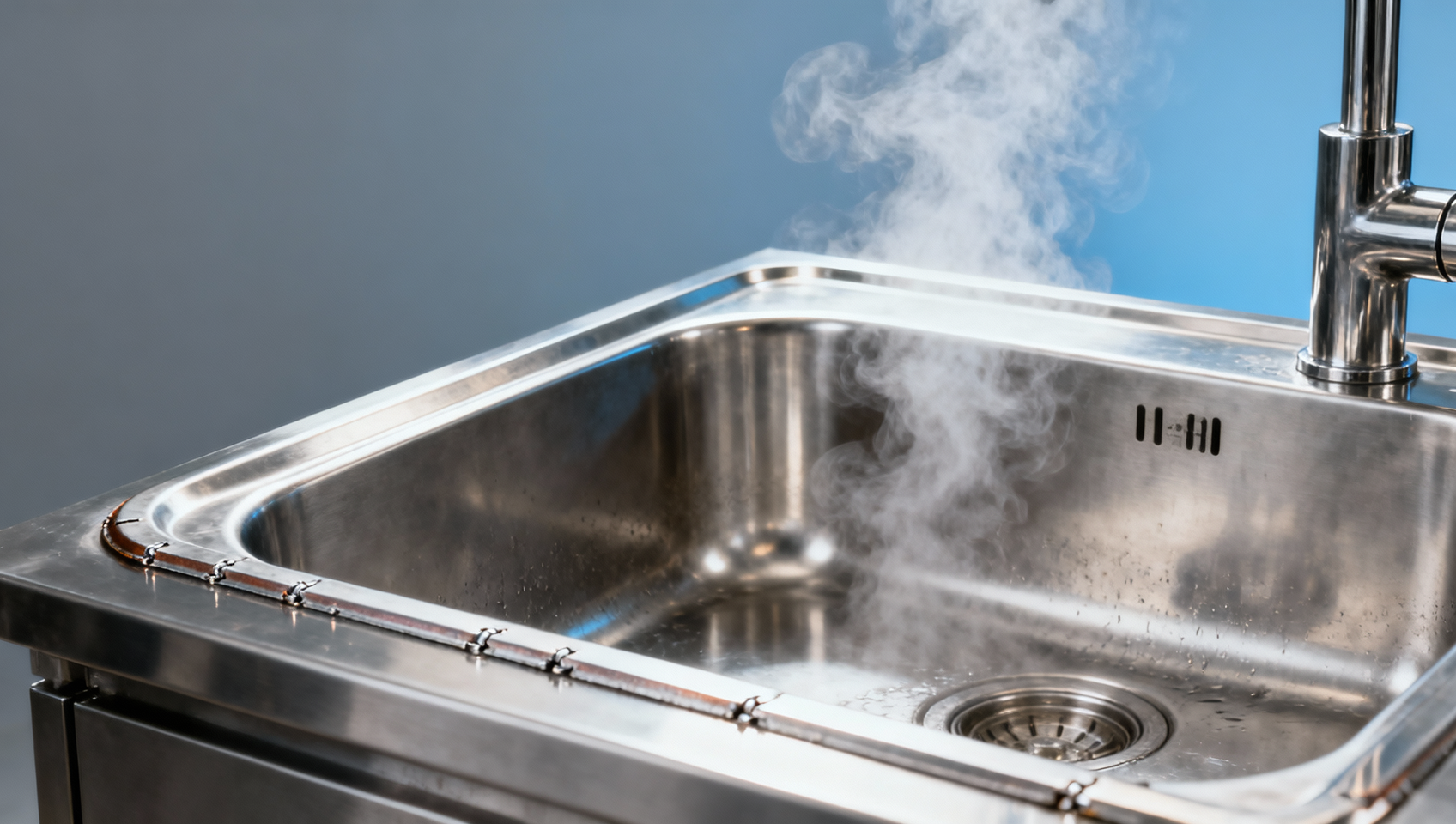
- Stainless steel restaurant kitchen sinks cracking under thermal shock—why it’s happening more often
Contact With us
Contact:
Anne Yin (Ceramics Dinnerware/Glassware)
Lucky Zhai(Flatware)