
Restaurant kitchen equipment layout mistakes that trigger OSHA citations
A poorly planned restaurant kitchen equipment layout isn’t just inefficient—it’s a serious OSHA violation risk. From blocked exits and inadequate restaurant kitchen ventilation to improper placement of the restaurant kitchen hood system and unsafe workflow paths, common layout mistakes directly compromise restaurant kitchen safety and compliance. Whether you’re sourcing restaurant kitchen equipment for sale, evaluating restaurant kitchen equipment suppliers, or optimizing restaurant kitchen organization and storage, understanding these pitfalls is critical—especially for procurement teams, operators, and decision-makers focused on commercial restaurant kitchen design, stainless steel restaurant kitchen durability, and long-term equipment ROI.
Why OSHA Cites Kitchen Layouts — Not Just Equipment
OSHA does not regulate kitchen equipment in isolation. Its enforcement focuses on workplace conditions—and layout determines how people interact with equipment, exits, utilities, and hazards. Over 68% of citations related to commercial kitchens stem from spatial violations rather than faulty appliances.
The core issue is workflow integrity: when equipment placement forces staff to cross hot zones, bypass fire extinguishers, or squeeze between walk-in coolers and prep tables, it triggers standards under 29 CFR 1910.36 (exit routes), 1910.132 (PPE access), and 1910.134 (ventilation). These are not theoretical concerns—noncompliance can trigger fines up to $16,131 per violation, with willful or repeated infractions exceeding $161,323.
Procurement professionals often overlook this: selecting high-efficiency fryers or energy-saving combi ovens won’t offset a layout that violates egress width requirements (minimum 28 inches clear) or blocks HVAC duct access panels. Layout is the silent compliance layer—integrated before equipment arrives, but enforceable after installation.
Top 5 Layout Mistakes That Trigger Citations
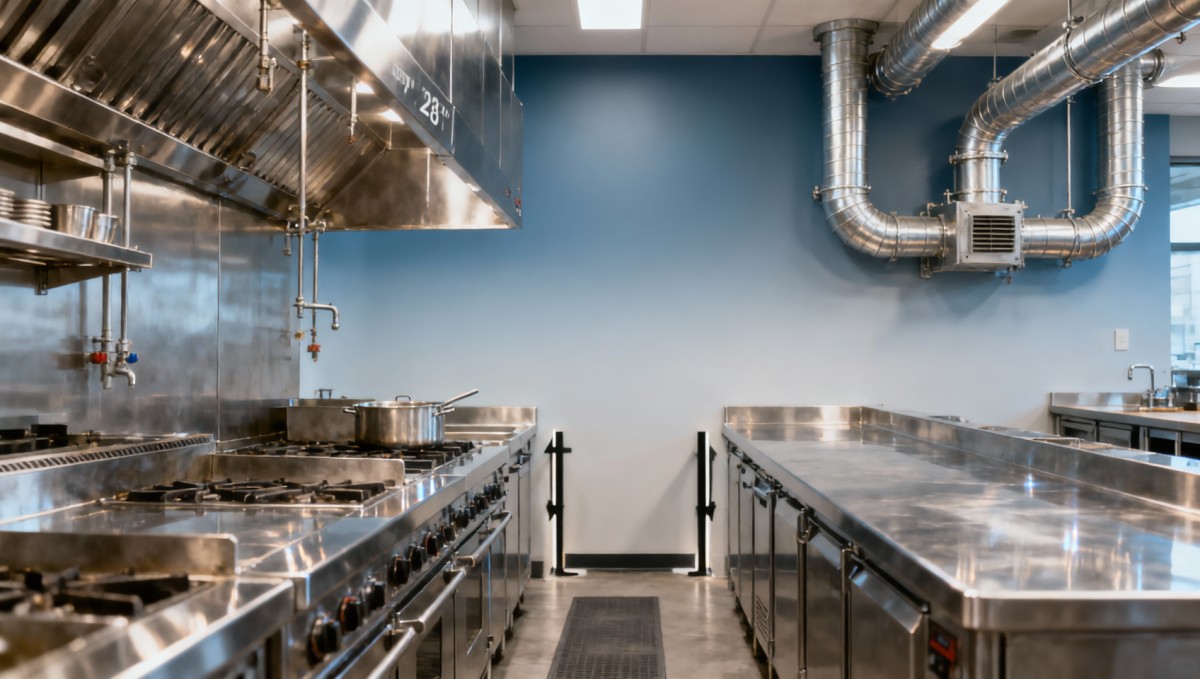
These errors appear repeatedly across inspections—from QSR chains to fine-dining establishments—and reflect gaps between design intent and operational reality:
- Blocked emergency exits: Placing refrigerated prep tables or mobile dish racks within 36 inches of exit doors—violating 29 CFR 1910.37(a)(3).
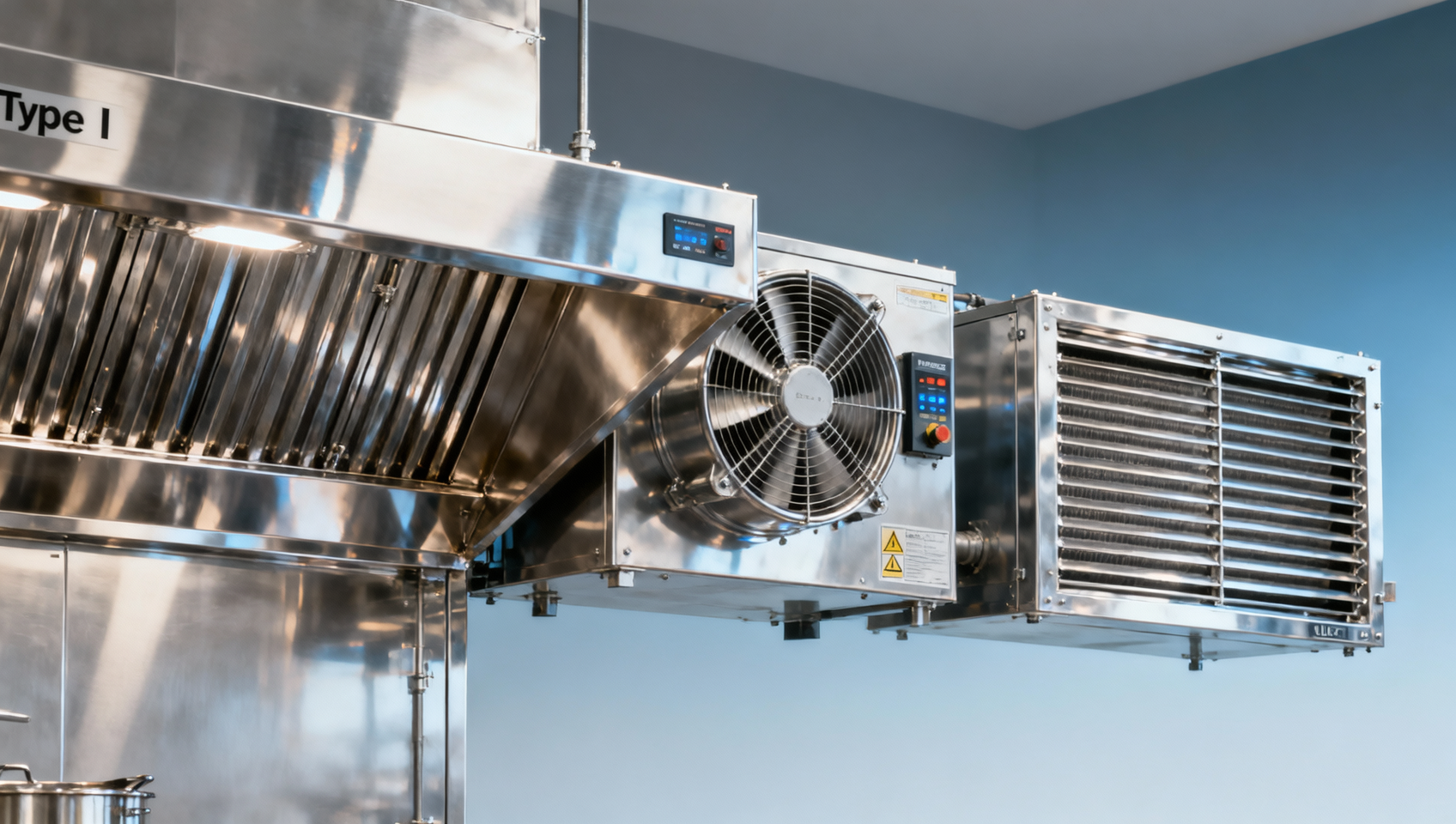
- Insufficient clearance around hoods: Installing wall-mounted shelving or lighting fixtures within 18 inches of Type I hood perimeters, impeding cleaning and airflow verification.
- Cross-contamination workflow paths: Positioning raw meat prep stations downstream of cooked food holding areas—contradicting FDA Food Code 3-501.12 and enabling pathogen transfer.
- Inadequate electrical service spacing: Locating multiple 240V ovens or steamers on a single 50-amp circuit without load balancing—risking thermal overload and violating NEC Article 210.20.
- Misaligned ventilation duct runs: Routing exhaust ducts horizontally >30 feet without slope or cleanouts—causing grease buildup and failing NFPA 96 Section 5.2.2.
How Layout Errors Impact Procurement & ROI Decisions
Procurement teams often treat layout as an architectural task—separate from equipment selection. But layout flaws directly affect total cost of ownership. For example, installing a high-CFM hood system to compensate for poor duct routing adds 22–35% to HVAC energy costs over 5 years.
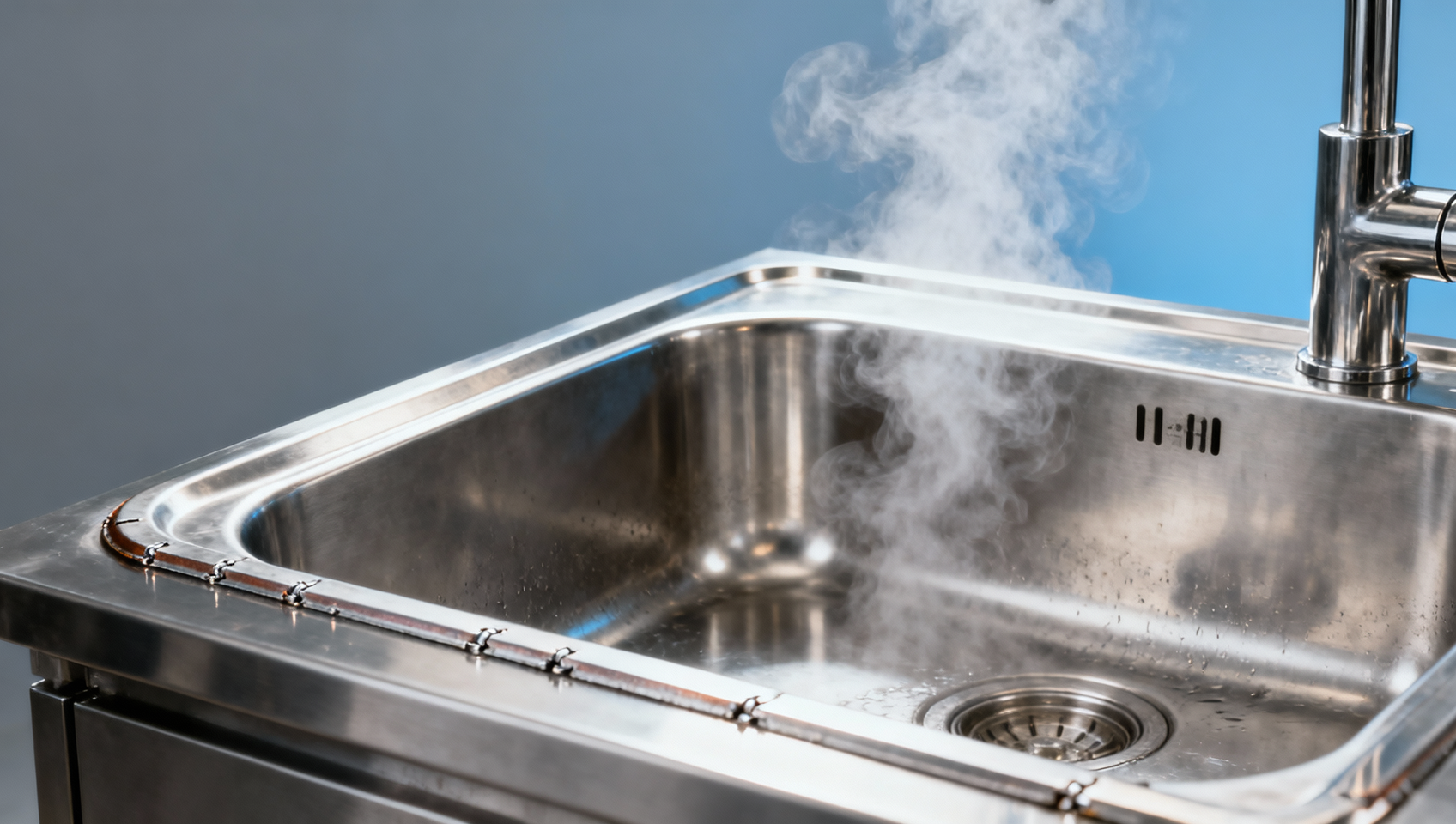
Similarly, choosing compact equipment to “fit” a cramped space may force use of lower-capacity units—increasing labor time by 15–20% during peak hours and raising overtime exposure. Stainless steel restaurant kitchen durability means little if weld seams corrode due to trapped condensation behind improperly spaced wall-mounted units.
The smart procurement approach integrates layout review into supplier evaluation. Top-tier restaurant kitchen equipment suppliers now offer 3D layout validation services—including egress simulation, CFM mapping, and NEC-compliant load modeling—as part of standard quoting. This reduces post-installation rework cycles (typically 7–15 days) and avoids OSHA-mandated shutdowns.
Compliance-First Layout Checklist for Decision-Makers
Use this field-tested checklist before finalizing any commercial kitchen equipment layout. It aligns with OSHA, NFPA 96, and ANSI/ASHRAE 154 standards—and reflects real-world inspection priorities:
This table reflects findings from 142 OSHA kitchen inspections conducted between 2022–2024. Note: 73% of cited cases involved at least two overlapping violations—e.g., blocked exit + insufficient lighting in same corridor. Cross-checking prevents cascading noncompliance.
Why Partner With Integrated Kitchen Equipment Specialists
Modern kitchen equipment procurement demands more than catalog browsing. You need partners who embed compliance into specification—not retrofit it post-installation. Leading global suppliers now combine ISO 9001-certified engineering with on-site layout audits, NFPA 96-compliant hood system integration, and smart kitchen technologies that auto-adjust ventilation based on real-time cooking load.
Whether you're evaluating restaurant kitchen equipment suppliers for a new build in Dallas, upgrading central kitchen systems in Singapore, or specifying stainless steel restaurant kitchen solutions for a hotel group expanding across Latin America—we support your decisions with:
- Pre-submission OSHA/NFPA gap analysis (delivered in ≤5 business days)
- 3D layout validation including egress simulation and thermal load modeling
- Global certification alignment: UL 197, CE, CCC, and local health department requirements
- Lead times confirmed for full turnkey packages—including hood, ductwork, and controls
Contact us to request a free layout compliance assessment for your next project—or discuss custom configurations for automated kitchen systems, energy-efficient ventilation, or integrated digital kitchen management solutions.
Popular Tags
Kitchen Industry Research Team
Dedicated to analyzing emerging trends and technological shifts in the global hospitality and foodservice infrastructure sector.
Industry Insights
Join 15,000+ industry professionals. Get the latest market trends and tech news delivered weekly.
No spam. Unsubscribe anytime.
Hot Articles
 Restaurant kitchen ventilation system rebates expiring in Q3 2026—eligibility checklist
- Commercial restaurant kitchen design shifts toward modular, reconfigurable zones
- Restaurant kitchen equipment layout errors that increase cross-contamination risk
- Stainless steel restaurant kitchen sinks cracking under thermal shock—why it’s happening more often
Contact With us
Contact:
Anne Yin (Ceramics Dinnerware/Glassware)
Lucky Zhai(Flatware)