
Restaurant kitchen equipment for hotels: what gets used daily
Choosing the right restaurant kitchen equipment for hotels directly affects daily speed, food consistency, labor efficiency, and operating costs. For hotel decision-makers, understanding which machines and workstations are used every day is essential to building a reliable, scalable, and energy-conscious kitchen that supports breakfast service, banquets, room service, and long-term business growth.
Which restaurant kitchen equipment for hotels gets used every day?
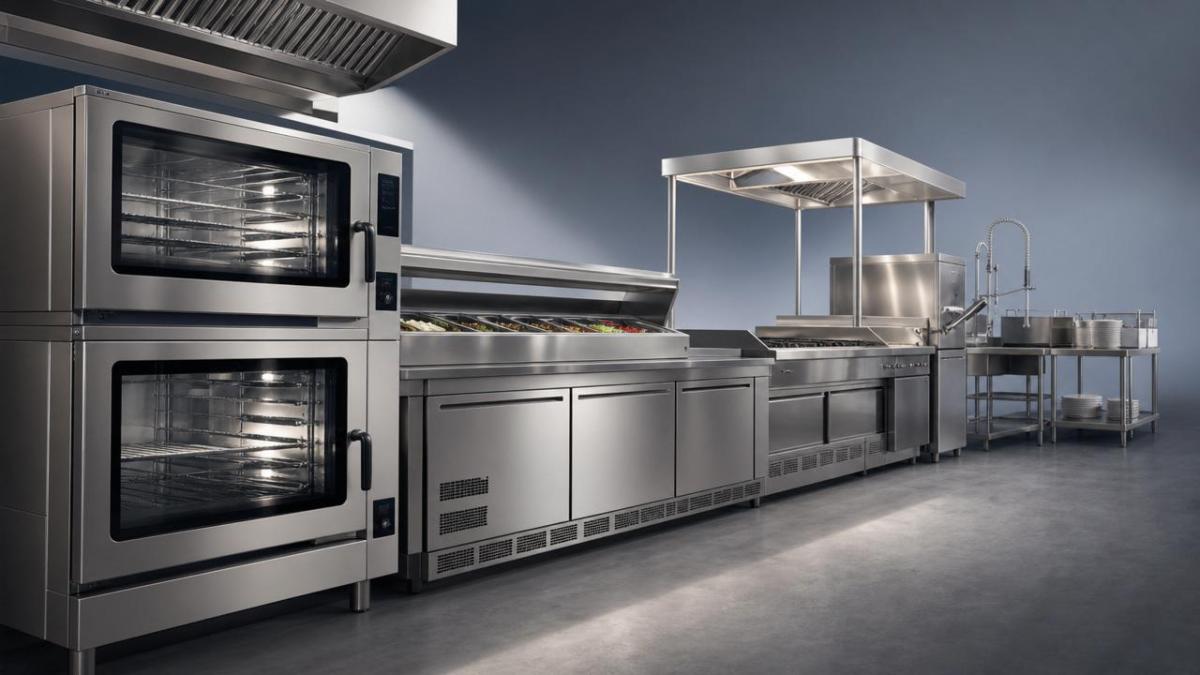
In hotel operations, not every machine works at the same intensity. Some units are used occasionally for events or seasonal menus, while others run from early breakfast preparation through late-night room service. When buyers evaluate restaurant kitchen equipment for hotels, the most important question is often not what looks impressive in a catalog, but what supports daily production without creating bottlenecks.
The daily-use core usually includes cooking lines, refrigeration, preparation stations, warewashing systems, holding equipment, ventilation support, and food safety tools. In a hotel environment, these systems must handle mixed service models: buffet breakfast, à la carte dining, staff meals, banquet production, minibar support, and occasional high-volume peak periods.
For decision-makers, this means restaurant kitchen equipment for hotels should be judged by service rhythm, utility consumption, output consistency, cleaning workload, and downtime risk. Equipment that saves only a few seconds per cycle can create meaningful labor savings across hundreds of covers per day.
- Breakfast-heavy hotels rely heavily on combi ovens, hot holding, refrigerated prep counters, dishwashing, and beverage support equipment.
- Banquet-focused properties place daily pressure on bulk cooking, blast chilling, transport carts, and warewashing capacity.
- Urban business hotels often need compact restaurant kitchen equipment for hotels that can support quick menu turnover with limited back-of-house space.
The equipment categories that matter most in day-to-day hotel kitchens
The most frequently used assets are not always the largest or most expensive. A medium-capacity prep refrigerator or a reliable undercounter dishwasher may influence service stability more than a specialty appliance used twice a week. Daily-use planning should therefore prioritize frequency, cross-shift usage, and ease of sanitation.
The table below summarizes the restaurant kitchen equipment for hotels that typically sees the highest daily utilization across common hotel foodservice formats.
This comparison shows why restaurant kitchen equipment for hotels should be selected by workflow relevance rather than by headline specifications alone. A hotel that underestimates dishwashing output or refrigerated prep capacity often experiences service delays even when its cooking line appears well equipped.
How do hotel service scenarios change equipment priorities?
Hotel kitchens differ from standalone restaurants because they support several operating patterns in one facility. Equipment that performs well in a lunch-and-dinner restaurant may not fit a property serving 300 breakfast covers in a two-hour window, followed by coffee break support, banquet prep, and late-night orders.
Breakfast service
Breakfast demands speed, repeatability, and holding quality. Heated display units, induction warmers, egg stations, toasters, coffee systems, refrigerated milk storage, and compact ovens can all become daily essentials. Here, restaurant kitchen equipment for hotels should reduce queue time and simplify replenishment.
Banquet and event production
Banquet operations need bulk cooking, staging, transport, and regeneration. Combi ovens, roll-in racks, blast chillers, hot holding cabinets, and mobile shelving often deliver more value than niche specialty units. The wrong choice can increase labor and compromise plating consistency during high-volume events.
Room service and all-day dining
Room service relies on compact, always-ready equipment. Small fryers, griddles, salamanders, microwaves for controlled regeneration, and hot holding units may carry daily demand. In these scenarios, restaurant kitchen equipment for hotels must support quick turnaround, low idle waste, and simple overnight cleaning.
The table below helps buyers align hotel operating scenarios with the right equipment focus instead of using a one-size-fits-all purchasing plan.
This mapping is especially useful when comparing restaurant kitchen equipment for hotels across new builds, renovations, and phased upgrades. The right mix depends on service volume, not just the number of guest rooms.
What should buyers evaluate beyond price?
Price matters, but hotel buyers rarely benefit from choosing the lowest upfront figure. Daily-use kitchen equipment affects labor allocation, energy use, food safety routines, and maintenance frequency. A lower initial purchase cost may become more expensive if the machine slows production, requires excessive cleaning, or cannot handle real peak volume.
Five decision factors that usually matter more than sticker price
- Throughput under peak conditions. A dishwasher or oven should be evaluated at realistic service intensity, not ideal laboratory conditions.
- Energy and water consumption. Restaurant kitchen equipment for hotels runs daily, so utility costs accumulate quickly across years of operation.
- Ease of sanitation. Smooth surfaces, removable components, and accessible drainage reduce labor and support food safety compliance.
- Serviceability and spare part access. Downtime during occupancy peaks can impact both guest experience and banquet commitments.
- Digital control and monitoring. Smart kitchen features can help track temperature, recipes, holding time, and preventive maintenance.
The broader kitchen equipment industry is moving toward automation, intelligence, and energy efficiency. For hotels, this trend is not just about innovation. It is about reducing waste, coping with labor pressure, and improving operational visibility across multiple service periods.
How to build a practical procurement plan for restaurant kitchen equipment for hotels
A sound procurement process begins with operational mapping. Buyers should first define meal volumes, menu complexity, utility constraints, staffing model, and cleaning capacity. Only then should they compare product categories, capacity ranges, and layout options.
Recommended procurement sequence
- Audit current and projected demand by breakfast covers, banquet size, room service frequency, and production shifts.
- Identify the equipment used daily and classify it as mission-critical, support-critical, or occasional-use.
- Confirm site conditions such as gas or electric supply, drainage, ventilation, door clearances, and installation access.
- Compare life-cycle cost, not just acquisition cost, including maintenance intervals and operator training needs.
- Request documentation on dimensions, technical parameters, cleaning routines, and common replacement parts.
This approach helps procurement teams avoid common mistakes such as oversized cooklines, undersized storage, or incompatible equipment footprints. In restaurant kitchen equipment for hotels, layout efficiency can be as valuable as machine performance.
Cost, alternatives, and upgrade choices
Not every hotel needs a full replacement. In many projects, the better strategy is to upgrade the highest-use equipment first. Decision-makers often gain faster returns by replacing an inefficient dishwasher, adding a better combi oven, or improving refrigerated prep capacity before investing in low-frequency specialty units.
Where phased investment usually makes sense
- Replace old refrigeration when temperature fluctuation causes spoilage risk or compressor strain.
- Upgrade warewashing when labor hours are rising because of slow rack turnover or poor drying.
- Shift to multi-function equipment when kitchen footprint is limited and menu variety is expanding.
- Add digital monitoring tools when compliance documentation and consistency become management priorities.
Alternatives should also be considered carefully. For example, a compact combi oven may replace several single-function appliances in a smaller hotel kitchen. An undercounter refrigerator near the line may improve output more than expanding dry storage. The right restaurant kitchen equipment for hotels is the combination that improves workflow per square meter.
What standards, safety, and compliance issues should hotels review?
Commercial kitchens operate under strict expectations for hygiene, electrical safety, food contact materials, ventilation compatibility, and temperature control. While requirements vary by market, buyers should look for clear technical documentation and ensure the selected restaurant kitchen equipment for hotels can support local compliance checks and internal operating procedures.
Key compliance checkpoints
- Food-safe surfaces that are durable, corrosion-resistant, and practical to clean in commercial use.
- Temperature performance suitable for cold holding, hot holding, cooking, or regeneration applications.
- Electrical, gas, and ventilation compatibility with local installation standards and facility design.
- Operator safety features such as insulated handles, guarded moving parts, and stable loading systems.
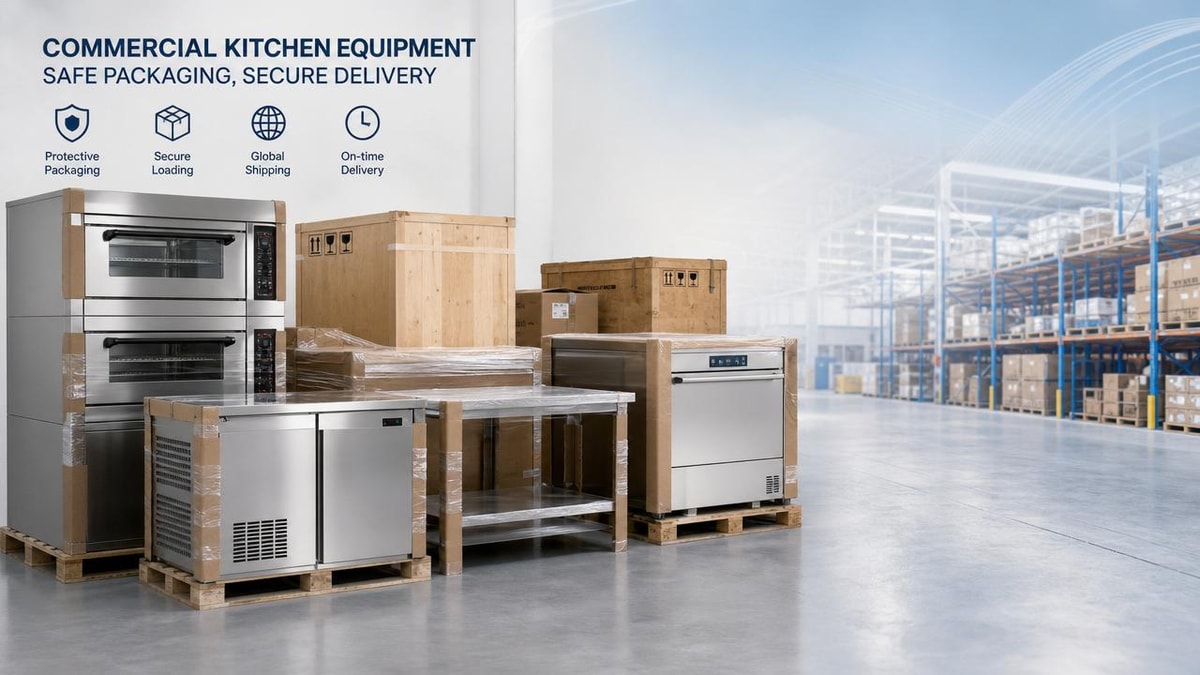
For international sourcing, documentation quality matters. Hotels often benefit from suppliers that can support parameter confirmation, installation guidance, spare part planning, and coordination with project teams across regions.
Common mistakes buyers make with restaurant kitchen equipment for hotels
Mistake 1: buying for menu ambition instead of daily reality
A kitchen may aspire to offer broad culinary options, but procurement should start with the equipment used every day. Specialty appliances that support rare dishes should not displace budget needed for core refrigeration, dishwashing, or hot holding.
Mistake 2: focusing on output but ignoring cleaning time
In hotel environments, labor efficiency includes shutdown and reset time. Equipment that performs well during service but requires excessive dismantling or difficult sanitation can create hidden operating costs.
Mistake 3: underestimating future growth
A property with modest current occupancy may later add banqueting, expanded breakfast service, or new dining outlets. Restaurant kitchen equipment for hotels should allow reasonable growth without forcing an immediate full redesign.
FAQ about restaurant kitchen equipment for hotels
How do I know which equipment deserves the largest share of budget?
Start with the stations touched in every shift: refrigeration, cookline, dishwashing, prep, and holding. Review service logs, menu mix, and peak cover counts. In most hotels, these categories influence daily labor and guest satisfaction far more than occasional-use appliances.
Are smart features worth paying for in hotel kitchens?
Often yes, especially when they support recipe consistency, temperature logging, energy monitoring, or preventive maintenance alerts. Smart restaurant kitchen equipment for hotels can help managers standardize output across shifts and reduce avoidable waste, provided staff training is included.
Should hotels choose multi-function equipment or separate machines?
That depends on menu complexity, footprint, and service peaks. Multi-function equipment is often a strong fit for compact kitchens or flexible menus. Separate machines may be better where simultaneous high-volume production is required across different menu categories.
What information should suppliers provide before quotation approval?
Ask for dimensions, utility requirements, operating parameters, cleaning method, expected throughput, installation notes, and spare part considerations. For restaurant kitchen equipment for hotels, these details are essential for layout coordination and total cost evaluation.
Why choose us for restaurant kitchen equipment for hotels?
Hotel kitchen projects require more than product supply. They require practical matching between service scenarios, kitchen workflow, operating cost, and long-term upgrade potential. We focus on helping buyers identify what gets used daily, what should be phased in, and how to balance output, compliance, and efficiency across hotel foodservice operations.
You can contact us to discuss equipment parameters, product selection for breakfast and banquet kitchens, delivery lead times, utility matching, layout coordination, sample support where applicable, certification-related documentation, and quotation planning for new projects or replacement purchases. If you are comparing restaurant kitchen equipment for hotels across different capacity levels or sourcing regions, we can help structure the decision around actual operating needs rather than generic specifications.
Popular Tags
Kitchen Industry Research Team
Dedicated to analyzing emerging trends and technological shifts in the global hospitality and foodservice infrastructure sector.
Industry Insights
Join 15,000+ industry professionals. Get the latest market trends and tech news delivered weekly.
No spam. Unsubscribe anytime.
Contact With us
Contact:
Anne Yin (Ceramics Dinnerware/Glassware)
Lucky Zhai(Flatware)