
Porcelain Cereal Bowl Durability Is Not Just About Thickness
When choosing a porcelain cereal bowl, durability is about far more than thickness alone. For buyers, operators, and decision-makers in kitchen innovation and kitchen automation, understanding material composition, firing quality, and daily-use performance is essential. Compared with a ceramic breakfast bowl or ceramic rice bowl, the right porcelain option can deliver better strength, appearance retention, and long-term value in both commercial and household settings.
Why bowl durability depends on more than wall thickness
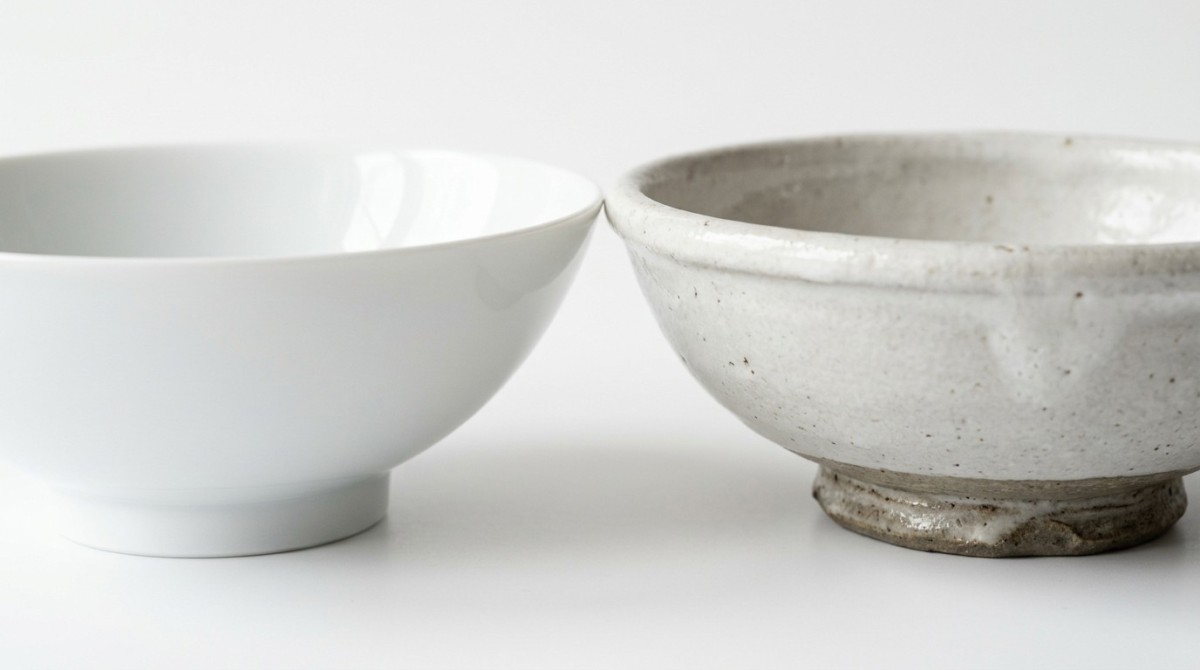
Many sourcing teams still judge a porcelain cereal bowl by feel alone. A heavier bowl often seems safer, but practical durability is determined by a combination of body formulation, firing temperature, glaze fit, rim design, and resistance to thermal and mechanical stress. In restaurants, hotels, central kitchens, and retail channels, these factors matter more than simply adding extra millimeters to the wall.
For operators, the real question is not whether a bowl feels thick in the hand, but whether it survives repeated use cycles. A commercial bowl may face 2-4 wash cycles per day, stacking pressure during service, short transport drops, and contact with metal cutlery. If the porcelain body is poorly vitrified or the rim is not reinforced, even a thick bowl can chip early.
For procurement managers, thickness also affects logistics. Extra material increases shipping weight, storage load, and handling fatigue. In high-volume purchasing, even a modest weight increase per bowl can influence freight planning, carton count, and replenishment cost over a 6-12 month cycle. Durable design should therefore balance strength, appearance, and operating efficiency.
In the kitchen equipment industry, this broader view aligns with current market priorities: safety, efficiency, and lifecycle value. As foodservice systems become more automated and data-driven, tableware is also expected to support smoother washing, stacking, transport, and replacement planning. A porcelain cereal bowl should be assessed as part of the overall kitchen workflow, not as an isolated item.
What actually drives service life in daily use
A bowl’s service life usually depends on 5 core factors. First is porcelain body density, which affects resistance to water absorption and cracking. Second is glaze compatibility, because a glaze-body mismatch may lead to crazing or surface weakness over time. Third is rim geometry, especially in bowls used for self-service, conveyor handling, or frequent stacking. Fourth is thermal stability. Fifth is consistency from batch to batch.
- Body formulation: A well-formulated porcelain body is generally denser and less porous than standard stoneware or lower-fired ceramic alternatives.
- Firing quality: Stable kiln control and adequate firing range are critical for hardness, whiteness, and structural integrity.
- Rim and foot design: Impact stress often concentrates at the rim and foot ring, not in the middle wall section.
- Use environment: Manual washing, dishwashing chemicals, stacking height, and transport vibration all influence breakage rates.
This is why a thinner but better-made porcelain cereal bowl can outperform a thicker ceramic breakfast bowl in real operations. For buyers comparing suppliers from different manufacturing hubs, asking about process stability and use conditions will produce a better decision than focusing only on visible thickness.
A practical rule for commercial evaluation
A useful evaluation method is to review 3 dimensions together: material quality, process consistency, and operational fit. If only one dimension looks strong, the bowl may still underperform. This three-part check is especially relevant for hotels, canteens, and chain restaurants where replacement planning is tied to budget cycles, brand presentation, and service continuity.
Porcelain cereal bowl vs ceramic breakfast bowl: what buyers should compare
The terms porcelain cereal bowl, ceramic breakfast bowl, and ceramic rice bowl are often used interchangeably in the market, but they do not always describe the same performance level. “Ceramic” is a broad category. Porcelain is a more specific material group, generally associated with a denser body and higher firing maturity. For procurement teams, this distinction affects durability, appearance retention, and replacement cost.
When products look similar on a webpage or in a catalog, differences show up later in service. One bowl may hold gloss and color after 9-18 months of dishwashing, while another may develop visible wear, edge chips, or glaze marking much sooner. That is why comparison should include use-cycle behavior, not only initial sample appearance or unit price.
The table below helps buyers compare common decision points across porcelain and general ceramic categories. These are practical considerations rather than fixed universal values, because final performance depends on production quality, design, and operating conditions.
This comparison does not mean every porcelain cereal bowl is automatically better. A poorly manufactured porcelain bowl may still fail faster than a well-made ceramic rice bowl. However, for buyers managing repeated use, brand image, and total cost over 12-24 months, porcelain often offers a stronger balance between durability and presentation.
Which users benefit most from porcelain
Porcelain cereal bowls are especially suitable for 4 user groups. The first is hospitality operators who need visual consistency across breakfast service. The second is chain restaurants that manage recurring replacement volumes. The third is procurement teams that want lower hidden cost from breakage and complaints. The fourth is retail buyers seeking a product with stronger consumer-perceived quality.
In household channels, buyers may accept a higher unit price if the bowl maintains appearance for years. In commercial kitchens, the analysis is more operational: stacking efficiency, wash performance, and breakage control matter every week. That is where a stronger porcelain specification can make a measurable difference.
What technical indicators should procurement teams review first?
A serious procurement review for a porcelain cereal bowl should start with a short list of technical indicators rather than visual preference alone. In most sourcing projects, 5 key checkpoints are enough to filter weak options early: body consistency, glaze finish, rim strength, dimensional stability, and dishwashing suitability. These checks can often be completed during sample review and pilot use within 7-15 days.
For B2B buyers, dimensional consistency matters because bowls must fit racks, shelves, and stacked storage. Even a small deviation can affect packing stability or machine washing flow. In kitchen systems that emphasize efficiency and standardization, consistent bowl size improves handling and reduces small but frequent operational friction.
The following table summarizes practical indicators that can be used during supplier screening. These are not brand-specific laboratory claims. They are common evaluation items that help users compare products on a like-for-like basis.
For most procurement teams, these indicators are more useful than asking only for “thicker porcelain.” They reveal how the bowl will behave during transport, storage, service, and cleaning. This is the level of review expected in modern kitchen equipment sourcing, where each item must support safety, workflow stability, and operating cost control.
A 4-step sampling process before mass order
- Visual and dimensional review: Confirm color tone, finish, capacity range, and stackability on arrival.
- Operational simulation: Use the bowls in actual breakfast, rice, or soup service for 3-7 days.
- Wash-cycle check: Evaluate changes after repeated commercial or household dishwashing.
- Damage review and supplier feedback: Record chip points, handling issues, and packing concerns before final quotation.
This 4-step method helps align technical performance with user expectations. It is also useful when sourcing across regions such as Asia, Europe, or multi-country supply programs, where product photos alone cannot show process consistency.
Which application scenarios need stronger porcelain bowl specifications?
Not every use case requires the same porcelain cereal bowl specification. A retail household line may prioritize appearance and hand feel. A hotel breakfast station may need elegant presentation plus high dishwashing stability. A staff canteen may focus on stackability, cost control, and resistance to accidental impact. Matching bowl design to scenario avoids both overbuying and underperforming.
In commercial foodservice, demand often falls into 3 intensity levels: moderate use, high-frequency use, and high-turnover institutional use. Each level influences thickness strategy, rim profile, packing protection, and replacement planning. This scenario-based approach is more practical than assuming one bowl can optimize all environments equally.
The table below shows how application scenarios affect selection logic. This is especially relevant for procurement personnel balancing budget, appearance, and lifecycle cost in the kitchen equipment industry.
This scenario mapping helps avoid a common sourcing mistake: buying a visually attractive bowl that does not match operational intensity. In high-turnover applications, breakage reduction over a 6-12 month period can matter more than saving a small amount on the initial unit cost.
How kitchen automation changes bowl selection
As kitchen workflows become smarter and more integrated, tableware selection increasingly interacts with equipment decisions. Dishwashing systems, storage racks, digital inventory tracking, and standardized serving lines all benefit from predictable bowl dimensions and reliable durability. This is why buyers in modern kitchen projects often review bowls together with racks, trays, washing capacity, and replenishment plans.
For example, if a bowl chips frequently at the foot ring, the issue is not only replacement cost. It can slow sorting, create hygiene concerns, and increase inspection time for staff. In an efficiency-focused operation, even small defects repeated every day can reduce workflow quality.
Common buying mistakes, compliance points, and long-term cost control
One of the biggest mistakes in porcelain cereal bowl purchasing is treating the order as a simple commodity decision. In reality, buyers should also review food-contact suitability, packaging protection, sample consistency, and post-delivery inspection criteria. For imported or multi-market programs, it is wise to clarify applicable food-contact compliance expectations early, especially when serving commercial hospitality or retail distribution channels.
Common standards and declarations vary by market, so buyers should request the relevant documentation according to destination requirements rather than assuming one document fits all regions. For kitchen equipment and tableware sourcing, this reduces customs risk, avoids project delays, and supports more efficient internal approval by quality and compliance teams.
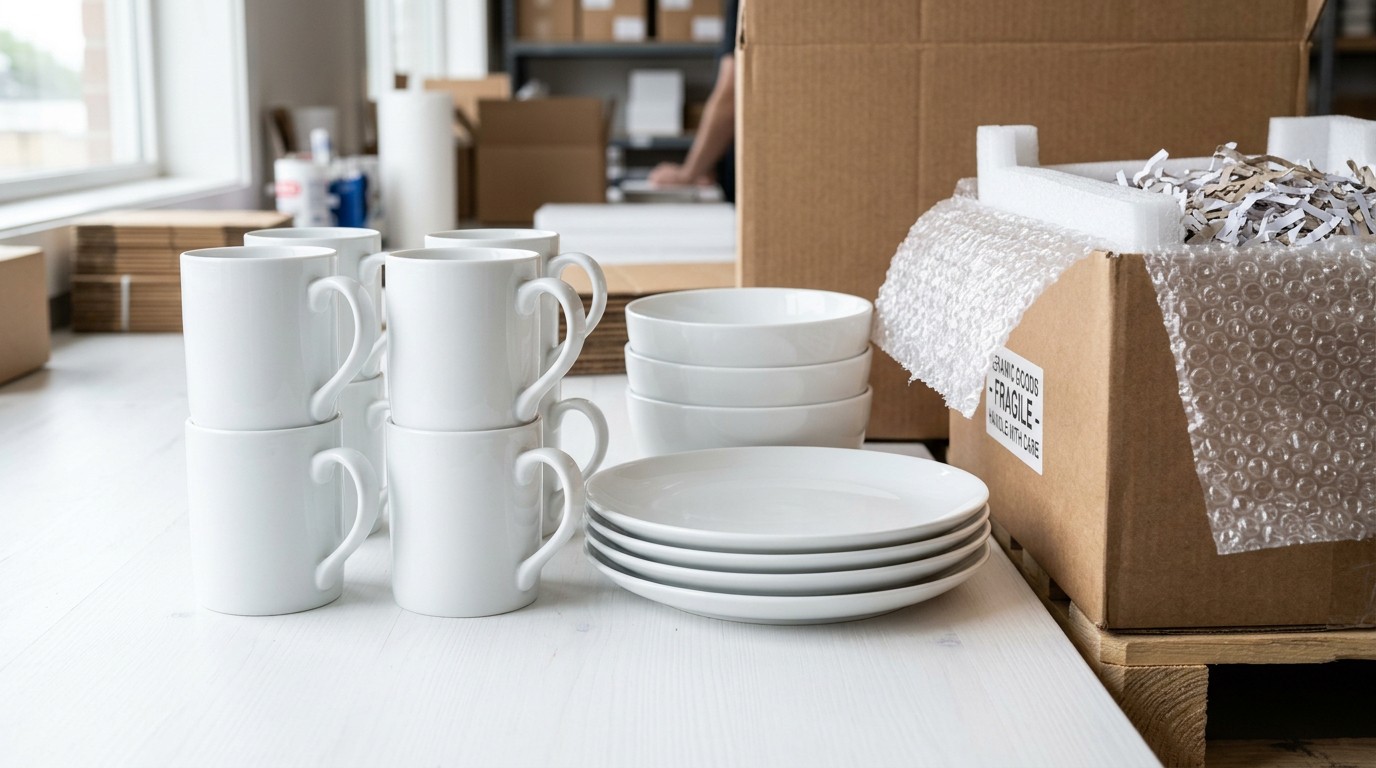
Another mistake is ignoring packaging design. Many bowl failures happen before first use, especially in long-distance shipping. A durable porcelain cereal bowl still needs proper carton layout, dividers, and pallet handling. For international orders with 2-6 week transit windows, inadequate packaging can erase the advantage of a good product body.
3 cost questions every decision-maker should ask
- What is the expected replacement rate over 6-12 months under actual operating conditions?
- Does added bowl weight increase freight, labor handling, or storage burden enough to offset any perceived strength benefit?
- Can the supplier maintain consistent quality across repeat orders, not just the first approved sample?
These questions shift the discussion from purchase price to total operating value. For enterprise buyers, this is the right framework. A lower-cost ceramic breakfast bowl may fit a short-term budget, but if it increases breakage, appearance complaints, or replacement effort, the actual cost per use may be less favorable.
FAQ: questions buyers and users often ask
Is a thicker porcelain cereal bowl always more durable?
No. Thickness can help in some designs, but it is only one variable. Material density, rim design, glaze fit, and firing quality often have a greater influence on long-term performance. A balanced bowl with a strong rim and stable body can outperform a heavier bowl that is poorly made.
How many samples should be tested before placing a bulk order?
For most commercial projects, testing 3-5 candidate samples is a practical starting point. Run them through actual service and wash conditions for 7-15 days if possible. This helps reveal chip risk, handling comfort, and washing effects before committing to larger volume.
What matters more for foodservice use: appearance or impact resistance?
Both matter, but the priority depends on the scenario. Premium hospitality often emphasizes appearance retention and white-tone consistency. Institutional or high-turnover operations usually prioritize impact resistance, stackability, and cost per use. A good sourcing decision ranks these factors according to the actual service model.
How long is a typical lead time?
Lead time varies by order volume, decoration complexity, and supplier scheduling. For standard items, buyers often plan several weeks for production and shipping coordination. If custom packaging, logo work, or compliance review is required, the full cycle may be longer. Confirming timelines at the quotation stage reduces later supply pressure.
Why choose us for porcelain bowl selection and project support
Choosing the right porcelain cereal bowl is easier when product selection is connected to kitchen operations, procurement control, and long-term use value. We support buyers, operators, and decision-makers with a structured review process that goes beyond thickness claims. The goal is to help you compare options clearly, reduce selection risk, and align bowl performance with your foodservice or retail application.
You can consult us on practical topics such as capacity confirmation, bowl shape selection, rim durability review, packing method, delivery cycle planning, sample support, and destination-market compliance preparation. If you are comparing a porcelain cereal bowl with a ceramic breakfast bowl or ceramic rice bowl, we can help translate those differences into sourcing decisions that match your budget and use intensity.
For commercial kitchen, hospitality, and distribution projects, we can also discuss multi-scenario recommendations, repeat-order consistency concerns, and how tableware choices fit broader kitchen equipment planning. This is particularly useful for buyers managing restaurant openings, hotel upgrades, central kitchen supply, or cross-border sourcing programs.
If you are preparing a new order, send your target capacity, usage scenario, estimated quantity, delivery window, and any packaging or certification requirements. We can help you narrow down suitable porcelain bowl options, review sample priorities, clarify lead time expectations, and support quotation discussions with a more efficient and technically grounded approach.
Popular Tags
Kitchen Industry Research Team
Dedicated to analyzing emerging trends and technological shifts in the global hospitality and foodservice infrastructure sector.
Industry Insights
Join 15,000+ industry professionals. Get the latest market trends and tech news delivered weekly.
No spam. Unsubscribe anytime.

Contact With us
Contact:
Anne Yin (Ceramics Dinnerware/Glassware)
Lucky Zhai(Flatware)