
Ceramic ramen bowl depth and rim shape both affect presentation
A ceramic ramen bowl does more than hold noodles—it shapes how the dish looks, feels, and performs in service. From bowl depth that supports broth, toppings, and heat retention to rim shape that influences plating and ease of use, these details matter for daily kitchen operations. Understanding both elements helps operators choose bowls that improve presentation, consistency, and the overall dining experience.
For most users and kitchen operators, the main question is practical: which ceramic ramen bowl design makes ramen look better while still working efficiently during service? The short answer is that both depth and rim shape directly affect portion balance, topping visibility, broth management, handling comfort, and even how guests perceive quality at first glance.
That means bowl selection should not be treated as a purely decorative choice. A bowl that is too shallow can make broth look sparse, crowd toppings, and lose heat faster. A bowl with the wrong rim can make plating less precise, increase spills, or reduce the visual framing that helps ramen appear premium. For operators, these details influence presentation consistency just as much as recipe execution does.
This article focuses on what matters most for end users and operators: how bowl depth changes plating and function, how rim shape affects appearance and usability, what combinations work for different ramen styles, and how to choose a bowl that supports smooth daily operations rather than creating extra service problems.
Why bowl depth matters more than many operators expect
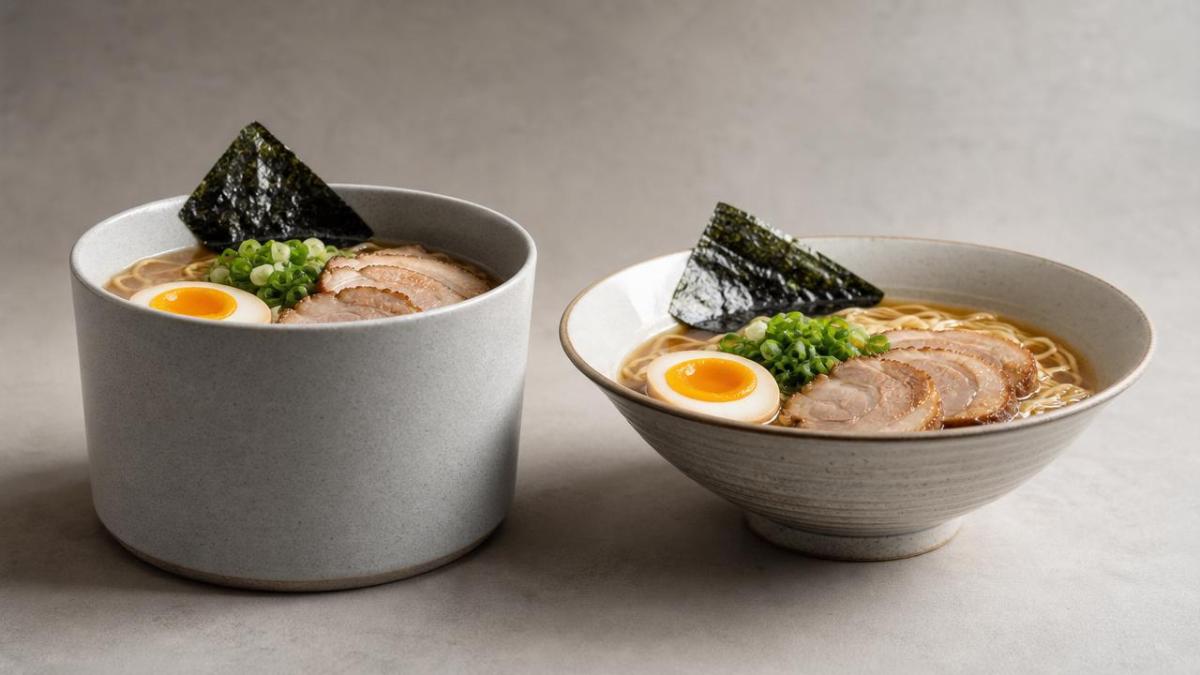
Depth is one of the most important performance factors in a ceramic ramen bowl because ramen is a layered dish. It contains broth, noodles, tare, oil, toppings, and steam, all of which need enough vertical space to sit naturally without looking compressed. A deeper bowl creates room for those elements to stack in a way that feels abundant rather than crowded.
From a presentation standpoint, depth helps separate visual layers. Broth stays below the main toppings, noodles can settle without overflowing, and garnishes such as chashu, scallions, ajitama, nori, or corn remain visible. This separation gives the bowl a cleaner, more intentional appearance. Guests often read that visual order as a sign of higher quality, even before tasting the food.
Depth also affects perceived portion size. Interestingly, a well-proportioned deep bowl can make a standard serving look generous because the ingredients appear properly nested in the vessel. In contrast, a shallow bowl may expose too much surface area and make the same broth volume look thin. For operators trying to maintain a premium feel without overfilling, this visual effect matters.
There is also a functional side. Deeper bowls retain heat better because the broth is less spread out and more protected from fast exposure to ambient air. In busy service periods, that extra retention window can help ramen reach the table in better condition. This is especially useful in restaurants where bowls may sit briefly at the pass before delivery.
However, deeper is not always better. If the bowl is excessively deep relative to its opening, toppings can become visually hidden, making the ramen look heavy or cramped. Staff may also find it harder to arrange ingredients neatly, especially when trying to angle slices of meat or place eggs and greens for maximum visibility. The best depth supports structure without burying the dish.
For operators, the ideal depth usually depends on broth-heavy styles, serving size, and plating routine. Tonkotsu, miso, and other rich ramen styles often benefit from more depth because they carry substantial broth and layered toppings. Lighter ramen styles can still use deep bowls, but they may need a wider opening to keep the presentation open and elegant.
How rim shape changes the way ramen looks on the table
Rim shape is often overlooked because it seems secondary to bowl size, but it has a strong influence on visual framing. The rim acts like the border of a picture. It affects how the guest’s eye moves toward the center of the bowl and how clearly the ingredients are defined. In presentation terms, the rim is not just an edge—it is part of the dish.
A slightly flared rim can create a broader visual stage for toppings. It helps ingredients appear more open and easier to read from above. This can be beneficial for ramen styles with colorful garnishes or carefully arranged proteins, because the flare invites attention to the top layer and can make the bowl appear more elegant and generous.
A straighter or more vertical rim usually creates a tighter, more contained look. This can make ramen feel hearty, focused, and substantial. For shops that want a bold, traditional, or comfort-oriented presentation, a more upright rim can reinforce that identity. It keeps the visual emphasis concentrated toward the center, which works well for dense, rich bowls.
The thickness of the rim also matters. A thicker rim often feels durable and substantial in the hand, which may support a rustic or premium style depending on glaze and finish. A thinner rim can look more refined, but it may not always communicate the same strength for heavy commercial use. Operators need to balance visual appeal with handling demands and expected wear.
Rim curvature has a practical effect as well. Bowls with a thoughtful rim contour can reduce drips during carrying and make the bowl easier to lift from a tray or tabletop. Some shapes also improve the drinking experience when guests sip broth directly. For ramen, where broth consumption is part of the dining ritual, this usability detail is not minor.
Another important point is how the rim frames the broth line. If the rim opens too widely, the broth may look shallow unless the bowl is filled more aggressively, which can complicate portion control. If the rim is too closed, toppings can look crowded. The right rim shape gives enough openness for visual appeal while preserving a defined, satisfying broth depth.
How depth and rim shape work together in real presentation
Depth and rim shape should not be judged separately. A ceramic ramen bowl performs best when those two features work together to support the intended style of service. In real kitchens, visual success usually comes from proportion rather than any single measurement. A deep bowl with the wrong rim can still make ramen look awkward, while a balanced design can elevate even a simple bowl of noodles.
For example, a deep bowl with a gently flared rim often works well for ramen that needs to look abundant but not crowded. The depth holds broth and heat, while the flare gives toppings space to display naturally. This combination is common in bowls designed for visually rich presentations, especially when operators want the ramen to photograph well for marketing and social sharing.
By contrast, a medium-deep bowl with a more vertical rim can produce a compact, comforting appearance. This suits styles where the broth and noodles should feel central and substantial rather than spread outward. It may also help kitchens maintain a controlled, repeatable plating pattern because staff are working within a more defined visual frame.
The interaction also affects how toppings sit over time. In a well-matched bowl, ingredients settle gradually and still look composed when they reach the table. In a poorly matched bowl, toppings slide, broth splashes upward, or noodles pile too high above the broth line. These issues reduce visual consistency and can make service look less professional, even if the food itself is good.
Operators should think in terms of presentation goals. Do you want a dramatic top view with visible color contrast? Do you want a dense, warming, traditional feel? Do you want a house style that stays consistent across lunch rushes? The best bowl is the one whose depth and rim shape reinforce those goals without making plating slower or more difficult.
What kitchen operators care about during daily service
For users and operators, beauty alone is not enough. A ramen bowl must work well during prep, service, clearing, washing, and storage. This is where bowl depth and rim shape move from design details into operational factors. A bowl that looks impressive in a catalog but creates friction in service may cost more in the long run through breakage, slower plating, and inconsistent presentation.
One of the first operational concerns is plating speed. Staff need to place noodles, pour broth, and arrange toppings quickly and repeatedly. If the bowl is too narrow and deep, positioning toppings becomes awkward. If the rim shape does not guide the plating area clearly, staff may produce less consistent visual results from one order to the next.
Heat handling is another concern. Ceramic retains heat well, which is useful for ramen, but bowl shape affects how safely staff can carry it. A balanced rim and body profile can provide a more secure grip and reduce accidental contact with very hot surfaces. This matters in fast-paced kitchens where dozens or hundreds of bowls may be moved within a short period.
Cleaning and stacking also deserve attention. Some rim profiles stack neatly and safely, while others create unstable towers or trap water after washing. Deep bowls with dramatic flares may look attractive but take up more storage space. Operators working in compact kitchens should evaluate whether a bowl’s presentation value justifies its storage footprint and dishwashing behavior.
Durability matters as well. Rims are common impact points during transport and washing. A ceramic ramen bowl used in commercial environments should have a form that resists chipping while still supporting the desired visual style. In many cases, a slightly stronger rim profile offers a better long-term return than an ultra-delicate shape that looks elegant but wears poorly under daily use.
Finally, consistent presentation under pressure is often the biggest deciding factor. The right bowl helps average staff produce good-looking ramen reliably. That is often more valuable than a highly stylized bowl that only experienced staff can plate well. Operators should choose forms that support repeatable results, not just ideal results under controlled conditions.
How to choose the right ceramic ramen bowl for different ramen styles
Selection becomes easier when operators match bowl characteristics to menu style. For broth-rich ramen with multiple toppings, choose a bowl with enough depth to hold liquid comfortably and enough opening to keep ingredients visible. This helps preserve both abundance and clarity. A moderate flare can be especially useful when visual topping presentation is part of the brand experience.
For minimalist ramen styles, a bowl with cleaner lines and a slightly more contained rim may create a refined appearance. The ingredients do not need as much visual spread, so the bowl can focus the guest’s attention on broth color, noodle texture, and a few carefully chosen toppings. Here, simplicity in shape often supports a more premium impression.
If your operation serves oversized portions or premium add-ons, verify that the bowl can accommodate real service conditions rather than idealized plating. Extra chashu, more noodles, added vegetables, or larger eggs can quickly overwhelm a bowl that seemed sufficient on paper. Testing with full production portions is essential before standardizing any bowl choice.
Color and finish also interact with depth and rim shape. Dark glazes can intensify the appearance of broth and toppings, while lighter interiors may make colors pop more clearly. A deep bowl with a dark interior often creates a dramatic, focused presentation. A wider rim with a lighter interior can make the dish appear brighter and more open.
For multi-use menus, look for a ceramic ramen bowl that handles more than one ramen format without compromising too much on any single style. This can be useful for operations with limited inventory budgets or storage space. In that case, balanced proportions are usually safer than extreme shapes. Versatility often comes from moderate depth and a rim that is open but not too wide.
Whenever possible, involve the actual users—chefs, line staff, and service staff—in testing. They will quickly notice whether the bowl supports smooth motion, clear topping placement, and safe handling. Their feedback often reveals issues that procurement teams or managers may miss when evaluating bowls only by specifications or appearance samples.
A simple checklist before you commit to a bowl
Before selecting a ceramic ramen bowl for regular use, test it with actual ramen builds. Evaluate broth line, topping visibility, carrying comfort, stacking stability, and dishwashing behavior. A bowl should look good not only when freshly plated under ideal conditions, but also after a short hold time and during repeated commercial use.
Ask whether the depth supports your standard broth and noodle portion without making the bowl look empty or overcrowded. Check whether the rim shape helps frame the toppings in an appealing way. Observe whether staff can plate quickly and consistently. These are the most useful real-world indicators of value.
It is also wise to compare guest perception. Sometimes a small change in bowl shape noticeably improves how premium the ramen appears, even when the recipe remains unchanged. Because presentation influences perceived value, the right bowl can strengthen brand image and support menu pricing more effectively than many operators expect.
In the end, bowl selection is about fit. The best ceramic ramen bowl is not simply the deepest bowl or the most stylish rim. It is the one whose depth and rim shape align with your ramen style, your service speed, your staff workflow, and your visual standards. When those factors match, the bowl becomes an active tool in delivering a better dining experience.
Ceramic ramen bowl depth and rim shape both affect presentation in direct, practical ways. Depth influences layering, broth appearance, heat retention, and perceived generosity. Rim shape affects framing, topping visibility, usability, and overall style. For operators, understanding both features leads to better decisions, better consistency, and a stronger result at the table.
Popular Tags
Kitchen Industry Research Team
Dedicated to analyzing emerging trends and technological shifts in the global hospitality and foodservice infrastructure sector.
Industry Insights
Join 15,000+ industry professionals. Get the latest market trends and tech news delivered weekly.
No spam. Unsubscribe anytime.
Contact With us
Contact:
Anne Yin (Ceramics Dinnerware/Glassware)
Lucky Zhai(Flatware)