
What kitchen trade data says about demand in 2026
As global foodservice, hospitality, and food processing markets expand, kitchen trade is becoming a key signal of where demand will rise in 2026. From smart cooking systems to energy-efficient equipment and automated food preparation lines, trade data reveals how buyers are responding to cost pressures, safety standards, and operational efficiency. This article explores what kitchen trade trends suggest about the next wave of market demand.
Why kitchen trade data matters for 2026 demand planning
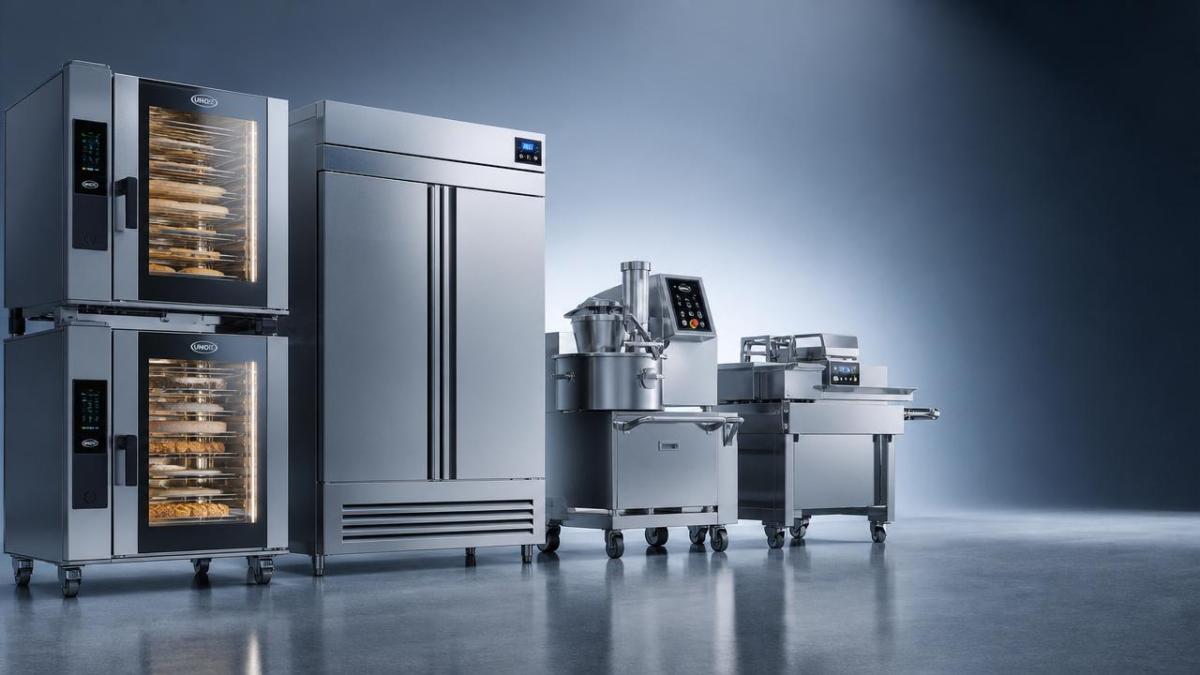
For information researchers, kitchen trade is more than a record of imports and exports. It is an early indicator of procurement confidence, replacement cycles, technology shifts, and regional investment priorities. When shipments of combi ovens, refrigeration units, food preparation lines, and digital kitchen systems rise across several markets at once, demand is usually building before it becomes obvious in public project announcements.
In 2026, reading kitchen trade correctly will require more than looking at volume alone. Buyers are changing what they purchase, why they purchase it, and how quickly they expect suppliers to deliver. Restaurants want labor-saving equipment. Hotels want consistent output and lower utility bills. Food processors want traceability, throughput, and compliance support. These priorities reshape the product mix moving through global kitchen trade channels.
A useful market reading combines several signals:
- Import growth by category, such as cooking, refrigeration, washing, or food processing equipment.
- Changes in average unit value, which often reflect movement toward smarter or more integrated systems.
- Shifts in source countries, which can show pricing pressure, localization, or risk diversification.
- Demand concentration in hospitality, central kitchen, institutional catering, or manufacturing segments.
Because the kitchen equipment industry serves both commercial and industrial users, kitchen trade trends often reflect broader economic behavior. A rise in bakery machinery or meal production lines can indicate expansion in convenience foods. Increased imports of induction cooking or heat recovery dishwashing systems can signal stronger energy regulation or utility cost pressure. In short, the trade flow tells a demand story long before many buyers finalize public procurement decisions.
What makes kitchen trade especially useful compared with general market forecasts?
General forecasts can describe sentiment, but kitchen trade shows where budgets are turning into transactions. That distinction matters. In uncertain markets, many operators talk about automation or energy savings, but only trade activity confirms which categories are actually being purchased. For research-driven decision makers, that makes trade data a practical filter against hype.
Which product categories are signaling stronger kitchen trade demand?
Not every product line is moving at the same pace. In the current kitchen trade environment, demand signals are strongest in equipment categories tied to labor reduction, food safety, energy efficiency, and standardized output. Buyers are increasingly favoring systems that reduce dependence on skilled manual work while improving consistency across multi-site operations.
The table below summarizes how major kitchen trade categories point to likely demand patterns in 2026.
The strongest pattern is clear: kitchen trade demand is shifting from simple standalone equipment toward systems that improve workflow, monitoring, and operating cost control. That does not mean low-tech equipment disappears. It means buyers are assigning more value to equipment that solves staffing, utility, and compliance issues at the same time.
Where basic equipment still performs well
Entry-level and mid-range products still have room in kitchen trade, especially in developing foodservice markets, independent restaurants, and cost-sensitive replacement projects. However, even these buyers are increasingly asking for durable components, simpler maintenance access, and better energy performance. The low-price-only model is becoming harder to defend if service life and utility costs are poor.
How regional kitchen trade patterns may shape market opportunities
Regional variation matters because 2026 demand will not rise evenly across the world. Mature markets often focus on replacement, retrofit, and digital upgrades. Emerging markets more often combine expansion demand with first-time equipment investment. That difference affects product specification, lead time expectations, and supplier strategy.
Typical regional demand drivers
- North America: replacement cycles, chain standardization, and labor-saving upgrades remain strong drivers in kitchen trade.
- Europe: energy efficiency, food safety compliance, and sustainability targets shape purchasing decisions across hospitality and institutional catering.
- Middle East: hotel development, tourism projects, and central production kitchens create demand for integrated commercial solutions.
- Southeast Asia and South Asia: urban foodservice growth, cloud kitchens, and food processing investment support rising imports across multiple equipment groups.
- Africa and Latin America: opportunity is growing, but buyers often balance performance targets against budget and service infrastructure constraints.
On the supply side, countries such as China, Germany, Italy, and Japan remain influential because they serve different parts of the value spectrum. Some buyers prioritize flexible manufacturing and competitive cost. Others value engineering precision, process stability, or specialized application design. As a result, kitchen trade flows are likely to remain diversified rather than consolidating around a single sourcing model.
Why diversification will matter more in 2026
Importers are more cautious about depending on one source country, one logistics corridor, or one specification strategy. Trade friction, freight variability, and project deadlines are forcing buyers to think in terms of resilience. For researchers and procurement teams, this means kitchen trade analysis should include supplier flexibility, component availability, and after-sales support capacity, not just export volume.
What buyers are really looking for behind the kitchen trade numbers
Trade data shows movement, but the deeper question is why buyers select one solution over another. Across restaurants, hotels, central kitchens, and food processors, several decision themes appear repeatedly. These themes explain much of the product mix shift visible in kitchen trade.
The following comparison highlights how demand logic varies by application scenario.
This is why kitchen trade should not be interpreted as a single global trend. The same rise in imports can mean expansion in one market, replacement in another, and compliance-driven modernization in a third. Researchers who map trade flow against end-use context will have a more accurate picture of real demand.
Four buying priorities that keep appearing
- Lower operating cost. Buyers increasingly compare energy, water, detergent, and labor use over the equipment lifecycle.
- Operational simplicity. Touch controls, recipe memory, remote monitoring, and easy cleaning support lean staffing models.
- Compliance readiness. Materials, hygiene design, temperature control, and documentation all matter more in regulated environments.
- Supply assurance. Lead time, spare parts planning, installation guidance, and service responsiveness now influence sourcing decisions earlier in the process.
How to use kitchen trade data for procurement and product selection
For an information researcher, the most practical question is not whether kitchen trade is growing, but how that information should guide a sourcing shortlist. The best approach is to connect trade signals with your project type, operating environment, and compliance obligations.
A practical evaluation sequence
- Define the application clearly. A quick-service kitchen, a five-star hotel, and a frozen meal processor should never use the same evaluation logic.
- Match demand trends to operational pain points. If staffing is unstable, automation may matter more than initial purchase price. If utility costs are high, energy performance may move to the top of the list.
- Check likely standards and documentation needs. Depending on market and use case, buyers may review food-contact materials, electrical safety, sanitation design, or energy-related declarations.
- Compare landed cost, not factory price alone. Freight, duties, installation, maintenance access, and spare parts often change the true value equation.
- Ask whether the supplier can adapt. Voltage, kitchen layout, workflow integration, and local code expectations frequently require specification adjustments.
This method helps convert kitchen trade observations into a useful procurement framework. It also protects buyers from following a trend that fits the market in general but not their own operating model.
Common selection mistakes
- Choosing by nominal capacity without checking peak-hour workflow and recovery time.
- Ignoring cleaning design and maintenance access in high-frequency commercial use.
- Assuming premium automation always pays back, even in low-volume or unstable menu environments.
- Treating certification language as interchangeable across all destination markets.
Compliance, standards, and cost pressures influencing kitchen trade
One reason kitchen trade is moving toward more advanced equipment is that compliance and cost are increasingly linked. Safer materials, better insulation, improved temperature control, and more efficient motors or heating systems can reduce risk and ongoing expense together. Buyers no longer separate regulatory fit from business performance as sharply as before.
While exact requirements vary by market, researchers commonly review the following areas when assessing international kitchen trade options:
- Electrical safety and compatibility for the destination country or region.
- Food-contact material suitability and sanitation-friendly construction.
- Energy efficiency disclosures or performance positioning where utility cost is a major purchasing factor.
- Documentation support for installation, operation, maintenance, and spare parts identification.
Cost pressure will remain a defining force in 2026. Yet many buyers are learning that the cheapest sourcing route in kitchen trade can become expensive if lead times slip, service is weak, or energy consumption is high. That is especially true for equipment expected to run daily under heavy load.
FAQ: key questions researchers ask about kitchen trade in 2026
How can kitchen trade data help identify future demand before competitors do?
Track category-level movement, not only total trade value. Growth in specific lines such as intelligent cooking, cold-chain equipment, or automated preparation systems often points to practical demand shifts. Cross-check these signals with hospitality investment, chain expansion, labor availability, and food processing capacity plans in target markets.
Which kitchen trade segments are likely to grow fastest in 2026?
Segments connected to labor efficiency, digital control, and energy management are positioned well. That includes smart cooking systems, central kitchen processing solutions, efficient refrigeration, and sanitation equipment designed for higher throughput. Growth may vary by region, but these categories align closely with current operator pain points.
What should buyers check when comparing suppliers in the kitchen trade market?
Review specification clarity, voltage and installation adaptability, lead time reliability, maintenance access, spare parts planning, and destination-market documentation. It is also wise to ask how the supplier supports customized layouts, workflow integration, and project scheduling for restaurants, hotels, or processing facilities.
Is high automation always the right answer in kitchen trade procurement?
No. Automation should match labor cost, output volume, menu stability, and operator skill level. In some cases, semi-automated or modular solutions provide a better balance of investment and flexibility. The best kitchen trade choice is the one that improves real operating performance, not simply the one with the most features.
Why informed buyers will use kitchen trade signals differently in 2026
The most valuable insight from kitchen trade is not that demand exists, but that demand is becoming more selective. Buyers want equipment and systems that help them manage labor shortages, food safety obligations, utility costs, and output consistency at the same time. That is why the strongest signals point toward integrated, efficient, and application-specific solutions rather than generic hardware alone.
If you are researching kitchen trade for market entry, sourcing, or project planning, we can help you turn broad trade signals into practical decisions. You can consult us for parameter confirmation, product selection by application scenario, lead time evaluation, certification and documentation questions, sample support, customization direction, and quotation planning. This is especially useful when you need to compare commercial kitchen equipment, automated processing systems, or energy-efficient solutions across different markets and use cases.
A focused discussion can save time early in the process. Instead of sorting through general market noise, you can assess which kitchen trade categories are most relevant to your target region, budget range, operating model, and compliance expectations.
Popular Tags
Kitchen Industry Research Team
Dedicated to analyzing emerging trends and technological shifts in the global hospitality and foodservice infrastructure sector.
Industry Insights
Join 15,000+ industry professionals. Get the latest market trends and tech news delivered weekly.
No spam. Unsubscribe anytime.
Contact With us
Contact:
Anne Yin (Ceramics Dinnerware/Glassware)
Lucky Zhai(Flatware)