
Glass party vase sourcing changes ahead of wedding season peaks
As wedding season peaks approach, sourcing strategies for glass party vase collections are shifting fast, with buyers comparing style, lead time, and packaging across related tabletop categories such as glass salad jar, glass cappuccino cup, and ceramic baking bowl. For procurement teams, operators, and decision-makers, understanding these changes is essential to secure reliable supply, control costs, and meet rising demand with confidence.
Why are glass party vase sourcing patterns changing before peak wedding demand?
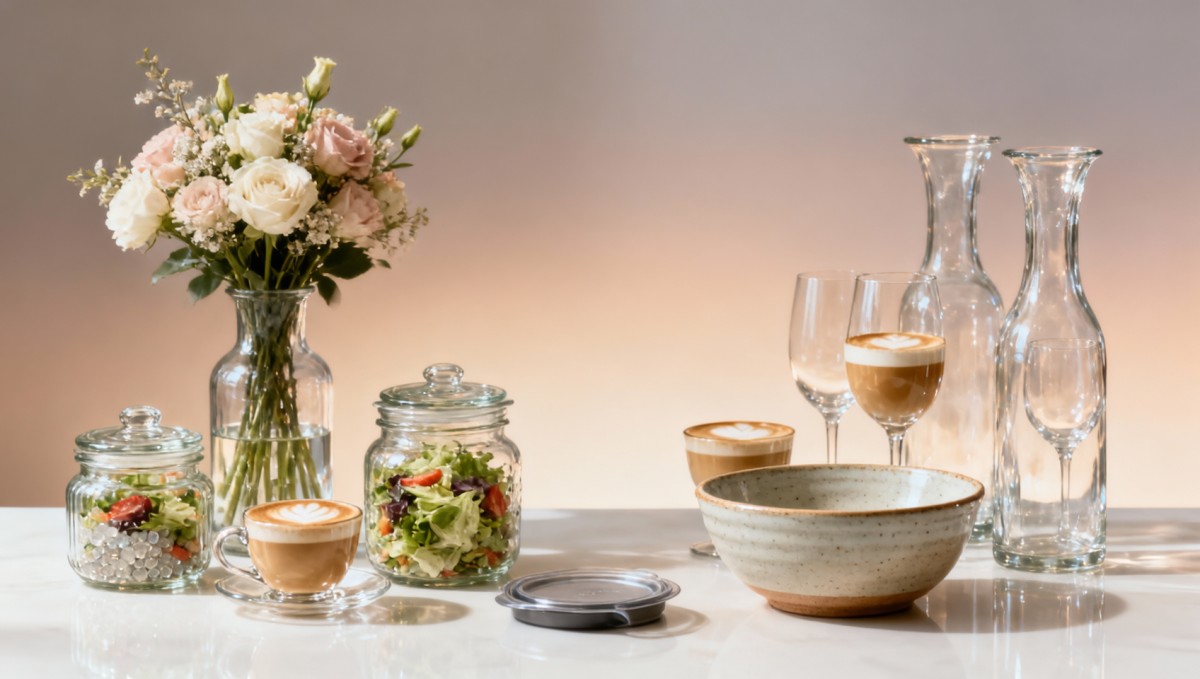
The strongest shift is timing. Buyers who once placed orders 2–4 weeks before an event cycle are now moving key sourcing decisions 6–10 weeks earlier, especially when glass party vase programs must coordinate with broader kitchen and tabletop procurement. Wedding venues, banquet operators, hotel groups, and event suppliers no longer buy decorative glassware in isolation. They compare assortment compatibility with service items used in catering, beverage presentation, and buffet operations.
This matters in the broader kitchen equipment industry because procurement teams increasingly prefer supplier consolidation. A buyer sourcing a glass party vase line may also evaluate glass salad jar options for cold food displays, glass cappuccino cup sets for beverage service, and ceramic baking bowl ranges for back-of-house preparation and oven-to-table presentation. The benefit is not only lower transaction complexity but also easier packaging planning, fewer inbound shipments, and more consistent quality control across product categories.
Another change is operational pressure. Peak wedding season often compresses receiving, unpacking, washing, staging, and replacement planning into narrow windows of 24–72 hours. Operators need glass items that look premium but also survive routine handling, storage rotation, and high-frequency event turnover. This is why procurement conversations increasingly include carton strength, divider design, unit-per-case logic, and breakage allowances rather than focusing only on silhouette and color.
At the same time, decision-makers are influenced by the kitchen equipment sector’s wider move toward efficiency, standardization, and smarter workflow design. Even for non-powered items like a glass party vase, sourcing now follows the same logic used in commercial kitchen equipment: reduce waste, simplify handling, improve replenishment speed, and support consistent service output across multiple sites or event schedules.
What buyers are comparing earlier than before
- Shape compatibility with wedding themes, from minimalist clear cylinders to textured statement pieces suitable for premium banquet settings.
- Lead time ranges, commonly 15–45 days depending on stock status, decoration requirements, and packaging customization.
- Case pack efficiency, such as 6-pack, 12-pack, or mixed-size sets, which affects warehousing and event dispatch.
- Cross-category consistency with glass salad jar, glass cappuccino cup, and ceramic baking bowl procurement plans.
How should buyers compare glass party vase options with related tabletop categories?
A useful sourcing method is to compare items by operational role, not by appearance alone. A glass party vase supports décor and visual merchandising. A glass salad jar supports cold display, portioning, and front-of-house appeal. A glass cappuccino cup affects beverage service aesthetics and heat presentation. A ceramic baking bowl supports preparation, heating, and serving transitions. In mixed procurement projects, the decision should reflect how these categories interact in real event flow.
For instance, if a hotel banquet team runs 3 event formats in the same week—wedding dinner, brunch reception, and private tea service—the purchasing team may prioritize a coordinated visual language across glassware and ceramic pieces. However, the operator may favor stackability, cleaning convenience, and replacement ease. Enterprise decision-makers usually need both: presentation value and a manageable total cost of ownership over one season.
The comparison below helps clarify how these product families differ in procurement focus. It is especially useful for buyers balancing event display items with practical kitchen and serviceware purchasing under one budget cycle.
The table shows why sourcing decisions should not be made on unit price alone. A lower-priced glass party vase can become a cost risk if packaging causes a higher breakage rate in transit. Likewise, a glass cappuccino cup may appear attractive in a catalog but become impractical if replacement frequency rises during intensive event service. A coordinated purchasing strategy often delivers better value than isolated category buying.
Three useful comparison dimensions for B2B buyers
First, compare handling intensity. Items used once per event but moved in bulk, such as a glass party vase, need strong transit protection. Items used repeatedly within service cycles, such as a glass cappuccino cup, need ergonomic and cleaning durability. Ceramic baking bowl programs often require thermal performance and stable dimensions for repeated kitchen use.
Second, compare replenishment risk. Fast-moving operators often need backup stock at a ratio of 5%–15% depending on handling conditions and event volume. Decorative glassware can face sudden shortages during peak wedding weekends, especially if multiple venues request the same format and finish.
Third, compare supply-chain complexity. Products with custom decals, gift-box packaging, or mixed assortments usually require longer approval and production windows. Standard clear glass formats or common ceramic baking bowl configurations may offer shorter replenishment cycles when urgent replacement is necessary.
What procurement teams should check before placing bulk orders
Bulk buying before wedding season is less about chasing the cheapest offer and more about reducing avoidable disruptions. Procurement teams should confirm 5 key checkpoints: dimensions, glass thickness consistency, packaging method, loading efficiency, and replacement policy. In kitchen equipment and tabletop procurement, these operational details directly affect receiving cost, handling labor, and service continuity.
Sampling is especially important when the order includes visual items like a glass party vase. A photo may not reveal wall uniformity, rim finishing, or clarity under banquet lighting. For products linked to foodservice operations, such as glass salad jar or glass cappuccino cup lines, buyers should also check routine wash performance and surface appearance after repeated cleaning cycles. Even a basic pre-shipment review can help avoid mismatch between sample approval and production reality.
Lead time planning should include not only production but also artwork confirmation, packaging approval, inland transport, export booking, customs processing, and final warehouse intake. For standard programs, a practical planning window may be 4–8 weeks. For customized assortments or multi-category shipments, 8–12 weeks is often safer. This is especially relevant when wedding décor items are purchased together with commercial kitchen support products or banquet serviceware.
The following procurement checklist can help buyers structure supplier evaluation without overlooking details that matter during peak season execution.
This checklist is valuable because it translates visual product buying into measurable procurement control points. It also aligns with how modern kitchen equipment buyers already work: evaluate functionality, compliance, packaging, and workflow impact together rather than treating each item as a simple commodity.
A practical 4-step sourcing flow
- Define demand by venue type, expected event volume, and replacement ratio for a 1–3 month peak period.
- Approve samples for glass party vase, glass salad jar, glass cappuccino cup, and ceramic baking bowl categories together where possible.
- Lock packaging specs and shipping marks before production begins to avoid repacking delays.
- Arrange inbound inspection focused on breakage, quantity variance, and visual consistency before event deployment.
How do cost, packaging, and alternatives affect the final sourcing decision?
In peak season, total landed value matters more than nominal ex-factory price. A glass party vase with lower unit cost may require stronger packaging, higher replacement stock, or more labor during event setup. By contrast, a slightly higher-cost item with better carton engineering and more stable dimensions can reduce hidden costs across transport, storage, and venue preparation. The same thinking applies across related items such as glass salad jar, glass cappuccino cup, and ceramic baking bowl programs.
Alternatives should be reviewed by use case. For high-end weddings, clear glass often remains the preferred material due to light reflection and floral visibility. For heavy-turnover banquet programs, mixed-material strategies may work better. A buyer might use premium glass party vase designs for focal tables while choosing more standardized jars or ceramic serving pieces for buffet zones and secondary décor areas. This approach controls spend without weakening presentation in the most visible spaces.
Packaging is often underestimated. Strong dividers, export-ready cartons, and item-specific inserts may increase packaging cost, but they can reduce claim risk and receiving loss during a 20–35 day international movement cycle. In the kitchen equipment industry, this mirrors the logic used for more technical goods: protection quality directly affects usable inventory on arrival.
A comparison framework helps decision-makers balance aesthetics, durability, and operational efficiency instead of focusing on one variable alone.
When alternatives make sense
- Use a premium glass party vase range for VIP tables, photo zones, and signature wedding layouts where visual impact matters most.
- Use standardized glass salad jar formats for buffet or pre-plated cold stations where portion consistency and display repeatability matter.
- Use durable glass cappuccino cup models for beverage service stations with frequent wash-and-reuse cycles.
- Use ceramic baking bowl solutions where oven compatibility and back-of-house preparation efficiency are more important than transparency.
Common hidden costs buyers should factor in
These usually include repacking labor, emergency replenishment shipping, handling breakage, mixed-carton sorting time, and extra warehouse touches. Even one additional handling step across 500–1,000 units can materially affect event-preparation efficiency. This is why experienced buyers compare pack-out logic and pallet stability as carefully as they compare price lists.
For multi-location buyers such as hotel groups or event rental companies, alternative sourcing plans may also include staged delivery. Instead of shipping all decorative glassware at once, some buyers split into 2 shipments: core operating stock first and backup quantities later. This can reduce inventory pressure while preserving flexibility if demand shifts between venues.
In practice, the best decision is often the one that keeps service uninterrupted across the full wedding season, not the one that offers the lowest first-line quote.
What standards, risks, and FAQs should decision-makers keep in view?
For tabletop and kitchen-related sourcing, buyers should keep compliance expectations practical and category-specific. Where products are intended for food contact, teams commonly request confirmation of relevant food-contact suitability under the destination market’s usual requirements. For decorative-only glass party vase products, packaging safety, labeling clarity, and transport integrity may be more critical than food-contact documentation. Mixed-category orders need this distinction to avoid both risk and unnecessary paperwork.
Risk management should also include visual tolerance and shipment readiness. A banquet operator may accept slight hand-crafted variation in some décor lines, while a chain buyer may require tighter uniformity across 100–500 pieces. Procurement specifications should state what is acceptable before mass production begins. This is a basic but often overlooked step in global sourcing.
Because the kitchen equipment sector is increasingly shaped by digital management and efficiency goals, many buyers now expect suppliers to support clearer documentation, faster sample confirmation, and more transparent order milestones. Even when sourcing non-electrical items, purchasing performance is judged by the same standards used for more technical equipment: consistency, communication, and delivery reliability.
Below are common questions that often influence final approval decisions before wedding season purchase orders are released.
How should we choose between a decorative glass party vase and a more versatile display jar?
Choose based on usage frequency and visual priority. If the item is meant for centerpieces, guest-table styling, or entrance displays, a dedicated glass party vase usually performs better aesthetically. If the same inventory may be reused for layered cold display, buffet styling, or modular décor, a versatile glass salad jar format may offer better utilization across seasons. Many buyers keep both categories and allocate them by event level.
What is a practical lead time for peak-season sourcing?
For standard designs, 4–8 weeks is a workable planning window from confirmation to receipt in many routine trade setups. For customized packaging, mixed-category orders, or destination-specific compliance review, 8–12 weeks is more realistic. If sample revisions are needed, buyers should add another 7–14 days rather than assuming immediate mass-production readiness.
What mistakes do buyers make most often?
Three issues appear repeatedly: approving by photo only, ignoring packaging details, and separating décor sourcing from kitchen and banquet operations planning. A glass party vase might look correct online but fail storage or transport requirements. A glass cappuccino cup may fit the design concept but create replacement pressure if not selected for service intensity. A ceramic baking bowl may be visually suitable yet inefficient in nesting or handling.
Why does cross-category sourcing matter in the kitchen equipment business?
Because foodservice buyers increasingly want fewer suppliers, more coordinated shipments, and easier inventory planning. When glass party vase, glass salad jar, glass cappuccino cup, and ceramic baking bowl sourcing are aligned, procurement teams can simplify approvals, improve packaging logic, and reduce fragmented inbound receiving. This supports the broader industry shift toward integrated, efficient operational systems.
Why choose us for wedding-season tabletop and kitchen-related sourcing?
We understand that sourcing for peak wedding demand is not only about finding a glass party vase that looks right. It is about building a reliable product mix that supports banquet presentation, beverage service, food display, storage efficiency, and timely replenishment. That is why we approach decorative and functional categories together, linking front-of-house aesthetics with practical kitchen equipment and serviceware procurement needs.
Our support can focus on the areas buyers care about most: parameter confirmation, style selection, carton configuration, category matching, expected lead time, and sample coordination. If you are comparing glass party vase designs with glass salad jar, glass cappuccino cup, or ceramic baking bowl lines, we can help narrow options according to event type, operating intensity, and budget structure rather than offering a generic list.
For procurement teams and decision-makers, we can also discuss practical issues such as 3-stage delivery planning, stock backup ratios, packaging adjustments for international shipment, and how to organize mixed-category orders before a 6–10 week peak window. This is particularly valuable for hotels, restaurant groups, catering companies, event suppliers, and distributors managing both kitchen equipment and tabletop programs.
Contact us to discuss sample support, product selection, packaging specifications, delivery schedule, compliance questions, and quotation planning. If you already have a target order list, we can help review dimensions, packing structure, and category fit before you commit to bulk production for the coming wedding season.
Popular Tags
Kitchen Industry Research Team
Dedicated to analyzing emerging trends and technological shifts in the global hospitality and foodservice infrastructure sector.
Industry Insights
Join 15,000+ industry professionals. Get the latest market trends and tech news delivered weekly.
No spam. Unsubscribe anytime.



Contact With us
Contact:
Anne Yin (Ceramics Dinnerware/Glassware)
Lucky Zhai(Flatware)