
Porcelain Serving Dish Styles That Are Gaining Global Demand
As global dining trends evolve, porcelain serving dish designs are attracting strong international demand for their blend of presentation, durability, and practicality. From upscale hospitality settings to modern retail collections, buyers are comparing options alongside the ceramic breakfast bowl, porcelain cereal bowl, and ceramic salad bowl, while broader kitchen innovation and kitchen automation continue to reshape sourcing decisions across the kitchen equipment industry.
For importers, foodservice operators, procurement teams, and decision-makers, porcelain serving dishes are no longer simple tableware items. They now sit at the intersection of presentation standards, replacement cost control, storage efficiency, and brand positioning. In commercial kitchens, catering operations, hotels, and premium household channels, dish style has become a practical sourcing factor rather than a purely decorative choice.
This market shift matters because buyers are evaluating more than shape and color. They are checking stackability, glaze stability, rim strength, thermal performance, and compatibility with fast-paced service workflows. As kitchen equipment systems become more integrated and data-driven, serving dish selection is increasingly tied to operational efficiency, menu design, and total lifecycle value.
Why Porcelain Serving Dish Styles Are Seeing Stronger Global Demand
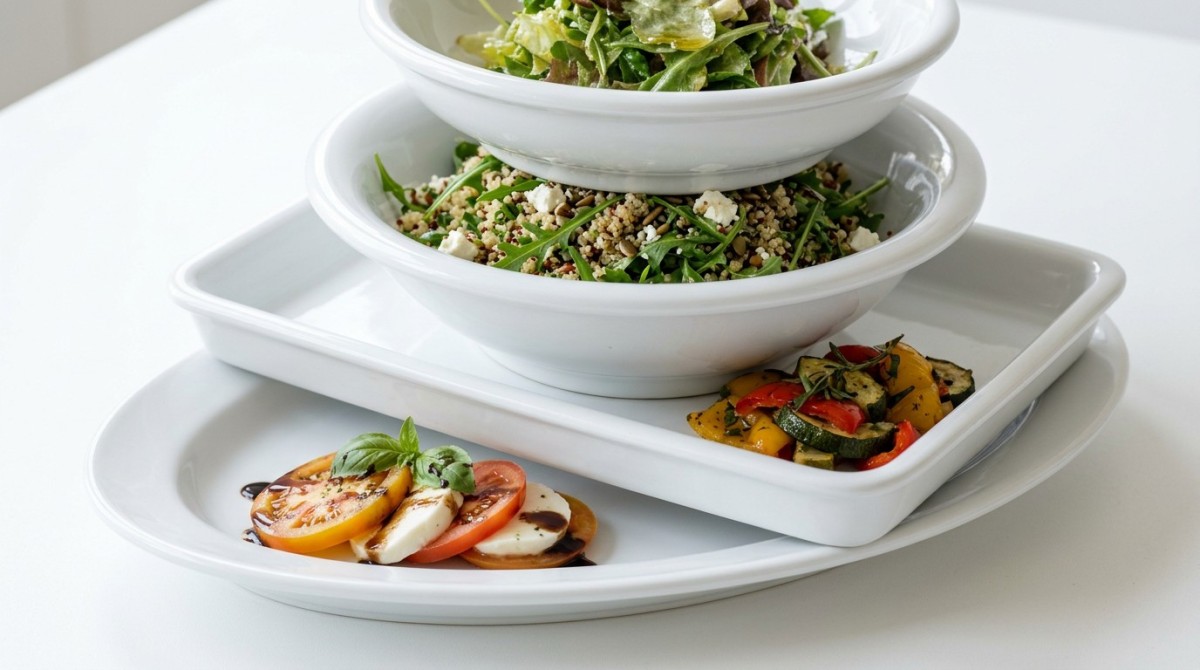
Global demand is rising because porcelain serving dishes solve 3 critical requirements at once: visual appeal, repeated-use durability, and broad application flexibility. Restaurants want plating pieces that support premium presentation, hotels need consistent banquet serviceware, and distributors want styles that can work across multiple buyer profiles with lower SKU risk.
In many markets, buyers are moving away from overly decorative forms and toward designs that perform well in daily service cycles of 20 to 100 uses per week. This is especially true in hospitality groups, chain restaurants, and catering operators where dish breakage rates, storage density, and replacement timing directly affect operating cost.
Porcelain remains attractive because it balances appearance and strength better than many entry-level alternatives. Compared with some low-fired ceramic products, properly manufactured porcelain typically offers a denser body, a more refined finish, and stronger resistance to staining under repeated contact with oil, sauces, and acidic ingredients.
Another growth driver is cross-channel demand. The same style family may be sold into restaurants, hotel buffet lines, retail gift channels, and e-commerce collections. This overlap helps wholesalers and brand owners improve inventory planning, especially when they build coordinated ranges including a porcelain serving dish, ceramic breakfast bowl, porcelain cereal bowl, and ceramic salad bowl.
Demand signals buyers are watching
Procurement teams typically review 4 to 6 market signals before expanding a serving dish line. These include repeat reorder frequency, breakage feedback from users, seasonal plating trends, compatibility with existing tabletop collections, and export packaging efficiency. In B2B sourcing, a style that reduces carton void space by even 8% to 12% can become more attractive at scale.
- Growing preference for neutral tones such as white, matte ivory, charcoal, and soft reactive finishes.
- Higher demand for multi-use forms that work for appetizers, desserts, side dishes, and shared plates.
- Increased interest in stackable profiles that reduce shelf height by 10 to 20 mm per unit.
- Stronger buyer focus on replacement continuity for 12 to 24 months after first order.
Commercial relevance inside the kitchen equipment industry
Although serving dishes are tabletop products, they are closely linked to the broader kitchen equipment industry. Smart kitchens and automated back-of-house systems are increasing pressure on front-of-house serviceware to be standardized, easy to handle, and suitable for fast turnover. A dish that disrupts workflow, chips easily, or occupies excessive rack space can undermine efficiency gains achieved elsewhere in the kitchen.
This is why many decision-makers now review serving dishes together with broader kitchen operation planning. The conversation includes dishwashing throughput, rack compatibility, heat retention during service, and safe movement between prep, pass, buffet, and dining areas. In large operations, standardization across 3 to 5 core serving styles can simplify training and reduce handling errors.
The Serving Dish Styles Buyers Are Prioritizing Today
Not every porcelain serving dish style grows at the same pace. The strongest global demand is concentrated in shapes that support menu versatility, modern presentation, and logistics efficiency. Buyers increasingly prefer styles that can cross from casual dining to premium hospitality without requiring separate inventories for every service concept.
Oval platters remain a leading category because they suit grilled proteins, shared appetizers, bakery assortments, and buffet displays. Typical commercial sizes range from 10 inches to 16 inches, allowing operators to standardize portion presentation while still offering 2 or 3 size tiers for lunch, dinner, and banquet service.
Deep coupe dishes are also gaining attention. Their soft curved walls help hold sauce, grains, pasta, and composed salads, making them useful for modern fusion menus. Rectangular trays, meanwhile, continue to perform in hotels and central catering because they maximize linear plating space and fit buffet lines efficiently.
Small handled bakers and shallow serving bowls are rising as hybrid products. They move from oven-to-table or prep-to-service more naturally than traditional platters in some concepts. Retail collections often pair these pieces with a ceramic breakfast bowl, porcelain cereal bowl, or ceramic salad bowl to create a cohesive dining range.
High-demand style categories
The table below shows which style groups are being chosen most often and why they matter in B2B purchasing discussions.
A clear pattern emerges: buyers favor forms with multi-menu utility. This reduces SKU complexity and supports faster replacement ordering. For distributors, that often means stronger reorder stability over a 6- to 12-month cycle.
Design details that influence conversion
Small design details often decide whether a style succeeds in global markets. Rim thickness of roughly 3 to 5 mm is often preferred because it balances elegance and impact resistance. Overly thin rims may photograph well but can increase edge-chipping risk in high-volume use.
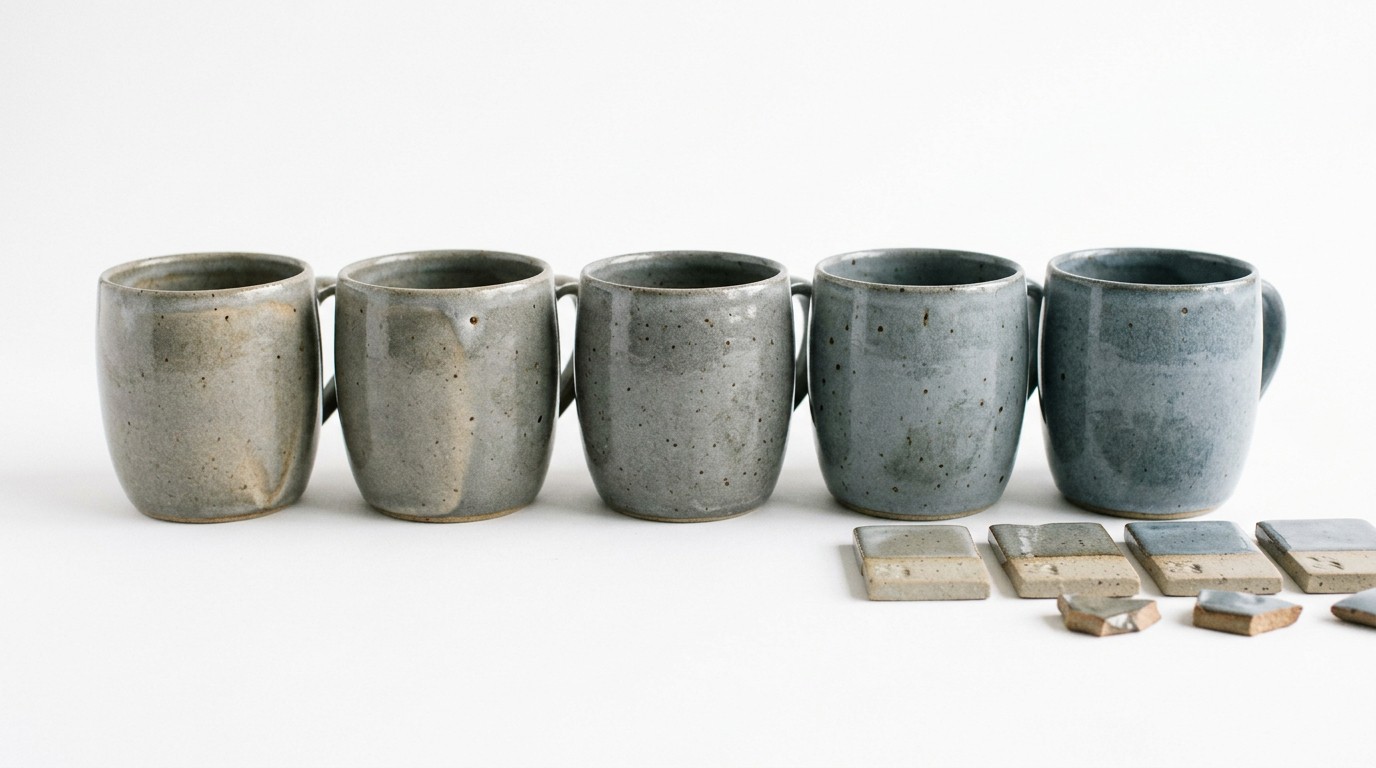
Surface finish also matters. Gloss white still dominates institutional and hotel demand, while matte and reactive glazes attract boutique hospitality and retail buyers. However, specialty glazes should be evaluated for consistency across batches, because visible variation beyond a controlled range can complicate repeat orders.
How Procurement Teams Evaluate Porcelain Serving Dishes
A strong-looking sample is not enough for professional sourcing. Procurement teams usually assess porcelain serving dishes through a mix of technical checks, commercial terms, and operational fit. In practical terms, buyers often compare 5 core dimensions: body strength, glaze quality, stackability, carton efficiency, and lead-time stability.
For users and operators, stackability is one of the most underestimated issues. A serving dish that saves 15 mm of storage height per piece can create meaningful space gains across 100 or 200 units. This matters in restaurants, hotel stewarding areas, and central kitchens where rack capacity is limited.
For decision-makers, replacement continuity is equally important. If one style cannot be reproduced consistently after 9 months, the buyer may face brand inconsistency or forced line replacement. That is why dependable mold control, color matching, and production repeatability matter as much as initial unit price.
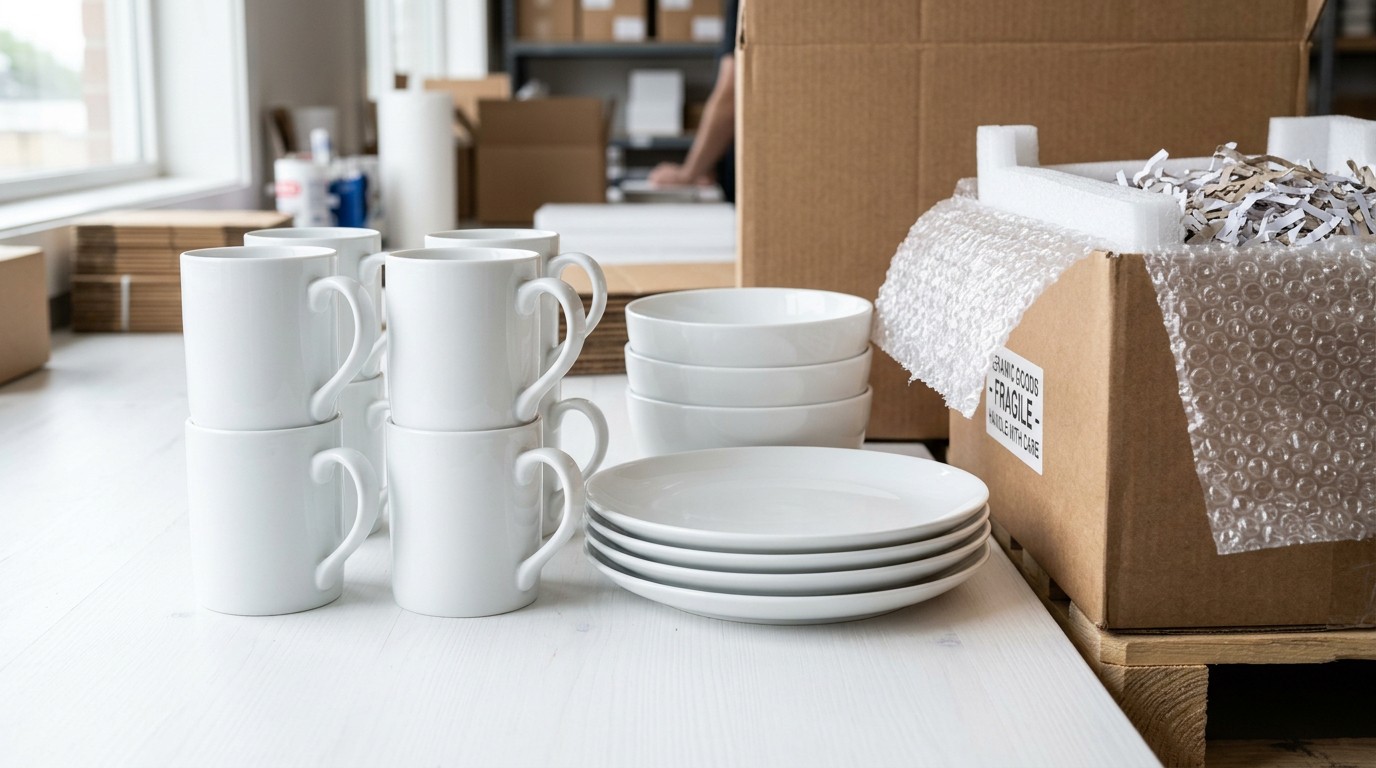
In export business, packaging design also deserves attention. Carton drop resistance, internal separators, and pallet arrangement directly influence breakage risk during sea or land transport. Even a high-quality porcelain serving dish can become a costly item if packaging is not matched to route length, handling intensity, and container loading density.
Procurement checklist by evaluation factor
The following framework can help sourcing teams compare suppliers and styles more systematically before placing bulk orders.
This type of comparison prevents overreliance on visual appeal alone. In many B2B projects, the most successful product is not the most unusual design, but the one that performs reliably through repeated washing, stacking, transport, and reorder cycles.
Common purchasing mistakes
- Choosing a dramatic shape without testing dishwashing racks, shelf dimensions, or banquet trolley compatibility.
- Comparing prices without adjusting for breakage rate, carton efficiency, and replacement continuity over 12 months.
- Approving one perfect sample but not reviewing batch variation across glaze tone and foot finish.
- Ignoring how the serving dish coordinates with existing ceramic breakfast bowl, porcelain cereal bowl, and ceramic salad bowl collections.
Application Scenarios, Operations, and Integration with Modern Kitchens
Porcelain serving dish selection should always be linked to actual use environments. A hotel buffet has different priorities from a quick-service chain, and a premium retail brand has different expectations from a catering distributor. Matching style to scenario helps buyers avoid overspecification in one area and operational weakness in another.
In hotels, visual consistency across breakfast, room service, banquets, and all-day dining is crucial. Many hotel groups therefore choose 2 to 4 core serving dish families that coordinate with a porcelain cereal bowl and ceramic salad bowl line. This approach helps maintain brand identity while simplifying replacement and staff handling.
In restaurants, menu engineering plays a bigger role. Operators often need dishes that can support portion control, frame color contrast, and speed up pass-line presentation. Coupe and shallow bowl styles are especially effective when kitchens serve plated dishes in under 3 minutes during peak periods.
In retail and e-commerce, style storytelling becomes more important. Consumers often buy coordinated tabletop sets rather than single items, which is why serving dishes are increasingly designed as part of broader family ranges. This allows suppliers to increase average order value through matching breakfast, cereal, and salad bowl assortments.
Scenario-based style matching
Different operating environments favor different style features. The table below outlines practical matching logic for common channels.
The key takeaway is that demand is not driven by aesthetics alone. The best-performing styles are aligned with workflow, menu logic, and channel-specific selling conditions. That is why professional buyers increasingly request application-based recommendations rather than generic catalogs.
Fit with kitchen automation and equipment planning
As kitchen automation expands, serviceware must fit more predictable workflows. Dish sizes need to work with shelving, wash racks, heated holding areas, and transport carts. In semi-automated or digitally managed kitchens, standardization across 3 or more serving formats can improve inventory visibility and reduce handling variance between shifts.
This integration is particularly important in central kitchens and chain operations. When plating systems, portioning methods, and service utensils are standardized, serving dish style can influence labor rhythm just as much as a small equipment change. For operators, this makes tabletop sourcing part of broader kitchen performance planning.
Selection Advice, Risk Control, and Next-Step Buying Strategy
The most effective buying strategy is to combine design review with practical testing. Before approving mass production, buyers should confirm dimensions, sample stack height, carton packing method, and expected reorder terms. In many projects, a 3-step review process is enough: visual approval, operational test, and packaging verification.
For new market entry, it is usually safer to begin with 2 or 3 proven serving dish profiles rather than a wide launch assortment. This lowers initial inventory exposure while giving the supplier room to study reorder patterns. Once demand is validated, a wider coordinated collection can be added, including complementary ceramic breakfast bowl, porcelain cereal bowl, and ceramic salad bowl options.
Buyers should also clarify practical commercial points early: MOQ per style, mixed-order policy, replacement support, and standard lead time. In international trade, a realistic production window may range from 30 to 60 days, while custom decoration or special glaze programs may extend timelines by 10 to 20 additional days.
Risk control is not about eliminating variation completely; it is about setting acceptable limits before the order is placed. If buyers define tolerance on glaze tone, edge finish, logo placement, and packaging structure in advance, later disputes become easier to manage. This is especially important for repeat business and multi-country distribution.
A practical 5-point supplier discussion list
- Ask which 3 to 5 serving dish styles have the most stable repeat production, not just the best showroom appearance.
- Request stack height and carton packing data for each size, especially if warehouse space is tight.
- Confirm whether the supplier can maintain matching collections across serving dishes, breakfast bowls, cereal bowls, and salad bowls.
- Review lead time by order size bracket, such as sample, trial order, and container-volume production.
- Define breakage-response handling and replacement support before shipment begins.
FAQ for professional buyers
How do I choose between an oval platter and a coupe serving dish?
Choose oval platters when you need linear presentation for shared dishes, grilled foods, or buffet displays. Choose coupe styles when your menu includes sauces, grains, or plated combinations that benefit from a contained rim. If one style must cover at least 60% of menu applications, coupe shapes often offer broader flexibility.
What order quantity is reasonable for a trial launch?
That depends on channel and packing format, but many buyers begin with 1 to 3 styles in modest trial quantities before expanding. The goal is to test breakage, reorder speed, and market response without locking too much cash into low-rotation stock.
How important is matching the serving dish with bowl collections?
It is very important for both hospitality and retail programs. Coordinated ranges improve menu presentation consistency, simplify tabletop purchasing, and support upselling. Collections that include a ceramic breakfast bowl, porcelain cereal bowl, ceramic salad bowl, and matching serving pieces are often easier to position across multiple customer segments.
Porcelain serving dish styles are gaining global demand because they now serve multiple business goals at once: better presentation, better operational fit, and better range-building potential across foodservice and retail channels. For buyers in the kitchen equipment industry, the right choice depends on more than appearance. It depends on style versatility, durability, stackability, supply continuity, and how well the product supports real kitchen workflows.
If you are evaluating new porcelain serving dish options for hospitality, distribution, or retail programs, now is the right time to compare styles based on application and lifecycle value. Contact us to discuss product details, request a tailored selection plan, or explore broader solutions that align serving dishes with your kitchen equipment and tabletop sourcing strategy.
Popular Tags
Kitchen Industry Research Team
Dedicated to analyzing emerging trends and technological shifts in the global hospitality and foodservice infrastructure sector.
Industry Insights
Join 15,000+ industry professionals. Get the latest market trends and tech news delivered weekly.
No spam. Unsubscribe anytime.

Contact With us
Contact:
Anne Yin (Ceramics Dinnerware/Glassware)
Lucky Zhai(Flatware)