
Ceramic Breakfast Bowl Glaze Issues to Check Before Ordering
Before ordering a ceramic breakfast bowl or porcelain cereal bowl in bulk, checking glaze quality is essential for durability, food safety, and brand presentation. From pinholes and crazing to uneven color and surface defects, these issues can affect restaurants, hotels, and retail buyers alike. This guide helps purchasers, operators, and decision-makers identify key glaze problems and make smarter sourcing choices in today’s kitchen innovation market.
In the kitchen equipment supply chain, bowls are not just tabletop items. They influence food presentation, replacement cost, dishwasher performance, and customer perception across restaurants, hotel buffets, central kitchens, and retail programs. A glaze defect that looks minor at sampling stage can become a recurring operational problem after 2,000 to 20,000 units enter service.
For buyers and operators, the goal is not simply to find a bowl that looks attractive under showroom lighting. The real priority is to verify whether the glaze remains stable after repeated heating, washing, stacking, and daily handling. That is why glaze inspection should be part of sourcing control, alongside shape, weight, packing, and lead time.
Why glaze quality matters in commercial breakfast bowl sourcing
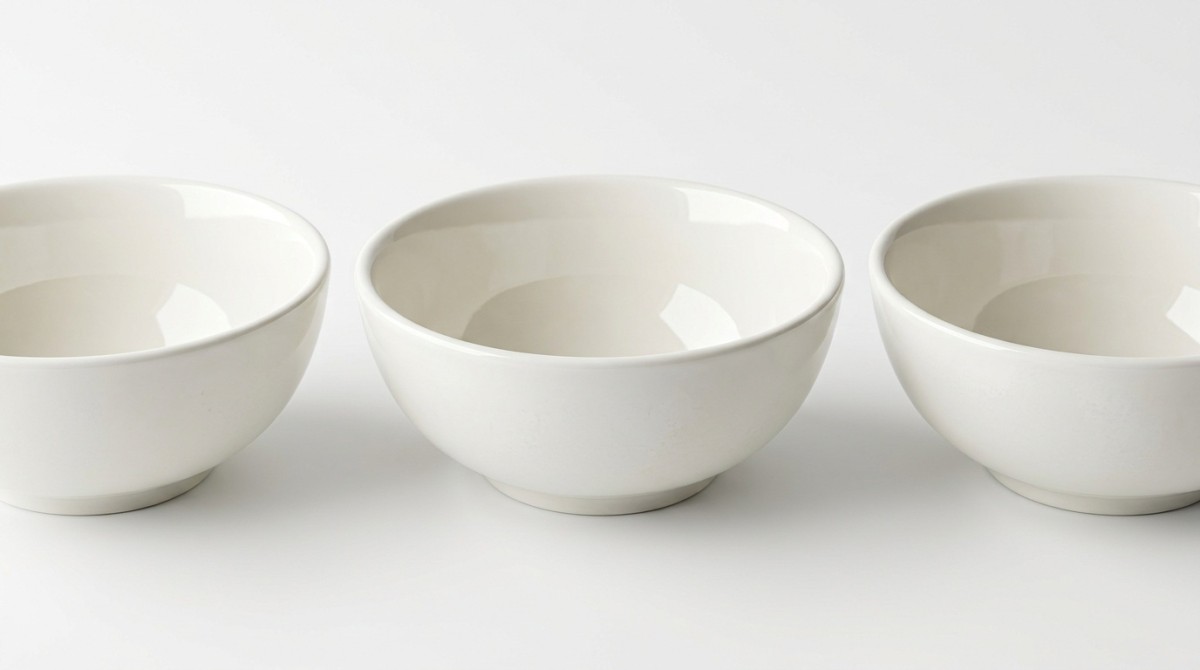
A ceramic breakfast bowl used in hospitality or foodservice normally faces more stress than household tableware. In a busy restaurant, one bowl may go through 2 to 5 wash cycles per day, frequent stacking, and temperature changes from chilled fruit service to hot porridge or soup. Poor glaze performance often appears within the first 30 to 90 days of use.
Glaze affects three decision areas at the same time: product appearance, hygiene confidence, and operating cost. A glossy and even finish supports brand presentation, while a stable glaze layer reduces staining and makes cleaning easier. If the surface is rough, cracked, or porous, the bowl may trap food residue, weaken visual consistency, and increase replacement frequency.
For procurement teams, glaze quality also affects claim management. A low unit price can quickly lose value if 3% to 8% of delivered bowls show visible defects on arrival or if crazing appears after several weeks in commercial dishwashers. In volume purchasing, even a small defect rate can generate labor cost for sorting, reporting, and reordering.
Commercial buyers should therefore evaluate glaze as a performance factor, not a decorative detail. This is especially relevant in global kitchen equipment sourcing, where products may come from different kilns, clay bodies, firing schedules, and quality control systems. Consistency across batches is often as important as the first sample approval.
Operational impact of glaze defects
In high-volume kitchens, visual defects create more than a cosmetic issue. Bowls with rough rims or exposed body spots may be pulled out by staff before service, reducing usable inventory. If a 500-seat hotel breakfast line needs 800 bowls for peak rotation, losing even 40 to 60 pieces to appearance rejection can disrupt service flow.
The table below shows how common glaze issues translate into commercial risk during daily operation and procurement review.
The key takeaway is simple: glaze quality should be checked before order confirmation, not after shipment. A structured inspection process reduces hidden cost and supports stable tabletop performance throughout the product life cycle.
The main glaze issues to inspect before placing a bulk order
When reviewing a porcelain cereal bowl sample, buyers should inspect more than general color and shape. The most useful method is to examine the bowl under natural light, angled light, and close-distance handling. In many factories, a practical visual distance is 30 to 50 cm for standard appearance inspection, followed by fingertip checks around the rim, inner curve, and foot ring.
Pinholes are one of the most common defects. These are tiny holes formed when gas escapes during firing but the glaze does not fully heal. A few micro pinpoints may fall within an agreed tolerance, but dense clusters in the eating surface or near the rim are usually unacceptable for hospitality use because they collect stain and lower perceived quality.
Crazing is another critical issue. These fine crack lines may not appear immediately after production. They often develop after thermal expansion mismatch between the glaze and the ceramic body, especially when products move between hot service, ambient storage, and dishwasher cycles. If a sample shows signs after boiling-water and cold-water comparison tests, it should be treated as a sourcing warning.
Uneven color, gloss variation, and orange-peel texture also deserve attention. A breakfast bowl program may include 1,000 to 10,000 units for a chain or hotel group, so slight batch drift becomes visible when bowls are placed side by side. What seems acceptable in one sample carton can look inconsistent across a full service line.
Defects that buyers often miss during sample review
Some issues are overlooked because they do not stand out in a single photo. For example, a warped glaze flow near the rim may be easier to feel than to see. Likewise, a rough foot ring can scratch shelving or stacking surfaces, while excessive glaze pooling at the lower wall can create color depth inconsistency within the same bowl series.
Checklist for first-round sample inspection
- Check the inner surface for pinholes, bubbles, black specks, and gloss breaks under direct light.
- Run a fingertip around the rim and lip area to detect roughness, glaze thinning, or sharp points.
- Compare at least 3 to 5 samples from the same batch, not just 1 display piece.
- Inspect the foot ring for chipping risk, exposed body, and unstable sitting.
- Review color consistency between sample pieces placed side by side on a white surface.
A buyer should also clarify acceptable defect levels in writing before production starts. Without a pre-agreed standard, both sides may define “minor defect” differently, creating avoidable conflict during final inspection and delivery acceptance.
How to evaluate glaze quality with practical tests and approval criteria
A reliable evaluation process combines visual review, handling checks, and simple use-condition testing. This does not always require laboratory-level equipment. For many B2B buyers, 4 practical stages are enough: sample comparison, hot-cold exposure, dishwasher simulation, and packaging review after transport vibration. These steps help identify whether a ceramic breakfast bowl is ready for actual foodservice use.
Visual inspection should be done under stable lighting and with multiple pieces. A reasonable sample group is 6 to 12 units from pre-production or pilot production. Looking at one approved master sample alone cannot reveal batch variation. Buyers should compare inner bowl color, outer wall gloss, foot finish, and any logo or decal area if decoration is included.
Thermal checks are useful because breakfast bowls often move between hot and cold conditions. A practical internal test may compare room-temperature pieces with exposure to hot water around 80°C to 90°C, followed by natural cooling. The goal is not to conduct extreme destruction testing, but to see whether crazing, surface stress marks, or finish instability appear after repeated cycles.
Dishwasher resistance is equally important. Commercial dishwashers use stronger chemistry and faster cycles than household machines. Running 20 to 50 wash cycles on evaluation pieces can reveal fading, loss of gloss, or stain retention issues that are invisible at first inspection. This matters for operators trying to control replacement cost over 6 to 12 months of use.
Suggested approval criteria for commercial orders
The approval matrix below can help purchasing teams align internal expectations with factory quality control. These are practical reference points and should be adjusted by market positioning, price tier, and application environment.
The main conclusion is that approval should be tied to use conditions, not only showroom aesthetics. If a supplier can support sample retesting, batch comparison, and pre-shipment inspection photos, the sourcing process becomes more predictable and easier to defend internally.
Procurement questions to ask suppliers before production starts
Even a visually good sample does not guarantee stable mass production. Procurement teams should ask detailed process questions before issuing a deposit or purchase order. The purpose is to understand how the supplier controls glaze consistency, what tolerances are normal, and how defects are handled if batch variation appears during production or after delivery.
Start with the production basis. Ask whether the ceramic breakfast bowl and porcelain cereal bowl are made from the same body across orders, whether glaze color comes from a standard recipe, and whether the kiln firing is stable across seasons. In many factories, temperature fluctuation, material moisture, and loading density can change glaze results from one batch to another.
Then move to quality control checkpoints. A strong supplier should explain where inspection happens: after glazing, after firing, during sorting, and before packing. It is useful to know whether they review 100% appearance on key surfaces or use sampling by carton or batch lot. For large orders above 3,000 pieces, this distinction directly affects defect escape risk.
Packaging must also be discussed because glaze damage can occur after firing. Bowls that leave the factory in good condition may arrive with rub marks, rim chips, or surface scratches if separators, carton strength, or pallet handling are insufficient. A glaze review is incomplete unless transport protection is part of the conversation.
Supplier discussion points that reduce sourcing risk
- Request 3 to 5 production samples, not only one showroom sample, before final approval.
- Confirm the defect standard in writing, including what counts as acceptable on inner surface, outer wall, rim, and foot.
- Ask for expected lead time by stage, such as 7–10 days for sample revision and 25–45 days for mass production, depending on quantity and decoration complexity.
- Clarify whether replacement, credit, or remake options apply if delivered defect levels exceed the agreed threshold.
- Check whether export packing includes dividers, drop-resistance logic, and palletization suitable for long-distance shipping.
A practical procurement comparison table
The table below can help decision-makers compare supplier readiness beyond price alone.
For kitchen equipment buyers working across multiple SKUs, this comparison method improves internal review and reduces the chance of approving a low-cost option that performs poorly after launch.
Common sourcing mistakes, application scenarios, and final buying guidance
One common mistake is to prioritize color trend over glaze stability. Matte, reactive, or handcrafted-look finishes can be attractive for modern breakfast service, but they may also carry higher variation risk than a stable white gloss glaze. For some hospitality programs, a slightly simpler finish with better consistency is the stronger commercial decision over a 12- to 24-month use cycle.
Another mistake is approving a bowl based only on image review. Retail buyers, restaurant groups, and importers should request physical samples whenever possible. A bowl may photograph well but still have uneven glaze thickness, poor stacking behavior, or a rough foot ring that creates noise and wear in service. These details become obvious only during direct handling.
Application matters too. A hotel breakfast buffet may need visual uniformity across hundreds of pieces, while a café chain may focus more on Instagram-friendly color tone and moderate daily wash resistance. Central kitchens supplying plated meals may care more about stacking stability and replacement planning. The right glaze choice depends on service model, wash intensity, and brand positioning.
For most B2B orders, the safest path is to combine 4 controls: compare multiple samples, define acceptable glaze defects in writing, perform use-condition testing, and review export packaging before shipment. This approach supports both procurement efficiency and front-line usability in the broader kitchen equipment market, where durability and presentation must work together.
FAQ for buyers and operators
How many samples should be checked before bulk approval?
A practical minimum is 3 to 5 pieces for basic review, while 6 to 12 pieces provide a better picture of batch consistency. If the glaze is reactive, colored, or matte, checking the larger range is safer because variation is usually more visible.
Are small pinholes always unacceptable?
Not always. The answer depends on quantity, location, and end market. A tiny isolated mark on the outer lower wall may be tolerated in some projects, but repeated pinholes on the inner food-contact surface or near the rim should normally be rejected for commercial breakfast bowl use.
What lead time should buyers expect for corrected samples or rework?
For standard shapes, a corrected sample may take around 7 to 15 days. Bulk production often falls in the 25- to 45-day range, depending on order volume, decoration, and kiln schedule. Projects with custom glaze colors or gift-box retail packing may need longer planning.
Which glaze finish is easiest to manage in foodservice?
In many commercial settings, a stable glossy glaze is easier to inspect, clean, and match across batches. Matte or artisan-style finishes can work well, but they need stricter sample confirmation and realistic acceptance criteria because natural variation is usually higher.
Choosing the right ceramic breakfast bowl is ultimately a sourcing decision that combines appearance, process control, and daily operational reality. By checking glaze defects early, validating samples under practical conditions, and comparing suppliers on consistency rather than price alone, buyers can reduce risk and improve long-term value.
If you are evaluating bulk ceramic or porcelain bowl options for restaurants, hotels, retail programs, or broader kitchen equipment distribution, now is the right time to review your specifications and approval process. Contact us to discuss product details, request a tailored sourcing checklist, or explore more solutions for reliable tabletop and kitchen service procurement.
Popular Tags
Kitchen Industry Research Team
Dedicated to analyzing emerging trends and technological shifts in the global hospitality and foodservice infrastructure sector.
Industry Insights
Join 15,000+ industry professionals. Get the latest market trends and tech news delivered weekly.
No spam. Unsubscribe anytime.

Contact With us
Contact:
Anne Yin (Ceramics Dinnerware/Glassware)
Lucky Zhai(Flatware)