
Restaurant supplies for bakeries that help control waste
For bakery operators, reducing waste is not just about saving money—it also improves workflow, product consistency, and daily efficiency. Choosing the right restaurant supplies for bakeries can help control ingredient loss, support cleaner preparation, and streamline storage and production. From smart equipment to practical tools, the right solutions make it easier to manage costs while maintaining quality in a fast-paced baking environment.
In bakeries, waste usually appears in 4 predictable areas: ingredient overuse, handling loss, spoilage during storage, and unsold finished products. Operators working on mixing, proofing, baking, cooling, and packaging often see these issues every day, even when recipes are standardized. The practical question is not whether waste exists, but which restaurant supplies for bakeries can reduce it without slowing production.
For users and operators, the best purchasing decisions are rarely about buying the most advanced machine. They are about selecting equipment and tools that match batch size, production rhythm, cleaning routines, and storage limits. In many bakery settings, a 3% to 8% reduction in avoidable waste can make a noticeable difference in weekly ingredient costs and labor efficiency.
Where Bakery Waste Starts and Which Supplies Have the Most Impact
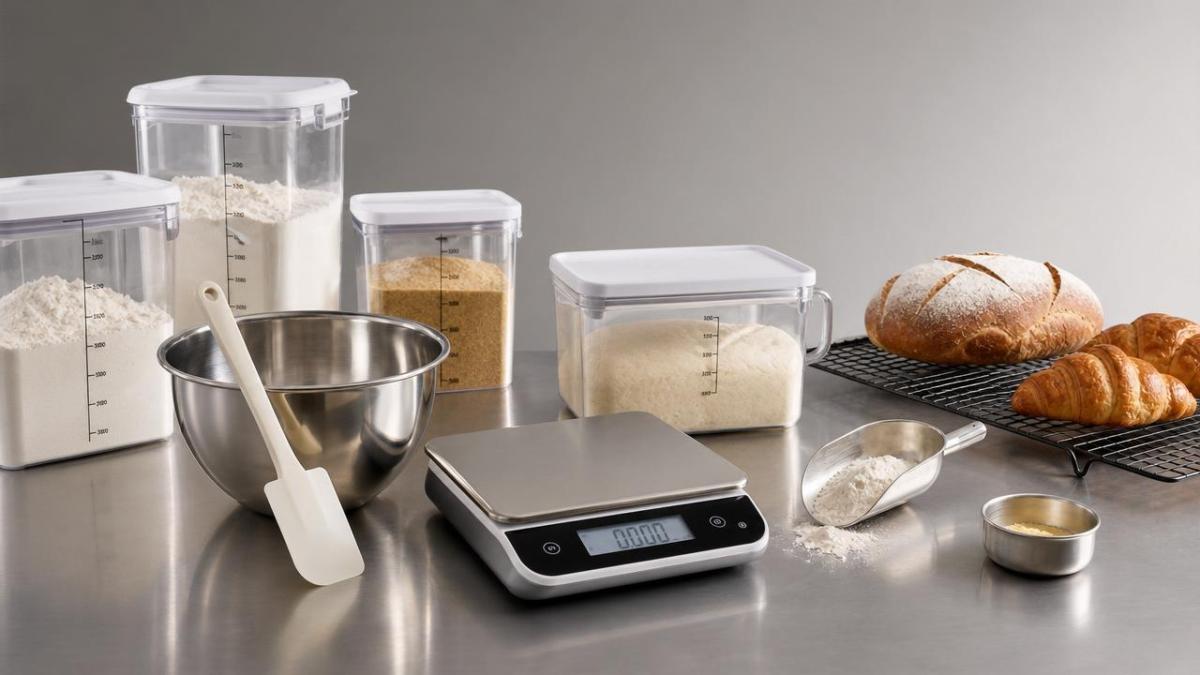
Waste control begins with identifying where loss happens across the production cycle. In most bakery operations, losses start before the oven. Flour spills, inaccurate scaling, dough left on mixing bowls, poor temperature control, and weak stock rotation can each create small losses that compound over 5 to 7 production days. That is why restaurant supplies for bakeries should be selected by task, not by catalog category alone.
High-loss points in daily bakery operations
The first high-loss point is portioning. If scales drift by even 1% to 2%, ingredient cost rises quickly in high-volume production. The second is transfer and handling. Dough, batter, cream, fillings, and toppings often remain on tools or work surfaces when scrapers, portioners, and containers are poorly matched. The third is storage. Ingredients held outside their proper temperature or humidity range can degrade before use.
Typical waste sources operators can monitor
- Over-portioning during mixing, filling, or topping application
- Ingredient contamination caused by open storage or poor separation
- Finished goods damage during cooling, slicing, or transport
- Expired raw materials due to weak FIFO rotation
- Cleaning losses from tools that trap dough, cream, or crumbs
The table below shows how common waste points connect with specific supplies and operational benefits. This helps bakery teams compare solutions based on measurable process needs rather than general product descriptions.
The strongest takeaway is that waste reduction is usually built from several small upgrades. A bakery does not need to replace every machine at once. In many cases, 5 to 8 targeted restaurant supplies for bakeries can improve portion control, product handling, and storage discipline within 2 to 4 weeks.
Why the operator perspective matters
Operators know where products stick, where trays bottleneck, and where ingredients get opened too early. Their experience often reveals practical problems that management reports miss. If a depositor is hard to clean, if a bin lid does not seal tightly, or if trays are too heavy for fast movement, waste and fatigue increase together. Equipment decisions should therefore include operator feedback from at least 3 points: usability, cleaning time, and daily error frequency.
Essential Restaurant Supplies for Bakeries That Reduce Ingredient and Product Loss
Not every bakery needs the same setup. A bread bakery producing 200 loaves per day has different waste risks than a pastry kitchen making cream-filled products with shorter shelf life. Still, several supply categories consistently deliver strong waste-control value. The key is to match each category with process volume, product type, and sanitation routine.
1. Portion control and measuring tools
Digital scales, ingredient scoops, dough dividers, depositors, and measuring containers are the first line of defense against overuse. In bakeries with repeated recipes, even a 10 g over-portion on a filling applied 300 times per day can create several kilograms of avoidable loss each week. Operators should look for tools with readable displays, stable bases, and surfaces that can be wiped down in under 2 minutes.
2. Mixing, transfer, and work-surface supplies
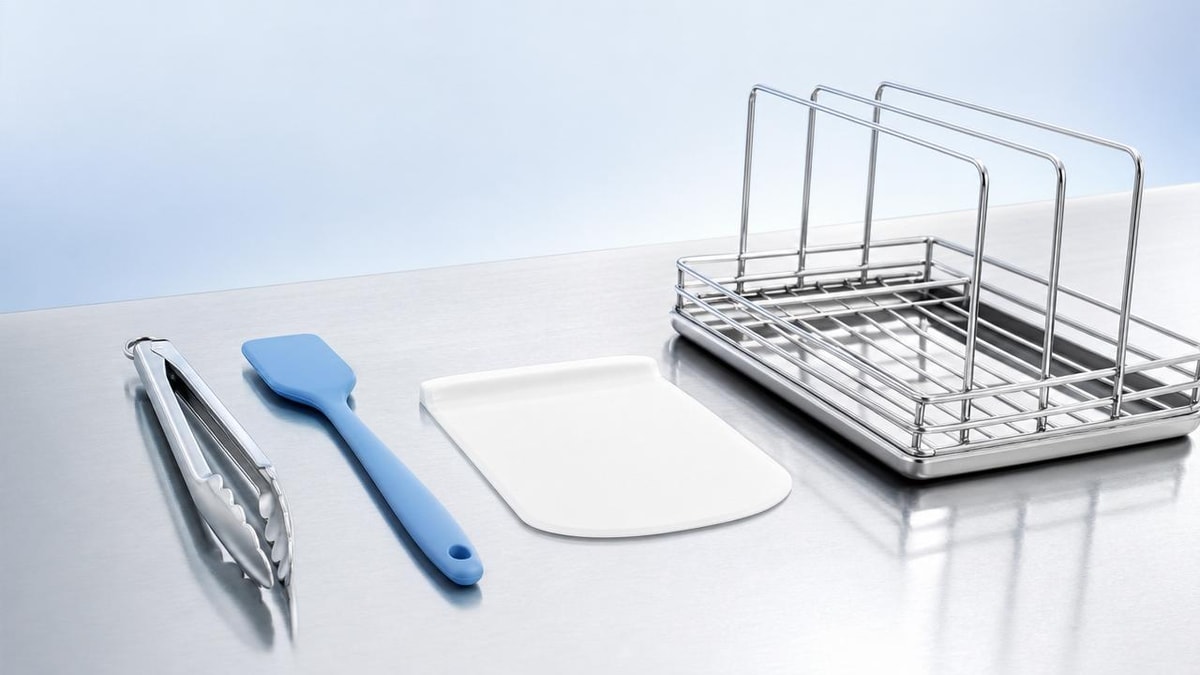
Bowls with smooth interiors, food-safe scrapers, dough troughs, portion tubs, and non-stick liners reduce residue during mixing and transfer. These are simple supplies, but they directly affect yield. If dough or batter remains on rough surfaces, the bakery loses both ingredients and production time. In mid-volume operations, improved transfer tools can reduce rework steps from 4 handling actions to 2 or 3.
3. Cold storage and dry storage systems
Storage is one of the most overlooked categories in restaurant supplies for bakeries. Flour, sugar, chocolate, butter, yeast, nuts, and fillings all respond differently to temperature, airflow, and humidity. Clear labeling systems, stackable containers, shelving layouts, and separate allergen zones improve visibility and inventory control. A standard review cycle every 24 hours can prevent spoilage and duplicate opening of materials.
4. Cooling, tray handling, and transport equipment
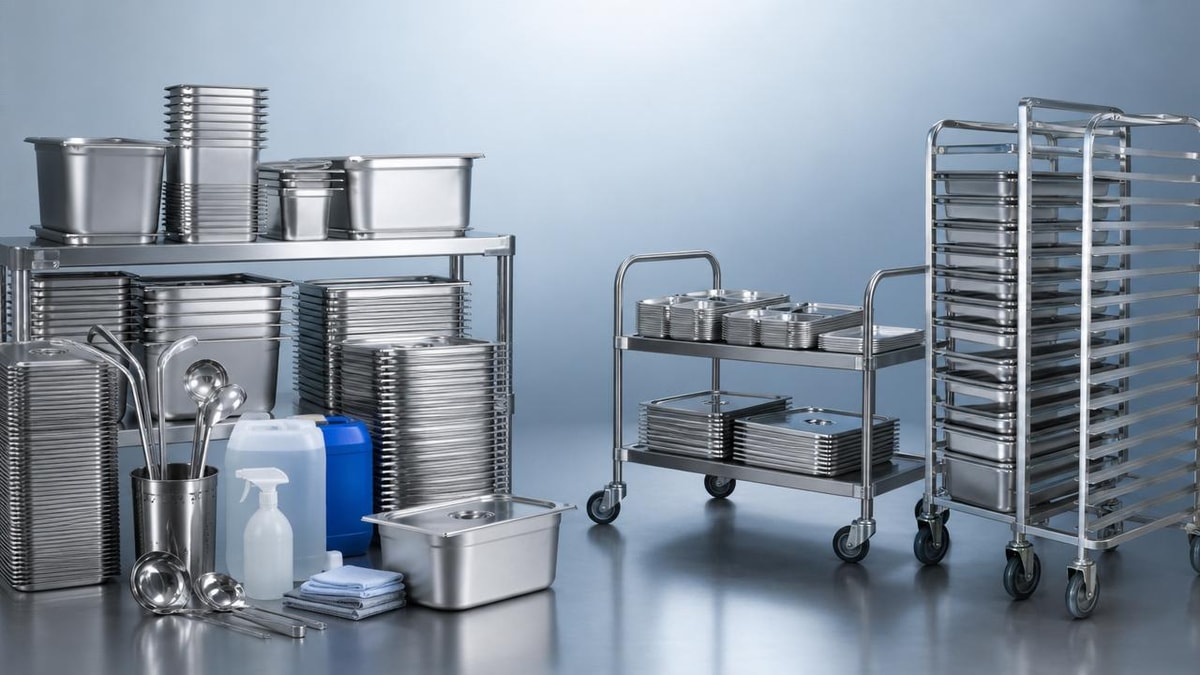
Freshly baked products are especially vulnerable in the first 30 to 90 minutes after oven exit. Cooling racks, pan trolleys, sheet tray organizers, and transport carts help protect shape, crust, and finish. This matters for breads, laminated pastries, cookies, and decorated items alike. If operators stack products too early or move them on unstable trays, breakage and deformation rise quickly.
5. Packaging and labeling tools
Packaging is not only for presentation. Proper bags, clamshells, boxes, film sealers, date labels, and batch stickers help prevent drying, crushing, and shelf-life confusion. For bakeries with retail and wholesale output, labeling should support traceability in 3 areas: production date, batch identification, and storage instruction. Better packaging also reduces returns caused by damage in short-distance delivery.
The comparison below outlines how different supply groups contribute to waste control across bakery production. It is useful when reviewing procurement priorities or planning phased upgrades.
For many operators, the best sequence is to improve measuring first, then storage, then handling. That order addresses the three most common cost leaks: over-portioning, spoilage, and product damage. It also keeps investment practical, especially for bakeries adding supplies in stages over 1 to 3 purchasing cycles.
How to Choose Supplies Based on Production Volume, Layout, and Cleaning Demands
Choosing restaurant supplies for bakeries is easier when operators use a short evaluation framework. Instead of asking which product looks most durable, ask how it performs during the busiest 2 to 4 hours of the day. A useful review should cover capacity, cleaning, compatibility, and storage footprint. These factors influence real waste control more than appearance or low upfront price.
Capacity should match actual batch size
Oversized containers, racks, or mixers may seem flexible, but they can increase partial loading and handling inefficiency. Undersized units create overflow, extra transfers, and rushed work. If a bakery typically runs 15 kg to 30 kg dough batches, containers and transfer tools should be selected around that range rather than at extreme capacity. Matching tools to common batch size usually lowers waste and operator strain.
Cleaning time is a direct cost factor
Operators should compare how long a supply item takes to empty, wipe, disassemble, wash, and dry. A tool that saves 3% ingredient loss but adds 25 minutes of cleaning per shift may not be the best option. Smooth surfaces, rounded corners, removable parts, and easy-drain designs often provide better long-term value. In bakeries running 2 shifts, cleanability matters as much as performance.
Four-point selection checklist
- Does it fit the bakery’s daily batch range and tray format?
- Can one operator move, clean, or reset it safely within 5 to 10 minutes?
- Will it reduce at least one visible waste point in the current process?
- Is it compatible with existing shelving, carts, ovens, or prep tables?
Layout compatibility prevents hidden loss
A bakery can own quality tools and still waste product if movement paths are poor. Supplies should support a clear flow from storage to scaling, mixing, proofing, baking, cooling, and packing. If operators cross paths or carry trays over long distances, the risk of spills and breakage increases. Even reducing a transfer route by 3 to 5 meters can improve speed and reduce accidents in compact kitchens.
Implementation Tips, Common Mistakes, and Long-Term Waste Control
Buying better supplies is only the first step. Waste control improves when bakeries implement simple operating rules and monitor results over time. This does not require a complex digital system in every case. A practical 30-day review using batch records, damaged-product counts, and ingredient variance logs can already show whether new tools are delivering measurable value.
Start with one process, not the entire bakery
A phased rollout is usually more effective than a full replacement program. For example, begin with scaling and storage, train staff for 7 to 14 days, then move to tray handling and packaging. This reduces disruption and makes it easier to see which restaurant supplies for bakeries are changing operator behavior. It also helps supervisors compare before-and-after loss levels with more confidence.
Common mistakes that reduce the value of new supplies
- Buying tools without checking fit for existing pans, racks, or benches
- Skipping operator training because the equipment seems simple
- Using good storage bins but weak labeling, which breaks FIFO discipline
- Adding portion tools without recalibrating recipes and production sheets
- Ignoring maintenance until lids, seals, wheels, or displays begin to fail
Maintenance and replacement planning
Consumable and high-contact supplies should be inspected on a fixed schedule. For busy bakeries, visual checks can be daily, cleaning verification can be per shift, and deeper condition reviews can be monthly. Worn scraper edges, loose scale feet, cracked bins, and damaged tray corners all contribute to product loss. A replacement cycle based on condition rather than failure helps prevent avoidable downtime and waste spikes.
What operators should track after purchase
Useful indicators include ingredient variance per batch, damaged units per day, time spent in cleanup, storage loss frequency, and operator complaints linked to handling. Tracking just 5 indicators for 4 weeks can reveal whether a new supply category is performing as expected. This approach turns procurement into a measurable improvement process rather than a one-time expense.
Restaurant supplies for bakeries deliver the best results when they support accurate measuring, cleaner handling, protected storage, and safer post-bake movement. For operators, the right tools reduce repeated errors, simplify daily routines, and help maintain product quality across every shift. If you are reviewing bakery equipment or planning a supply upgrade, contact us to discuss your workflow, compare suitable options, and get a practical solution tailored to your production needs.
Popular Tags
Kitchen Industry Research Team
Dedicated to analyzing emerging trends and technological shifts in the global hospitality and foodservice infrastructure sector.
Industry Insights
Join 15,000+ industry professionals. Get the latest market trends and tech news delivered weekly.
No spam. Unsubscribe anytime.
Contact With us
Contact:
Anne Yin (Ceramics Dinnerware/Glassware)
Lucky Zhai(Flatware)