
Buffet warmer equipment that looks premium but heats unevenly
Premium-looking buffet warmer equipment can elevate presentation, but uneven heating quickly leads to food safety risks, waste, and customer complaints. For buyers and operators comparing food warmer equipment with kitchen preparation equipment such as a kitchen prep table, commercial sink unit, or commercial microwave oven, understanding real performance beyond appearance is essential. This guide explains what causes inconsistent heating and how to choose equipment that delivers both style and reliable results.
In commercial kitchens, banquet halls, hotels, cafeterias, and catering lines, buffet warmer equipment is judged twice: first by appearance, then by holding performance. A polished stainless finish, sleek glass sneeze guard, or premium control panel may help the product look high-end, but none of these features matter if food temperatures drift below safe holding ranges or vary sharply from one pan section to another.
For information researchers, operators, procurement teams, and business decision-makers, the real question is not whether a warmer looks premium. It is whether the unit can maintain stable heat over 2–4 service hours, support efficient workflows, and reduce complaints, rework, and food loss. That requires a closer look at heating design, insulation, controls, load patterns, and installation conditions.
Why Premium Buffet Warmers Often Heat Unevenly
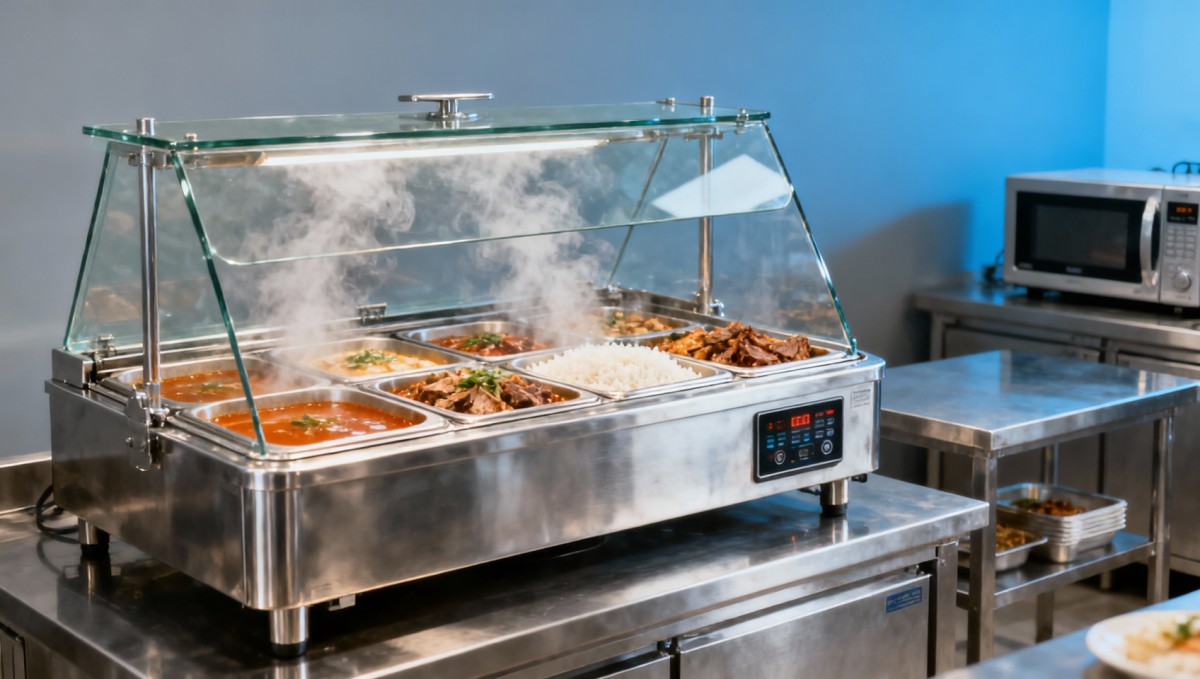
Uneven heating is usually a design and application issue rather than a cosmetic one. In many buffet warmer equipment models, the outer housing, trim, and display elements receive more attention than the heating path itself. A unit may appear robust from the front, yet still have hot spots near the heating element and cold zones at the corners, edges, or water pan ends.
The most common causes include poor heat distribution, low-quality thermostats, inconsistent contact between the heating plate and food pan, and weak insulation. In wet heat models, shallow water depth or uneven pan seating can cause 8°C–15°C differences across the same service line. In dry heat units, heat often concentrates near the center, leaving perimeter sections under-heated.
Operators also create variability through real-world loading. A buffet line that opens with preheated food at 75°C behaves differently from one loaded with product at 50°C. Frequent lid opening every 2–3 minutes, half-filled pans, and mixed pan sizes all affect holding consistency. A warmer that performs well in a showroom may struggle under a lunch rush serving 80–150 guests per hour.
Another issue is control accuracy. Some entry-level control systems may show a target setting, but the actual pan temperature can swing by more than 10°C. For sensitive items such as sauces, cooked vegetables, rice, or sliced proteins, that gap increases both quality loss and food safety exposure. Premium appearance can hide basic control limitations if buyers only compare exterior finish and not thermal stability.
Common technical reasons behind inconsistent holding
- Single-zone heating across long wells, where one thermostat controls 2–4 pans with different heat demands.
- Insufficient insulation thickness, causing heat loss through side panels and bottom surfaces.
- Low sensor accuracy or slow response time, especially during repeated opening and refilling cycles.
- Poor airflow or steam circulation in enclosed buffet warmer equipment with decorative covers.
- Mismatch between GN pan size, pan depth, and the designed heat transfer path.
Operational signs buyers should not ignore
When staff rotate pans more often at one end, stir products in one section to maintain heat, or compensate by raising the thermostat to the maximum setting, the equipment is signaling poor thermal balance. These workarounds raise labor time and may overcook some foods while still failing to protect colder sections.
If customer complaints increase during the final 45–60 minutes of service, the problem may not be the recipe. It may be holding performance. Procurement teams should ask for actual operating data, preheat time, recovery time after pan replacement, and expected temperature variation between positions.
Food Safety, Waste, and Brand Risks Caused by Uneven Heating
Buffet warmer equipment is part of a larger food holding system, not a decorative fixture. In restaurants, hotels, schools, hospitals, and corporate dining, hot-held food generally needs to remain above the local safe holding threshold used by the operation. Many kitchens use 60°C or 63°C as a practical minimum benchmark, but target holding is often set higher, such as 65°C–75°C, to allow for service disturbance and product variation.
When one pan area falls below target while another remains too hot, kitchens face a double loss. The cooler section increases safety risk, while the hotter section dries out, splits sauces, hardens starches, or toughens proteins. Over a 3-hour buffet period, even a 5%–12% increase in waste can materially affect food cost in high-volume sites.
For operators, inconsistent warming also disrupts workflow. Staff spend extra time checking temperatures, moving pans, remixing contents, or reheating in a commercial microwave oven. That adds unnecessary steps in kitchens already balancing prep tables, wash zones, hot lines, and service stations. A product that looked premium at purchase can create hidden operating costs every day afterward.
For decision-makers, the brand impact is equally important. Guests rarely know whether the problem came from heating layout, thermostat quality, or loading practice. They only remember that the soup was lukewarm or the rice was dry. In hospitality settings, inconsistent buffet quality can weaken repeat business and event reputation.
Risk comparison across common service outcomes
The table below shows how uneven heating affects operations beyond temperature alone. It helps procurement and operations teams compare visible and hidden costs during equipment evaluation.
The key takeaway is that heating unevenly is not a minor inconvenience. It directly affects food safety management, labor efficiency, customer satisfaction, and cost control. In B2B procurement, these downstream effects should be valued as seriously as purchase price and exterior appearance.
How to Evaluate Buffet Warmer Equipment Beyond Appearance
A good evaluation process should combine specification review, performance verification, and real-use simulation. Buyers often compare buffet warmer equipment beside a kitchen prep table, commercial sink unit, refrigerated counters, and holding cabinets as part of a larger line design. That means the warmer must be assessed not only as a standalone item, but as part of the kitchen workflow, electrical load plan, cleaning routine, and service pattern.
Start with heating configuration. Ask whether the unit uses wet heat, dry heat, infrared assistance, or separate heat zones. For a 3-pan or 4-pan layout, individual controls usually offer better adaptability than one shared thermostat. Also review preheat time, which commonly ranges from 15–30 minutes, and temperature recovery time after replacing a full pan, which should be discussed clearly with the supplier.
Next, check construction details that influence heat stability. These include well depth, pan contact design, insulation around side walls, gasket quality on covered units, and drainage design for wet heat systems. A premium polished finish is useful, but thermal retention, ease of cleaning, and resistance to continuous 6–10 hour daily operation matter more in commercial service.
Finally, confirm whether the warmer matches the actual menu. Thick soups, stews, sauces, and braised items tolerate holding better than fried items, delicate seafood, or creamy starches. If the menu includes mixed product types, a single buffet warmer equipment specification may not perform equally across all pans. Procurement should map menu profile to heat method before final selection.
Practical procurement checklist
- Verify how many independent heat zones the unit provides: 1, 2, 3, or more.
- Request the normal operating range and realistic pan-level temperature stability, not only control knob numbers.
- Check whether the unit supports GN pans or proprietary sizes that affect replacement cost.
- Confirm cleaning access, drain design, and maintenance intervals for daily and weekly sanitation.
- Ask for installation requirements, such as voltage, power load, ventilation space, and countertop cut-out tolerance.
What to compare during supplier review
When multiple suppliers offer similar stainless finishes and glass structures, the stronger comparison points are hidden inside the equipment: control precision, heating distribution, insulation quality, serviceability, spare part availability, and after-sales response time. In many projects, these factors matter more over a 3–5 year ownership cycle than a small difference in purchase cost.
The following table gives a practical framework for evaluating buffet warmer equipment in a professional B2B purchasing process.
This evaluation structure helps buyers separate decorative value from operating value. If a supplier can explain thermal performance clearly and address installation, workflow, and maintenance questions in detail, that usually indicates a more reliable commercial solution.
Selection Standards for Different Kitchen and Service Scenarios
Not every buffet operation needs the same warmer design. A hotel breakfast line serving for 2 hours has different needs from a staff canteen running 4 hours, and both differ from banquet service with intermittent peak loading. Choosing buffet warmer equipment by appearance alone ignores these use-case differences and increases the chance of overheating or under-holding.
For hotels and premium hospitality spaces, aesthetics do matter, but they should be paired with stable pan temperatures, easy front-of-house cleaning, and quiet operation. In institutional foodservice, durability, predictable recovery time, and low-maintenance controls may matter more than decorative trim. In central kitchen linked service points, compatibility with standardized pans and transport workflows is often a priority.
Menu structure is another critical factor. Foods with high moisture retention generally hold better than crisp, layered, or emulsified dishes. Operators should expect stronger performance from stew, curry, porridge, or sauce than from fries, breaded items, or delicate pasta finishes. Where menu diversity is high, separate warming strategies often outperform one universal buffet line setup.
Energy use and operating hours should also be reviewed. A unit running 8 hours daily requires more attention to insulation, control accuracy, and service access than one used only for occasional events. Procurement teams should examine duty cycle, cleaning frequency, and expected annual usage before making a final decision.
Application-oriented selection guidance
- Hotel buffet: prioritize presentation, low visible steam loss, smooth control, and stable multi-pan holding for breakfast and brunch service.
- School or hospital dining: prioritize safe holding, simple controls, easy sanitation, and strong reliability across repeated daily service cycles.
- Catering and banquets: prioritize transport resilience, quick setup, fast preheat within 15–25 minutes, and flexible pan configurations.
- Restaurant self-service line: prioritize integration with prep counters, sink units, and adjacent microwaves for fast replenishment.
Mistakes often made during selection
A frequent mistake is selecting a larger, more decorative unit than needed, then operating it half loaded most of the time. Half-load conditions can worsen heat imbalance. Another mistake is choosing one thermostat for different foods requiring different holding behavior. A third is failing to train staff on preheat, water level, and refill sequence, which can undermine even a well-designed product.
Buyers should also assess nearby equipment. If the service area relies on a kitchen prep table for replenishment, a commercial sink unit for cleaning, and a commercial microwave oven for reheating backup portions, the warmer must fit that service rhythm. Proper equipment selection is rarely about one machine in isolation.
Installation, Daily Operation, and Maintenance to Improve Heating Consistency
Even high-quality buffet warmer equipment can underperform if installation or operation is poor. Countertop leveling, electrical stability, ventilation clearance, and correct pan fit all influence heat behavior. If the unit is not level, water in wet heat systems may pool unevenly, which can create cold sections. If the power supply fluctuates or extension setups are unsuitable, recovery speed may also drop.
Preheating is one of the simplest but most neglected steps. Many kitchens shorten preheat to save time, but loading food too early increases temperature lag during the first 20–30 minutes of service. Staff should also load food already within the intended hot-holding range whenever possible, instead of expecting the warmer to function like a cooking appliance.
Routine maintenance makes a measurable difference. Scale buildup in wet heat systems, damaged seals, loose sensor connections, and distorted pans can all affect performance. A basic inspection every 1–2 weeks, plus deeper preventive maintenance every 3–6 months depending on usage intensity, can reduce temperature drift and prolong service life.
Training should cover more than switching the unit on and off. Operators need clear instructions on preheat time, water fill level, pan spacing, acceptable refill intervals, cleaning sequence, and when to verify temperatures manually. These simple controls often have a larger impact on actual performance than decorative design elements ever will.
Daily operating practices that reduce uneven heating
- Preheat for the manufacturer’s recommended period, commonly 15–30 minutes before loading.
- Use correctly sized pans and avoid warped containers that reduce surface contact or proper seating.
- Group foods by holding behavior instead of mixing very sensitive and very stable products in adjacent wells.
- Check water level in wet systems at scheduled intervals, such as every 30–45 minutes during heavy use.
- Verify product temperature at multiple points, not only at the center of the hottest pan.
FAQ for buyers and operators
How can I tell if buffet warmer equipment heats unevenly before purchase?
Ask for a practical demonstration or a temperature mapping test across all pan positions for at least 60 minutes. Compare readings from center, corners, and edge zones. Also request information on preheat time and recovery after replacing one full pan. These details are more useful than exterior photos or polished finishes.
Is wet heat always better than dry heat?
Not always. Wet heat often works well for soups, sauces, rice, and moist prepared foods, while dry heat may be simpler to maintain and cleaner for certain applications. The better choice depends on menu type, service duration, sanitation routine, and whether consistent humidity support is needed.
What service life should commercial buyers expect?
Actual service life depends on usage intensity, cleaning quality, component access, and maintenance discipline. In many commercial environments, the practical review cycle for buffet warmer equipment is around 3–5 years, although individual units may operate longer with proper preventive care and available spare parts.
When should a business replace rather than repair?
Replacement becomes more reasonable when temperature control remains unstable after repair, parts lead times disrupt operations, corrosion affects sanitation, or the unit no longer fits workflow upgrades. If labor loss, food waste, and downtime continue rising, replacement may deliver better long-term value than repeated service calls.
Premium appearance has value in modern foodservice, but it should never outrank dependable holding performance. The right buffet warmer equipment supports food safety, product quality, labor efficiency, and a stronger guest experience across restaurants, hotels, canteens, and catering operations. By evaluating heating uniformity, control accuracy, workflow fit, and maintenance practicality, buyers can avoid costly mistakes hidden behind polished surfaces.
If you are comparing buffet warmers alongside other kitchen preparation equipment such as a kitchen prep table, commercial sink unit, or commercial microwave oven, a solution-based review will deliver better results than appearance-based purchasing. Contact us to discuss your application, get a tailored equipment recommendation, or learn more about practical kitchen equipment solutions for reliable daily service.
Popular Tags
Kitchen Industry Research Team
Dedicated to analyzing emerging trends and technological shifts in the global hospitality and foodservice infrastructure sector.
Industry Insights
Join 15,000+ industry professionals. Get the latest market trends and tech news delivered weekly.
No spam. Unsubscribe anytime.
Contact With us
Contact:
Anne Yin (Ceramics Dinnerware/Glassware)
Lucky Zhai(Flatware)