
Why Foodservice Equipment Suppliers Are Rethinking Lead Times
Across commercial kitchens and food processing projects, lead time now shapes cost, timing, and operational readiness.
That shift is pushing foodservice equipment suppliers to rethink sourcing, production planning, logistics, and after-sales coordination.
In a market moving toward automation, smart systems, and energy efficiency, delayed equipment creates wider project risk.
Understanding why lead times are changing helps align specifications, budgets, installation schedules, and long-term kitchen performance.
Lead time has become a strategic issue, not a shipping detail
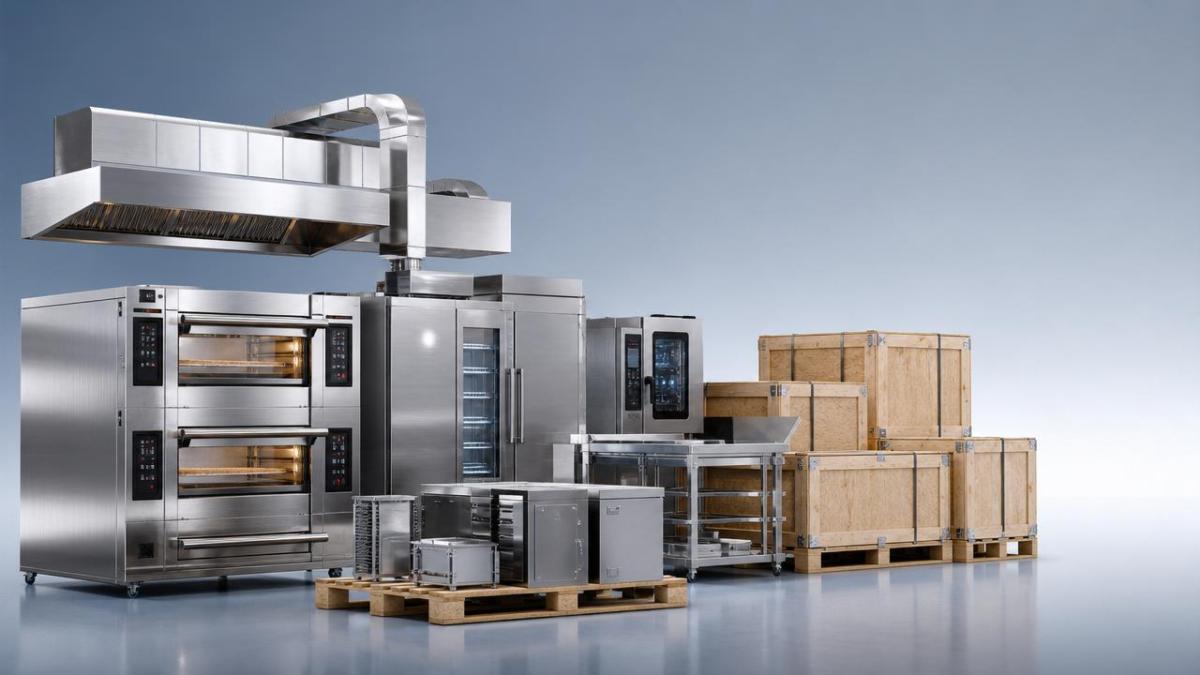
Foodservice equipment suppliers once competed mainly on price, catalog range, and delivery promises.
Today, lead time influences project sequencing, site readiness, staffing plans, and revenue start dates.
Commercial kitchen projects are also more interconnected than before.
A delayed combi oven can affect ventilation testing, electrical checks, workflow training, and opening schedules.
For that reason, foodservice equipment suppliers are treating lead time as part of total project performance.
This is especially visible in restaurants, hotels, central kitchens, and food processing upgrades.
In these environments, missing one equipment milestone often triggers several hidden costs.
Several trend signals explain why schedules are under pressure
The kitchen equipment sector is expanding, but demand patterns are becoming less predictable.
More buyers want custom dimensions, smart controls, lower energy use, and compliance-ready documentation.
At the same time, global sourcing networks remain exposed to freight volatility and component shortages.
Foodservice equipment suppliers are also handling more technically integrated solutions than standalone products.
Refrigeration, cooking, ventilation, digital monitoring, and stainless fabrication now depend on tighter coordination.
That complexity makes traditional lead-time assumptions less reliable.
The strongest signals seen across the market
- More projects specify energy-efficient and smart kitchen equipment.
- Custom fabrication is rising in premium hospitality and central kitchen layouts.
- Imported parts can extend production windows unexpectedly.
- Installation sequencing has become stricter due to mechanical and electrical integration.
- Opening deadlines are less flexible because labor and rent costs remain high.
The main forces pushing foodservice equipment suppliers to rethink lead times
The shift is not caused by one problem.
It comes from a mix of technology upgrades, supply uncertainty, and changing customer expectations.
As a result, foodservice equipment suppliers are redesigning the entire fulfillment model.
Many are balancing local stock, regional assembly, and flexible sourcing to reduce schedule shock.
The impact reaches far beyond procurement and delivery dates
Longer or uncertain lead times affect every stage of a kitchen or food processing project.
The consequences are operational, financial, and technical.
Where the pressure appears first
- Design revisions may increase when exact equipment dimensions are delayed.
- MEP coordination becomes harder if final equipment loads are not confirmed early.
- Site installation teams face idle time when core units arrive late.
- Training and commissioning can compress into a risky final window.
- Budget pressure grows when temporary substitutions are required.
Foodservice equipment suppliers are responding by sharing earlier technical data and more realistic availability ranges.
That change improves planning quality even when exact delivery dates still carry some uncertainty.
It also supports phased project decisions, especially for central kitchens and larger hospitality developments.
What stronger suppliers are doing differently now
Not all responses are the same, but several patterns are becoming common.
The best foodservice equipment suppliers are not simply promising faster delivery.
They are building systems that make delivery performance more predictable.
Key adjustments happening across the sector
- Dual sourcing for essential components such as controllers, compressors, and burners.
- Modular product design that shortens final assembly time.
- Regional warehousing for high-demand standard models and spare parts.
- Earlier engineering review before order release.
- Digital order tracking tied to fabrication and shipping milestones.
- Closer coordination between fabrication, logistics, and commissioning teams.
These changes matter because modern kitchen equipment is no longer only a hardware purchase.
It is part of an integrated operating system for safety, productivity, and energy control.
The most important areas to watch during supplier evaluation
When lead time becomes a project risk, evaluation criteria need to go beyond list price.
Foodservice equipment suppliers should be reviewed for schedule resilience as well as product quality.
Priority checkpoints
- How much of the product range is stocked, assembled regionally, or fully custom?
- Which components create the longest production bottlenecks?
- Are technical drawings and utility data available before final shipment?
- How are delivery updates communicated when schedules change?
- Is commissioning support aligned with actual arrival dates?
- What contingency options exist if one critical unit slips?
These questions help reveal whether foodservice equipment suppliers manage uncertainty actively or react only after delays appear.
A practical response plan can reduce disruption without slowing innovation
The goal is not to avoid advanced equipment or custom solutions.
The goal is to match innovation with better timing discipline and earlier coordination.
This approach supports both standard restaurant projects and complex food processing installations.
It also fits the wider industry shift toward smart, efficient, and integrated kitchen environments.
The next move is to treat lead time visibility as part of equipment strategy
The market will continue rewarding advanced, efficient, and digitally connected kitchen systems.
But those benefits only materialize when equipment arrives, installs, and performs on schedule.
That is why foodservice equipment suppliers are rethinking lead times from the inside out.
The strongest results come from earlier specification control, clearer milestones, and resilient supply planning.
Review current equipment plans, identify critical-path items, and compare foodservice equipment suppliers by predictability, not only speed.
That single shift can improve project readiness, protect budgets, and strengthen long-term operational performance.
Popular Tags
Kitchen Industry Research Team
Dedicated to analyzing emerging trends and technological shifts in the global hospitality and foodservice infrastructure sector.
Industry Insights
Join 15,000+ industry professionals. Get the latest market trends and tech news delivered weekly.
No spam. Unsubscribe anytime.
Hot Articles
 How to Choose a Leak-Proof Glass Storage Container for Meal Prep and Transport
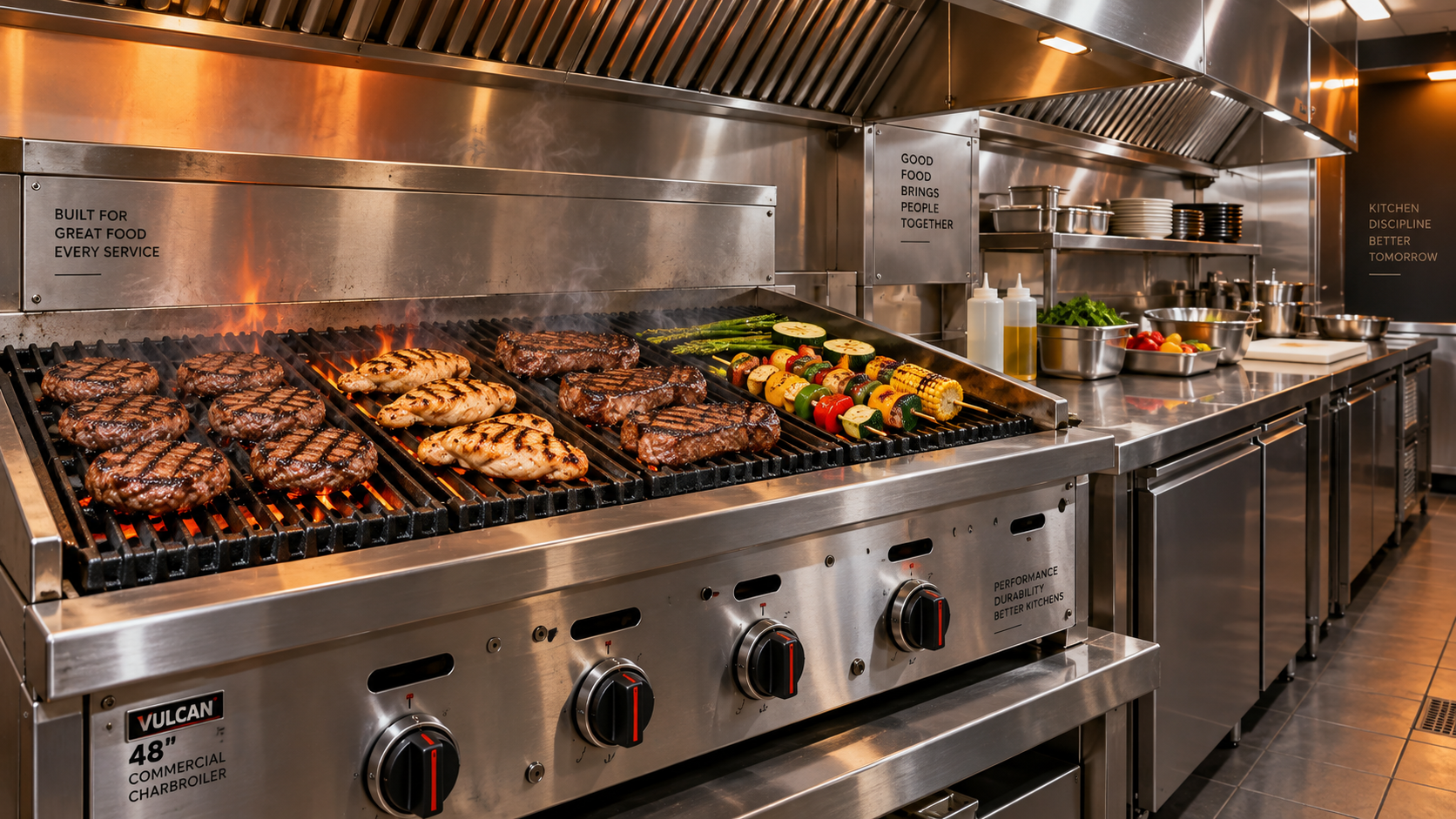
- How to Size a Commercial Charbroiler for Peak-Hour Restaurant Output
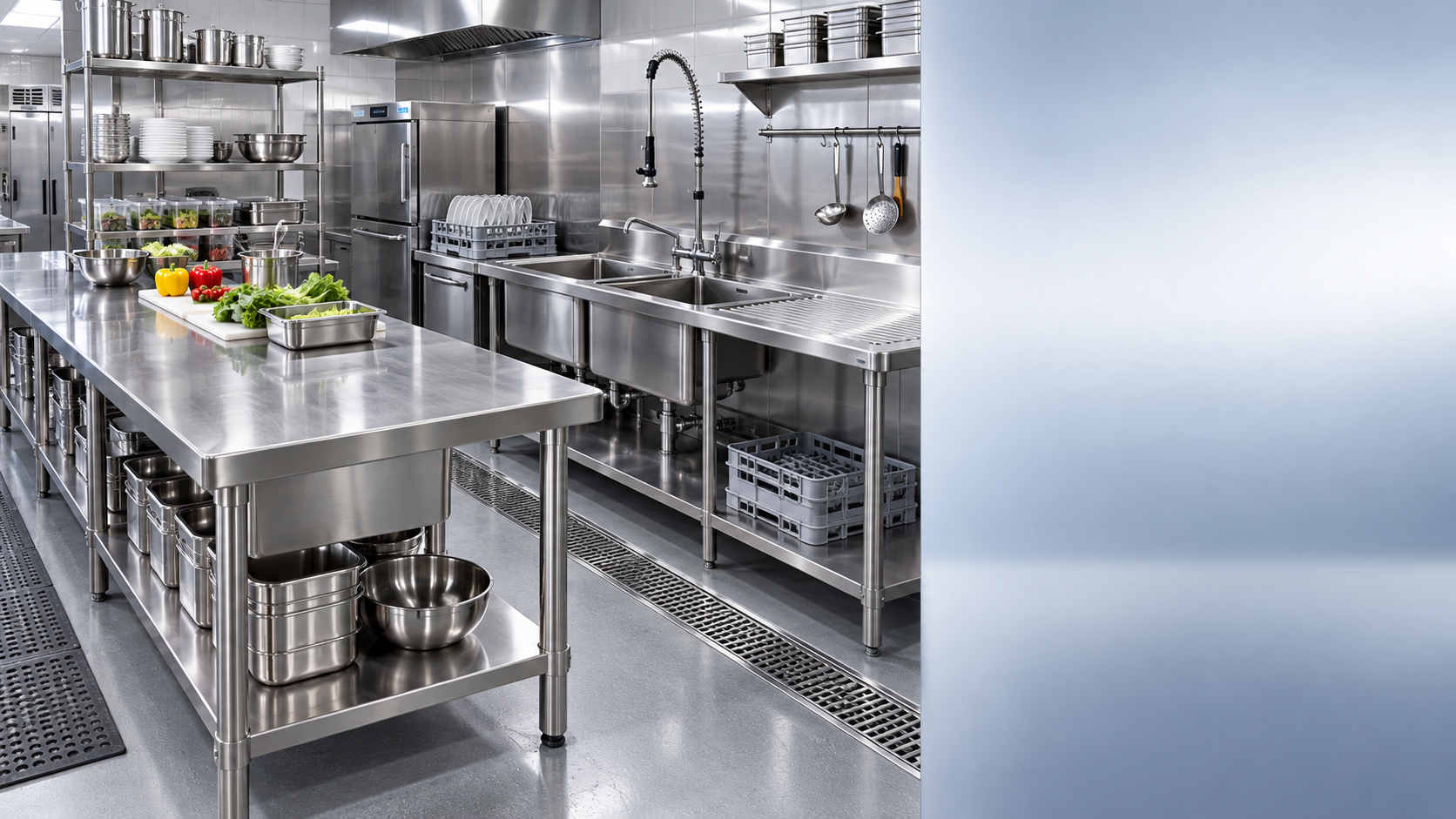
- How to Specify Stainless Steel Kitchen Equipment for High-Volume Commercial Kitchens
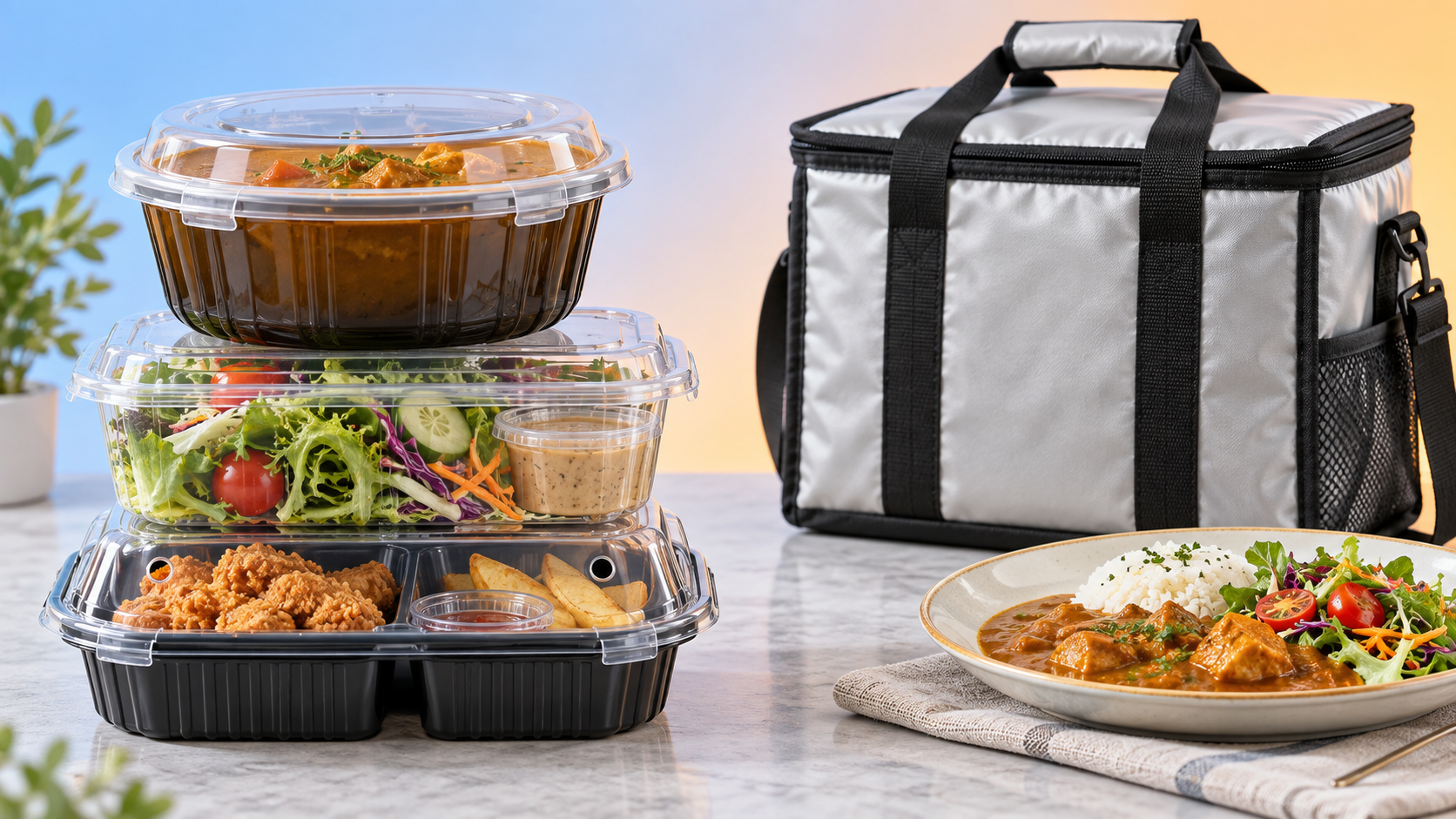
- How to Choose Food Containers for Hot, Cold, and Leak-Prone Takeout Meals

Contact With us
Contact:
Anne Yin (Ceramics Dinnerware/Glassware)
Lucky Zhai(Flatware)