
TÜV Rheinland Launches Global Green Kitchen Certification Platform
On May 11, 2026, German testing and certification body TÜV Rheinland officially launched its ‘Green Kitchen Certification Platform’, enabling kitchen appliance manufacturers — particularly those in China — to submit carbon-related ESG data online for direct integration with EU databases. This development is especially relevant for exporters of commercial and residential kitchen equipment, component suppliers, and sustainability compliance service providers, as it introduces a new, standardized pathway for demonstrating alignment with key EU sustainability regulations.
Event Overview
On May 11, 2026, TÜV Rheinland launched the ‘Green Kitchen Certification Platform’. The platform allows Chinese kitchen equipment manufacturers to upload verified environmental data—including raw material carbon footprint, production energy consumption, and packaging recyclability rates. The system automatically cross-checks submissions against EN 15804+A2 and the EU Green Claims Directive, and generates compliance statements aligned with the EU’s Ecodesign for Sustainable Products Regulation (ESPR). As of launch, 37 Chinese manufacturers have received Digital Green Passports, intended for use in EU customer due diligence processes.
Industries Affected
Direct Exporters of Kitchen Appliances
Exporters supplying commercial or residential kitchen appliances to the EU face heightened verification requirements under ESPR. The platform offers a structured mechanism to compile and validate sustainability data, reducing ad hoc documentation requests from EU importers. Impact includes tighter pre-shipment compliance checks and potential delays if carbon data is incomplete or inconsistent with EU standards.
Component and Material Suppliers
Suppliers providing raw materials, insulation, coatings, or packaging to kitchen equipment OEMs may be asked to provide certified carbon footprint data (e.g., EPDs) to support their customers’ platform submissions. Impact manifests as increased demand for verifiable upstream environmental data—and possible contractual pressure to obtain third-party verification.
Kitchen Equipment Manufacturers (OEMs/ODMs)
Chinese manufacturers producing for global brands or private-label EU distribution must now integrate carbon tracking into core production reporting systems. Impact includes operational adjustments: e.g., capturing energy use per production line, mapping material origins, and maintaining auditable records for packaging recovery rates.
Sustainability Compliance and Certification Service Providers
Firms offering ESG advisory, LCA support, or certification preparation services may see rising demand for platform-specific guidance—particularly around EN 15804+A2 interpretation and EU Green Claims Directive alignment. Impact includes shifting service scope toward data readiness, not just final certification.
What Enterprises and Practitioners Should Focus On
Monitor official updates on ESPR implementation timelines
The platform aligns with ESPR, but the regulation’s full enforcement schedule remains subject to EU Commission updates. Enterprises should track delegated acts and sectoral implementing rules, especially those specifying mandatory digital product passports for kitchen appliances.
Prioritize data collection for high-impact categories
Based on the platform’s stated inputs, focus first on quantifying production energy use (scope 1 & 2), sourcing primary material carbon footprints (e.g., stainless steel, aluminum), and documenting packaging composition and end-of-life recovery pathways—not all data points carry equal weight in current EU assessments.
Distinguish between platform access and regulatory obligation
Use of the TÜV Rheinland platform is voluntary at launch. Its adoption does not substitute for legal compliance; rather, it serves as a readiness tool. Companies should avoid conflating platform participation with fulfillment of ESPR or Green Claims Directive obligations, which remain enforceable by EU market surveillance authorities.
Prepare internal data governance protocols now
Manufacturers planning platform use should formalize roles for data ownership, version control, and audit trail maintenance—especially for carbon intensity metrics. Early alignment with internal IT and production teams helps avoid bottlenecks when scaling submissions beyond pilot batches.
Editorial Observation / Industry Perspective
Observably, this platform functions less as an immediate regulatory requirement and more as an early-mover infrastructure response to converging EU sustainability mandates. Analysis shows that its design reflects anticipatory standardization: it bundles multiple compliance touchpoints (EPD alignment, green claims validation, digital passport generation) into one workflow. From an industry perspective, it signals growing institutional expectation that carbon data will be machine-readable, interoperable, and embedded in commercial transactions—not just reported annually. However, its current utility remains contingent on broader EU policy developments, including the finalization of ESPR annexes and enforcement guidance. Continuous observation is warranted—not because the platform itself is binding, but because it previews the data architecture future EU market access is likely to require.
This initiative marks a step toward operationalizing sustainability compliance for kitchen equipment exporters, but it does not yet represent a de facto standard or mandatory gateway. Its significance lies in its timing and specificity: it targets a defined product category, leverages existing EU frameworks, and offers tangible outputs (Digital Green Passports) usable in real procurement contexts. For stakeholders, the most constructive stance is neither dismissal nor overreaction—but calibrated readiness grounded in verified data infrastructure.
Source: TÜV Rheinland official announcement (May 11, 2026).
Note: Ongoing monitoring is recommended for updates to ESPR delegated acts, EN 15804+A2 application guidance, and EU national market surveillance practices related to green claims verification.
Popular Tags
Kitchen Industry Research Team
Dedicated to analyzing emerging trends and technological shifts in the global hospitality and foodservice infrastructure sector.
Industry Insights
Join 15,000+ industry professionals. Get the latest market trends and tech news delivered weekly.
No spam. Unsubscribe anytime.
Hot Articles
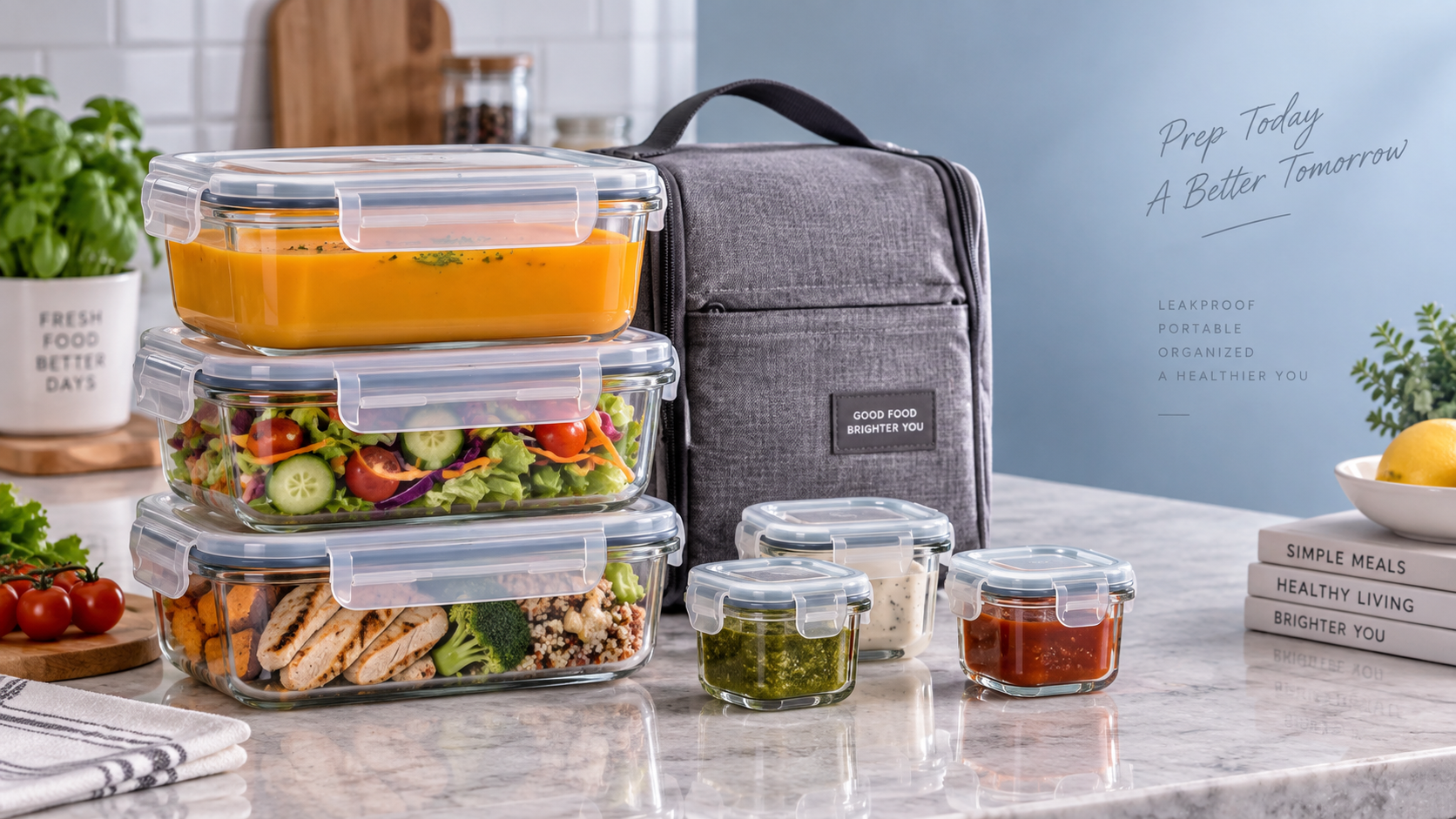
 How to Choose a Leak-Proof Glass Storage Container for Meal Prep and Transport
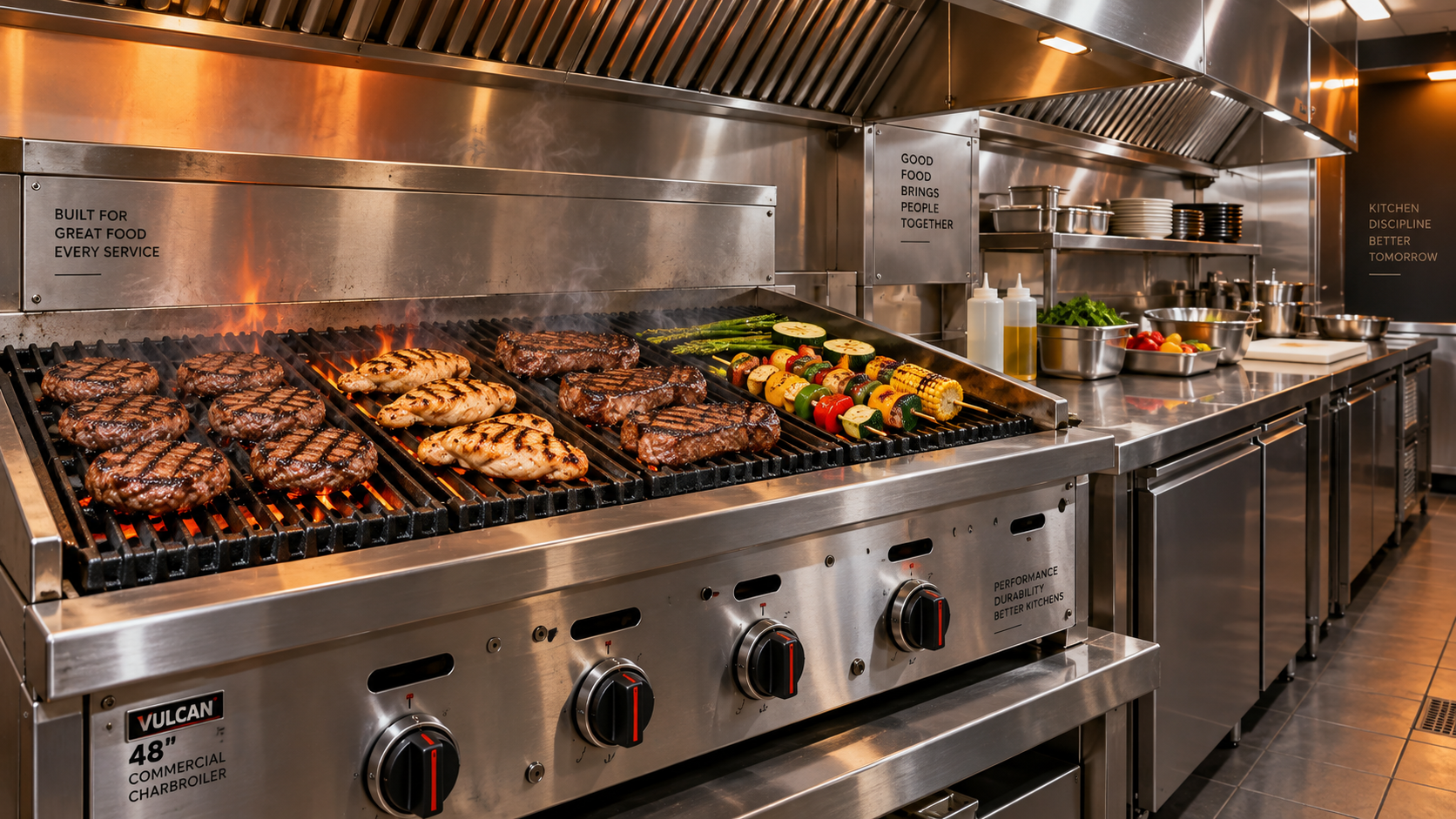
- How to Size a Commercial Charbroiler for Peak-Hour Restaurant Output
- How to Specify Stainless Steel Kitchen Equipment for High-Volume Commercial Kitchens
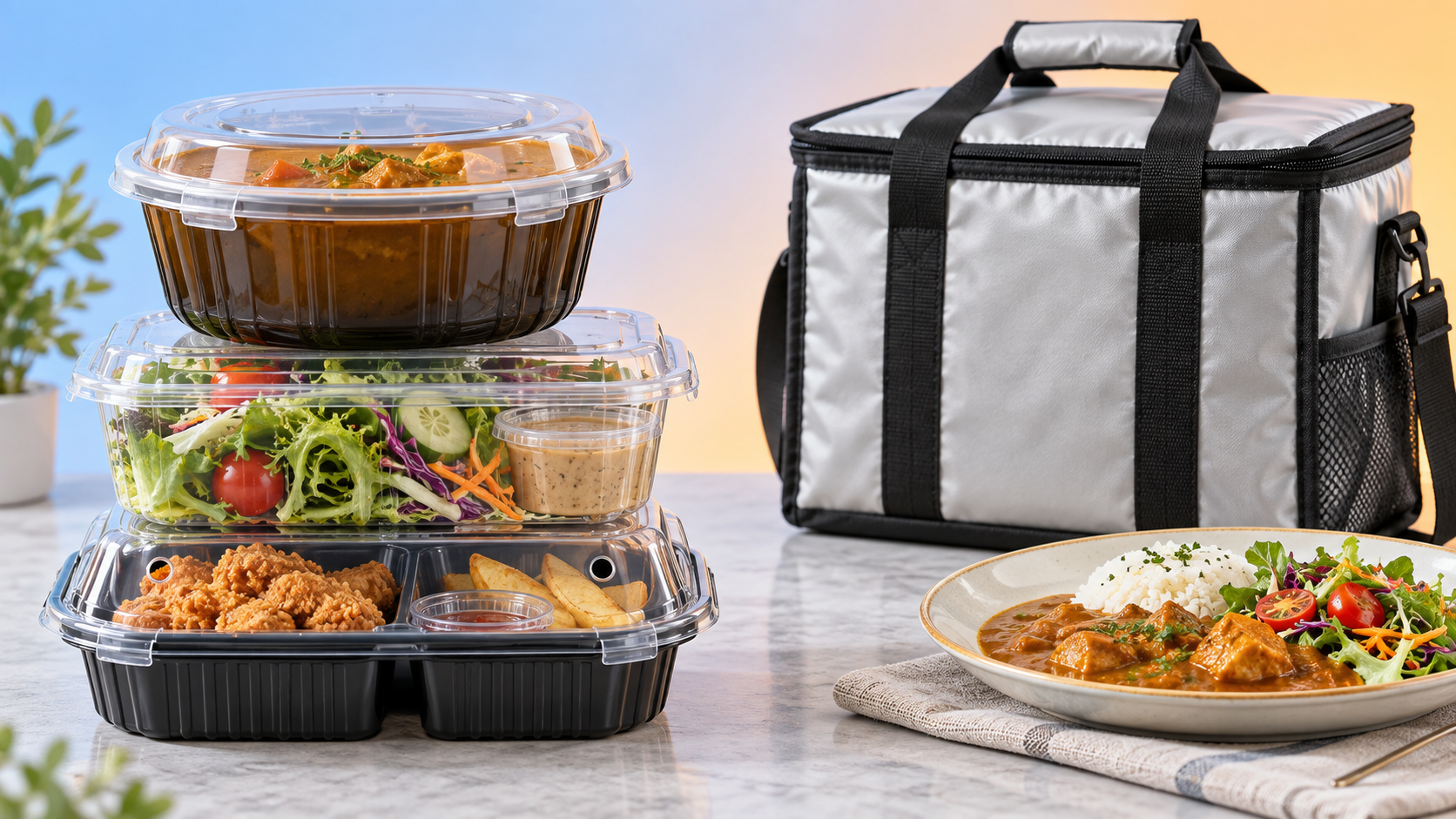
- How to Choose Food Containers for Hot, Cold, and Leak-Prone Takeout Meals

Contact With us
Contact:
Anne Yin (Ceramics Dinnerware/Glassware)
Lucky Zhai(Flatware)