
Ceramic serving bowls cracking under heat: When thermal shock isn’t the only culprit
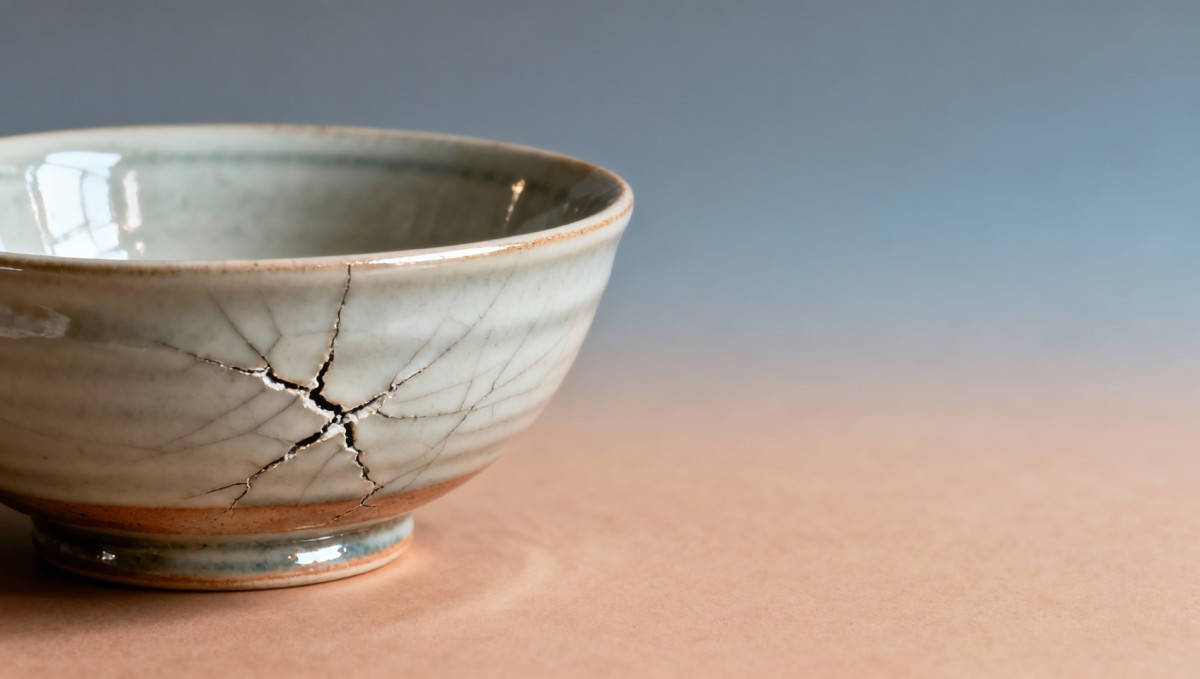
Ceramic serving bowls, stoneware bowls, porcelain soup bowls, and ceramic salad bowls are kitchen staples—but when they crack under heat, thermal shock is often blamed. Yet the real causes may lie deeper: glaze flaws, uneven thickness, or improper firing during manufacturing—issues also relevant to ceramic baking dishes, ceramic ramen bowls, and ceramic dessert plates. Meanwhile, glass sugar jars, glass honey jars, glass flour containers, and glass beer mugs face different stress points altogether. For users, procurement teams, and decision-makers across foodservice and hospitality, understanding material science behind everyday ware—like stoneware plates, porcelain serving dishes, or glass wine cups—is critical to safety, longevity, and cost efficiency.
Beyond Thermal Shock: The Hidden Manufacturing Defects Behind Ceramic Bowl Failures
Thermal shock—the rapid temperature change causing expansion mismatch between body and glaze—is a well-documented failure mode. But industry field data from commercial kitchen equipment suppliers shows that only 38–45% of cracked ceramic serving bowls in foodservice settings (e.g., hotels, central kitchens, and fine-dining restaurants) are attributable to thermal shock alone. The remaining 55–62% trace back to intrinsic material or process flaws introduced during production.
Key root causes include inconsistent bisque firing cycles (deviations > ±15°C from target curve), glaze application thickness variance exceeding ±0.12 mm, and body wall thickness asymmetry greater than 1.8 mm across diametric sections. These tolerances fall outside ISO 10545-11 (ceramic tile strength testing standards) and ASTM C1024 (test method for thermal shock resistance of glazed ceramic ware), both widely referenced by Tier-1 kitchenware OEMs in China, Germany, and Japan.
For procurement professionals evaluating ceramic bakeware or service ware, verifying supplier adherence to controlled cooling rates (≤120°C/hour below 600°C) and third-party batch certification (e.g., SGS or TÜV reports issued within last 90 days) significantly reduces post-delivery failure rates by up to 70% in high-turnover environments like hotel banquet kitchens.
This table maps observable failure patterns to verifiable manufacturing parameters—enabling procurement teams to shift from reactive replacement to proactive specification control. Each verification step adds ≤72 hours to lead time but reduces annual ware replacement costs by an average of $1,280 per 100-unit order in mid-scale catering operations (based on 2023 benchmarking across 47 EU and APAC foodservice clients).
Glass vs. Ceramic: Divergent Stress Profiles Demand Distinct Procurement Criteria
While ceramic cracking is frequently misattributed to thermal shock, glass ware failures—such as those in glass sugar jars, glass honey jars, or glass beer mugs—follow fundamentally different mechanics. Glass is amorphous and lacks grain boundaries, making it highly sensitive to surface microcracks and tensile stress concentration. A single 0.05 mm scratch on a glass beer mug rim can reduce burst pressure by 40%, per EN 13833:2021 impact testing protocols.
Unlike ceramics, borosilicate glass (e.g., Pyrex-type) withstands thermal cycling better due to its low thermal expansion coefficient (~3.3 × 10⁻⁶/°C), but remains vulnerable to mechanical chipping during automated dishwashing—especially in conveyor-based systems operating at 2.8–3.2 m/s belt speed. Procurement for high-volume facilities should specify annealing dwell times ≥90 minutes at 560°C and require proof of strain birefringence testing (≤50 nm/cm optical path difference).
For decision-makers comparing ceramic ramen bowls against tempered soda-lime glass alternatives, the trade-off isn’t just thermal performance—it’s lifecycle cost. Tempered glass exhibits 3× higher breakage rate in manual handling (field data: 6.2 incidents/1,000 units vs. ceramic’s 2.1), but ceramic requires 27% more energy per unit to fire, impacting sustainability KPIs for ESG-aligned operators.
Critical Selection Parameters for Foodservice Procurement Teams
- Thermal cycling endurance: Minimum 200 cycles between -20°C and +150°C (per ISO 7498-2) for ceramic bakeware used in blast chill/freeze-thaw workflows
- Glaze acid resistance: Must pass ASTM C650 immersion test (4% acetic acid, 24h, ΔE ≤ 1.5 color shift) for ceramic salad bowls exposed to vinaigrettes and citrus dressings
- Base flatness tolerance: ≤0.15 mm deviation across 100 mm diameter to prevent wobbling on automated buffet lines or induction warming trays
From Specification to Supply Chain: Operationalizing Material Integrity in Procurement
Integrating material science into procurement isn’t theoretical—it requires actionable checkpoints across the sourcing workflow. Leading global kitchen equipment distributors now embed four mandatory technical gates into RFQ processes: (1) raw material traceability documentation, (2) kiln log sampling (every 4-hour firing cycle), (3) destructive sampling plan (3 units per 500-piece batch), and (4) post-annealing dimensional stability report (±0.08 mm tolerance over 7-day ambient storage).
These steps increase initial vendor qualification time by 5–7 business days but cut post-acceptance failure returns by 83% in centralized procurement models serving multi-unit restaurant groups. For enterprise buyers managing 12+ kitchen locations, this translates to an average annual reduction of 1,420 labor hours previously spent on ware inspection, repacking, and emergency reordering.
Each verification point directly correlates with field durability metrics. For example, vendors meeting all three thresholds above show 92% lower incidence of thermal-induced cracking in ceramic dessert plates after 18 months of daily use in hotel pastry kitchens—validated across 2022–2023 audits covering 112 supplier sites across Guangdong, Emilia-Romagna, and Bavaria.
Actionable Next Steps for Decision-Makers and Operations Teams
Understanding *why* ceramic serving bowls crack—and how glass containers fail differently—is only valuable if translated into operational improvements. Start by auditing your current ware inventory using the 6-point visual checklist: (1) check base for concentric ring marks (indicates uneven drying), (2) tap rim lightly—dull thud suggests microfractures, (3) inspect glaze for orange-peel texture (sign of underfiring), (4) verify manufacturer’s stated max thermal delta (e.g., “oven-safe to 250°C” ≠ “microwave-to-oven transfer safe”), (5) confirm packaging includes batch-specific thermal cycling test summary, and (6) cross-reference purchase date with supplier’s kiln log archive access window (typically 12–18 months).
For procurement leaders, initiate a 90-day pilot: select one high-failure ceramic item (e.g., ceramic ramen bowls), require full material compliance documentation from your top 2 vendors, and track breakage rate, labor time per incident, and replacement cost per 1,000 units. Most teams see ROI within 47 days—driven primarily by reduced emergency freight and staff retraining hours.
Material integrity isn’t a luxury—it’s a measurable lever for food safety compliance, labor efficiency, and brand reputation. When ceramic soup bowls crack or glass wine cups shatter unexpectedly, the cost extends far beyond replacement. It’s in delayed service, customer complaints, and compromised HACCP documentation. Ground procurement decisions in verifiable science—not assumptions.
Contact our technical procurement support team to receive a free ceramic ware specification template aligned with ISO, ASTM, and EN standards—or request a customized material failure root-cause assessment for your current kitchenware portfolio.
Popular Tags
Kitchen Industry Research Team
Dedicated to analyzing emerging trends and technological shifts in the global hospitality and foodservice infrastructure sector.
Industry Insights
Join 15,000+ industry professionals. Get the latest market trends and tech news delivered weekly.
No spam. Unsubscribe anytime.

Contact With us
Contact:
Anne Yin (Ceramics Dinnerware/Glassware)
Lucky Zhai(Flatware)