
Which kitchen tools for baking are worth buying for daily use
Choosing the right kitchen tools for baking can make everyday cooking easier, faster, and more enjoyable. From measuring tools and mixing essentials to versatile bakeware, the best products are the ones you will actually use often. In this guide, we will look at which baking tools are truly worth buying for daily use, helping you build a practical kitchen setup without wasting money on unnecessary gadgets.
Why a practical buying checklist matters for kitchen tools for baking
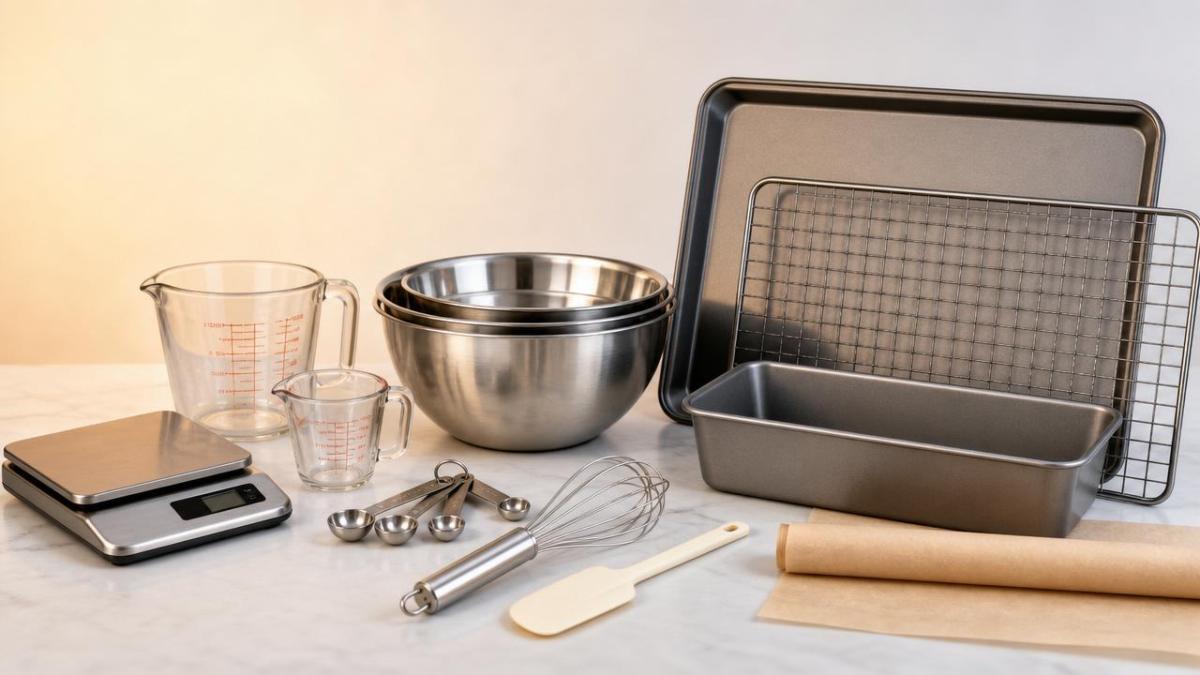
The market is full of specialty gadgets, but daily baking rarely needs all of them. A checklist helps separate useful tools from products that only take up storage space.
This matters across the wider kitchen equipment industry. Better tool selection improves efficiency, supports food safety, and reduces replacement costs in home and professional environments.
When comparing kitchen tools for baking, focus on frequency of use, cleaning effort, durability, and how many tasks one item can handle well.
Checklist: which kitchen tools for baking are worth buying for daily use
- Choose nested measuring cups and spoons with clear markings, because accurate measuring improves consistency for cakes, muffins, cookies, pancakes, and many quick everyday baking recipes.
- Buy a digital kitchen scale early, since weighing flour, butter, sugar, and dough usually gives better results than volume measuring and reduces preparation mistakes.
- Pick two medium mixing bowls in stainless steel or glass, as they work for whisking, folding, proofing, marinating, and storing ingredients before baking.
- Add a silicone spatula that can scrape bowls clean, fold batters gently, stir sauces, and handle heat without warping or retaining strong food odors.
- Keep a sturdy whisk for eggs, cream, custard, and dry ingredient blending, especially when daily baking does not justify using an electric mixer every time.
- Select a baking sheet with a heavy gauge surface, because thin trays warp easily and often create uneven browning in cookies, roasted pastries, and sheet bakes.
- Use a rectangular cake pan or loaf pan first, since these pieces handle bread, banana loaf, brownies, casseroles, and simple desserts with minimal storage demand.
- Buy parchment paper or a reusable baking mat to reduce sticking, shorten cleanup time, and protect bakeware from frequent scrubbing and staining.
- Choose a wire cooling rack to prevent soggy bottoms, improve air circulation, and support safe cooling for breads, cookies, and muffins after baking.
- Keep an oven thermometer inside the oven, because many household ovens run hot or cold and can ruin baking even when the control panel looks correct.
- Invest in an electric hand mixer only if you make cakes, whipped cream, or frostings often; otherwise, manual tools may cover most daily baking needs.
- Prefer dishwasher-safe kitchen tools for baking when possible, because easy cleaning increases actual daily use and keeps routine kitchen work efficient.
What to prioritize first when building a baking toolkit
Start with accuracy and versatility
If the budget is limited, start with measuring tools, a digital scale, mixing bowls, a whisk, and a spatula. These are the foundation of reliable daily baking.
These basic kitchen tools for baking support cookies, pancakes, quick breads, muffins, simple cakes, and even non-baking prep tasks in a regular kitchen.
Add bakeware based on what you make most
People who bake cookies often should prioritize a heavy baking sheet. Those making sandwich bread or banana bread will get more value from a loaf pan first.
If brownies, tray bakes, and bar desserts are common, a rectangular pan becomes one of the most useful kitchen tools for baking in daily use.
Best kitchen tools for baking in different daily scenarios
For small kitchens
Storage matters as much as function in compact spaces. Look for nested bowls, stackable pans, collapsible measuring cups, and multi-use tools that replace several single-purpose items.
In small kitchens, the best kitchen tools for baking are usually the ones with flat profiles, durable construction, and easy cleaning after frequent use.
For families baking several times a week
A hand mixer, cooling rack, large baking sheet, and two or three pans help maintain speed. Repetition makes quality and durability more important than low initial price.
Daily family baking also benefits from tools with clear measurements, heat resistance, and surfaces that release food cleanly without extra oil or heavy scraping.
For mixed home and light commercial use
Some kitchens support small catering, studio baking, or shared cooking projects. In these cases, choose stronger materials, consistent sizing, and equipment that holds up under repeated cycles.
This reflects a larger trend in the kitchen equipment industry, where durable, efficient, and easy-to-sanitize tools are valued across both domestic and commercial settings.
Commonly overlooked points when buying kitchen tools for baking
Ignoring material quality
Cheap handles loosen, thin metal bends, and poor silicone cracks over time. Daily use quickly exposes weak construction, especially with repeated heating and washing.
Buying oversized sets
Large bundles often include specialty items that stay untouched. It is usually better to buy fewer kitchen tools for baking and choose pieces with proven repeat use.
Forgetting cleanup time
A tool can work well but still become annoying if it traps batter, rusts, or needs hand washing after every use. Convenience affects long-term value.
Skipping heat and size checks
Always confirm oven-safe temperatures, pan dimensions, and storage fit. Even excellent kitchen tools for baking fail if they do not match your oven or shelf space.
A simple action plan for buying the right tools
- List the five baked items you make most often, then match tools directly to those recipes instead of shopping by trend or appearance.
- Buy core tools first: scale, measuring set, bowls, spatula, whisk, baking sheet, and one versatile pan.
- Upgrade one category at a time after repeated use reveals a real limitation in speed, consistency, or cleanup.
- Compare reviews for durability, handle comfort, coating performance, and temperature accuracy before choosing premium-priced items.
- Replace weak items quickly, because unreliable tools often waste ingredients, time, and energy during daily baking routines.
Conclusion: buy kitchen tools for baking that earn their space
The best kitchen tools for baking are not the most expensive or the most specialized. They are the tools used often, cleaned easily, and trusted for steady results.
Start with accurate measuring tools, reliable mixing essentials, durable bakeware, and one or two smart accessories like parchment paper and an oven thermometer.
If a tool improves consistency, saves time, and supports several recipes, it is probably worth buying. Use that standard, and your baking setup will stay practical, efficient, and cost-effective.
Popular Tags
Kitchen Industry Research Team
Dedicated to analyzing emerging trends and technological shifts in the global hospitality and foodservice infrastructure sector.
Industry Insights
Join 15,000+ industry professionals. Get the latest market trends and tech news delivered weekly.
No spam. Unsubscribe anytime.

Contact With us
Contact:
Anne Yin (Ceramics Dinnerware/Glassware)
Lucky Zhai(Flatware)