
How to Choose a Glass Home Decor Vase That Sells in 2026?
In 2026, choosing a glass home decor vase that truly sells means understanding more than style alone. Buyers now compare design appeal, durability, market trends, and how products match related bestsellers such as a glass centerpiece vase, glass office vase, or even complementary tabletop items like a stoneware serving dish and ceramic serving bowl. This guide helps researchers, buyers, and decision-makers identify what drives demand and how to select profitable vase options with confidence.
The core buying question is simple: which glass vase styles will still move well after the initial trend spike, fit multiple use scenarios, and deliver healthy margins with low return risk? For most buyers and sourcing teams, the best-selling options in 2026 are not the most artistic or cheapest pieces. They are the vases that combine versatile design, strong packaging performance, reliable glass quality, and clear fit for real demand in home decor, hospitality, gifting, office styling, and event use.
What Actually Makes a Glass Home Decor Vase Sell in 2026?
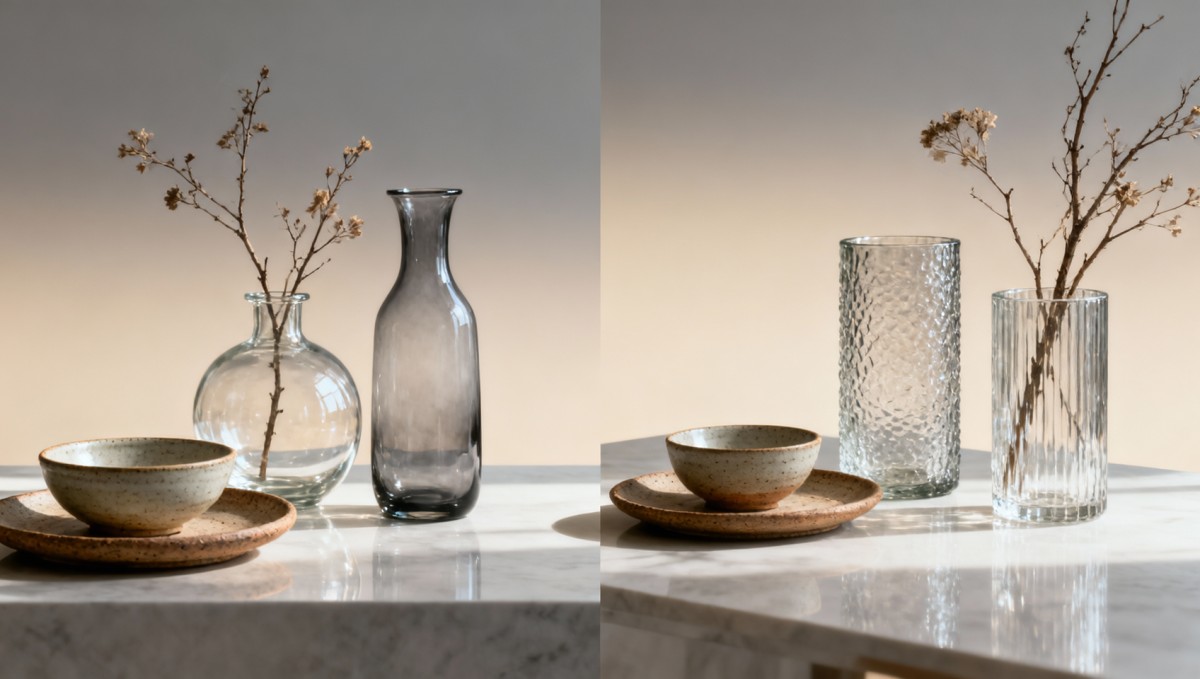
A glass home decor vase sells when it performs well across three layers of demand: visual appeal, practical usability, and commercial fit. Many products look attractive in catalogs but fail once they reach actual buyers. In 2026, the highest-performing vase products usually share these characteristics:
- Versatile styling: clean silhouettes, neutral or lightly tinted colors, and shapes that suit modern, minimalist, Japandi, contemporary, and hotel-style interiors.
- Multi-scene use: suitable as a glass centerpiece vase, shelf accent, dining table decoration, office decor item, wedding vase, or gift product.
- Reliable durability: thick enough to reduce breakage risk, stable base design, and packaging that protects the product during shipping.
- Good visual value at retail: buyers want a vase that looks premium in photos and on display, even at a mid-range price point.
- Easy merchandising: a product that pairs naturally with candles, ceramic serving bowl collections, stoneware serving dish assortments, artificial flowers, or seasonal decor.
In other words, the vase needs to work as a decor object and as a sellable SKU. That is the difference between a beautiful product and a profitable one.
What Are Buyers, Users, and Decision-Makers Most Concerned About?
Although different reader groups evaluate products differently, their concerns overlap in a few important ways.
Information researchers usually want to know which styles are trending, what materials perform best, and how to compare design options without being misled by short-term fashion.
Users and operators care more about daily practicality: Is the vase easy to clean? Is it stable? Will it work with fresh flowers, dried arrangements, or standalone decoration? Does the glass scratch easily?
Procurement teams focus on product consistency, price positioning, shipping safety, MOQ, packaging efficiency, and whether the vase can fit different sales channels such as retail, wholesale, hospitality, and e-commerce.
Business decision-makers look at bigger questions: Will this category grow? Which vase styles support repeat orders? What are the risks of trend-sensitive inventory? How can vases increase cross-category sales?
If your goal is to choose a glass vase that sells, these concerns should guide selection more than appearance alone.
Which Glass Vase Styles Are Most Likely to Sell Well in 2026?
The strongest commercial styles in 2026 are expected to be those with broad placement flexibility and easy aesthetic compatibility. These typically include:
- Cylindrical and column vases: popular for centerpieces, hospitality settings, weddings, and modern homes.
- Round belly vases: favored for soft, organic interiors and shelf styling.
- Tall narrow-neck vases: ideal for minimalist stems and office decoration.
- Textured glass vases: add visual interest while remaining neutral enough for mass appeal.
- Smoked, amber, olive, and light gray tones: colored glass with restrained elegance is expected to remain attractive in premium and contemporary segments.
- Clear glass classics: still highly sellable because they are easy to match and widely accepted across markets.
For many suppliers and buyers, a smart assortment includes both trend-led items and dependable evergreen shapes. A clear glass centerpiece vase may generate consistent volume, while a textured or tinted glass office vase may help lift average order value through design differentiation.
How Should You Judge Quality Beyond Appearance?
A vase may photograph beautifully yet cause serious issues in actual sales. Quality evaluation should include the following checkpoints:
- Wall thickness: overly thin glass increases breakage risk during transport and customer use.
- Base stability: narrow or uneven bases can lead to tipping, especially for tall arrangements.
- Edge finishing: smooth, clean rims indicate better production quality and safer handling.
- Transparency and color consistency: poor-quality glass may show visible distortion, bubbles, or uneven tinting unless intentionally designed that way.
- Weight balance: a vase should feel substantial enough to support flowers without becoming inefficient to ship.
- Packaging protection: inner supports, partition design, and drop resistance matter as much as the vase itself.
For procurement professionals, packaging failure can destroy the profit of a promising product. That is why evaluating the shipped product, not just the sample on display, is critical.
How Do You Choose the Right Vase for Different Sales Scenarios?
The best vase is not the same for every channel or buyer group. Selection should match the intended market:
- For home decor retail: prioritize attractive form, trend relevance, giftability, and easy shelf appeal.
- For e-commerce: choose designs with lower breakage risk, compact shipping size, and strong product photography potential.
- For hospitality and office projects: focus on stable shapes, repeated reorder consistency, easy cleaning, and understated style.
- For event and wedding supply: select standardized dimensions, stackable or easy-to-pack formats, and timeless clear glass options.
- For lifestyle bundle sales: use vases that match tabletop and dining products, such as ceramic serving bowl and stoneware serving dish collections, to create coordinated merchandising stories.
This is where many businesses gain extra value. A vase does not need to sell only as a standalone decor item. It can support broader collection selling, visual merchandising, and cross-category presentation.
What Market Signals Should You Watch Before Buying in Volume?
If you want to reduce risk, watch demand signals before placing large orders. Useful indicators include:
- repeat appearance of similar shapes across multiple retail markets
- high engagement on styled-room and tabletop decor content
- growth in demand for multifunctional decor pieces
- rising interest in office styling and hospitality-inspired interiors
- continued preference for sustainable-looking, timeless, low-clutter design themes
Also pay attention to return data, customer reviews, and shipping damage reports. A vase may trend on social media and still underperform commercially if it is fragile, hard to clean, or smaller than buyers expect.
How Can Procurement Teams and Business Leaders Make Better Selection Decisions?
For companies making sourcing or assortment decisions, a practical framework is more useful than trend chasing. Ask these questions before approval:
- Does the vase fit more than one market segment? A design that works for home, office, hospitality, and gifting has stronger sales potential.
- Is the style trend-aware but not trend-dependent? Avoid products that may feel outdated within one season.
- Can it be safely packed and efficiently shipped? Margin loss from breakage can cancel strong sales.
- Does it support upselling or bundle selling? Matching it with dining and tabletop products can improve commercial value.
- Can the supplier maintain consistency? Reliable repeat production is essential for scale.
- Does the retail price feel justified by the visual impact? Perceived value strongly affects conversion.
A good buying decision usually comes from balancing design appeal, operational practicality, and category strategy rather than maximizing one factor alone.
Common Mistakes to Avoid When Choosing a Glass Home Decor Vase
Several mistakes repeatedly reduce sales performance:
- choosing overly niche artistic shapes with limited placement appeal
- focusing only on low unit cost while ignoring breakage and return rates
- buying trend-driven colors without testing broader demand
- neglecting packaging validation for e-commerce and export shipping
- ignoring size communication, which leads to customer disappointment
- treating the vase as an isolated product instead of part of a decor ecosystem
The most successful sellers in 2026 will likely avoid these errors by selecting vases that combine stable demand, strong presentation, and reliable logistics performance.
Final Decision: What Kind of Glass Vase Is Most Likely to Win in 2026?
If you need a clear answer, the best-selling glass home decor vase in 2026 will usually be one that is visually versatile, durable enough for modern distribution, suitable for multiple spaces, and easy to pair with broader decor or tabletop collections. Clear and lightly tinted glass, balanced proportions, stable bases, and flexible use cases will outperform products that rely only on novelty.
For researchers, that means looking beyond trends. For users, it means choosing practical beauty. For buyers and decision-makers, it means prioritizing products that deliver not just style, but repeatable commercial value.
In short, a glass home decor vase that sells in 2026 is not simply fashionable. It is functional, market-ready, and strategically chosen to match real buyer behavior.
Popular Tags
Kitchen Industry Research Team
Dedicated to analyzing emerging trends and technological shifts in the global hospitality and foodservice infrastructure sector.
Industry Insights
Join 15,000+ industry professionals. Get the latest market trends and tech news delivered weekly.
No spam. Unsubscribe anytime.
Contact With us
Contact:
Anne Yin (Ceramics Dinnerware/Glassware)
Lucky Zhai(Flatware)