
Kitchen Equipment Maintenance Gaps That Lead to Early Failure
Many costly breakdowns do not begin with catastrophic defects. They start with small kitchen equipment maintenance gaps that seem harmless during busy daily operations.
In commercial kitchens, food processing lines, hotels, and institutional facilities, overlooked wear points slowly reduce efficiency, safety, and service continuity.
Effective kitchen equipment maintenance protects asset life, supports food safety, lowers emergency repair costs, and keeps production schedules stable.
This article explains where maintenance routines commonly fail, why those gaps matter, and how practical controls can prevent early equipment failure.
Understanding kitchen equipment maintenance and failure patterns
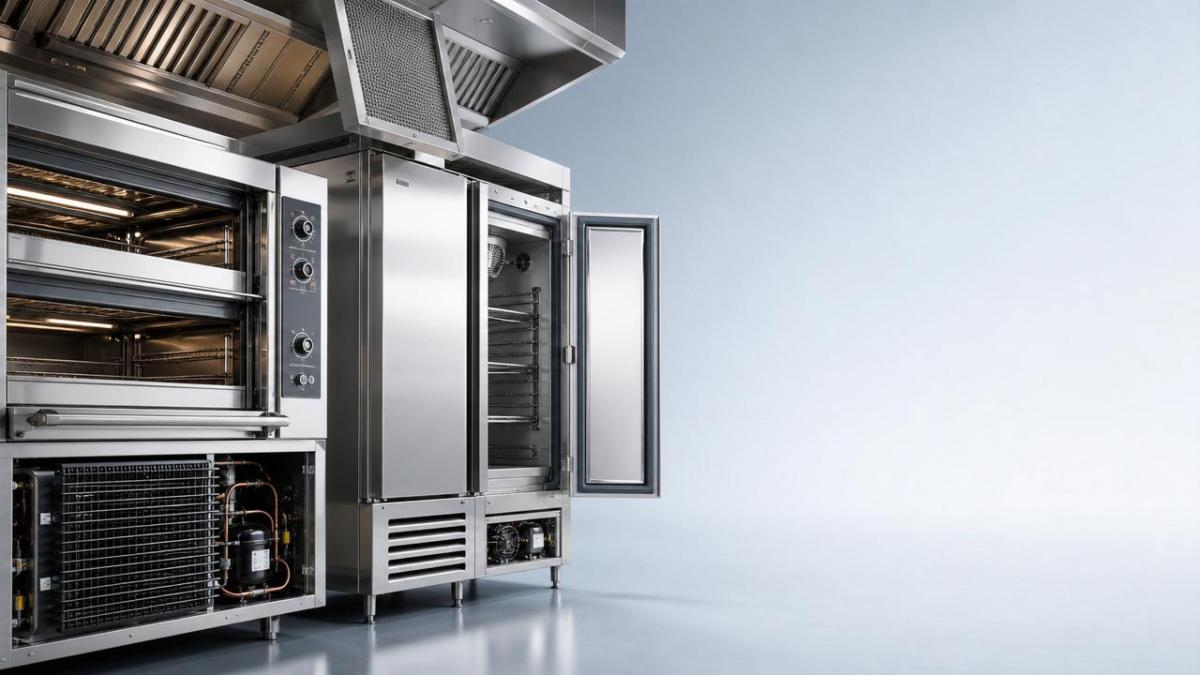
Kitchen equipment maintenance includes inspection, cleaning, lubrication, calibration, replacement planning, and performance verification across mechanical, electrical, and thermal systems.
The goal is not only repair. It is to preserve operating conditions that equipment needs for reliable, efficient, and safe long-term performance.
Early failure usually comes from cumulative stress. Heat, grease, moisture, vibration, poor airflow, and delayed servicing gradually damage critical components.
Commonly affected assets include ovens, fryers, mixers, refrigerators, freezers, dishwashers, slicers, steamers, hoods, and automated food preparation systems.
When kitchen equipment maintenance is inconsistent, minor symptoms become repeated service calls, higher energy use, unstable output, and shortened replacement cycles.
Core signs of maintenance gaps
- Unusual noise, vibration, or startup delay
- Uneven cooking, cooling, or washing results
- Frequent reset events, trips, or overheating
- Visible grease buildup, corrosion, or leaks
- Rising utility consumption without output growth
Industry pressures increasing maintenance risk
The kitchen equipment sector is changing quickly. Smart controls, automation, energy-saving designs, and integrated systems improve performance but also increase maintenance complexity.
At the same time, kitchens face tighter hygiene rules, labor shortages, longer operating hours, and stronger expectations for uninterrupted service.
These conditions make disciplined kitchen equipment maintenance more valuable than ever, especially where uptime directly affects customer service and food safety compliance.
Maintenance gaps that lead to early failure
The most damaging kitchen equipment maintenance gaps are often routine issues that seem too small to prioritize. Their combined effect can be severe.
Incomplete cleaning of heat-transfer surfaces
Grease, carbon, scale, and dust reduce heat transfer efficiency. Burners, coils, condensers, and vents then work harder and fail earlier.
This problem is common in fryers, ovens, refrigeration units, and dishwashers. Energy use rises while temperature stability declines.
Neglected airflow and ventilation checks
Blocked filters and poor clearance trap heat around compressors, motors, and control boards. Overheating shortens component life and increases shutdown risk.
Proper kitchen equipment maintenance must include airflow verification, not only external cleaning.
Missed lubrication points
Bearings, hinges, chains, and gear assemblies need correct lubrication intervals. Too little causes friction. Too much attracts debris and contamination.
Small lubrication failures often begin as noise, then become overheating, misalignment, or motor overload.
Loose electrical connections
Vibration and thermal cycling gradually loosen terminals and connectors. Resistance builds, heat increases, and boards or relays may fail unexpectedly.
This is one of the most overlooked kitchen equipment maintenance tasks in high-use kitchen environments.
Calibration drift in controls and sensors
Temperature probes, timers, pressure controls, and level sensors can drift over time. Output quality changes before the issue becomes obvious.
Incorrect readings may cause undercooking, overcooling, wasted energy, or repeated cycling stress.
Delayed seal, gasket, and hose replacement
Worn gaskets leak heat or cold air. Cracked hoses leak water, steam, or chemicals. These are inexpensive parts with expensive consequences.
Timely replacement is basic kitchen equipment maintenance that prevents corrosion, compressor overload, and sanitation concerns.
Business value of closing maintenance gaps
Strong kitchen equipment maintenance programs create measurable business value beyond repair prevention. They support consistency, planning, and asset efficiency.
- Lower emergency service frequency and overtime costs
- Longer usable life for ovens, refrigeration, and processing systems
- Better food quality through stable thermal performance
- Reduced energy waste from dirty or stressed equipment
- Improved hygiene control and compliance readiness
In a global market focused on automation and energy efficiency, maintenance discipline protects the return on increasingly advanced kitchen investments.
Typical equipment categories and gap priorities
Different asset types fail in different ways. Kitchen equipment maintenance should reflect actual operating stress rather than one uniform schedule.
Practical maintenance controls that reduce failure
Improving kitchen equipment maintenance does not always require expensive systems. It often begins with clearer routines, records, and inspection triggers.
Build task frequency by risk
High-heat, high-grease, and long-runtime assets need more frequent checks than low-use support equipment.
Track failure precursors
Record temperature drift, repeated resets, noise changes, current draw, and cleaning findings. Trend data reveals hidden kitchen equipment maintenance gaps early.
Standardize replacement thresholds
Do not wait for complete failure of gaskets, probes, belts, hoses, or filters. Set measurable wear limits and replace predictably.
Match cleaning methods to equipment design
Aggressive chemicals, excessive water, or incorrect tools can damage finishes, electronics, and seals. Maintenance quality matters as much as maintenance frequency.
Review smart equipment settings
Connected equipment may store alarms, cycle counts, and diagnostic logs. Use these features to strengthen preventive kitchen equipment maintenance decisions.
Key precautions for long-term equipment reliability
- Never treat cleaning and maintenance as separate activities
- Do not ignore minor leaks, odors, or intermittent faults
- Verify actual operating temperatures, not only display values
- Protect ventilation paths around hot and cooled equipment
- Document every service action for trend-based planning
Reliable kitchen equipment maintenance is a strategic discipline. It supports uptime, product quality, safety performance, and sustainable equipment ownership.
The next practical step is simple. Review current maintenance checklists, identify recurring weak points, and align service intervals with actual operating conditions.
By closing small kitchen equipment maintenance gaps now, operations can avoid early failure, reduce lifecycle cost, and protect critical kitchen performance over time.
Popular Tags
Kitchen Industry Research Team
Dedicated to analyzing emerging trends and technological shifts in the global hospitality and foodservice infrastructure sector.
Industry Insights
Join 15,000+ industry professionals. Get the latest market trends and tech news delivered weekly.
No spam. Unsubscribe anytime.

Contact With us
Contact:
Anne Yin (Ceramics Dinnerware/Glassware)
Lucky Zhai(Flatware)