
Ceramic ramen bowls that hold heat without feeling too heavy
A ceramic ramen bowl should do more than look beautiful—it should keep broth hot, feel balanced in your hands, and make every meal more enjoyable. If you want a ceramic ramen bowl that holds heat without feeling too heavy, understanding material, shape, and thickness can help you choose one that fits both daily use and special ramen nights.
For most home buyers, the core question is simple: which bowl keeps ramen warm long enough to enjoy, without becoming awkward, tiring, or overly bulky? The best answer is usually a medium-thick ceramic bowl with a well-balanced shape, a comfortable rim, and enough capacity for broth, noodles, and toppings without excessive wall weight.
Many shoppers focus first on appearance, but real satisfaction comes from how the bowl performs during use. A bowl can look handcrafted and elegant, yet feel too heavy when full. Another may be lightweight, but lose heat too quickly. The right choice sits between those extremes.
What most buyers are really looking for in a ceramic ramen bowl
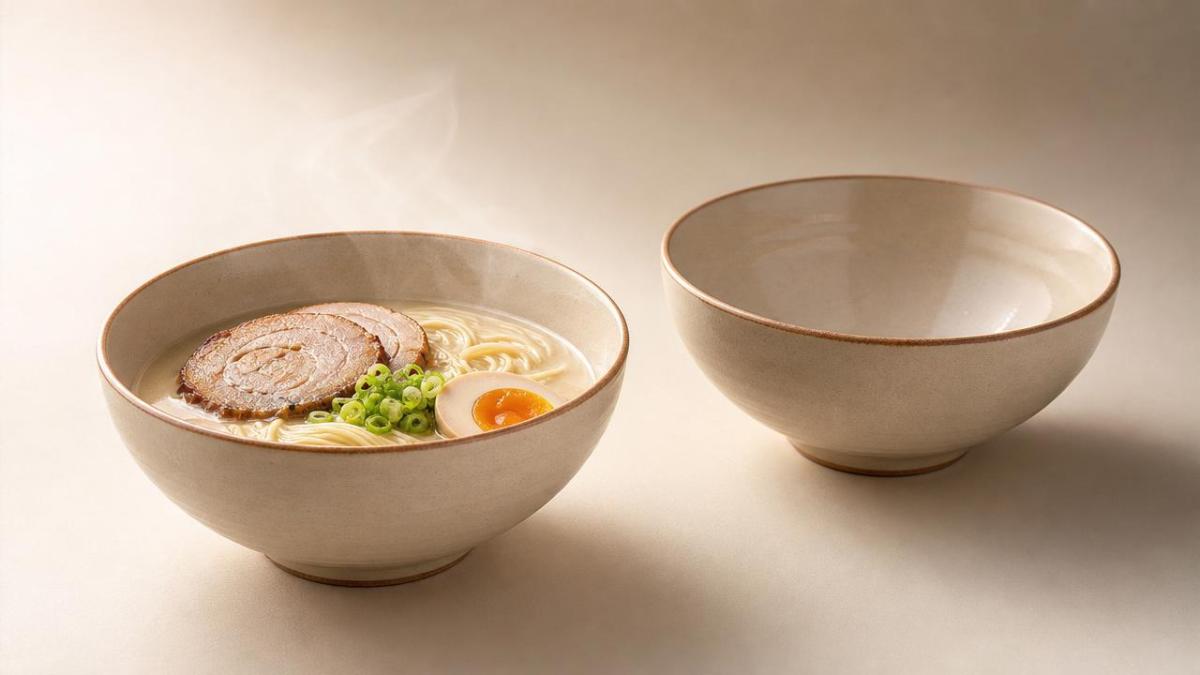
When people search for a ceramic ramen bowl that holds heat without feeling too heavy, their intent is highly practical. They usually want a bowl that improves the eating experience at home, not just a decorative piece for a shelf.
That means they are often comparing several concerns at once: heat retention, hand feel, total weight when filled, size, durability, cleaning ease, and whether the bowl feels authentic for ramen rather than like a generic serving bowl.
For end consumers, the biggest pain points are easy to understand. Broth cools too fast in thin bowls. Heavy bowls become uncomfortable during serving, washing, or carrying to the table. Some bowls are too shallow for noodles and toppings, while others are so oversized that the meal feels visually empty unless heavily filled.
If you want a clear starting point, look for a ceramic ramen bowl with moderate thickness, a capacity around 34 to 50 ounces, and a shape that is wide enough for toppings but deep enough to keep broth warm. That combination usually gives the best balance between heat retention and manageable weight.
Why ceramic is such a strong choice for ramen
Ceramic remains one of the best materials for ramen bowls because it naturally supports the way ramen is served and enjoyed. Ramen is not only about noodles. It is a hot, layered dish with broth, protein, vegetables, and garnish, so the bowl plays a real role in temperature, presentation, and comfort.
Compared with plastic or melamine, ceramic generally feels more substantial and retains warmth better. Compared with some heavier stoneware pieces, certain ceramic bowls can offer a lighter, easier-to-handle experience while still keeping broth pleasantly warm through the meal.
Ceramic also tends to create a more satisfying eating experience visually. The glaze, texture, and finish help ramen look richer and more inviting. A good bowl frames the broth color, highlights toppings, and makes a home-cooked meal feel restaurant-level.
Another advantage is versatility. A well-chosen ceramic ramen bowl is not limited to ramen. It can also work for udon, pho, donburi, soups, grain bowls, and even pasta dishes. For many households, that added value makes a quality bowl easier to justify.
How a bowl can hold heat well without becoming too heavy
This is the central buying question, and the answer comes down to balance rather than extremes. Bowls hold heat through material density, wall thickness, shape, and the amount of exposed surface area. But every heat-retaining feature can also increase weight if overdone.
Very thick walls often help a bowl stay warm longer, but they also add mass. Once you add hot broth, noodles, and toppings, the full bowl may become uncomfortable to lift or wash. On the other hand, an extremely thin ceramic bowl may feel elegant and light, but the broth may cool faster than expected.
The sweet spot is usually medium-thickness ceramic. It has enough body to absorb and retain warmth, but not so much that the bowl feels clumsy. This is especially important for home users who serve meals themselves, carry dishes from kitchen to table, and wash by hand or load dishwashers regularly.
Shape matters too. Deeper bowls with a slightly narrower base can help reduce heat loss by keeping hot broth gathered rather than spread too widely. At the same time, a broad enough opening is useful for arranging toppings and eating comfortably. The goal is thermal performance without sacrificing usability.
What bowl weight actually feels comfortable in daily use
Many product listings describe bowls as “lightweight” or “heavy-duty,” but those words can be vague. What matters more is how the bowl feels both empty and full. A bowl that seems fine on a product page may feel much heavier once filled with 1.5 to 2 pounds of food and liquid.
For most consumers, a comfortable empty weight is one that feels stable on the table but not tiring in one hand. If the bowl is unusually thick or oversized, it may feel premium at first touch, yet become less practical over time. Daily usability matters more than first impression.
A balanced bowl often feels lighter than the scale suggests because the weight is distributed well. A smooth footed base, moderate wall height, and a rim that is easy to grip can all improve handling. This is one reason why two bowls with similar listed weights can feel very different in real life.
If you often serve ramen for family dinners, consider who will be using the bowl. Adults may tolerate more weight than children or older family members. A bowl that is ideal for food styling photos is not always the one people reach for every week.
The best size and shape for ramen at home
A useful ceramic ramen bowl should be large enough for real portions. Ramen needs room for broth, noodles, sliced meat, eggs, greens, mushrooms, and garnishes. If the bowl is too small, the meal feels crowded and difficult to eat neatly.
For most home ramen servings, a capacity between 34 and 50 ounces works well. That range gives enough space for broth and toppings without making the bowl unnecessarily heavy. If you prepare generous restaurant-style portions, you may prefer the higher end of that range.
Depth is just as important as width. A bowl that is too shallow may look stylish, but it can expose more broth to the air and cool faster. A very deep bowl can improve warmth, but if the opening is too narrow, adding toppings and eating noodles becomes less comfortable.
The best shape is typically gently flared: wide enough at the top for presentation, deeper toward the center for heat retention, and stable at the base. This shape supports both function and aesthetics, which is why it appears so often in quality ramen bowls.
Material details that affect performance more than shoppers expect
Not all ceramic bowls behave the same way. Earthenware, porcelain, and stoneware-inspired ceramic constructions can differ in density, firing temperature, and feel. For consumers, the important point is not mastering technical material science but knowing what these differences mean in practice.
Denser, well-fired ceramic usually offers better durability and more consistent heat behavior. It often feels solid without being overly porous. A good glaze also matters because it affects smoothness, stain resistance, and ease of cleaning after oily broths or chili-based ramen.
Some bowls feel heavy simply because they use excess material rather than smarter construction. Others stay reasonably light because they are better designed, with efficient wall thickness and balanced proportions. That is why reading dimensions and weight together is more useful than relying on product photos alone.
If possible, check whether the bowl is microwave-safe and dishwasher-safe. For home users, convenience is part of value. A beautiful ceramic ramen bowl that requires overly delicate care may end up used less often than a simpler, well-made alternative.
How to judge quality before you buy
When shopping online, it helps to use a short checklist. Start with capacity, then check dimensions, listed weight, and whether the bowl is described as suitable for ramen rather than general serving. Look for clear product photos showing depth, rim shape, and base design.
Next, read reviews for comments about real-life handling. Buyers often mention whether the bowl feels too heavy when full, whether broth stays hot through the meal, and whether the size matches expectations. These user details are often more revealing than marketing phrases.
Also pay attention to rim thickness. A rim that is too thick can feel clunky while drinking broth. A rim that is too thin may chip more easily or feel less substantial. The most comfortable bowls usually have a smooth, rounded rim with enough refinement for direct sipping.
Finally, consider finish and texture. Matte exteriors can offer better grip, while glossy interiors are often easier to clean. If you enjoy lifting the bowl to drink broth, surface feel becomes especially important because comfort is part of the dining experience.
Features worth prioritizing and features you can worry about less
If your priority is a ceramic ramen bowl that holds heat without feeling too heavy, focus first on four factors: medium wall thickness, a practical 34 to 50 ounce capacity, a balanced deep shape, and good grip or handling comfort. Those features directly affect daily satisfaction.
After that, durability and ease of cleaning should come next. A bowl used regularly should resist staining, handle reheating if needed, and clean up without fuss. These practical qualities matter more than decorative details for most households.
What can you place lower on the list? Highly elaborate patterns, oversized restaurant-inspired dimensions, or very rustic thick-walled designs may look appealing, but they are not always the best fit for everyday use. Unless visual authenticity is your top goal, function should lead your choice.
You also do not need the heaviest bowl to get a premium experience. In fact, many consumers are happiest with bowls that look artisanal yet remain comfortable enough for repeated use. The best ceramic ramen bowl is often the one that disappears into the experience and simply feels right.
Common mistakes that lead to disappointment
One common mistake is buying based on appearance alone. A bowl may look stunning in staged photography but turn out too bulky for cabinets, too heavy for regular use, or too shallow for broth-heavy ramen.
Another mistake is choosing a bowl that is too small. Many consumers underestimate how much space ramen needs, especially once toppings are added. A cramped bowl makes mixing difficult and can cause spills, reducing both comfort and presentation.
Some buyers also assume heavier always means better heat retention. While mass does help, there is a point where extra weight creates more inconvenience than benefit. A slightly lighter, well-proportioned ceramic bowl can often provide a better total experience than a very heavy one.
Finally, ignoring cleaning and storage can cause regret. If the bowl is awkward to stack, slow to dry, or uncomfortable to wash, it may not become your go-to choice even if it performs well at the table.
Final thoughts: what to choose if you want warmth, comfort, and everyday usefulness
If you want a ceramic ramen bowl that holds heat without feeling too heavy, the best choice is usually not the thickest or largest option. It is the bowl that balances warmth, depth, capacity, and handling comfort in a way that suits real home use.
For most people, that means choosing a medium-thick ceramic bowl with a deep, gently flared shape and enough room for a full ramen serving. Prioritize practical comfort over visual drama, and you are more likely to end up with a bowl you actually enjoy using again and again.
In short, a great ramen bowl should keep broth warm, feel secure in your hands, and support the full pleasure of the meal. When material, shape, and weight work together, even a simple bowl can make homemade ramen feel far more satisfying.
Popular Tags
Kitchen Industry Research Team
Dedicated to analyzing emerging trends and technological shifts in the global hospitality and foodservice infrastructure sector.
Industry Insights
Join 15,000+ industry professionals. Get the latest market trends and tech news delivered weekly.
No spam. Unsubscribe anytime.

Contact With us
Contact:
Anne Yin (Ceramics Dinnerware/Glassware)
Lucky Zhai(Flatware)