
Ceramic Salad Plate Size Choices That Affect Table Setting
Choosing the right ceramic salad plate can do more than hold food—it shapes the balance, style, and function of your entire table setting. From casual family meals to elegant dinners, plate size affects presentation, portion control, and dining comfort. This guide explores how different ceramic salad plate sizes influence everyday use and help consumers create a more practical and visually appealing table.
Why does ceramic salad plate size matter more than many buyers expect?
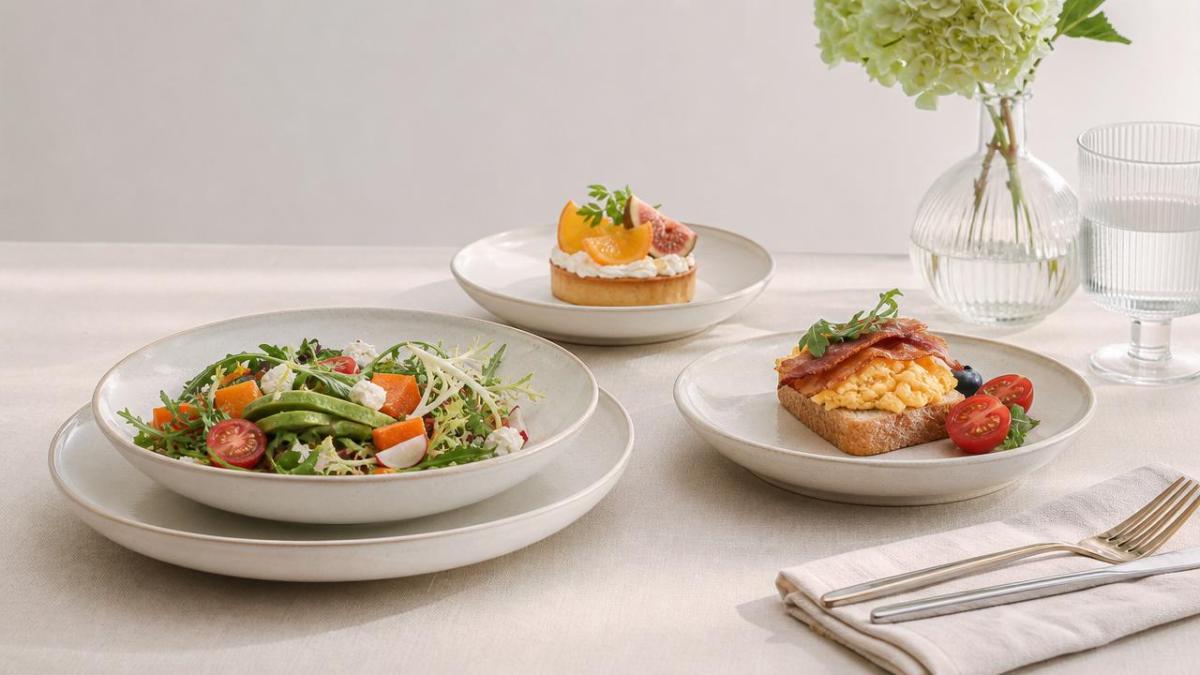
A ceramic salad plate is often treated as a secondary piece in a dinnerware set, yet its size has a direct effect on how a table feels and functions. A plate that is too small can make salads, desserts, bread service, or appetizers look crowded. A plate that is too large can overwhelm a compact table, leave less room for glassware, and reduce serving flexibility.
For end consumers, the challenge is not only aesthetics. Plate size influences stacking space in cabinets, dishwasher fit, meal portion perception, and compatibility with existing dinner plates, bowls, and chargers. In the broader kitchen equipment industry, even simple tableware choices are increasingly shaped by practical concerns such as efficient storage, durable materials, and easy integration into modern kitchen routines.
As households borrow ideas from restaurants, hotels, and modern food presentation, consumers want tableware that looks refined but also supports daily efficiency. That is why selecting the right ceramic salad plate size should be viewed as part of a complete kitchen and dining decision rather than a purely decorative purchase.
- It affects visual balance between the dinner plate, side bowl, flatware, and glassware.
- It changes how portions appear, which matters for healthy eating and plated presentation.
- It impacts everyday convenience, including cabinet storage, microwave use, and dish rack organization.
- It determines whether the plate works across multiple uses such as salad, breakfast, dessert, and small lunch service.
Common ceramic salad plate sizes and what each one does best
Before buying, it helps to compare the most common ceramic salad plate size ranges. While exact dimensions vary by maker and rim design, most consumer options fall into a few practical categories. The table below simplifies how size affects function, presentation, and table spacing.
For most households, the most useful ceramic salad plate sits in the 8 to 9 inch range. It supports daily use without taking over the table. This range also fits many dishwashers and cabinets more easily than oversized side plates, making it a strong choice for consumers who want both visual appeal and practical use.
How rim width changes usable space
Two plates may both be labeled 8.5 inches, but they can perform very differently. A wide-rim design leaves a smaller flat center for food, which works well for elegant plating but may feel restrictive for mixed salads. A coupe-style ceramic salad plate, with a broader usable surface, usually feels larger in real use even when the listed diameter is the same.
Why depth matters as much as diameter
Some ceramic salad plate designs have a slightly raised edge. This can help contain dressing, seeds, or cut fruit. Flat plates look modern and clean, but they are less forgiving if the salad contains loose toppings or sauce. When comparing size, look at both diameter and profile rather than diameter alone.
Which ceramic salad plate size fits different table settings?
Consumers often shop by style first, then discover that the plate does not suit their table. A better method is to match ceramic salad plate size to dining scenario. A family breakfast table, a dinner party, and an apartment kitchen all require different priorities. The table below helps connect real-life use with more confident selection.
This comparison shows that there is no single best ceramic salad plate for every table. The right choice depends on room size, meal style, and whether the plate will be used as a true side plate or as a multipurpose serving piece. In many homes, flexibility matters more than formal naming.
Casual everyday settings
For breakfast, fruit, toast, pastries, and side salads, an 8-inch ceramic salad plate is usually the easiest size to live with. It feels substantial without being bulky. If you have children, older family members, or limited countertop space, this middle size is also easier to handle and stack safely.
Entertaining and guest presentation
When setting a table for guests, proportion becomes more visible. A salad plate that is too close in size to the dinner plate can make the whole arrangement feel heavy. Many hosts prefer a ceramic salad plate around 8 to 8.5 inches because it creates separation between courses and keeps the place setting elegant rather than crowded.
What should buyers compare besides size?
In the kitchen equipment sector, good selection rarely depends on one parameter alone. End consumers benefit from using a purchase checklist similar to professional sourcing logic: compare material behavior, handling, hygiene, storage, and durability together. A ceramic salad plate should support safe, efficient, repeatable daily use, not only look good on the shelf.
- Check stackability. Plates with extreme rims or unusual angles may waste cabinet space and increase chipping risk.
- Review dishwasher and microwave suitability. Many ceramic products are compatible, but decorative finishes or metallic details may limit use.
- Look at glaze smoothness. A well-finished surface is easier to clean and helps maintain food safety in everyday kitchen use.
- Consider weight. A heavy ceramic salad plate can feel premium, but repeated lifting, washing, and stacking may become inconvenient.
- Think about replacement risk. Neutral shapes and common sizes are easier to match later if you need to expand or replace a set.
Material and production quality
Ceramic tableware can include stoneware, porcelain, and earthenware styles, each with different weight, density, and visual character. For consumers, this matters because plate thickness affects both table presence and storage efficiency. A lighter but dense ceramic salad plate may offer a better balance of durability and easy handling than a thicker, heavier option.
Food safety and everyday hygiene
In a global kitchen equipment market that increasingly emphasizes safety and compliance, consumers are paying more attention to glaze quality and general product reliability. While household buyers may not request industrial documentation, it is still reasonable to look for products made for regular food contact, consistent firing quality, and easy-clean surfaces that do not trap residue around decorative grooves.
How to choose the right ceramic salad plate for your kitchen and budget
Buying tableware becomes easier when the decision is broken into steps. Instead of asking only which plate looks best, ask which ceramic salad plate will be used most often, in what meal pattern, and in what kitchen space. This approach reduces regret and helps consumers avoid paying for style they do not actually use.
- Measure your existing dinner plates and cabinet shelf depth. A salad plate should complement, not duplicate, your larger plate size.
- Decide whether the plate is for side salads only or also for breakfast, desserts, and light meals. Multipurpose use often justifies an 8 to 9 inch size.
- Count how many place settings you actually host at one time. If space is tight, a slightly smaller ceramic salad plate may improve comfort for every guest.
- Compare open stock versus full sets. Consumers on a limited budget may buy versatile salad plates first and add matching pieces later.
- Check lead time and replacement availability if buying online or from an overseas supplier. Standardized shapes are easier to reorder.
This step-by-step method reflects a broader trend in the kitchen equipment industry: consumers increasingly value products that combine design with functional efficiency. Even a simple ceramic salad plate is now expected to fit smart storage habits, compact kitchens, and higher expectations for durability and daily convenience.
Budget-friendly versus premium buying logic
Lower-priced plates can work well for occasional use, rentals, or starter homes. Premium ceramic salad plate options usually justify their price through finer glaze consistency, more stable stacking, refined edge finishing, and better long-term appearance after repeated dishwashing. The right choice depends on how often the plate will be used and how visible it is in your dining style.
Common mistakes when selecting a ceramic salad plate
Many consumers focus on color and pattern, then notice problems only after the plates arrive. These mistakes are common, especially when shopping online. Avoiding them can save both money and frustration.
- Choosing by photo only. Product images may not show actual diameter relative to forks, napkins, or dinner plates.
- Ignoring usable surface area. A decorative rim can reduce food space more than expected.
- Buying oversized salad plates for small homes. This often creates storage and dishwasher problems.
- Mixing incompatible styles. A modern ceramic salad plate may clash with classic deep-rim dinnerware if proportions do not align.
- Overlooking edge strength. Thin, sharp rims can chip faster in busy kitchens with frequent handling.
A practical rule is to visualize the plate in motion, not just on display. Imagine washing it, storing it, serving from it, and setting it beside other pieces. That simple test often reveals whether a ceramic salad plate is right for your home.
FAQ: practical questions consumers ask before buying
Is an 8-inch ceramic salad plate large enough for daily use?
For many households, yes. An 8-inch ceramic salad plate usually works for side salads, breakfast foods, pastries, sandwiches, and desserts. It is often the best compromise for small kitchens because it offers versatility without taking up the space of a lunch or dinner plate. If you regularly serve entrée-sized salads, move closer to 9 inches.
What size ceramic salad plate works best for formal table settings?
A size around 8 to 8.5 inches is usually the most balanced for formal dining. It sits comfortably within layered place settings and keeps enough open table area for water glasses, wine glasses, and cutlery. This size also tends to pair well with dinner plates in the 10.5 to 11 inch range.
Should I buy coupe or rimmed ceramic salad plates?
Choose coupe styles if you want more usable food area and a contemporary look. Choose rimmed styles if presentation matters and you prefer more visual framing around the food. For leafy salads with dressing, a slightly raised rim can be more practical because it helps contain ingredients.
How many ceramic salad plates should a family buy?
A practical baseline is one plate per household member plus two to four extras for guests, breakage, or multi-course use. If the ceramic salad plate will also be used for breakfast or dessert, extra pieces can reduce dishwashing pressure during busy days. Consumers who entertain often may prefer open-stock purchasing for easier expansion.
Why informed sourcing matters even for everyday dinnerware
The kitchen equipment industry is moving toward better quality control, safer food-contact materials, and more efficient product design across both commercial and household use. That trend benefits consumers because the same sourcing logic used in hospitality and foodservice is increasingly shaping home products: better durability, clearer specifications, and more practical forms for real kitchens.
When you choose a ceramic salad plate with the right size, profile, and finish, you improve more than visual style. You support better table flow, easier storage, and more adaptable meal service. In a market filled with look-alike products, clear dimensional thinking is one of the simplest ways to buy better.
Why choose us for ceramic salad plate selection support?
If you are comparing ceramic salad plate options for your home, gift program, retail purchase, or bulk household supply, we can help you move beyond appearance-only decisions. Our support is built around practical kitchen use, product matching, and clear specification review.
- Parameter confirmation: compare diameter, usable surface, rim structure, stacking height, and piece weight before ordering.
- Product selection: identify which ceramic salad plate sizes suit small homes, family dining, formal settings, or multipurpose daily use.
- Sample support: review plate size, glaze feel, and coordination with your current dinnerware before making a larger purchase.
- Delivery discussion: confirm production timing, packaging approach, and replenishment options for standard or customized orders.
- Compliance communication: discuss general food-contact expectations, material use questions, and practical care recommendations.
- Quotation planning: compare open-stock, set-based, and mixed-size solutions based on your budget and intended use.
Contact us to discuss the ceramic salad plate size you are considering, your target table setting, your preferred style direction, and any concerns about storage, replacement, or matching existing dinnerware. With clear details at the start, it becomes much easier to choose a plate that looks right, works well, and continues to fit your kitchen over time.
Popular Tags
Kitchen Industry Research Team
Dedicated to analyzing emerging trends and technological shifts in the global hospitality and foodservice infrastructure sector.
Industry Insights
Join 15,000+ industry professionals. Get the latest market trends and tech news delivered weekly.
No spam. Unsubscribe anytime.

Contact With us
Contact:
Anne Yin (Ceramics Dinnerware/Glassware)
Lucky Zhai(Flatware)