
Why some glass containers fail in freezer storage
Not every glass container is built for freezer storage, and unexpected cracks can lead to wasted food, safety risks, and higher replacement costs. Whether you use a glass jar, mason jar, glass bottle, or glass beverage server in commercial or home kitchens, understanding why freezer failure happens is essential. This article explains the key causes, material limits, and practical selection tips to help users and buyers choose safer storage solutions.
Why do glass containers crack or break in freezer storage?
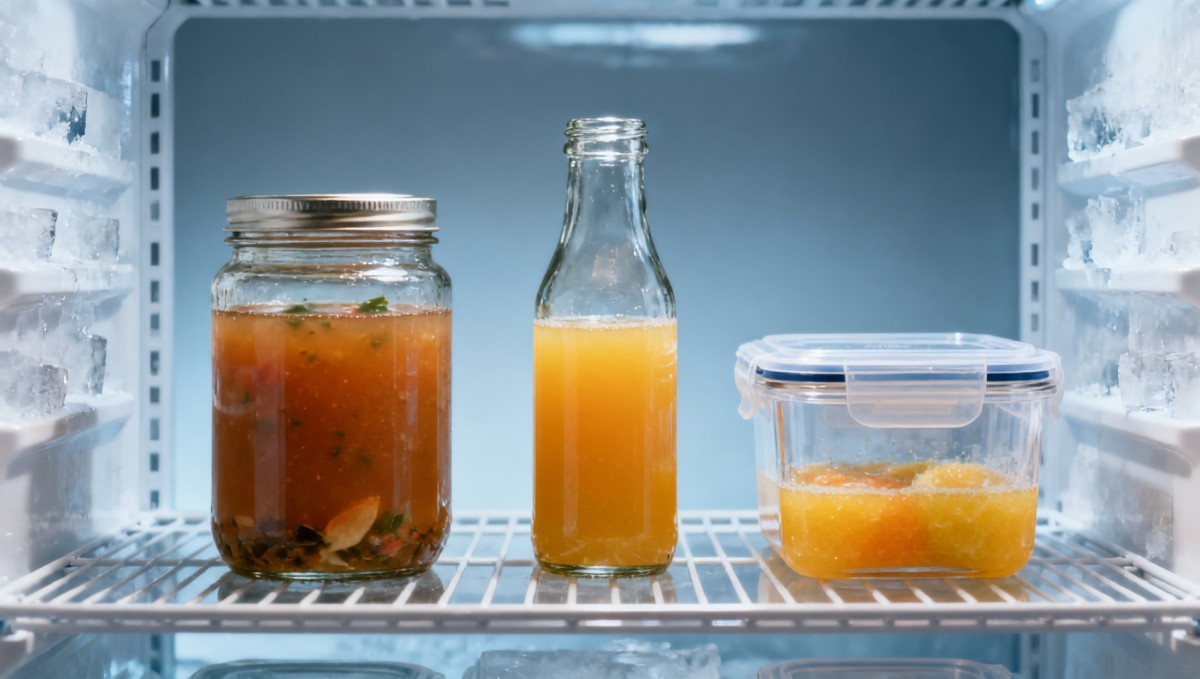
Freezer failure usually starts with thermal stress. When a glass container moves from room temperature or hot filling conditions into a freezer environment, the outer wall cools faster than the inner wall. That temperature difference creates uneven contraction. In many kitchen operations, especially in restaurants, bakeries, central kitchens, and household meal-prep workflows, this stress is the main reason a glass container develops a hairline crack within a few hours or after 1–3 freeze-thaw cycles.
Another common cause is volume expansion. Most water-based foods expand as they freeze, often by roughly 9% in practical storage conditions. If soup, sauce, juice, puree, or stock is filled too close to the rim, the frozen product pushes outward against the sidewall and shoulder area. This is why a glass jar that looks stable when filled can still fail overnight at temperatures such as -18°C to -20°C, which are typical in foodservice freezer storage.
Container geometry matters as much as material. A straight-sided freezer-safe glass container generally tolerates stress better than a narrow-neck glass bottle or decorative beverage server. Curved shoulders, thick bases, embossed logos, handle joints, and abrupt changes in wall thickness create localized stress points. In procurement terms, two containers may have similar volume, yet their failure risk can differ significantly because the structural design distributes pressure in very different ways.
For operators, freezer breakage is not only a packaging issue. It affects sanitation, product loss, labor time, and replacement planning. Broken glass in a commercial kitchen can trigger a full cleaning procedure, product disposal, and line interruption. In a busy operation, even 10–15 minutes of cleanup per incident can become expensive when failures repeat across multiple stations or shifts.
The 4 most frequent freezer failure triggers
- Filling hot or warm food directly into a freezer storage glass container without a cooling step.
- Leaving too little headspace, especially in liquid-rich products that expand during freezing.
- Using decorative or beverage-service glass not designed for food storage temperature swings.
- Reusing old containers with micro-chips, rim damage, or scratches from repeated handling and dishwashing.
These causes explain why some containers survive routine use on shelves or in chillers but fail in freezers. The freezer environment combines low temperature, static pressure from expansion, and handling shock during stacking or removal. Buyers evaluating kitchen equipment and storage accessories should therefore treat freezer suitability as a specific performance requirement, not as a general assumption attached to all glassware.
Which types of glass containers are safer for commercial and home freezer use?
Not all glass is the same. In foodservice and kitchen equipment supply chains, buyers usually encounter soda-lime glass, tempered glass, and borosilicate glass. Each type responds differently to sudden cooling, repeated washing, and freezer storage. For information researchers and procurement teams, the key point is simple: “glass container” is too broad a category to support a reliable buying decision.
Soda-lime glass is common because it is cost-effective and widely available. It works well for many jars and bottles, but it is generally less resistant to thermal shock than borosilicate glass. Tempered glass improves impact resistance in many use cases, yet that does not automatically mean every tempered item is ideal for freezer storage, especially if the shape includes stress concentrators or the product was designed mainly for table service.
Borosilicate glass is often preferred when operations involve repeated heating, cooling, and freezing across a 3-stage workflow such as prep, storage, and reheating. However, material type alone is not enough. Lid design, wall thickness consistency, fill level tolerance, and stackability also influence whether a freezer-safe glass container will perform reliably in real kitchens.
The comparison below helps users, operators, and buyers distinguish between common glass options and the freezer-related risks attached to each one.
The table shows why container format is just as important as raw material. For purchasing teams serving hotels, restaurants, food processors, or household kitchen channels, the safest buying strategy is to match the container to the exact storage scenario. A straight-wall freezer-safe glass container used with a 10% fill buffer can outperform a more attractive but less stable design in everyday operations.
How shape affects freezer performance
Low-risk features
Look for wide mouths, straight walls, rounded internal corners, and consistent wall thickness. These features make it easier to leave 1–2 cm of headspace, portion accurately, and reduce localized stress. In busy kitchens, they also simplify filling, labeling, and cleaning.
Higher-risk features
Avoid choosing freezer storage glass mainly for appearance. Narrow necks, heavy decorative embossing, thick-bottom-thin-wall designs, and attached dispensing parts may work for display or beverage service but often increase freezer failure risk. This is especially relevant when products stay frozen for 7–30 days and are moved in and out of storage frequently.
What should buyers and operators check before selecting freezer-safe glass containers?
For procurement staff and business decision-makers, the issue is not only whether a glass container can enter a freezer once. The real question is whether it can support daily workflow, maintain food safety, and control replacement cost over time. A purchasing decision should include at least 5 checks: material type, structural design, lid compatibility, operational temperature range, and resistance to repeated use.
Commercial kitchen equipment buyers often focus heavily on machinery, automation, and energy-efficient systems, while storage accessories receive less technical scrutiny. That gap can create hidden costs. If 50–100 containers are used across prep, blast chilling, frozen storage, and service rotation, even a modest failure rate increases labor, waste, and inventory replacement frequency within a single quarter.
Operators need practical guidance too. A good product can still fail if handling is poor. Standard operating practice should define a cooling period before freezing, a fill limit, and a thawing method. In many kitchens, moving hot soup directly into freezer storage remains a common shortcut, but it is one of the fastest ways to trigger breakage and shorten container life.
The procurement matrix below can help compare freezer-safe glass container options in a more structured way.
This evaluation approach helps separate low-price options from low-risk options. In B2B kitchen supply, the cheapest unit cost is not always the lowest operating cost. A container that survives repeated freezer use, cleaning, and handling may justify a higher purchase price if it lowers food loss, breakage cleanup, and urgent replenishment orders.
A 4-step selection process for procurement teams
- Define the product type: liquids, sauces, prepared meals, desserts, or beverages all freeze differently.
- Set operating conditions: target freezer range, typical storage time, stacking height, and handling frequency.
- Request sample verification: test over 5–10 fill, freeze, thaw, and wash cycles before large-volume purchasing.
- Compare lifecycle cost: include unit price, damage rate, replacement interval, and labor impact.
This process is especially useful for importers, distributors, hotel groups, and central kitchens that need consistent specification control across multiple sites. It also supports kitchen modernization strategies where standardized tools reduce training time and improve storage efficiency.
How can kitchens reduce freezer breakage without changing every container?
In many operations, replacing the full container inventory is unnecessary. A better first step is to improve handling discipline. Many freezer-related failures come from process gaps rather than immediate product defects. A simple operating update can cut breakage risk substantially: cool contents before freezing, standardize fill volume, and separate freezer storage glass from service-only glassware.
For example, kitchens can create a cooling window of 20–60 minutes depending on product density and container size before placing items in frozen storage. The exact time varies, but the purpose is consistent: reduce temperature shock. Portioning standards also help. Leaving about 10% headspace for liquids and slightly less for dense foods is a practical rule for everyday use.
Storage layout matters as well. Over-stacking increases impact risk when containers are removed quickly during service peaks. Heavy glass jars stored 3–4 levels high may be stable when untouched, but they become vulnerable during fast picking. Using trays, dividers, or dedicated racks can reduce side impact and improve visibility, which also supports food safety rotation and labeling accuracy.
Where freezer demands are intensive, buyers should compare glass with alternatives instead of assuming one material must fit every application. For high-turn, high-volume, or transport-sensitive scenarios, food-grade plastic or hybrid storage systems may offer a better risk balance. The goal is operational fit, not material preference alone.
Glass versus alternatives in freezer workflows
The table below compares common storage choices for frozen food handling in commercial kitchens and distribution environments.
This comparison helps decision-makers assign the right package to the right task. In integrated kitchen systems, mixed-material storage often works best: glass for customer-facing or odor-sensitive uses, plastic for repetitive prep cycles, and pouches for high-volume liquid freezing. That approach supports both efficiency and sustainability when matched to product flow.
Operational checklist for users and supervisors
- Do not transfer containers from hot fill directly to deep freezer conditions.
- Leave visible expansion space, especially for broth, juice, milk-based products, and sauces.
- Inspect rims and sidewalls every week or every cleaning cycle in high-use kitchens.
- Retire chipped containers immediately to prevent delayed cracking during the next freeze-thaw cycle.
These simple controls reduce unexpected failures without major investment. They are particularly valuable for operators managing multiple kitchen stations, rotating staff, or mixed home-and-commercial product lines.
Common questions buyers and users ask about freezer-safe glass
Search intent around freezer-safe glass containers is often highly practical. Users want clear answers about jars, bottles, headspace, and breakage prevention. Buyers want to know whether a product can support routine use, what questions to ask suppliers, and how to compare options without relying on vague marketing claims. The FAQ below addresses those priorities.
For kitchen equipment distributors and sourcing teams, these questions also support internal training. They help sales staff explain why some glass containers fail in freezer storage and why container design, operating practice, and use cycle all matter. That improves recommendation quality and reduces post-purchase complaints.
If your operation handles frozen sauces, prepared meals, desserts, or beverages across different sites, converting these answers into a short SOP can be more useful than simply changing suppliers. Technical suitability and user discipline should work together.
Can all mason jars go into the freezer?
No. Some mason jars are used successfully in freezer storage, but not all perform equally well. Straight-sided jars usually offer a lower risk than shoulder-shaped jars because expanding contents put less concentrated pressure on the upper wall. Even then, users should cool contents first and leave headspace, typically around 1–2 cm depending on jar size and product type.
Why does a glass bottle often fail faster than a glass jar in the freezer?
A glass bottle usually has a narrow neck and sloped shoulder, which makes pressure distribution less forgiving when liquids expand. It is also harder to control fill level accurately. For juices, infused drinks, or liquid bases, bottles are commonly a higher-risk choice for freezing than wide-mouth jars or dedicated freezer-safe glass containers.
What should procurement teams ask suppliers before ordering?
Ask at least 4 things: intended use temperature range, material category, recommended fill practice, and whether the design has been considered for repeated freeze-thaw handling. Also request samples for trial use. A 7–14 day internal test covering filling, freezing, washing, and stacking can reveal more than a specification sheet alone.
Are freezer failures always a product defect?
Not always. Failures often result from the interaction between product design and operating method. Overfilling, thermal shock, stacking impact, and unnoticed chips are common non-defect causes. That is why quality assessment should review both the container and the workflow around it.
Why choose us for glass container selection and kitchen storage planning?
In the kitchen equipment industry, storage decisions are closely linked to food safety, workflow efficiency, and replacement cost. We support buyers, operators, and business decision-makers with practical guidance that fits real kitchens, from restaurants and hotels to food processing sites and household product channels. Instead of treating glassware as a generic accessory, we help align material choice, container design, and operating practice with the actual freezer task.
Our support can cover 3 key stages: specification review, sample evaluation, and procurement matching. If you are comparing a glass jar, mason jar, glass bottle, or alternative frozen storage solution, we can help clarify which format suits your product, how much headspace is realistic, and what handling process reduces breakage risk over repeated use cycles.
For sourcing projects, you can contact us to discuss parameter confirmation, product selection, sample support, packing method, delivery lead time, and application-specific recommendations for commercial kitchens or retail-oriented use. If your team is balancing premium presentation with operational durability, we can also help compare glass and non-glass alternatives based on workflow, budget, and expected replacement frequency.
If you need a more targeted solution, send your container size range, food type, expected freezer temperature, and planned order volume. We can help you narrow options faster, reduce trial-and-error purchasing, and build a storage plan that supports safer freezing, more reliable handling, and better long-term value.
Popular Tags
Kitchen Industry Research Team
Dedicated to analyzing emerging trends and technological shifts in the global hospitality and foodservice infrastructure sector.
Industry Insights
Join 15,000+ industry professionals. Get the latest market trends and tech news delivered weekly.
No spam. Unsubscribe anytime.

Contact With us
Contact:
Anne Yin (Ceramics Dinnerware/Glassware)
Lucky Zhai(Flatware)