
A restaurant kitchen checklist that reduces daily risks
A busy commercial kitchen leaves little room for mistakes, especially when equipment, food safety, and staff routines must work together under pressure.
A practical restaurant kitchen checklist helps operators spot daily risks before they become accidents, service delays, hygiene issues, or costly equipment failures.
From temperature checks and cleaning tasks to appliance inspections, the right system supports safer operations, smoother shifts, and consistent food quality.
Restaurant Kitchen Checklist Fundamentals
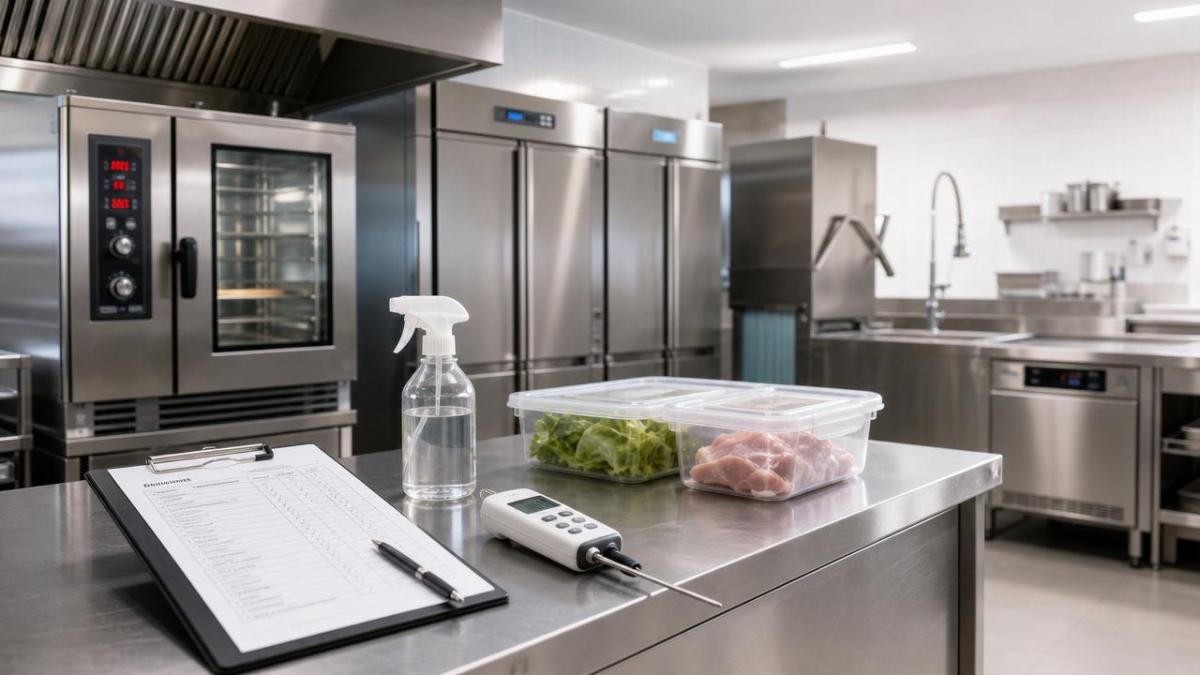
A restaurant kitchen checklist is a structured control tool used before, during, and after service.
It turns critical kitchen duties into visible tasks that can be assigned, confirmed, and improved over time.
The checklist should not be a passive document stored on a wall or inside a binder.
It should guide real actions, including equipment checks, sanitation routines, food storage controls, and staff safety reviews.
In the kitchen equipment industry, this approach is increasingly important as appliances become smarter, faster, and more integrated.
Commercial ovens, refrigeration units, dishwashers, fryers, ventilation systems, and food processors all require daily attention.
A strong restaurant kitchen checklist connects people, equipment, and procedures into one manageable operating rhythm.
It also creates evidence that routine safety and hygiene controls are being completed consistently.
Core Areas Covered
- Food receiving, storage, preparation, cooking, cooling, and holding.
- Daily inspection of commercial kitchen equipment and small appliances.
- Cleaning schedules for work surfaces, tools, drains, and floors.
- Personal hygiene, protective equipment, and safe movement routines.
- Energy use, water use, waste handling, and closing procedures.
Industry Background and Current Risk Signals
Foodservice operations are under pressure from higher customer expectations, labor constraints, strict safety rules, and rising utility costs.
Modern kitchens also rely on more specialized equipment than traditional kitchens did a decade ago.
This makes a restaurant kitchen checklist more valuable because many risks appear during ordinary daily work.
A freezer door left slightly open can damage ingredients and increase energy use overnight.
A blocked hood filter can reduce ventilation and increase fire risk during peak cooking hours.
A worn gasket, unstable cutting board, or incorrect sanitizer concentration can create avoidable hazards.
These signals show why the restaurant kitchen checklist has become part of modern kitchen management.
It helps teams respond to practical conditions instead of waiting for inspections, complaints, or equipment failures.
Operational Value of a Restaurant Kitchen Checklist
The main value of a restaurant kitchen checklist is risk reduction through repeatable behavior.
When tasks are visible, the kitchen depends less on memory and more on controlled daily routines.
This matters in restaurants, hotels, central kitchens, catering operations, and food processing support areas.
A checklist can also support training because new staff learn the expected standard more quickly.
Instead of receiving vague instructions, they follow clear checks connected to food safety and equipment performance.
For equipment-heavy kitchens, the restaurant kitchen checklist becomes a bridge between operations and maintenance.
Small problems are noticed earlier, such as temperature drift, blocked drains, weak burners, or unusual compressor sounds.
Early reporting often prevents expensive emergency repair and reduces the chance of service interruption.
Key Business Benefits
- Improved food safety through regular temperature and hygiene verification.
- Better equipment lifespan through daily observation and timely cleaning.
- More efficient shifts because opening and closing tasks are standardized.
- Lower accident risk from cleaner floors, safer tools, and clearer pathways.
- Stronger accountability because completed actions are recorded and reviewed.
A restaurant kitchen checklist does not replace judgment, supervision, or professional maintenance.
However, it makes those activities more reliable by giving everyone the same operating reference.
Daily Checklist Structure for Safer Shifts
A useful restaurant kitchen checklist should match the rhythm of the working day.
Most kitchens benefit from dividing it into opening, service, transition, and closing sections.
This prevents long task lists from overwhelming staff during busy production periods.
Opening Checks
- Confirm refrigeration and freezer temperatures before food preparation begins.
- Inspect ovens, ranges, steamers, fryers, and warmers for safe operation.
- Check ventilation, lighting, water supply, drains, and handwashing stations.
- Verify sanitizer levels, cleaning tools, gloves, thermometers, and labels.
- Confirm that walkways, prep tables, and storage zones are clear.
Service Checks
- Monitor hot holding, cold holding, and cooking temperatures during production.
- Separate raw, cooked, allergen-sensitive, and ready-to-eat foods.
- Wipe contact surfaces using approved chemicals at practical intervals.
- Remove waste before bins overflow or block movement.
- Report equipment noise, leaks, smoke, unusual odors, or error messages.
Closing Checks
- Cool, cover, label, and store food according to internal procedures.
- Clean equipment surfaces, removable parts, splash zones, and utensils.
- Inspect gas valves, electrical switches, water points, and safe shutdown steps.
- Empty grease traps, floor drains, and trash areas when required.
- Record unresolved issues for maintenance or next-shift follow-up.
This structure makes the restaurant kitchen checklist easier to complete without disrupting normal service flow.
Typical Objects and Application Scenarios
Different kitchens need different checklist details because layouts, menus, equipment, and production volumes vary.
Still, most operations share similar risk points that can be grouped by object or scenario.
A restaurant kitchen checklist can also support new equipment installation and layout upgrades.
When smart appliances or automated systems are introduced, checklist items should include digital alerts and calibration points.
Energy-efficient equipment also benefits from daily checks because poor cleaning can reduce performance quickly.
Practical Design Principles and Mistakes to Avoid
A restaurant kitchen checklist works best when it is specific, short, and directly linked to real risks.
If it is too general, staff may tick boxes without checking actual conditions.
If it is too long, important tasks may be skipped during peak hours.
Design Recommendations
- Use measurable checks, such as temperature, time, visible damage, or cleaning completion.
- Assign responsibility by station, not only by shift.
- Separate critical food safety items from routine housekeeping tasks.
- Include a simple escalation path for equipment issues.
- Review completed checklists weekly to identify repeated failures.
Common Mistakes
- Copying a generic restaurant kitchen checklist without adapting it to the actual layout.
- Ignoring manufacturer cleaning guidance for specialized commercial kitchen equipment.
- Recording temperatures without checking whether corrective actions are needed.
- Using paper forms that are never reviewed or updated.
- Treating checklist completion as paperwork instead of operational control.
The best restaurant kitchen checklist should evolve with menu changes, new appliances, staff feedback, and safety observations.
Digital formats can improve visibility, especially when kitchens operate across multiple locations or extended shifts.
However, even a paper checklist can be effective when it is simple and consistently used.
Action Steps for Building a Reliable Routine
Start by walking through the kitchen during opening, peak service, and closing.
List the equipment, food handling steps, and movement patterns that carry the highest daily risk.
Then build a restaurant kitchen checklist around tasks that are observable, repeatable, and linked to prevention.
Test the checklist for one week and remove items that do not influence safety, quality, or efficiency.
Add missing controls if repeated problems appear, such as temperature exceptions or cleaning gaps.
For equipment planning, align checklist items with appliance manuals, preventive maintenance schedules, and food safety procedures.
This turns the restaurant kitchen checklist into a practical operating tool rather than a static form.
A well-maintained checklist reduces daily risks by making small problems visible before they become expensive disruptions.
It also supports safer equipment use, cleaner workflows, more stable food quality, and more confident kitchen management.
The next step is to audit the current kitchen routine and build one focused restaurant kitchen checklist for tomorrow’s service.
Popular Tags
Kitchen Industry Research Team
Dedicated to analyzing emerging trends and technological shifts in the global hospitality and foodservice infrastructure sector.
Industry Insights
Join 15,000+ industry professionals. Get the latest market trends and tech news delivered weekly.
No spam. Unsubscribe anytime.

Contact With us
Contact:
Anne Yin (Ceramics Dinnerware/Glassware)
Lucky Zhai(Flatware)