
Ceramic salad plate orders rise after tabletop launches at trade shows
Ceramic salad plate orders are climbing as new tabletop collections gain visibility at trade shows, reflecting broader buyer interest in durable, design-led dining solutions. For distributors, hospitality buyers, and sourcing teams, related products such as stoneware rice bowl, ceramic pasta bowl, and porcelain cereal bowl are also drawing attention as the kitchen equipment market shifts toward versatile, presentation-focused tableware.
Why trade show launches are driving ceramic salad plate demand
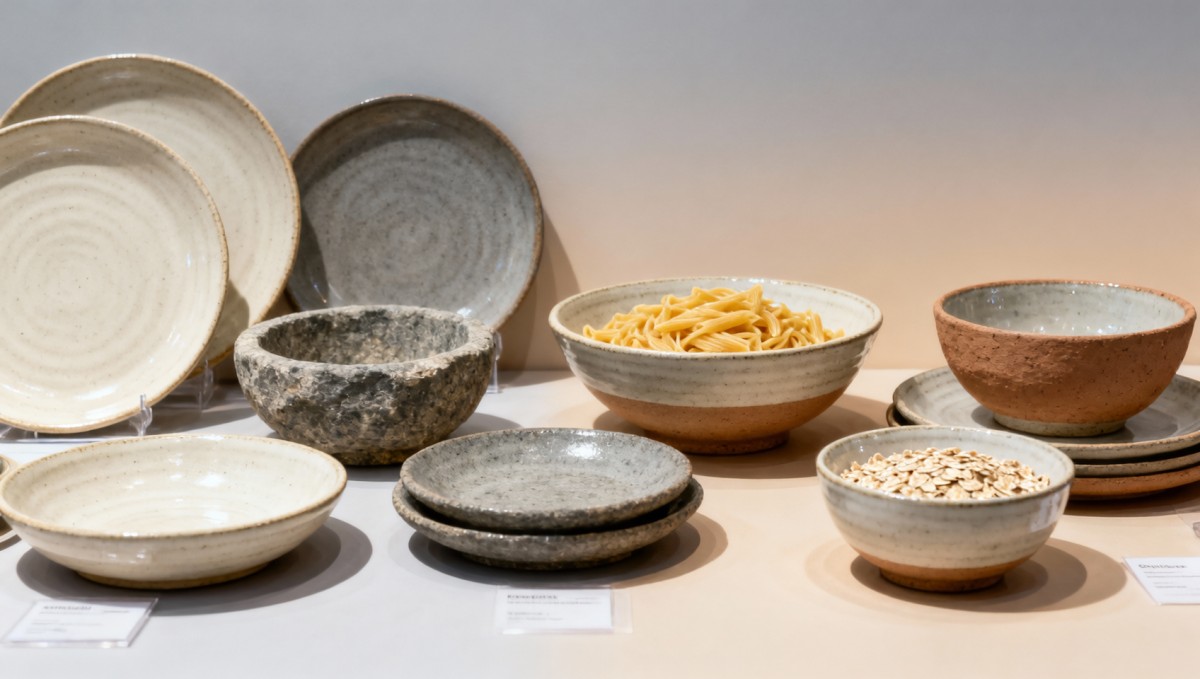
Trade shows remain one of the fastest channels for turning tabletop design trends into purchase intent. In a 2–4 day exhibition cycle, buyers can compare glaze finish, stacking performance, weight, rim shape, and assortment matching across multiple suppliers. That direct evaluation matters in foodservice, where a ceramic salad plate is not just a serving surface but part of kitchen workflow, menu presentation, and replacement planning.
For procurement teams in restaurants, hotels, distributors, and central kitchen supply networks, the current rise in ceramic salad plate orders reflects three practical needs. First, operators want presentation-led tableware that still survives daily turnover. Second, purchasing managers prefer coordinated collections that can extend into stoneware rice bowl, ceramic pasta bowl, and porcelain cereal bowl categories. Third, decision-makers are looking for supply partners that can support export consistency, mixed-item ordering, and reliable lead times.
The kitchen equipment industry is moving toward smarter, more integrated, and more efficiency-focused operations, and tabletop sourcing is following the same logic. Buyers no longer assess plates in isolation. They review how ceramic salad plates fit into broader kitchen equipment and dining service systems, including warewashing compatibility, storage density, replacement frequency, and visual standardization across 3–5 meal occasions.
What buyers are noticing at recent tabletop exhibitions
Exhibition feedback often centers on tactile and operational details rather than abstract style claims. A plate that photographs well but chips after repeated banquet rotation will not survive a serious sourcing review. In contrast, collections that balance appearance with practical durability gain traction quickly, especially when suppliers can present sample sets, packaging plans, and order combinations within 7–15 days for evaluation.
- Neutral and earthy glaze palettes that match modern dining interiors without limiting menu styling.
- Plate dimensions commonly aligned with salad, dessert, side dish, and light lunch service in one collection.
- Higher interest in assortment buying, where ceramic salad plate orders are combined with bowls and serving accessories.
- Requests for clear data on carton packing, breakage control, and replenishment support for repeat orders.
This shift is especially relevant in a global market where China, Germany, Italy, and Japan remain important production and export centers for kitchen and tabletop products. Buyers attending trade fairs are comparing not only style direction, but also manufacturing stability, finish consistency from batch to batch, and supplier responsiveness during the first 30–60 days after the show.
Which products are being sourced together with ceramic salad plates?
One clear pattern behind rising ceramic salad plate orders is coordinated sourcing. Instead of buying single SKUs, hospitality groups and distributors increasingly prefer collections that support multiple menu types and table settings. This reduces assortment mismatch, simplifies visual merchandising, and improves replacement management across outlets.
In practical terms, buyers often build a tabletop line around 4 core categories: plates for appetizers and salads, bowls for rice or side dishes, bowls for pasta or composed meals, and cereal or breakfast bowls for buffet and all-day dining. That is why stoneware rice bowl, ceramic pasta bowl, and porcelain cereal bowl frequently appear
Popular Tags
Kitchen Industry Research Team
Dedicated to analyzing emerging trends and technological shifts in the global hospitality and foodservice infrastructure sector.
Industry Insights
Join 15,000+ industry professionals. Get the latest market trends and tech news delivered weekly.
No spam. Unsubscribe anytime.

Contact With us
Contact:
Anne Yin (Ceramics Dinnerware/Glassware)
Lucky Zhai(Flatware)