
Trade Focus Shifts to Used Kitchen Equipment Exit Services
The timing of this development is not specified in the source material, but the launch of a global used commercial kitchen equipment recovery service by Youlianghuo is notable because it points to a practical shift in how overseas asset disposal, procurement exit, delivery closure, and sustainability-related handling are being organized. For hotels, chain foodservice operators, exporters, resellers, and after-sales service providers, the issue is not only the recovery transaction itself, but also how second-hand equipment is documented, valued, transferred, and cleared within increasingly compliance-sensitive cross-border operating environments.
What the service offering clearly includes
According to the provided information, Foshan Nanhai Youlianghuo Kitchen Equipment Company has introduced a commercial kitchen equipment recycling service for global customers. The service features 7×24-hour response, transparent quotations, and on-site cash settlement.
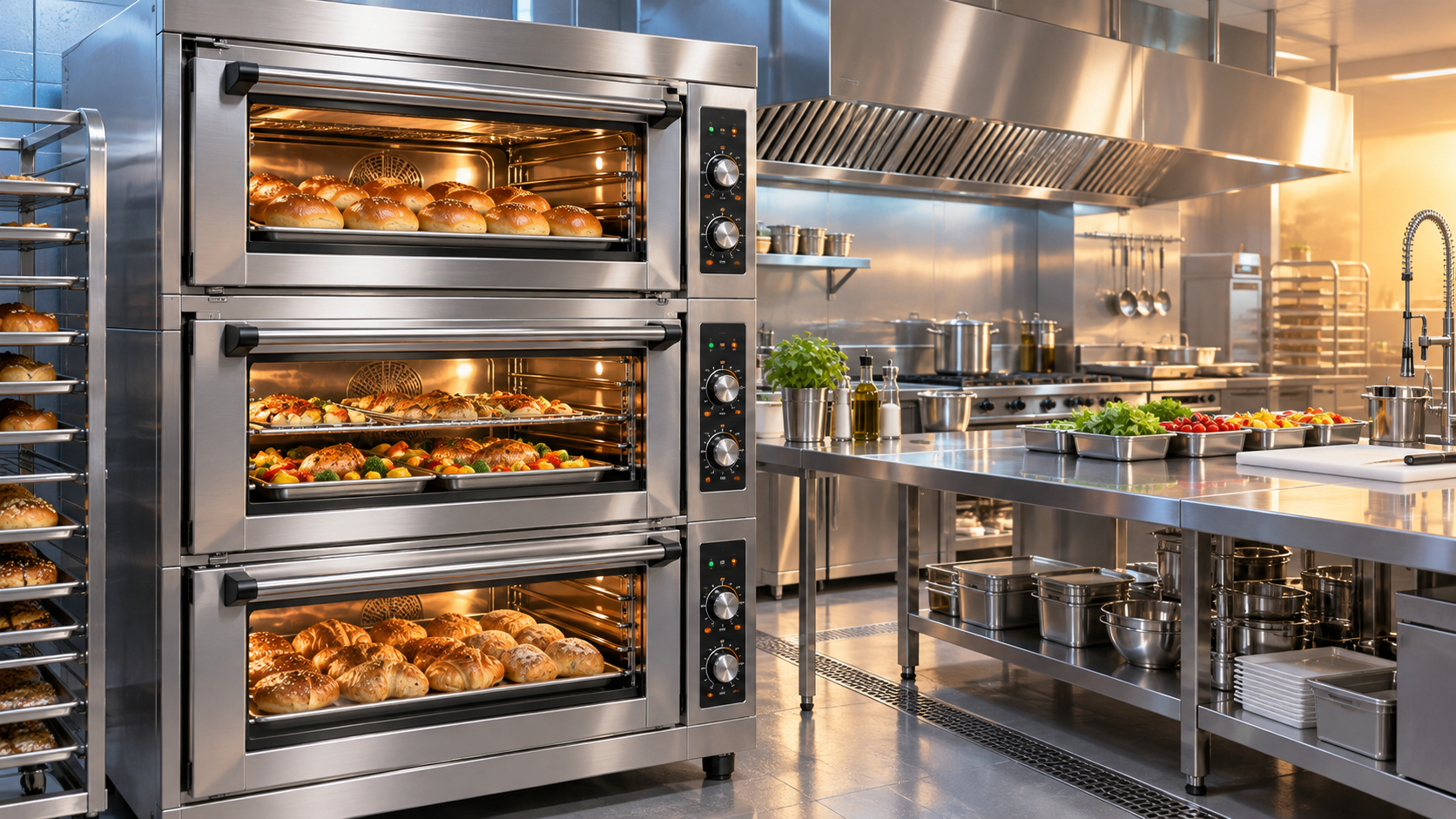
The offering covers both full-store packaged recovery and single-item recovery. It also applies to a broad range of equipment categories, including fume purification systems, combi ovens, and refrigeration systems.
The summary provided states that the service is intended to address a gap in closed-loop asset management for international used equipment. It is described as supporting overseas hotels and chain catering businesses in recovering funds more quickly during store closure or upgrade scenarios while also enabling greener disposal, and as strengthening the competitiveness of China-based full life-cycle equipment services.
Why this matters across trade and operations
Exit planning becomes part of procurement logic
From an industry perspective, buyers of commercial kitchen equipment may be affected because disposal and residual value are becoming more visible parts of the purchasing cycle. When a service model includes packaged recovery and rapid settlement, procurement teams may pay closer attention to whether equipment records, ownership proof, technical specifications, and service histories can support later transfer or resale.
What deserves closer attention is that this can influence purchasing decisions well before a store closes or upgrades. In practical terms, businesses may need to consider whether future disposal conditions, traceability materials, and recovery readiness should be treated as part of supplier evaluation rather than only post-use handling.
Cross-border traders and resellers face tighter documentation needs
Analysis shows that companies involved in export trade, channel circulation, or secondary equipment distribution may see stronger demand for clearer documentation at the handover stage. Where used equipment is moved across borders or between commercial operators, business risk often concentrates around product identification, condition disclosure, transaction evidence, and delivery records.
Although the source material does not describe specific regulatory procedures, the service model highlighted here suggests that market participants should watch for closer scrutiny of transaction documents, equipment lists, and technical descriptions in any resale, redeployment, or liquidation process tied to overseas operations.
After-sales and service networks gain a larger compliance role
Service providers may also be affected because second-hand recovery is not only a logistics task. For equipment such as fume purification units, ovens, and refrigeration systems, the transfer process can intersect with inspection readiness, maintenance history, disassembly handling, and downstream usability.
Observably, this raises the operational value of service teams that can support collection, classification, on-site review, and post-recovery coordination. Even where no formal new rule is cited in the source, the business signal is that after-sales capability is becoming more closely tied to trade execution and asset compliance management.
What companies should watch next
Review whether asset files support future transfer
Companies operating overseas kitchens should check whether their equipment inventories, model details, maintenance records, and transaction files are complete enough to support recovery, resale, or disposal. This is especially relevant if the business may face store closure, refurbishment, or equipment replacement.
Track how recovery links with green disposal claims
Analysis shows that the phrase "green disposal" deserves careful attention. The provided summary indicates that the service supports greener handling, but it does not set out detailed standards, certification paths, or verification methods. Businesses should therefore monitor how such claims are evidenced in practice, especially where procurement, tendering, or internal compliance processes require support documents.
Pay attention to full-category handling requirements
Because the service covers multiple equipment types, companies should not assume that all categories can be transferred or processed under identical commercial or compliance conditions. Fume purification equipment, cooking systems, and refrigeration units may involve different document needs, condition checks, or delivery arrangements during recovery and handover.
Watch for changes in buyer and supplier qualification expectations
It is more appropriate to understand this development as a market signal that lifecycle service capability may carry more weight in supplier selection. Exporters, recovery service firms, and channel operators should watch whether future tenders, procurement specifications, or partner qualification reviews place greater emphasis on recovery response time, quotation transparency, settlement methods, and traceability support.
How this signal should be read
Observably, this information is better read as an execution signal from the market rather than proof of a newly published formal regulation. The service described in the source points to a more structured approach to used equipment disposal in cross-border commercial kitchen operations, especially where closure, upgrade, and capital recovery need to be handled quickly.
At the same time, analysis shows that the regulatory and compliance implications still require continued observation. The source does not provide formal policy text, certification rules, or official enforcement guidance. For that reason, the industry should avoid treating the development as a settled regulatory standard and instead follow how documentation practices, procurement requirements, and service expectations evolve around similar transactions.
What this development currently indicates
In summary, the launch of a packaged store recovery and cash-settlement service for used commercial kitchen equipment suggests that lifecycle service, disposal readiness, and capital recovery are becoming more relevant to international equipment trade and operations. The confirmed facts support the view that the service is designed to close a practical gap in overseas used equipment handling.
Current industry interpretation should remain measured. It is more appropriate to understand this as a concrete market-side response to growing operational and compliance demands around second-hand asset disposal, while the broader rule-setting, certification treatment, and execution standards still need to be watched.
Basis of this article and items for follow-up
This article is generated based on the user-provided news title, event timing, and event summary. The specific official source link was not provided in the input, so further verification is still required.
For developments of this kind, relevant source types usually include official notices, regulator publications, customs or trade authority information, industry association releases, standards organization documents, and reporting by authoritative media. Follow-up attention should remain on any later policy detail, certification interpretation, tender document changes, industry feedback, and actual business implementation related to used equipment recovery and cross-border disposal practices.
Popular Tags
Kitchen Industry Research Team
Dedicated to analyzing emerging trends and technological shifts in the global hospitality and foodservice infrastructure sector.
Industry Insights
Join 15,000+ industry professionals. Get the latest market trends and tech news delivered weekly.
No spam. Unsubscribe anytime.
Hot Articles
 How to Size a Commercial Oven for Peak Production Without Wasting Energy
- How to Evaluate Foodservice Equipment Suppliers for Reliability, Service, and Total Cost
- How to Choose a Cutlery Set for Restaurants: Material, Durability, and Cost
- How to Evaluate Restaurant Supplies Distributors for Reliable Multi-Location Delivery


Contact With us
Contact:
Anne Yin (Ceramics Dinnerware/Glassware)
Lucky Zhai(Flatware)