
Commercial Kitchen Equipment Buying Guide: Key Specs, Capacity, and Maintenance
Commercial Kitchen Equipment Buying Guide: Key Specs, Capacity, and Maintenance
Choosing the right kitchen equipment is a strategic decision for restaurants, hotels, and foodservice operations aiming to improve efficiency, safety, and long-term cost control.
This guide explains how to compare key specifications, production capacity, and maintenance needs before making a purchase.
The goal is simple: buy kitchen equipment that fits your menu, workflow, energy budget, and growth plan.
Why Kitchen Equipment Buying Decisions Matter
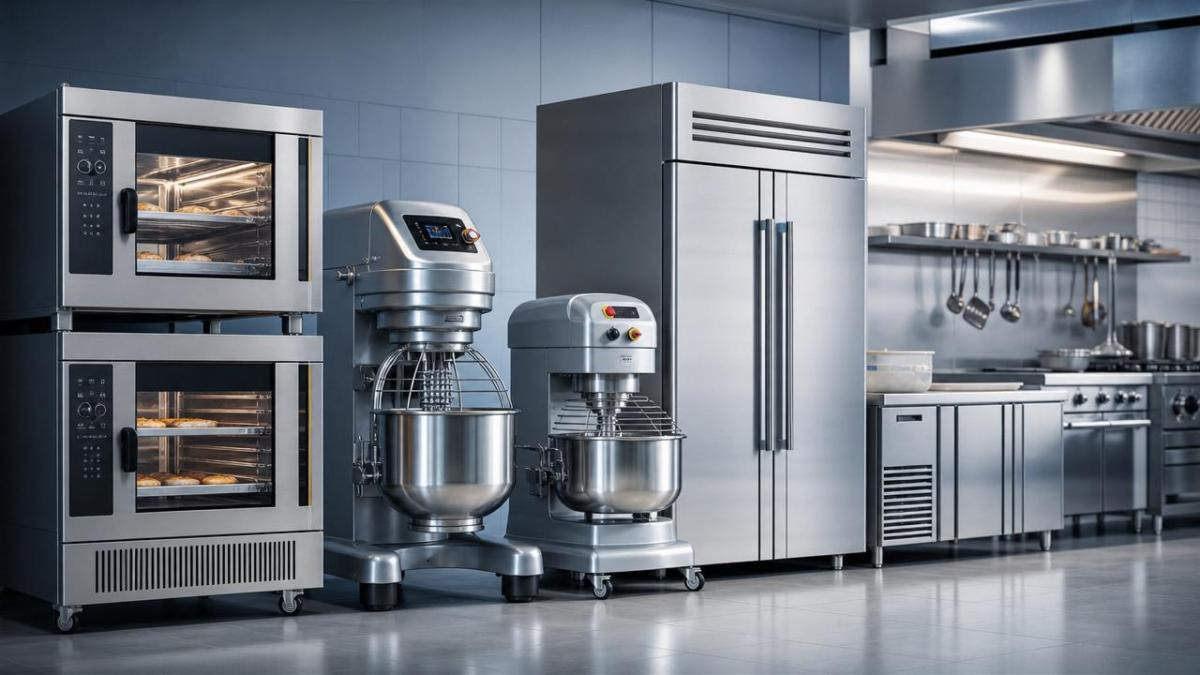
Kitchen equipment affects output speed, food consistency, labor efficiency, and operating costs every single day.
A lower purchase price can look attractive at first, but weak durability often leads to higher lifetime cost.
That is especially true in busy restaurants, hotels, central kitchens, and food processing environments.
In recent years, the kitchen equipment market has shifted toward automation, digital controls, and energy-efficient systems.
This also means buyers need to assess more than size and price.
They need to review performance data, maintenance support, parts availability, and compatibility with existing operations.
A structured kitchen equipment buying process reduces risk and improves return on investment.
Start With Operational Needs, Not Product Catalogs
Before comparing brands, define how the kitchen equipment will be used in real service conditions.
This sounds obvious, but many costly buying mistakes begin with a product-first mindset.
Start by mapping menu type, peak service hours, batch size, staffing levels, and available floor space.
A hotel banquet kitchen needs different kitchen equipment than a quick-service restaurant or bakery.
The same applies to food processing facilities that require continuous throughput and higher sanitation control.
Questions to answer first
- What products will this kitchen equipment handle every day?
- What is the expected hourly or daily output?
- How long will the machine run during peak periods?
- Do operators need simple controls or programmable settings?
- How much downtime can the business tolerate?
- Is future expansion likely within two to three years?
These answers help narrow the kitchen equipment shortlist quickly and realistically.
Key Specifications That Deserve Close Attention
Specifications are where good kitchen equipment decisions become measurable.
However, spec sheets only help when buyers know which numbers affect business performance.
Capacity and throughput
Capacity should match peak demand, not average demand.
If kitchen equipment is undersized, service slows down and labor pressure rises fast.
If it is oversized, capital cost and utility consumption may be unnecessarily high.
Power source and utility load
Check voltage, phase, gas type, water connection, drainage, and ventilation requirements.
Some kitchen equipment performs well on paper but requires expensive site upgrades.
That hidden installation cost can change the real economics of the purchase.
Material and build quality
Stainless steel grade, weld quality, insulation, and component strength matter more than appearance.
In demanding kitchens, solid construction reduces corrosion, cleaning issues, and premature failure.
Control systems and automation
Modern kitchen equipment often includes touch controls, programmable cycles, and monitoring functions.
These features can improve consistency, but only if staff can use them efficiently.
In practice, simpler controls sometimes create better results in high-turnover teams.
Safety and compliance
Review local certifications, food safety standards, heat protection, and cleaning accessibility.
Kitchen equipment should support safe food handling and reduce operator risk during busy shifts.
How to Evaluate Capacity for Real-World Demand
Capacity planning is one of the most overlooked parts of buying kitchen equipment.
Many buyers rely on supplier estimates without adjusting for workflow delays, product mix, or staff habits.
A better approach is to estimate output under normal conditions and peak conditions separately.
Use this practical framework
- Measure daily demand by product category.
- Identify the busiest service window.
- Add a buffer for seasonal spikes and special events.
- Adjust for cleaning time, loading time, and operator changeovers.
- Compare usable output, not theoretical maximum output.
For example, a combi oven rated for high tray volume may deliver less practical throughput during mixed-menu service.
That gap between rated capacity and usable capacity is where many kitchen equipment investments disappoint.
Quick comparison table
Looking Beyond Price: Total Cost of Ownership
Purchase price is only one part of kitchen equipment cost.
The better question is how much the equipment will cost over its useful life.
This is where energy use, maintenance frequency, spare parts, and downtime become critical.
Main cost drivers
- Initial purchase and installation cost
- Utility consumption over time
- Preventive maintenance and cleaning labor
- Spare part pricing and lead times
- Service response speed
- Revenue loss caused by downtime
Energy-efficient kitchen equipment often costs more upfront, yet reduces monthly operating expense.
For high-volume sites, that difference can be meaningful within the first year.
More importantly, reliable kitchen equipment protects service continuity, which is harder to measure but very valuable.
Maintenance Requirements Should Influence the Purchase
Maintenance is not an afterthought.
It is a major factor in the long-term performance of commercial kitchen equipment.
In actual operations, equipment that is difficult to clean or service tends to fail earlier.
What to review before buying
- Daily cleaning steps and required labor time
- Access to filters, belts, seals, burners, or probes
- Recommended maintenance intervals
- Availability of local technicians
- Warranty scope and excluded parts
- Digital diagnostics or remote support options
Ask suppliers for a sample maintenance checklist before placing an order.
That simple step reveals whether the kitchen equipment is designed for practical ownership.
It also helps estimate staffing needs and training requirements more accurately.
How to Compare Suppliers With More Confidence
Even strong kitchen equipment can become a weak investment if supplier support is poor.
From a buying perspective, supplier capability matters almost as much as product capability.
Supplier evaluation points
- Experience in your application segment
- Installation guidance and commissioning support
- Training for operators and managers
- Local inventory of critical spare parts
- Response time for service requests
- Ability to support future expansion
If possible, request references from businesses with similar production patterns.
Real user feedback often reveals more than brochures and polished demonstrations.
A Practical Buying Checklist for Kitchen Equipment
To make the buying process more disciplined, use a checklist before approving any kitchen equipment purchase.
- Define menu, volume, and peak-demand targets.
- Confirm utility, ventilation, and space constraints.
- Compare key specifications against actual workflow.
- Estimate usable capacity, not brochure capacity.
- Calculate total cost of ownership over several years.
- Review maintenance routines and service access.
- Check supplier support, parts, and warranty terms.
- Build in room for controlled growth.
This process makes kitchen equipment selection less emotional and far more effective.
Final Takeaway
The best kitchen equipment is not simply the newest or the cheapest option.
It is the option that matches operational demand, controls lifecycle cost, and stays reliable under pressure.
When buyers focus on specifications, realistic capacity, and maintenance requirements, they make better long-term decisions.
Use this guide to build a clearer comparison process, ask sharper supplier questions, and invest in kitchen equipment that supports steady growth.
Popular Tags
Kitchen Industry Research Team
Dedicated to analyzing emerging trends and technological shifts in the global hospitality and foodservice infrastructure sector.
Industry Insights
Join 15,000+ industry professionals. Get the latest market trends and tech news delivered weekly.
No spam. Unsubscribe anytime.
Hot Articles
 How to Size a Commercial Oven for Peak Production Without Wasting Energy
- How to Evaluate Foodservice Equipment Suppliers for Reliability, Service, and Total Cost
- How to Choose a Cutlery Set for Restaurants: Material, Durability, and Cost
- How to Evaluate Restaurant Supplies Distributors for Reliable Multi-Location Delivery
Contact With us
Contact:
Anne Yin (Ceramics Dinnerware/Glassware)
Lucky Zhai(Flatware)