
Why Are Glass Flower Vases Clouding After Repeated Use?
A glass flower vase often turns cloudy after repeated use because of mineral deposits, detergent film, trapped plant residue, or fine surface scratches. In most cases, the haze is not a sign of poor quality alone. It is usually the result of everyday water, cleaning habits, and normal wear. The good news is that some cloudiness can be removed, while other types can be prevented with better care.
If your glass flower vase looks dull even after washing, the first step is identifying what kind of cloudiness you are seeing. A white chalky film usually points to hard water minerals. A greasy or rainbow-like haze often comes from soap residue. A permanently foggy surface may mean the glass has been etched by harsh cleaners or repeated abrasion.
What usually causes a glass flower vase to become cloudy?
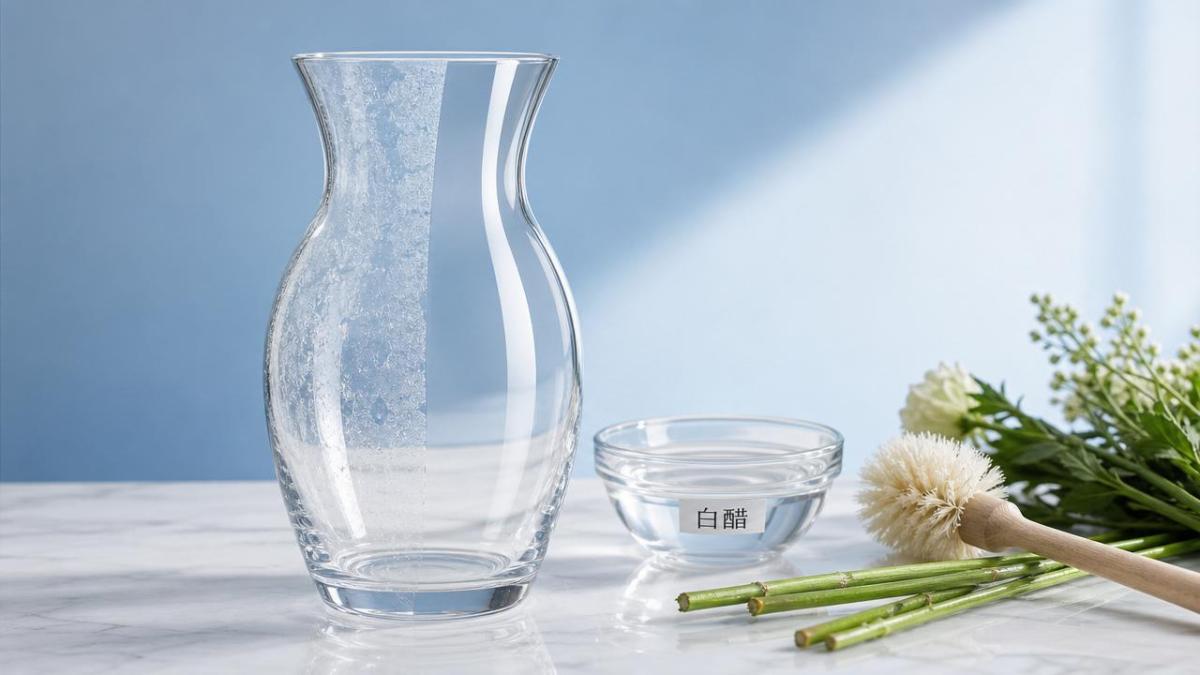
The most common reason is hard water. When water evaporates inside a vase, it leaves behind calcium and magnesium deposits. Over time, these minerals build up into a visible white film that regular rinsing does not remove.
Another frequent cause is detergent residue. Many people wash a vase with dish soap, but if the soap is not rinsed away completely, it can dry into a thin coating. After repeated use, that coating reduces the clear shine of the glass.
Organic buildup also plays a major role. Flower stems, leaves, plant sap, and bacteria can create a slippery film on the inside surface. Even if the vase looks clean at first glance, this residue can trap dirt and minerals, making the glass appear dull.
In some cases, the problem is not a removable deposit but surface damage. Tiny scratches from brushes, scouring pads, or rough storage can scatter light. That makes the vase look cloudy, even when it is completely clean.
Very hot water, strong chemicals, and dishwasher cycles can also contribute. Some glass vases are decorative rather than heavy-duty. Repeated exposure to harsh cleaning conditions may gradually etch the surface and reduce clarity.
How can you tell whether the cloudiness is residue or permanent damage?
This is the most useful question for homeowners because it determines whether restoration is realistic. If the haze feels rough, chalky, or patchy, it is usually caused by residue sitting on the surface. That type often responds well to vinegar or gentle cleaning.
If the vase feels smooth but still looks permanently frosted, the glass may be etched. Etching happens when the surface is microscopically worn down by abrasive tools, strong alkaline detergents, or repeated dishwasher exposure. Once that damage happens, it cannot usually be reversed completely.
You can do a simple test at home. Wet the cloudy area with water or white vinegar and look at it under bright light. If the glass becomes clearer while wet, the issue is likely mineral film or residue. If it still looks dull, the problem may be scratching or etching.
Another clue is the location of the haze. A ring near the waterline often suggests minerals. A cloudy bottom may come from standing water and stem residue. An overall even fog can point to detergent film or dishwasher-related wear.
Why do fresh flowers make buildup worse over time?
Many people assume plain water should not damage a vase, but flower arrangements create a more complex environment. Stems release organic compounds into the water, and decaying leaves can accelerate bacterial growth. This mixture sticks easily to glass surfaces.
Flower food can also leave residue. It contains sugars, acids, and additives designed to extend bloom life. While useful for cut flowers, these ingredients may contribute to film if the vase is not cleaned thoroughly after each arrangement.
When water sits for several days, minerals and organic matter have more time to bond to the inner surface. If the vase then dries before being washed, deposits become harder to remove. Repeating that cycle week after week leads to visible clouding.
Narrow-necked vases are especially vulnerable because they are harder to clean properly. Residue remains in corners, near the base, or around curves where brushes and sponges cannot easily reach.
What is the safest way to clean a cloudy glass flower vase?
For most consumers, the safest first method is white vinegar and warm water. Fill the vase with equal parts vinegar and warm water, let it soak for thirty minutes to several hours, then scrub gently with a soft bottle brush. This helps dissolve mineral deposits without being too harsh.
If buildup is stubborn, uncooked rice or crushed eggshells can act as a mild physical aid. Add a small amount with warm water and gently swirl. This can loosen residue inside narrow vases without using an abrasive scrub pad that might scratch the glass.
Baking soda can help with odor and organic film, but it should be used carefully. A small amount combined with water creates gentle cleaning action. However, aggressive scrubbing with baking soda paste may create fine scratches on delicate glass.
For soap residue, rinse repeatedly with hot water after washing. If a greasy film remains, wipe the vase with diluted vinegar and rinse again. The goal is to remove the invisible layer rather than add more cleaning product.
Avoid steel wool, harsh scouring powders, and highly alkaline cleaners. These can turn a temporary maintenance issue into permanent etching. If your glass flower vase is decorative, hand washing is usually safer than frequent dishwasher use.
Can dishwasher cleaning make a vase cloudy?
Yes, it can. Dishwashers are convenient, but they combine high heat, detergent concentration, and strong water action. For some glassware, especially thinner or decorative pieces, this can leave a dull appearance over time.
One issue is detergent residue. Another is etching caused by repeated exposure to alkaline detergent and hot water. Once the surface is etched, the cloudiness will not wash away because the glass itself has changed.
Dishwasher racks may also allow the vase to move slightly during cycles, creating micro-abrasions. Even small contact points can reduce the brilliant finish after repeated washes, especially if the vase has a delicate polished surface.
If the manufacturer does not clearly state that the vase is dishwasher safe, hand washing is the better choice. For expensive, sentimental, or decorative pieces, gentle manual cleaning is almost always worth the extra effort.
How do you restore shine if the vase already looks dull?
Start by removing all possible residue. Soak the vase in vinegar, wash gently, and inspect it in natural light. If the cloudiness fades, repeat the process until deposits are gone. This is often enough for vases affected by hard water or flower residue.
For stubborn mineral scale, a second soak with warm vinegar may work better than stronger chemicals. Patience is important. Letting deposits soften over time is safer than scrubbing aggressively and risking scratches.
If the vase remains foggy after careful cleaning, lower your expectations for full restoration. Surface etching cannot usually be polished out at home without special tools, and even professional polishing may not be cost-effective for a common household vase.
At that point, the practical decision is whether the vase is still attractive enough for regular use. Some consumers repurpose slightly clouded vases for dried flowers, decorative branches, or colored arrangements where minor haze is less visible.
How can you prevent a glass flower vase from clouding again?
The best prevention is simple: empty, rinse, and dry the vase soon after use. Do not let flower water sit for days after the blooms are gone. The longer residue stays in place, the more likely it is to harden into visible film.
Use soft water if possible, especially in areas known for mineral-heavy tap water. If that is not practical, a final rinse with distilled water can reduce spotting and mineral residue on the inside surface.
Wash with a small amount of mild dish soap, then rinse very thoroughly. Soap left behind becomes part of the problem. A final rinse with diluted vinegar can help neutralize both minerals and detergent traces.
Choose the right cleaning tools. A soft bottle brush is ideal for most vases. Avoid rough pads, metal tools, or anything that can scratch the interior. Store the vase carefully so it does not rub against harder objects.
If you use flower food regularly, be extra consistent about cleaning. The added nutrients support flowers, but they can also feed residue and odor if the vase is left standing after use.
When should you replace the vase instead of trying to fix it?
Replacement makes sense when the cloudiness is permanent, the vase has become heavily scratched, or cleaning no longer improves its appearance. If the piece is inexpensive and used often, replacing it may save time and frustration.
You should also consider replacement if the surface damage affects the look of floral arrangements you display in visible areas like dining tables, entryways, or event settings. Clear glass is often chosen for elegance, so lasting haze can reduce its decorative value.
However, not every cloudy vase needs to be discarded. If the structure is intact and the haze is minor, it may still serve well in casual spaces or for less formal arrangements. The right choice depends on how much clarity matters to you.
What should consumers look for when buying a new glass flower vase?
If you plan to use the vase frequently, look for thicker, durable glass that can tolerate regular hand washing. A wider opening also makes cleaning easier, which reduces the chance of buildup over time.
Ask whether the vase is dishwasher safe, but do not rely on that feature alone. Even dishwasher-safe glass may stay clearer longer with gentle manual care. Smooth interior walls and a simple shape are practical advantages for maintenance.
For households in hard water areas, maintenance matters almost as much as design. A beautiful glass flower vase with a narrow neck may look elegant, but if it is difficult to clean, cloudiness is more likely to develop.
In other words, long-term clarity depends on both product choice and daily care. Consumers who understand this are more likely to keep their vases looking bright, clean, and ready for the next arrangement.
Conclusion
If your glass flower vase is clouding after repeated use, the cause is usually mineral buildup, soap film, organic residue, or fine surface wear. The key is knowing whether the haze sits on the glass or has become part of the glass.
Most removable cloudiness can be improved with gentle cleaning, especially vinegar soaks and careful rinsing. Permanent dullness, however, often points to scratches or etching that no basic home method can fully reverse.
For the best results, clean the vase promptly, avoid harsh tools, rinse thoroughly, and do not let flower water stand too long. With the right habits, a glass flower vase can stay clear and elegant through many repeated uses.
Popular Tags
Kitchen Industry Research Team
Dedicated to analyzing emerging trends and technological shifts in the global hospitality and foodservice infrastructure sector.
Industry Insights
Join 15,000+ industry professionals. Get the latest market trends and tech news delivered weekly.
No spam. Unsubscribe anytime.
Hot Articles
 Kitchen Tools for Restaurants That Reduce Prep Bottlenecks During Peak Service
- How to Choose a Leak-Proof Glass Storage Container for Meal Prep and Transport
- How to Size a Commercial Charbroiler for Peak-Hour Restaurant Output
- How to Specify Stainless Steel Kitchen Equipment for High-Volume Commercial Kitchens




Contact With us
Contact:
Anne Yin (Ceramics Dinnerware/Glassware)
Lucky Zhai(Flatware)