
VDE Green Kitchen Equipment Certifications Awarded to 37 Chinese Firms
On May 11, 2026, Germany’s VDE Institute published the first list of certified enterprises under its voluntary Green Kitchen Equipment program — a development with immediate implications for China’s commercial kitchen equipment exporters, component suppliers, and sustainability-focused manufacturers targeting the Benelux and broader EU foodservice markets.
Event Overview
The VDE Institute officially released the inaugural roster of Green Kitchen Equipment certification holders on May 11, 2026. A total of 37 Chinese manufacturers were included, covering product categories such as energy-efficient commercial cooking appliances, waste-heat recovery systems, and intelligent exhaust modules. Certification requires compliance with three mandatory criteria: minimum energy efficiency level IE4 or higher; recyclability rate of materials ≥85%; and verified carbon footprint declaration. The certification is voluntary but has been formally adopted by major German, Dutch, and Belgian retailers as a priority access requirement for green procurement starting in the second half of 2026.
Industries Affected
Direct export trading enterprises face revised market entry conditions in key EU retail channels. Since the certification is now embedded in procurement gateways for large foodservice distributors and contract catering integrators, non-certified exporters may experience delayed order processing, reduced shelf placement priority, or exclusion from tender shortlists — particularly for tenders issued after July 2026.
Raw material procurement enterprises must adapt sourcing strategies to meet the 85% material recyclability threshold. This includes verifying supplier declarations for stainless steel grades (e.g., EN 1.4301 vs. 1.4404), aluminum alloys with ≥95% post-consumer content, and flame-retardant plastics compliant with ISO 14040-based recyclability assessments. Non-compliant material batches risk invalidating downstream certification audits.
Contract manufacturing and OEM/ODM enterprises are affected both operationally and commercially. Certification applies to final assembled products — meaning design documentation, bill-of-materials traceability, and production-line energy metering must be auditable. Manufacturers supplying white-label units to EU brands now bear shared accountability for carbon footprint reporting, increasing documentation burden and requiring alignment with clients’ LCA methodologies.
Supply chain service providers, including third-party testing labs, LCA consultants, and certification support agencies, see rising demand for IE4-level performance validation, EN 15804-compliant EPD development, and VDE-specific audit preparation. However, capacity constraints exist: only six VDE-accredited labs in China currently offer full-scope green kitchen equipment assessment, creating potential bottlenecks ahead of Q3 2026 procurement cycles.
Key Focus Areas and Recommended Actions
Verify eligibility against the three core criteria — not just energy class
Many manufacturers assume IE4 compliance alone suffices. In practice, VDE requires concurrent demonstration of material recyclability and carbon footprint transparency. Enterprises should conduct internal gap assessments using VDE’s publicly available Green Kitchen Equipment Assessment Framework v1.2, paying special attention to boundary definitions for Scope 3 emissions (e.g., transport of components from Tier-2 suppliers).
Prioritize certification for high-volume export SKUs, not entire portfolios
Given limited lab capacity and audit lead times (currently averaging 14–18 weeks), companies should identify top 5–10 SKUs by EU revenue share and initiate certification sequentially. This approach avoids overcommitting resources while securing early access to green procurement windows.
Engage upstream suppliers in joint recyclability verification
Since material declarations form part of the audit evidence package, procurement teams must obtain validated recyclability data — not marketing claims — from raw material vendors. Acceptable evidence includes mill test reports citing EN 10027 steel designation plus recyclate content percentages, or ISO 14021-compliant self-declarations backed by annual third-party verification.
Editorial Perspective / Industry Observation
Observably, the VDE initiative functions less as a standalone eco-label and more as a de facto technical barrier aligned with the EU’s broader Green Public Procurement Criteria for Catering Services (2025 update). Its rapid adoption by retailers suggests it may serve as a pilot model for future harmonization under the Ecodesign for Sustainable Products Regulation (ESPR). Analysis shows that unlike legacy energy labels, this scheme integrates circularity and climate metrics into a single pass/fail protocol — shifting competitive advantage toward firms with vertically integrated sustainability data management, not just product engineering capability.
Conclusion
This certification milestone marks a structural inflection point: environmental performance is no longer a differentiator but a prerequisite for market participation in premium EU foodservice channels. For Chinese manufacturers, the challenge lies not in meeting individual thresholds, but in building interoperable systems — linking energy testing, material traceability, and carbon accounting across R&D, procurement, and production. Success will favor those treating certification as a catalyst for systemic operational upgrade, rather than a one-off compliance exercise.
Source Attribution
Official announcement: VDE Institute Press Release ‘First Green Kitchen Equipment Certificate Holders Published’, May 11, 2026 (vde.com/en/press/gke-2026-05-11).
Procurement policy reference: REWE Group Sustainability Sourcing Guidelines v4.1 (effective July 1, 2026); Albert Heijn Green Procurement Annex 2026.
Areas under observation: Potential inclusion of GKE criteria in upcoming ESPR implementing acts; expansion of certification scope to include digital control systems (e.g., IoT-enabled load optimization) in Q4 2026.
Popular Tags
Kitchen Industry Research Team
Dedicated to analyzing emerging trends and technological shifts in the global hospitality and foodservice infrastructure sector.
Industry Insights
Join 15,000+ industry professionals. Get the latest market trends and tech news delivered weekly.
No spam. Unsubscribe anytime.
Hot Articles
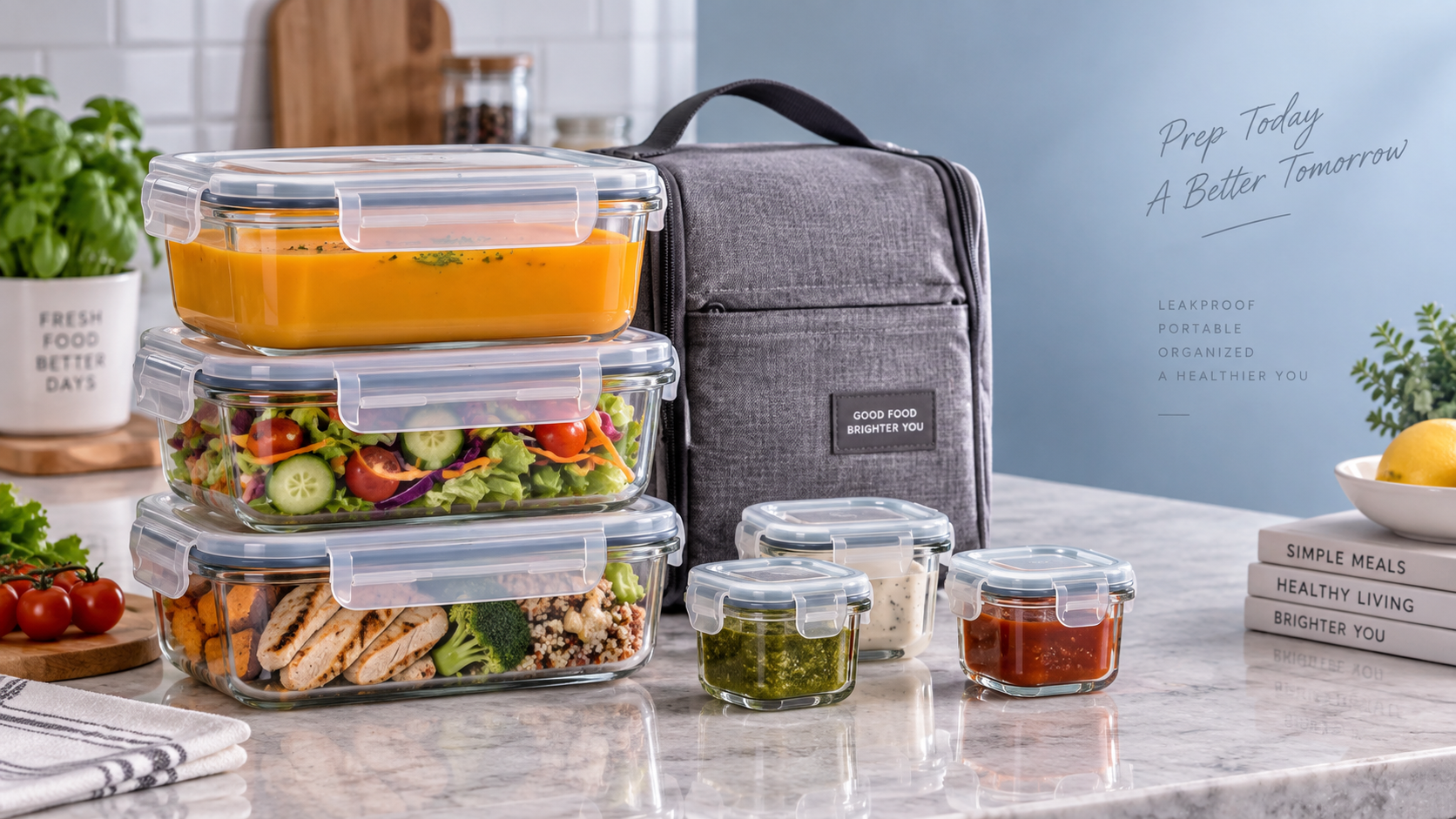
 How to Choose a Leak-Proof Glass Storage Container for Meal Prep and Transport
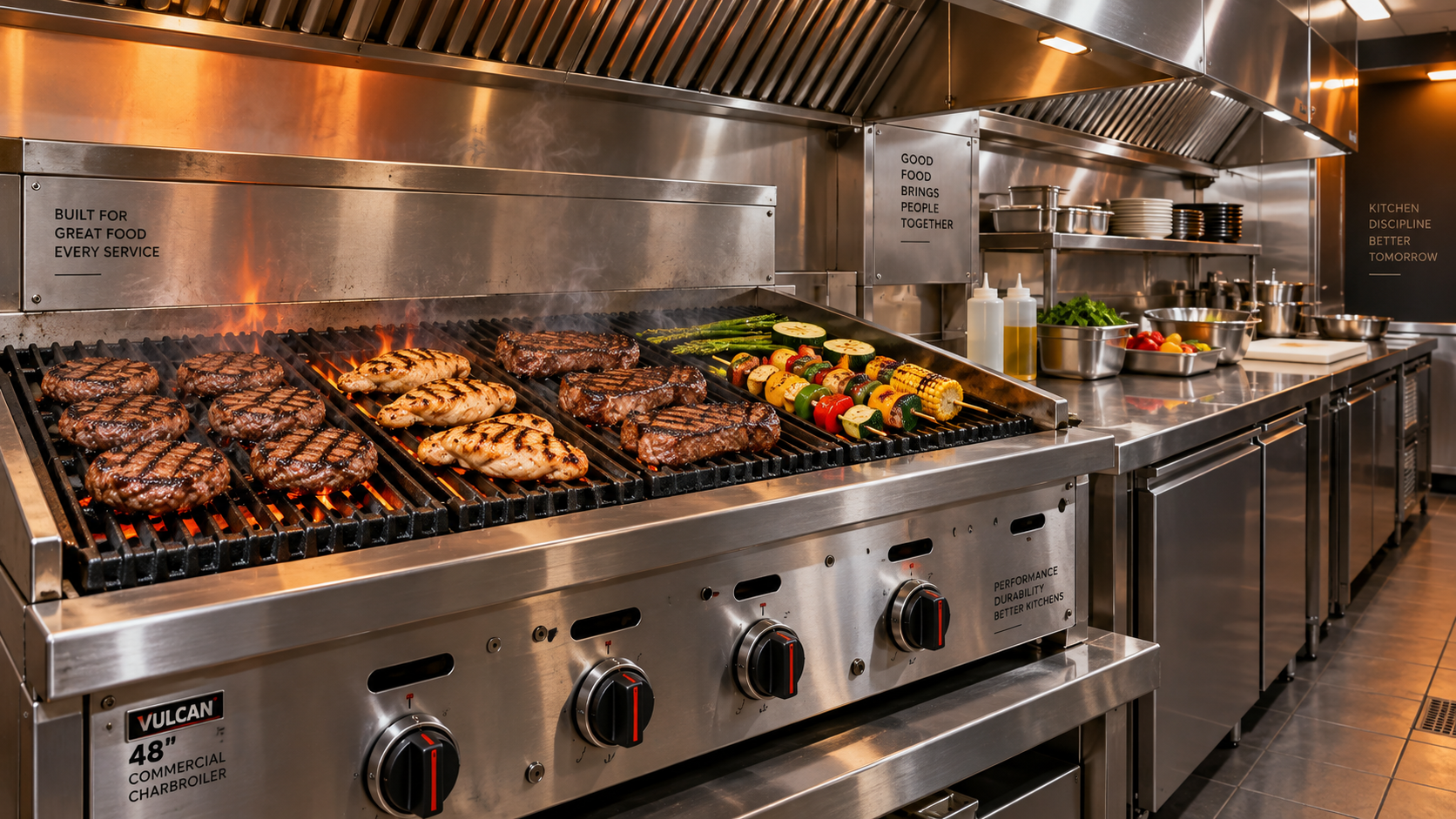
- How to Size a Commercial Charbroiler for Peak-Hour Restaurant Output
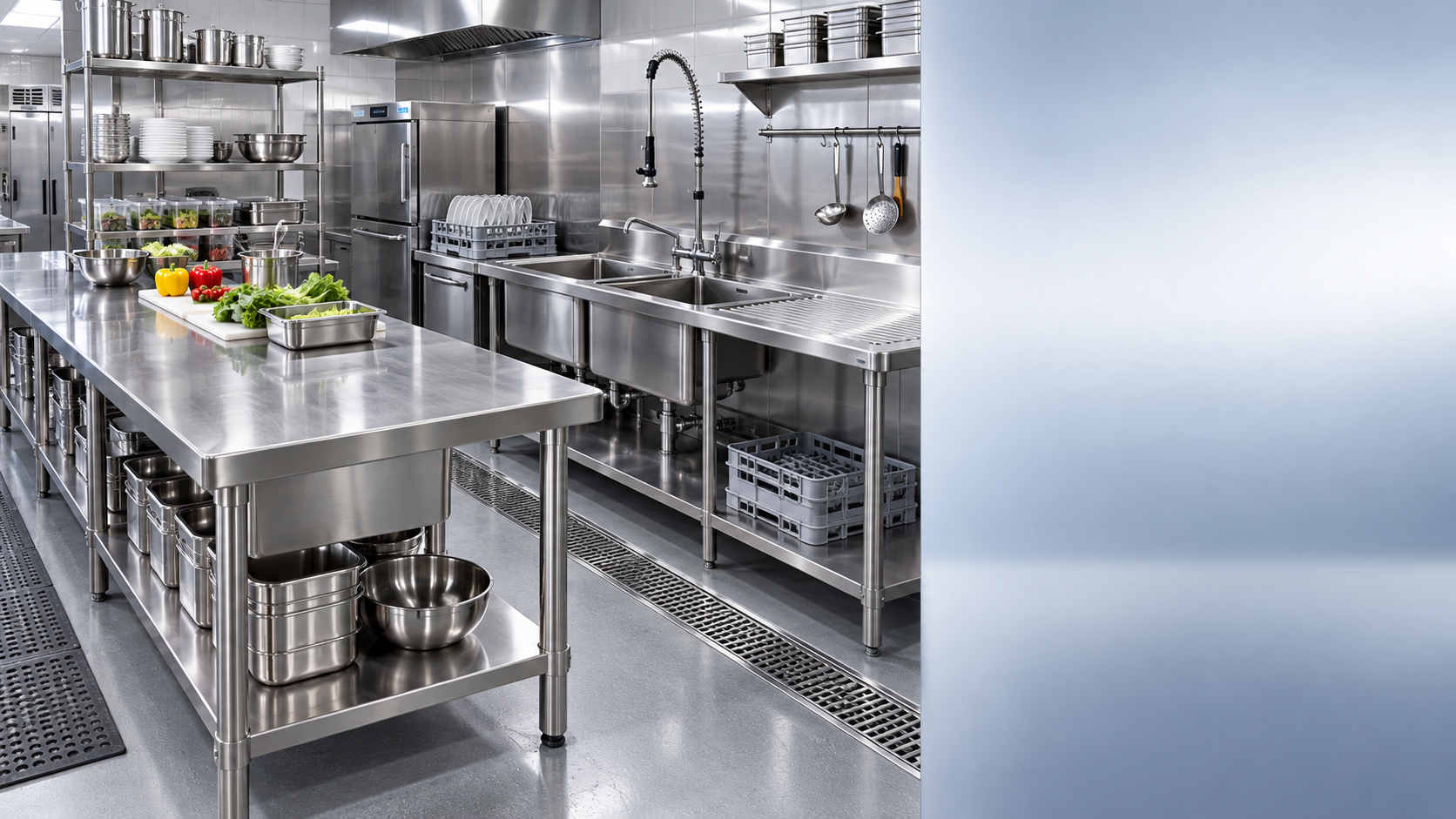
- How to Specify Stainless Steel Kitchen Equipment for High-Volume Commercial Kitchens
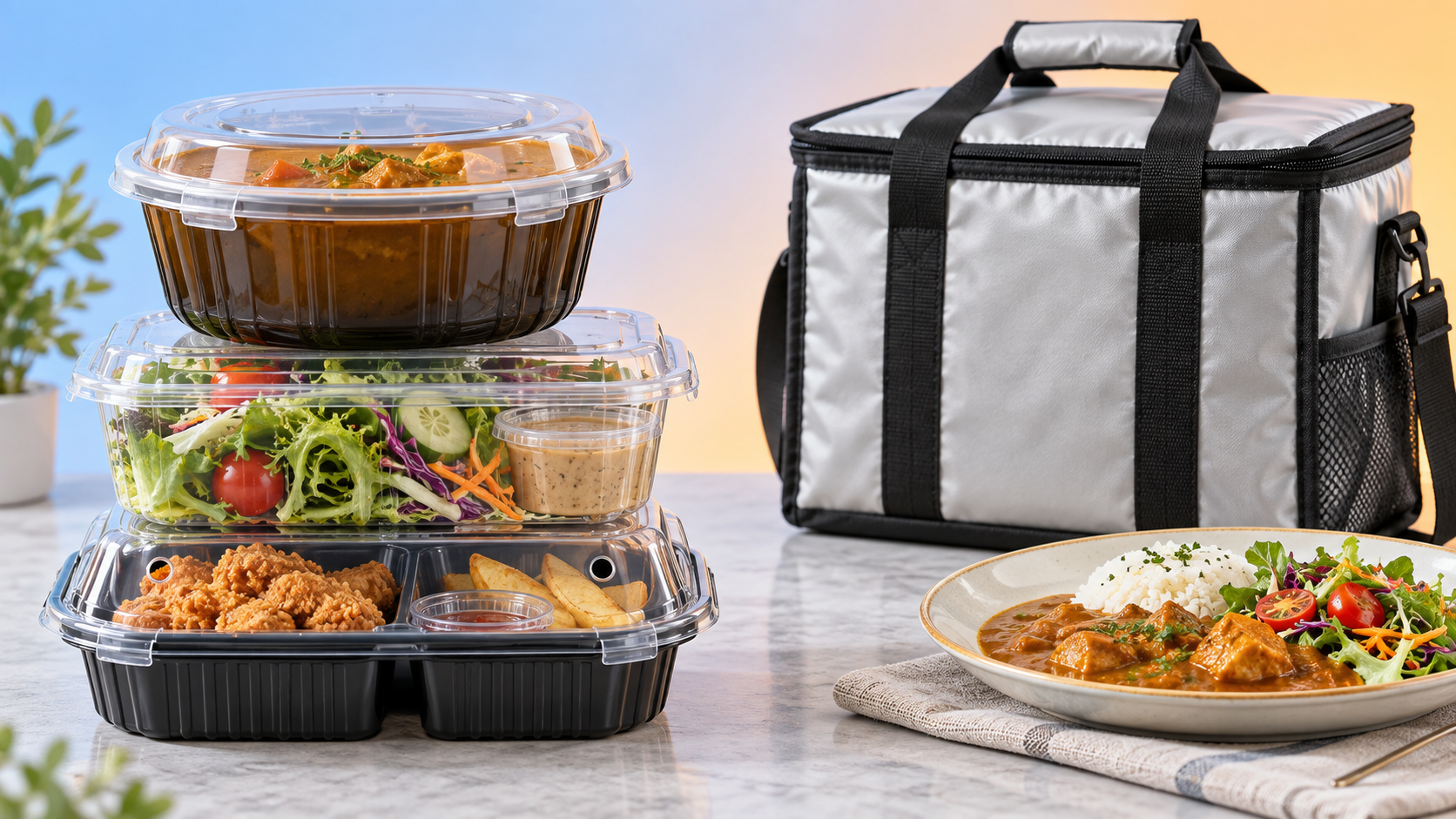
- How to Choose Food Containers for Hot, Cold, and Leak-Prone Takeout Meals
Contact With us
Contact:
Anne Yin (Ceramics Dinnerware/Glassware)
Lucky Zhai(Flatware)