
How to choose a leak-proof glass storage container
How to Choose a Leak-Proof Glass Storage Container
Choosing the right leak-proof glass storage container is essential for buyers seeking reliable, food-safe, and durable kitchen storage solutions.
For restaurants, hotels, food processors, and household kitchen suppliers, the ideal container must combine airtight sealing, strong glass quality, easy cleaning, and cost efficiency.
This guide highlights the key factors procurement teams should evaluate to reduce leakage risks, meet safety standards, and deliver dependable value in daily food storage.
Start with the real buying decision: leakage risk, food safety, and total value
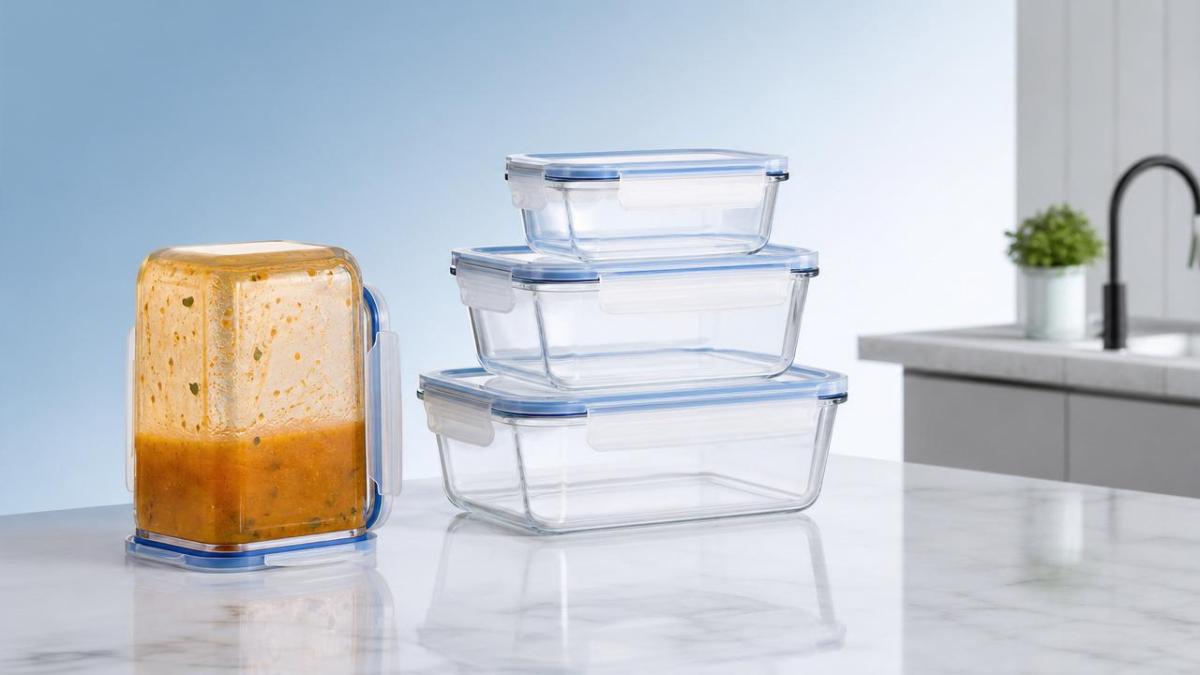
For procurement teams, choosing a leak-proof glass storage container is not only about appearance, capacity, or shelf price.
The real decision is whether the product can protect food, survive repeated use, and reduce complaints across commercial or retail applications.
A container that leaks during transport can damage packaging, create hygiene risks, and increase returns from restaurants, distributors, or end consumers.
Buyers should therefore evaluate sealing performance, glass durability, lid construction, compliance documentation, and supplier consistency before confirming any purchase order.
The best choice is usually not the cheapest option, but the model that balances reliability, safety, and predictable long-term operating cost.
Define the usage scenario before comparing specifications
A leak-proof glass storage container used in a hotel buffet kitchen faces different demands from one sold for household meal preparation.
Commercial kitchens need containers that withstand frequent washing, fast handling, refrigeration, and sometimes reheating during high-volume daily operations.
Food processors may require stackable containers with consistent dimensions, strong seals, and packaging suitable for centralized storage or distribution.
Retail buyers should consider consumer expectations, including microwave convenience, freezer compatibility, stain resistance, and an attractive presentation on shelves.
Before requesting quotations, procurement teams should identify temperature range, usage frequency, transport needs, and expected service life for each product line.
Check the sealing system, because the lid determines leak resistance
The lid is the most important component when evaluating whether a glass storage container is truly leak-proof in real use.
Airtight performance usually depends on a silicone gasket, secure locking tabs, and stable pressure between the lid and glass rim.
Four-sided locking lids are common because they distribute pressure evenly and help prevent liquid from escaping during movement.
However, buyers should inspect whether the locking tabs feel stable after repeated opening, closing, dishwashing, and temperature changes.
The silicone gasket should fit tightly in its groove without twisting, loosening, or collecting excessive food residue after cleaning.
Procurement teams should request leakage tests using water, oil-based sauces, and thicker foods because different liquids behave differently during handling.
A practical test is to fill the container, close it, invert it, shake it gently, and check for seepage around corners.
Evaluate glass quality, not just glass thickness
Many buyers assume thicker glass always means better quality, but durability depends on composition, processing, and thermal resistance.
Borosilicate glass is valued for better thermal shock resistance, making it suitable for freezer-to-microwave or oven-related applications when specified.
Soda-lime glass can be economical and strong for general storage, but it may have lower resistance to sudden temperature changes.
Buyers should confirm the glass type, maximum temperature tolerance, minimum temperature tolerance, and whether oven use is officially supported.
Edges and corners deserve close inspection because chips, uneven rims, or tiny defects can reduce sealing performance and product safety.
A quality leak-proof glass storage container should have a flat rim, smooth walls, stable base, and consistent weight across production batches.
For bulk procurement, sample testing should include drop resistance from practical heights, stacking pressure, and repeated thermal cycling where relevant.
Make food safety compliance a non-negotiable requirement
Food-contact safety is especially important for buyers serving restaurants, hotels, food processors, or consumer kitchenware distribution channels.
Procurement teams should request documentation for applicable standards, such as FDA, LFGB, EU food-contact regulations, or relevant local requirements.
The glass itself should be non-toxic, odor-free, stain-resistant, and free from harmful heavy metals under normal food storage conditions.
Lids, gaskets, and plastic components must also comply with food-contact rules, because they directly touch sauces, oils, and prepared meals.
Buyers should not focus only on the container body while ignoring gasket material, colorants, lid resin, and printed packaging claims.
For private label or import programs, test reports should match the exact material, factory, model, and production period being purchased.
Consider temperature compatibility for real kitchen workflows
A container may appear reliable in room-temperature storage but fail when exposed to freezer, microwave, dishwasher, or hot filling conditions.
Buyers should clearly confirm which parts are microwave-safe, freezer-safe, dishwasher-safe, and oven-safe, instead of relying on broad marketing claims.
In many products, the glass body may tolerate heat, while the plastic lid may not be suitable for microwave or oven use.
Restaurants and meal-prep businesses often need containers that move from refrigeration to reheating without cracking or warping.
If users frequently store soups, sauces, curries, or marinated foods, seals must resist odor absorption and deformation from oils or acids.
Temperature compatibility should be printed clearly on packaging and user instructions to reduce misuse, complaints, and warranty disputes.
Prioritize easy cleaning and hygienic design
Leak-proof performance should not come at the expense of hygiene, especially in commercial kitchens with strict cleaning routines.
Deep lid grooves, loose gaskets, and hard-to-reach corners can trap moisture, grease, and food particles after repeated use.
A removable silicone gasket can improve cleaning, but it must also be easy to reinstall correctly without affecting seal performance.
Buyers should test whether lids and containers remain odor-free after storing garlic, tomato sauce, curry, or oily foods.
Dishwasher performance should include checking warping, clouding, gasket loosening, label damage, and locking strength after multiple cycles.
For institutional buyers, a hygienic design can reduce labor time, improve food safety, and extend product replacement intervals.
Compare sizes, shapes, and stackability based on inventory efficiency
Capacity selection affects how efficiently containers serve kitchen operations, retail assortments, and warehouse storage planning.
Round containers are useful for soups and sauces, while rectangular and square shapes often improve refrigerator and shelf utilization.
For restaurants and central kitchens, stackability matters because space is expensive and staff need fast access during service.
Containers should stack securely with lids on, and nest efficiently when empty if the product design supports nesting.
A well-planned range may include small sauce sizes, medium meal-prep sizes, and larger family or bulk storage options.
Buyers should avoid excessive SKU complexity, because too many sizes can increase inventory pressure and slow purchasing decisions.
Assess lid durability under repeated opening and closing
A product can pass an initial leakage test but still fail after months of repeated daily use.
Locking tabs are a common weak point, especially when plastic becomes brittle, hinges loosen, or users apply uneven pressure.
Procurement teams should perform cycle testing by opening and closing samples hundreds of times before approving a supplier.
After cycle testing, check whether the lid still aligns properly, seals evenly, and locks without excessive force.
The lid should feel firm but not difficult to close, because overly tight locks can frustrate users and cause breakage.
For high-volume buyers, lid replacement availability can be valuable, especially when glass bodies remain usable for a long time.
Review packaging strength for transport and distribution
Glass containers require protective packaging that can survive international shipping, warehouse handling, and final delivery to customers.
Procurement teams should evaluate carton strength, internal dividers, corner protection, drop-test results, and pallet loading methods.
Retail packaging should protect the product while clearly communicating capacity, safety certifications, temperature limits, and usage instructions.
For e-commerce channels, packaging must be stronger because parcels may face rougher handling than palletized retail shipments.
Breakage during transport increases hidden costs through claims, replacements, negative reviews, and lost customer confidence.
Buyers should ask suppliers for packaging test records and consider sample shipping trials before placing large-volume orders.
Calculate total cost instead of only unit price
The cheapest leak-proof glass storage container may become expensive if it causes breakage, leakage complaints, or frequent replacements.
Total cost includes purchase price, packaging damage, inspection cost, return rate, warranty claims, and impact on customer satisfaction.
For commercial buyers, durability can directly reduce replacement frequency and improve operational efficiency in kitchens and storage areas.
For distributors, consistent quality can reduce after-sales workload and protect long-term relationships with retailers or institutional clients.
Procurement teams should compare products using cost per use, not only cost per piece, especially for demanding applications.
A slightly higher unit price may be justified when the product delivers better sealing, safer materials, and lower defect rates.
Verify supplier capability before scaling the order
Even a well-designed container can create problems if the supplier cannot maintain consistent production quality across batches.
Buyers should evaluate factory experience, quality control systems, export records, certification support, and responsiveness to technical questions.
Sample approval should not be the final step; pre-shipment inspection and batch testing are also important for large orders.
Ask whether the supplier controls glass production, lid molding, gasket sourcing, assembly, and packaging internally or through partners.
Clear specifications should include material grade, capacity tolerance, glass weight range, lid color, gasket material, and packaging requirements.
A reliable supplier should provide stable lead times, traceable documentation, defect handling procedures, and realistic production capacity commitments.
Use a practical procurement checklist before final approval
Before confirming an order, buyers should create a checklist that translates product expectations into measurable acceptance criteria.
The checklist should include leak testing, glass inspection, lid locking strength, gasket fit, dishwasher performance, and temperature compatibility.
It should also cover food-contact documents, packaging drop tests, barcode accuracy, labeling information, and carton marking requirements.
For private label projects, confirm logo placement, color consistency, instruction language, and compliance statements before mass production begins.
Procurement teams should keep approved samples for comparison during inspection, especially when ordering repeat batches over time.
This approach reduces ambiguity, improves supplier accountability, and helps ensure the final product matches commercial expectations.
Common mistakes buyers should avoid
One common mistake is assuming that any glass container with a locking lid is automatically leak-proof.
Another mistake is testing only with water, while real users often store oily sauces, soups, dressings, and acidic foods.
Some buyers also ignore lid quality because the glass body looks strong, yet most leakage problems start around the lid.
Focusing only on visual appearance can lead to overlooked issues such as poor gasket fit, weak hinges, or unstable stacking.
It is also risky to accept vague claims like “food grade” without matching test reports and material details.
A disciplined evaluation process helps buyers avoid products that look attractive initially but fail in demanding daily use.
Conclusion: choose reliability that matches the application
The right leak-proof glass storage container should match the buyer’s usage scenario, safety requirements, and cost expectations.
Strong glass, dependable seals, compliant materials, hygienic design, and durable packaging all contribute to real product value.
Procurement teams should test samples under realistic conditions and judge suppliers by consistency, documentation, and problem-solving ability.
For restaurants, hotels, food processors, and household kitchen suppliers, reliability is the difference between a useful product and a costly complaint.
By focusing on measurable performance rather than simple appearance or lowest price, buyers can select containers that deliver lasting confidence.
Popular Tags
Kitchen Industry Research Team
Dedicated to analyzing emerging trends and technological shifts in the global hospitality and foodservice infrastructure sector.
Industry Insights
Join 15,000+ industry professionals. Get the latest market trends and tech news delivered weekly.
No spam. Unsubscribe anytime.

Contact With us
Contact:
Anne Yin (Ceramics Dinnerware/Glassware)
Lucky Zhai(Flatware)