
Cafe kitchen design that keeps queues moving at peak hours
At peak hours, a well-planned kitchen design for cafes can make the difference between fast service and frustrating queues. From smart kitchen design and energy efficient kitchen design to durable stainless steel restaurant supplies, every layout and equipment choice affects speed, safety, and workflow. This guide explores practical ideas for operators, buyers, and decision-makers seeking custom kitchen design solutions and reliable commercial restaurant supplies.
In busy café environments, the kitchen is not only a production area but also a traffic management system. When orders spike for 60 to 120 minutes in the morning rush or lunch period, poor sequencing between storage, prep, brewing, cooking, packing, and pickup quickly creates bottlenecks. A strong design strategy reduces unnecessary movement, improves consistency, and supports both staff productivity and customer satisfaction.
For buyers and decision-makers, the challenge is balancing speed, hygiene, energy use, equipment durability, and future expansion. A café kitchen that performs well at 80 orders per hour may struggle at 140 if the layout, ventilation, cold storage, or pass counter is undersized. That is why kitchen design should be evaluated as an operational system rather than a list of appliances.
Why peak-hour café kitchen design matters
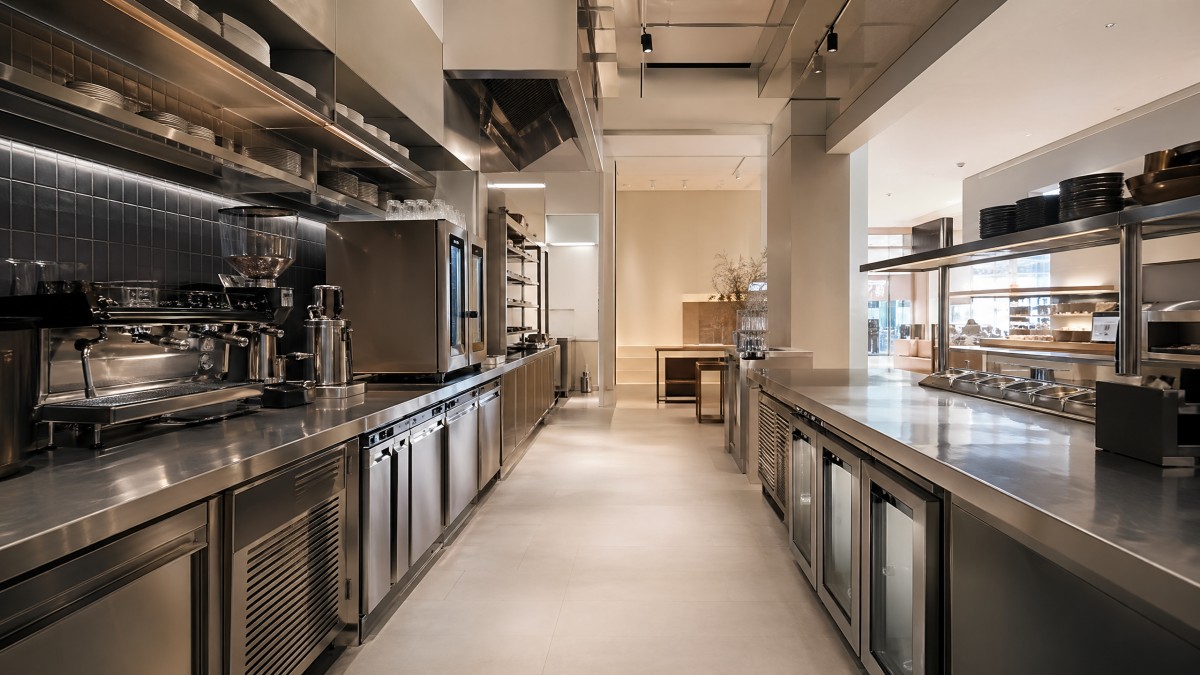
Peak-hour performance depends on how quickly a café can move from order intake to handoff without creating cross-traffic. In compact spaces, even 2 to 3 extra steps per order can add several minutes across a queue of 40 customers. A layout that supports linear movement helps reduce collisions between baristas, cooks, and runners while keeping service times predictable.
Many cafés operate with limited back-of-house space, often between 15 and 45 square meters for kitchen and beverage production combined. In that range, equipment placement becomes critical. Refrigeration should sit close to prep zones, undercounter units should support high-frequency ingredients, and hot holding areas should be positioned near final assembly to avoid repeat handling.
Queue problems often begin with mismatched station capacity. For example, a café may have two POS terminals but only one finishing station, or a high-output espresso setup but insufficient sandwich prep space. These imbalances create hidden delays. Good café kitchen design identifies the true pace-setting station and builds the workflow around it.
The table below shows common operational pressure points and how design choices affect queue speed during rush periods.
The key takeaway is that queues rarely come from one issue alone. They usually result from small delays repeated across dozens of transactions. A custom kitchen design that removes those repeat delays can improve output without expanding headcount or floor area.
Three operational goals for café layouts
The most effective commercial kitchen planning for cafés typically aims to achieve three measurable goals:
- Keep average order assembly within 2 to 4 minutes for standard menu items during peak demand.
- Reduce staff crossover by organizing work into clear zones for storage, prep, cooking, finishing, and dispatch.
- Support hygiene and cleaning by using stainless steel restaurant supplies with smooth, easy-to-sanitize surfaces.
Core layout principles that keep queues moving
A café kitchen should be designed around product flow, not only around available walls. The most practical model is a sequence-based layout: receiving, cold storage, dry storage, prep, cooking or heating, beverage preparation, packaging, and pickup. Even in a small café, preserving this order can reduce backtracking and improve staff coordination.
Zoning is especially important when one kitchen handles dine-in, takeaway, and delivery orders at the same time. If possible, assign one assembly line for high-volume grab-and-go items and another for made-to-order menu items. This prevents simple orders from being trapped behind longer ticket items and helps maintain queue flow at the front counter.
Aisle width also matters. In many commercial settings, working aisles of around 900 mm to 1200 mm provide enough room for one or two staff members without creating congestion. If hot equipment doors, refrigeration drawers, and waste bins open into the same aisle, the usable space quickly shrinks. During design review, these opening arcs should be checked in real working conditions.
Another common improvement is vertical space utilization. Wall-mounted shelving, overhead cup storage, and undercounter refrigeration can free up bench area for active prep. However, high-frequency items should remain within easy reach, ideally between waist and shoulder height, to reduce repetitive strain and retrieval time.
Recommended workflow zones
The following layout framework is widely used in café operations where speed, consistency, and sanitation all matter.
- Receiving and storage zone: dry goods, milk, frozen items, and packaging should have dedicated access points and stock rotation rules.
- Prep zone: ingredient washing, slicing, portioning, and labeling should be separated from final service traffic.
- Production zone: ovens, grills, panini presses, fryers, or combi units should be grouped by heat and menu type.
- Assembly and handoff zone: completed orders should move directly to packaging and pickup with minimal delay.
Common layout mistakes to avoid
One frequent error is placing cleaning sinks too far from production, forcing staff to carry utensils across active pathways. Another is overloading the line with low-use appliances that occupy premium space. A third is treating coffee production and food finishing as one shared station when order volume regularly exceeds 70 to 90 transactions per hour. These design shortcuts often become expensive operational problems later.
Choosing equipment for speed, safety, and energy efficiency
Equipment selection directly shapes queue performance. A café kitchen may only need a compact footprint, but it still requires the right output balance. For example, a high-speed oven, refrigerated prep counter, undercounter dishwasher, and stainless steel worktables can support faster turnover than a larger but poorly matched equipment package. Procurement should focus on throughput, cleaning time, and service access, not just purchase price.
Energy efficient kitchen design is increasingly important because cafés often operate equipment for 10 to 16 hours per day. Refrigeration with stable door seals, efficient compressors, and suitable temperature recovery can reduce waste and operating cost. Likewise, induction or rapid-cook systems may shorten heat-up cycles and reduce excess ambient heat, especially in smaller stores where ventilation load is a concern.
Durability is equally important. Stainless steel restaurant supplies remain a standard choice because they resist corrosion, tolerate frequent cleaning, and suit food-safe workflows. For high-contact surfaces, operators should look for smooth welds, easy-to-clean corners, and practical splashback design. These details help reduce cleaning downtime between breakfast, lunch, and evening service windows.
The table below outlines practical equipment categories and what buyers should compare during specification and sourcing.
For procurement teams, the lesson is clear: efficient kitchen design depends on compatible capacities. A prep counter that supports 8 ingredient pans, a cooking unit sized for the menu, and a dishwashing cycle aligned with cup turnover can produce a much smoother operation than buying oversized equipment in the wrong sequence.
Practical procurement checklist
- Match equipment output to peak-hour transactions, not average daily volume.
- Confirm utility loads early, including electric supply, water points, drainage, and extraction.
- Review cleaning and maintenance frequency, ideally weekly for light service items and monthly for technical inspection points.
- Ask whether spare parts and service support are available within 24 to 72 hours in your market.
Smart kitchen design and digital tools for better flow
Smart kitchen design is no longer limited to large restaurant groups. Cafés can now use digital order displays, temperature monitoring, production timing systems, and integrated inventory alerts to improve peak-hour performance. Even a modest upgrade, such as replacing paper tickets with a kitchen display system, can reduce missed items and help staff prioritize orders by queue age and channel.
For multi-channel cafés, integration between POS, delivery platforms, and kitchen screens is especially valuable. When dine-in, takeaway, and delivery all arrive at once, the kitchen needs a visible order sequence. A digital workflow can separate beverage-only tickets from hot-food orders, allowing the team to process quick items faster while maintaining ticket control.
Temperature and equipment monitoring also support operational reliability. Refrigeration alarms, holding temperature logs, and preventive maintenance reminders help reduce food safety risk and unplanned downtime. In stores with thin labor coverage, even one refrigeration failure during a 4-hour rush can lead to wasted ingredients, delayed service, and quality complaints.
Smart tools should still serve the layout, not replace it. If the physical kitchen has poor zoning, digital systems alone will not solve congestion. The best results usually come from combining a clean workflow with targeted automation and real-time visibility.
Where automation adds the most value
Not every café needs advanced automation, but several areas often justify investment:
- Order routing: useful when daily transactions exceed 250 to 400 and multiple sales channels are active.
- Digital temperature logs: helpful for food safety compliance and reducing manual recordkeeping.
- Inventory prompts: effective for cafés with high milk, bakery, or prepared ingredient turnover.
- Maintenance alerts: practical for reducing service interruptions on refrigeration and dishwashing equipment.
Implementation caution
Before investing in digital tools, operators should confirm staff training, network stability, and workflow fit. A system that saves 10 seconds per ticket is useful only if the team actually follows the screen logic and station assignments. In many projects, 1 to 2 weeks of training and adjustment are needed before the new process becomes routine.
Planning, budgeting, and commissioning a custom kitchen design
A custom kitchen design should begin with menu analysis and peak-hour forecasting. Buyers should identify top-selling products, average ticket composition, and the busiest 90-minute trading window. This makes it easier to define the required mix of cooking, holding, refrigeration, and packaging equipment. Without that analysis, design decisions may reflect assumptions rather than real production needs.
The design and sourcing process usually works best in 5 stages: site review, workflow planning, equipment specification, utility coordination, and commissioning. Depending on store size and complexity, a standard project may take 3 to 8 weeks for planning and procurement, with additional time for installation and local approvals. Early coordination reduces costly changes after equipment arrives on site.
Procurement teams should also compare total cost of ownership. A lower-cost unit may look attractive at quotation stage, but if it consumes more energy, requires longer cleaning, or has limited spare parts support, the long-term operating cost may be higher. For enterprise buyers managing multiple sites, consistency of equipment platform can simplify staff training and maintenance scheduling.
The table below can help structure project planning discussions between operators, purchasing teams, and equipment suppliers.
The commissioning phase is where many hidden issues appear. Operators should test rush-hour simulation, refrigeration recovery, extraction performance, dishwashing turnaround, and order handoff logic before full launch. A short live trial can reveal whether the kitchen design truly supports queue movement under realistic pressure.
Questions procurement teams should ask suppliers
- What output level is this configuration designed to support per hour?
- What are the installation requirements for ventilation, drainage, and power?
- What preventive maintenance schedule is recommended for the first 12 months?
- How quickly can spare parts and service technicians respond in our region?
FAQ: practical concerns before investing in a café kitchen upgrade
How do I know if my café kitchen layout is causing queue delays?
Watch three indicators for 5 to 7 consecutive busy days: average ticket completion time, staff crossover frequency, and completed orders waiting for pickup space. If staff repeatedly cross paths, if one station becomes a queue inside the kitchen, or if simple items wait behind complex ones, the layout is probably limiting throughput more than labor is.
What type of kitchen design suits a small café best?
For smaller operations, a compact line with undercounter refrigeration, multi-function cooking equipment, and a dedicated handoff point is usually more effective than a scattered setup. The goal is to keep high-frequency ingredients within 1 to 2 steps of the main prep area while separating hot production from beverage traffic where possible.
How important is energy efficiency in commercial restaurant supplies?
It matters both financially and operationally. Equipment that runs 12 hours a day can significantly affect utility cost, internal heat load, and ventilation demand. Energy efficient kitchen design also helps create a more comfortable workspace, which can support staff performance during long peak periods.
When should a café invest in smart kitchen tools?
Digital upgrades make more sense when order volume, channel complexity, or consistency problems begin to outgrow manual control. If your café handles takeaway, delivery, and dine-in orders simultaneously, or if ticket errors are common during busy periods, smart routing and monitoring tools can deliver practical value without requiring a full rebuild.
A café kitchen that keeps queues moving is built on clear workflow, correctly sized equipment, durable stainless steel restaurant supplies, and practical planning for real demand peaks. Smart kitchen design and energy efficient kitchen design are no longer optional extras; they are part of a modern operating model that supports speed, food safety, labor efficiency, and long-term cost control.
Whether you are researching a new site, upgrading an existing café, or standardizing equipment across multiple locations, a custom kitchen design can turn operational friction into measurable service gains. To evaluate the right layout, equipment mix, or commercial restaurant supplies for your project, contact us to get a tailored solution, discuss product details, or explore more kitchen equipment options for high-demand café operations.
Popular Tags
Kitchen Industry Research Team
Dedicated to analyzing emerging trends and technological shifts in the global hospitality and foodservice infrastructure sector.
Industry Insights
Join 15,000+ industry professionals. Get the latest market trends and tech news delivered weekly.
No spam. Unsubscribe anytime.

Contact With us
Contact:
Anne Yin (Ceramics Dinnerware/Glassware)
Lucky Zhai(Flatware)