
Stainless steel flatware lead times stretch after shipping delays
Shipping disruptions are pushing stainless steel flatware lead times longer, creating pressure for buyers across restaurants, hotels, and distribution channels. For procurement teams comparing stainless steel cutlery with alternatives like ceramic dinner set, dinnerware set, or glass container solutions, understanding supply risks is now essential. This article examines the causes, market impact, and practical sourcing strategies to help decision-makers respond effectively.
Why are stainless steel flatware lead times getting longer?

Stainless steel flatware lead times have stretched because supply chain disruption is now happening at several points at once rather than at a single shipping leg. In the kitchen equipment trade, buyers are seeing delays in raw material booking, factory scheduling, export consolidation, port handling, and inland delivery. What used to move in 30–45 days for standard export orders can now extend to 45–75 days, especially when purchase volumes are fragmented or specifications are customized.
For restaurants, hotels, distributors, and central kitchen operators, flatware is a small-ticket item with a large operational effect. A delay of even 2–3 weeks can affect opening schedules, banquet planning, replenishment cycles, and replacement programs. Procurement teams often focus on major kitchen appliances first, but tableware and utensils such as stainless steel cutlery are the items that service staff touch every shift. If those products arrive late, the whole service rollout can slow down.
The issue is also linked to how modern kitchen equipment sourcing works globally. China, Germany, Italy, and Japan remain important production and export centers, but many buyers now combine orders across commercial kitchen equipment, restaurant appliances, utensils, and packaging accessories. When containers are delayed, stainless steel flatware may be held together with other kitchen equipment cargo. This bundled procurement model can save cost, yet it increases lead time sensitivity.
Another reason is product mix. Standard mirror-polish spoon, fork, and knife sets with common thicknesses may be easier to schedule than private-label flatware with custom logos, gift boxes, mixed SKUs, or premium finishes. A standard line may need 20–35 production days, while a custom order can require 35–60 days before shipment, depending on artwork confirmation, mold availability, and packaging approval.
Key delay drivers buyers should track
For information researchers and purchasing teams, it helps to separate the causes into controllable and uncontrollable factors. Not every delay comes from the manufacturer. Some come from the buyer’s own approval cycle, incomplete forecasting, or mixed-container strategy. Distinguishing these factors allows faster response and cleaner vendor communication.
- Ocean freight disruption: vessel schedule changes can add 7–21 days to normal transit windows.
- Port congestion and customs inspection: clearance time may shift from a few days to 1–2 weeks.
- Factory queue pressure: peak ordering seasons can extend production scheduling by 10–20 days.
- Custom packaging or branding: sample approval and print confirmation often create an extra 5–15 days.
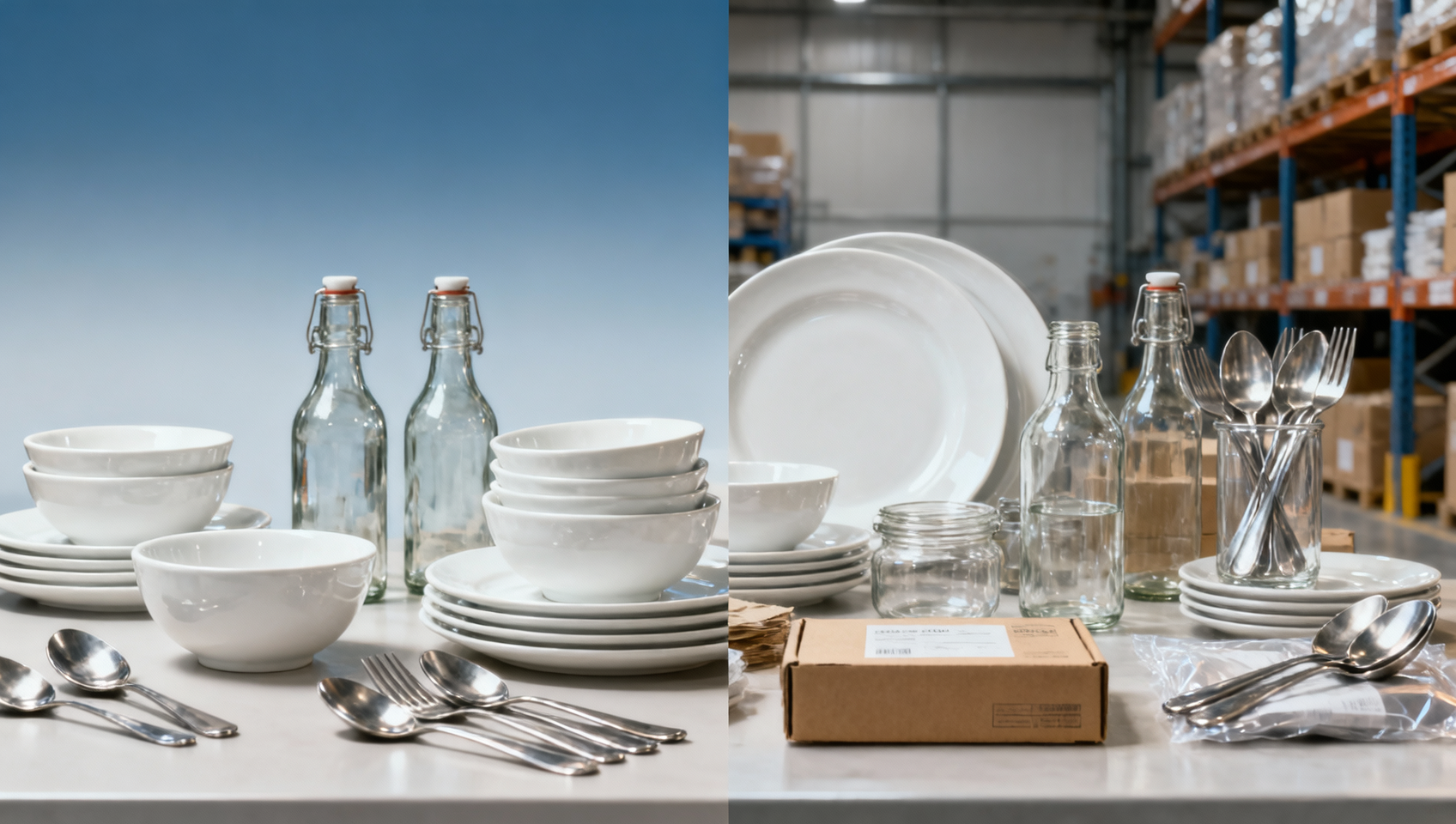
- Mixed procurement with dinnerware set or glass container lines: one delayed item can hold the full shipment.
For enterprise decision-makers, the practical lesson is clear: stainless steel flatware should not be treated as a last-minute accessory purchase. It needs the same lead time visibility that buyers already apply to cooking ranges, refrigeration, and food processing machinery.
How do longer lead times affect restaurants, hotels, and distributors?
Longer stainless steel flatware lead times change more than delivery dates. They affect operating continuity, budget control, and service consistency. A hotel group preparing 200–500 guest rooms or a restaurant chain launching 5–20 new locations often orders flatware in connection with kitchen utensils, buffetware, and front-of-house tabletop products. If flatware is late, interim purchases from local markets may raise costs and create an inconsistent dining presentation.
For operators, the first impact is replacement pressure. Commercial use creates frequent loss, bending, polishing wear, and occasional theft. Many foodservice businesses plan replenishment every quarter or every 6 months. When standard replenishment lead times move from 4–6 weeks to 8–10 weeks, teams must either increase safety stock or accept a risk of stockouts during peak service periods.
For distributors, delayed flatware can also distort inventory strategy. Buyers may be forced to hold broader SKUs across forks, spoons, steak knives, dessert pieces, and serving utensils. That ties up working capital and warehouse space. In contrast, if a supplier offers better shipment planning, staggered release schedules, or split-shipment support, the distributor can reduce inventory pressure while maintaining customer service levels.
There is also a substitution effect. When stainless steel cutlery becomes hard to source, some buyers temporarily compare adjacent tabletop categories such as ceramic dinner set products, full dinnerware set programs, or glass container solutions for complementary purchasing. These are not one-to-one replacements for flatware, but they influence how buyers structure total tabletop procurement and which suppliers gain the larger account.
Operational impact by buyer type
The table below helps compare how delayed stainless steel flatware affects different roles in the kitchen equipment and hospitality supply chain. This is useful for cross-functional teams where operations, procurement, and finance may view the problem differently.
The most important takeaway is that lead time is not only a logistics metric. In hospitality and foodservice, it becomes a service-level metric. That is why sourcing teams increasingly evaluate suppliers not only on unit price, but also on forecast visibility, packaging flexibility, and shipment coordination across multiple kitchen equipment categories.
What should buyers compare when choosing stainless steel flatware or alternatives?
When lead times stretch, buyers often ask whether they should wait, split orders, or substitute. The right answer depends on use case. Stainless steel flatware remains the main choice for restaurants, hotels, canteens, and foodservice chains because of durability, wash-cycle tolerance, and broad style availability. However, procurement teams often compare the broader tabletop budget, including ceramic dinner set items, dinnerware set assortments, and glass container products for serving, storage, or front-of-house presentation.
These categories solve different problems. Stainless steel cutlery supports direct eating and repeated handling. Ceramic dinner set products influence plating and brand presentation. Glass container solutions may support ingredient storage, buffet display, or takeaway packaging in certain operations. Comparing them in one sourcing view helps buyers decide where to lock in long lead time items and where to stay flexible.
A practical method is to divide procurement into 3 layers: mission-critical service items, visual presentation items, and flexible accessory items. Flatware usually sits in the first layer. That means even if alternative tabletop products are available faster, the buyer should still prioritize a stable stainless steel flatware pipeline, especially for high-turnover dining environments with daily washing cycles.
Buyers should also compare total service life rather than purchase price alone. A lower-priced item with shorter durability, inconsistent polish, or poor edge finishing can increase replacement frequency. Over 12–24 months, that may cost more than buying a stable commercial-grade pattern from the start.
Comparison table for procurement planning
The following table compares stainless steel flatware with related tabletop categories that buyers often review during supply disruptions. It is designed for procurement planning rather than direct product substitution.
This comparison shows why stainless steel flatware remains a priority category despite longer lead times. Alternatives support the tabletop ecosystem, but they do not remove the need for reliable cutlery sourcing. The better strategy is usually not full substitution, but portfolio balancing and smarter order scheduling.
Three questions procurement teams should ask
- Which SKUs are operationally critical within the next 30, 60, and 90 days?
- Can standard patterns replace custom packaging or mixed sets to shorten delivery by 1–3 weeks?
- Which supporting tabletop items can be sourced separately so the flatware order is not delayed?
These questions help both users and enterprise managers avoid a common mistake: treating all tabletop items as equally urgent. In real operations, the priority sequence usually begins with cutlery, then core dinnerware, then accessory display and storage items.
How can procurement teams reduce lead time risk?
Reducing stainless steel flatware lead time risk is less about chasing the fastest quoted supplier and more about building a more controllable purchasing process. In the kitchen equipment industry, resilient sourcing comes from planning, specification discipline, and communication timing. The best results usually come when the buyer begins vendor confirmation 8–12 weeks before the required in-house date, rather than waiting until production deadlines become urgent.
The first step is SKU rationalization. Many hospitality buyers carry too many similar spoon, fork, and knife patterns with minor differences in finish or handle shape. Cutting the assortment from 12 patterns to 4–6 core patterns can significantly improve reorder flexibility. It also makes stock pooling easier across outlets, especially for chains and regional distributors.
The second step is separating urgent orders from custom orders. If opening stock is needed in 4–6 weeks, it may be smarter to place a standard flatware order now and schedule customized packaging or logo application in a later batch. This phased approach supports service continuity while protecting brand presentation over the medium term.
The third step is using milestone control. Procurement teams should request at least 4 checkpoints: specification confirmation, production start, packing completion, and shipment release. These checkpoints create visibility across the order cycle and reduce the chance of discovering a delay only when the cargo was expected to depart.
Practical sourcing checklist
The following checklist is useful for buyers managing commercial kitchen equipment and tabletop programs together. It helps convert lead time risk into specific control actions.
- Confirm usage volume by site and by month, not only by annual estimate, so replenishment windows are realistic.
- Lock material grade, finish, thickness, and packaging before sampling to avoid repeated approvals.
- Ask whether the shipment is direct, consolidated, or mixed with dinnerware set or glass container cargo.
- Set a safety stock target, often 6–10 weeks for high-turnover foodservice operations.
- Evaluate whether split shipment or partial delivery is possible for opening stock.
- Review import documents and packing marks early to reduce customs and warehouse receiving delays.
This process is especially valuable in global sourcing, where kitchen equipment buyers often combine utensils, appliances, food processing accessories, and front-of-house products. The more categories are bundled, the more important schedule discipline becomes.
Procurement evaluation table
If your team needs a simple decision tool, use the matrix below to compare suppliers or order options for stainless steel flatware. It focuses on lead time control rather than price alone.
A structured evaluation like this supports better internal alignment. Operations teams care about readiness, procurement cares about execution, and finance cares about cost risk. A single matrix helps those priorities stay connected.
What standards, quality points, and common mistakes matter most?
During shipping disruption, buyers sometimes relax quality review in order to secure stock faster. That is risky. Stainless steel flatware is a direct food-contact product, so material consistency, surface finish, and workmanship still matter. In commercial applications, buyers commonly review food-contact suitability, finish quality, burr-free edges, polish consistency, corrosion resistance expectations, and carton labeling accuracy. Even when exact certification needs vary by market, these baseline checks should not be skipped.
For operators and users, handling comfort matters as much as material specification. A fork or spoon that is too light may feel low grade in hospitality settings, while one that is too heavy may not fit casual dining or institutional service. Many procurement teams therefore test 2–3 thickness ranges or weight levels before approving a large order. Small sample comparison often prevents large-scale dissatisfaction later.
Another common mistake is ignoring packaging design. Bulk export cartons may be fine for distributors, but hotels, project buyers, and retail channels may need inner packs, barcode labeling, or itemized assortment boxes. If this requirement appears after production starts, lead times can lengthen quickly. In some cases, packaging changes create more delay than the flatware itself.
Decision-makers should also watch supplier communication style. A realistic lead time estimate with clear milestones is more valuable than an aggressive promise with low visibility. In today’s kitchen equipment market, transparency is part of product quality because delayed logistics can erase the value of a low quoted price.
FAQ for buyers and operators
How long does stainless steel flatware procurement usually take now?
For standard items, buyers often plan around 4–8 weeks for production and shipment preparation, plus transit time that varies by route. When shipping disruption is active, total order cycles can move into the 6–10 week range before local delivery. Custom branding, mixed containers, or project packaging may extend this further.
Is it better to switch to a different tabletop category during delays?
Usually no for core service needs. Ceramic dinner set, dinnerware set, and glass container products may be sourced separately to maintain broader project progress, but they do not replace the operational role of stainless steel cutlery. A better approach is often split ordering, standard pattern selection, or emergency replenishment of core SKUs.
What are the top checks before placing an order?
Focus on 5 points: material and finish, piece weight or thickness, packing method, replenishment capability, and actual shipment plan. If any of these remain unclear, the chance of lead time extension rises. Procurement teams should get all five confirmed in writing before release.
How much safety stock should restaurants or hotels keep?
There is no universal number, but many commercial users target 6–10 weeks of buffer for high-turnover flatware lines. Banquet-heavy venues or properties with seasonal peaks may hold more. The right level depends on replacement frequency, outlet count, and the reliability of the supplier’s repeat order process.
Why choose us for stainless steel flatware sourcing support?
In the broader kitchen equipment industry, successful sourcing depends on understanding not just a single product, but also how that product fits into restaurant operations, hotel service standards, food processing workflows, and multi-category international procurement. We support buyers who need practical guidance on stainless steel flatware, related tabletop products, and coordinated kitchen equipment sourcing under changing global shipping conditions.
If you are comparing standard cutlery lines, custom projects, ceramic dinner set programs, dinnerware set combinations, or glass container support items, we can help you review the decision factors that matter most: product specifications, lead time windows, packing options, shipment structure, and replenishment planning. This is especially useful for procurement teams balancing tight budgets with strict opening schedules or recurring replacement demand.
You can contact us for concrete support on 6 key topics: parameter confirmation, product selection, lead time assessment, custom solution planning, food-contact or market compliance discussion, and sample or quotation arrangements. If your project involves multiple outlets, mixed product categories, or phased delivery, we can also help organize a sourcing path that reduces delay risk and improves order visibility.
For buyers, operators, and decision-makers who need a clearer plan, the next step is simple: send your target quantity, required delivery window, preferred finish, packaging request, and destination market. With that information, we can help you evaluate whether a standard stainless steel flatware program, a phased shipment, or a broader kitchen equipment package is the better route for your timeline and budget.
Popular Tags
Kitchen Industry Research Team
Dedicated to analyzing emerging trends and technological shifts in the global hospitality and foodservice infrastructure sector.
Industry Insights
Join 15,000+ industry professionals. Get the latest market trends and tech news delivered weekly.
No spam. Unsubscribe anytime.


Contact With us
Contact:
Anne Yin (Ceramics Dinnerware/Glassware)
Lucky Zhai(Flatware)