
Refrigerated Worktable Problems That Raise Maintenance Bills
A Refrigerated Worktable is essential in busy commercial kitchens, yet hidden faults can quickly drive maintenance bills higher and disrupt daily operations. From temperature instability near a Heated Display to wear caused by heavy-use equipment like a Charbroiler or Wok Range, understanding these issues helps operators, buyers, and decision-makers reduce costs, improve kitchen automation, and support smarter kitchen innovation.
Why Do Refrigerated Worktable Problems Become So Expensive?
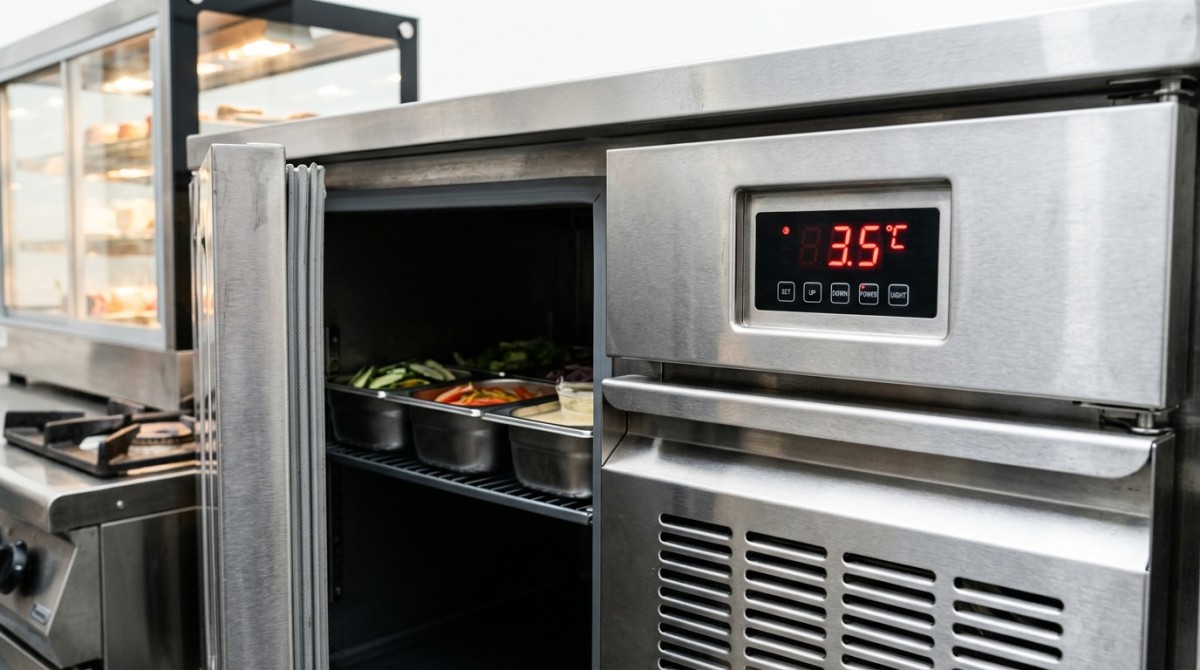
For most kitchens, the biggest issue is not one dramatic breakdown. It is a series of small, ignored problems that slowly increase service calls, energy use, food safety risk, and equipment downtime. When a refrigerated worktable starts running inefficiently, the cost shows up in multiple places at once: higher utility bills, spoiled ingredients, emergency repairs, slower prep workflow, and shorter equipment life.
This is why maintenance bills often rise faster than expected. A unit may still appear to be “working,” but hidden faults such as dirty condensers, poor door sealing, unstable temperatures, or overworked compressors are already creating avoidable costs. For operators, that means daily inconvenience. For procurement teams, it means poor lifecycle value. For business decision-makers, it means lower ROI and greater operational risk.
Which Common Problems Usually Drive Up Maintenance Bills?
The most expensive refrigerated worktable issues are usually predictable. Knowing them early helps kitchens prevent repeat repairs.
1. Temperature instability
If the cabinet cannot hold a consistent safe temperature, the unit may be cycling too often, losing cold air, or struggling because of poor ventilation. This puts stress on the compressor and may also lead to food safety concerns.
2. Dirty condenser coils
Grease, flour, and dust build up quickly in commercial kitchens. When condenser coils are clogged, the refrigeration system has to work harder to reject heat. That increases power consumption and shortens component life.
3. Worn door gaskets
A damaged or loose door gasket allows cold air to escape and warm air to enter. This forces longer run times, causes frost buildup, and raises both maintenance and energy costs.
4. Blocked airflow inside the cabinet
Overloading pans, ingredients, or containers can block internal air circulation. Even if the unit is technically on, poor airflow can create hot spots and inconsistent cooling.
5. Drain line and moisture issues
Clogged drain lines, standing water, or excessive condensation often look minor at first, but they can lead to corrosion, mold, slip hazards, and service interruptions.
6. Compressor overwork
Frequent door opening, high ambient kitchen temperatures, and nearby hot equipment can force the compressor to run longer than designed. Over time, this becomes one of the most costly failures to repair.
7. Faulty thermostats or sensors
If controls are inaccurate, the unit may overcool, undercool, or cycle erratically. This not only affects food preservation but also makes troubleshooting more difficult and expensive.
How Does the Kitchen Environment Make the Problem Worse?
A refrigerated worktable does not operate in isolation. In a real commercial kitchen, surrounding heat, grease, steam, and workflow pressure often accelerate wear. When placed too close to a Heated Display, Charbroiler, Wok Range, fryer, or other high-heat equipment, the worktable must fight against elevated ambient temperatures all day.
This has several consequences:
- The compressor runs longer and more often.
- Condenser coils collect grease faster.
- Internal temperatures recover more slowly after door openings.
- Parts wear out sooner under constant thermal stress.
Poor layout planning is therefore a hidden maintenance cost. If a buyer chooses a unit without considering kitchen line arrangement, ventilation clearance, or nearby heat sources, repair bills can remain high no matter how often the unit is serviced.
What Warning Signs Should Operators and Managers Notice Early?
The most useful cost-control step is to catch problems before they become failures. Operators and supervisors should pay close attention to these early warning signs:
- The cabinet feels warmer than normal during peak service.
- The compressor seems to run constantly.
- Frost or condensation appears around doors or inside storage areas.
- The door does not close tightly or rebounds when shut.
- Water collects under or inside the unit.
- Ingredients at different spots in the cabinet feel unevenly chilled.
- Energy bills rise without another clear cause.
- Technicians are called repeatedly for “small” issues.
For management teams, repeated minor service visits are often a stronger warning sign than one major breakdown. They usually indicate a systemic issue: wrong placement, poor cleaning practices, overloaded usage, or aging equipment reaching the point of poor economic return.
How Can Buyers and Decision-Makers Reduce Long-Term Service Costs?
For procurement staff and business leaders, the key question is not simply “What is the purchase price?” but “What will this refrigerated worktable cost over its full service life?” A lower-priced model may become expensive if it is hard to clean, lacks durable components, or cannot handle the actual kitchen environment.
When evaluating options, focus on these factors:
- Compressor efficiency: Better efficiency can reduce both wear and energy costs.
- Easy-access condenser design: Simplifies preventive cleaning and lowers labor burden.
- Door gasket quality: Durable seals reduce temperature loss and service frequency.
- Control accuracy: Reliable digital controls improve temperature consistency.
- Build quality: Stainless steel construction and strong hardware support heavy commercial use.
- Serviceability: Units designed for quick maintenance reduce technician time and downtime.
- Fit for kitchen layout: Proper sizing and ventilation clearance are essential.
In many cases, choosing an energy-efficient, service-friendly model with stronger heat resistance delivers better ROI than selecting the cheapest unit available.
What Preventive Maintenance Practices Actually Work?
Maintenance cost control is most effective when daily users and facility managers share responsibility. A practical preventive routine often has more impact than waiting for service calls.
Recommended best practices include:
- Clean condenser coils on a regular schedule based on grease exposure.
- Inspect door gaskets for cracks, looseness, and poor sealing.
- Avoid overloading shelves and blocking internal airflow.
- Keep the unit away from major heat-producing equipment where possible.
- Check cabinet temperature readings against actual product temperatures.
- Clear drain lines and monitor condensation.
- Train staff to minimize unnecessary door opening during busy hours.
- Document repair frequency to identify recurring faults early.
For kitchens adopting smarter kitchen innovation, adding digital monitoring or connected temperature alerts can also reduce maintenance surprises. These tools help teams spot temperature drift, performance decline, and abnormal run patterns before they trigger major repairs.
When Is Repair No Longer the Best Financial Choice?
Not every refrigerated worktable should be repaired indefinitely. If a unit has frequent compressor issues, poor temperature recovery, repeated refrigerant-related service calls, or rising operating costs, replacement may be the more economical decision.
A replacement decision usually makes sense when:
- Repair frequency has increased significantly over the past 12 to 24 months.
- Downtime affects prep efficiency or food safety compliance.
- The unit struggles in the current kitchen environment even after service.
- Energy consumption is noticeably high compared with newer models.
- Parts availability is limited or service times are too long.
For enterprise buyers and management teams, this is where lifecycle thinking matters. The right decision is not the one that postpones spending for a few months, but the one that reduces total operating cost, protects productivity, and supports stable kitchen performance.
Conclusion
Refrigerated worktable problems that raise maintenance bills are rarely random. They usually come from a mix of temperature instability, poor cleaning, damaged seals, blocked airflow, harsh kitchen placement, and delayed response to small warning signs. For operators, the priority is early detection and routine care. For buyers and decision-makers, the priority is selecting equipment that matches real kitchen conditions and offers strong long-term value.
In a modern commercial kitchen, controlling maintenance costs means looking beyond the repair invoice. It requires better equipment planning, smarter maintenance habits, and a clearer understanding of how surrounding kitchen conditions affect refrigeration performance. When these factors are managed well, a refrigerated worktable becomes not just a storage asset, but a more reliable and cost-efficient part of the entire kitchen system.
Popular Tags
Kitchen Industry Research Team
Dedicated to analyzing emerging trends and technological shifts in the global hospitality and foodservice infrastructure sector.
Industry Insights
Join 15,000+ industry professionals. Get the latest market trends and tech news delivered weekly.
No spam. Unsubscribe anytime.



Contact With us
Contact:
Anne Yin (Ceramics Dinnerware/Glassware)
Lucky Zhai(Flatware)