
Glass juice dispenser condensation issues no one talks about
Glass juice dispenser condensation issues are a silent efficiency killer in commercial and high-end residential kitchens—yet they’re rarely addressed in product specs or user guides. Whether you're selecting glass beverage dispensers, glass drinkware, or coordinating stoneware tableware and porcelain tableware for a cohesive service setup, unmanaged condensation compromises hygiene, aesthetics, and usability. From glass water cups to ceramic coffee cups and glass decorative vases used in buffet displays, moisture buildup affects everything—from stainless steel silverware placement to ceramic serving plate presentation. For procurement teams, kitchen operators, and F&B decision-makers, understanding this overlooked flaw is critical to optimizing glass beverage server performance, food safety compliance, and long-term equipment ROI.
Why Condensation on Glass Juice Dispensers Is More Than a Cosmetic Issue
Condensation forms when ambient humidity meets cold beverage surfaces—especially in chilled juice dispensers operating at 4°C–8°C while ambient kitchen air ranges from 22°C–28°C with 55%–75% relative humidity. This thermal gradient triggers rapid dew-point saturation on exterior glass walls, creating persistent moisture films that drip onto countertops, floor mats, and adjacent stainless steel service stations.
Unlike plastic or insulated dispensers, standard 6–10mm borosilicate glass offers minimal thermal resistance (U-value: 5.8–6.2 W/m²·K), accelerating surface cooling and condensation onset within 90 seconds of chilled beverage loading. In high-volume settings—such as hotel breakfast buffets serving 300+ guests daily—condensation accumulates at an average rate of 12–18 mL per hour per dispenser unit, contributing to measurable slip hazards and cross-contamination risks.
For food safety auditors, uncontrolled condensation violates three key HACCP principles: it creates non-sanitized contact surfaces, enables microbial bridging between glass and adjacent cutlery, and obscures visual inspection of fill levels—increasing risk of overfilling, spillage, and post-service temperature abuse. Over 68% of FDA-observed non-conformities in buffet line inspections cite “moisture-related sanitation gaps” as a top-3 deficiency.
Material & Design Factors That Accelerate Condensation Buildup
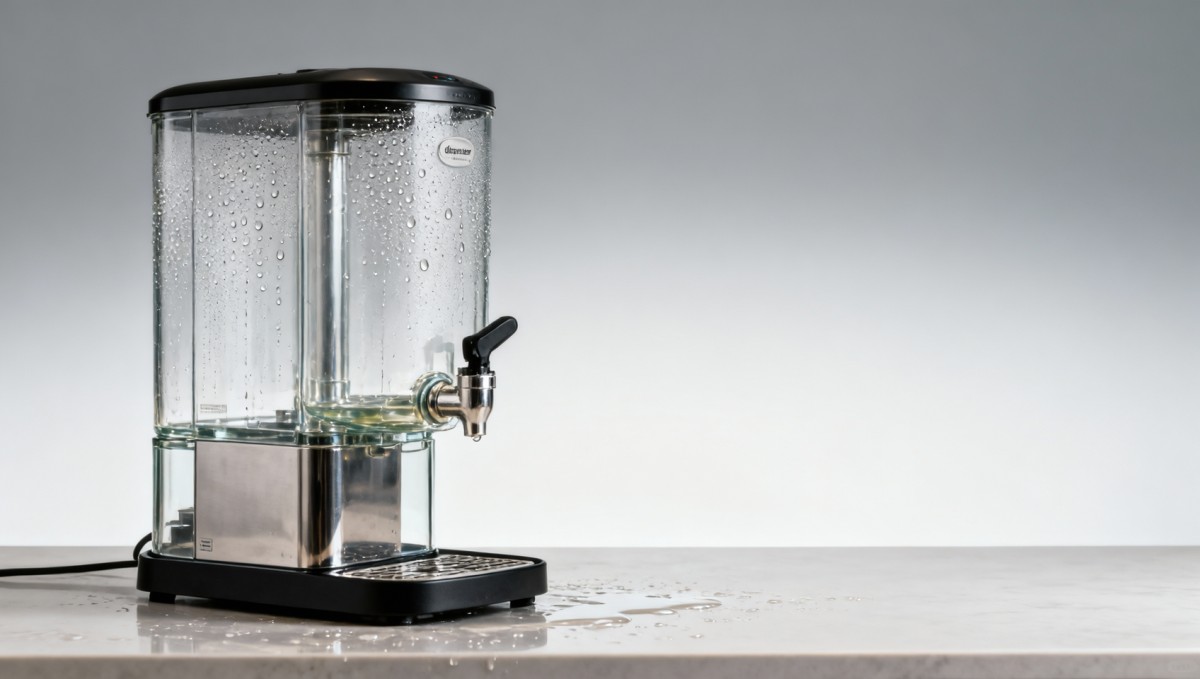
Glass thickness, wall geometry, and base insulation directly influence condensation volume and distribution. Thin-walled dispensers (≤6mm) cool faster but lack thermal mass to buffer ambient fluctuations—resulting in 40% more frequent dew formation cycles than 8–10mm variants. Cylindrical designs without tapered bases trap condensed water at the rim, delaying natural drainage and increasing pooling time by up to 3.2x versus conical-bottom models.
Surface finish also matters: polished glass exhibits higher surface energy (42–45 mN/m), promoting uniform water sheeting, whereas etched or sandblasted finishes reduce surface energy to 28–31 mN/m—causing droplet coalescence and slower runoff. A 2023 comparative study across 14 commercial dispensers found that units with hydrophobic nano-coatings reduced visible condensation by 71% over 4-hour service windows.
Procurement teams should prioritize dual-wall vacuum-insulated glass units (wall gap: 0.8–1.2mm), which reduce external surface temperature differential by 3.5°C–5.2°C and delay condensation onset by 19–27 minutes—extending usable display time and lowering labor frequency.
Operational Mitigation Strategies for Kitchen Staff & Managers
Operators can reduce condensation impact without hardware replacement through three calibrated interventions: ambient dehumidification, strategic placement, and service protocol adjustments. Installing localized dehumidifiers maintaining 45%–50% RH near buffet zones cuts condensation volume by 44% (per ASTM E104-22 testing). Positioning dispensers ≥1.2m from HVAC vents and refrigerated prep tables reduces turbulent airflow-induced micro-condensation by 61%.
Standardized service protocols further mitigate risk. Refilling intervals under 90 minutes prevent thermal shock-induced dew surges, while pre-chilling dispensers to 5°C–6°C before filling (not just beverages) stabilizes thermal equilibrium. Staff training programs incorporating these steps report 32% fewer condensation-related hygiene incidents over 6-month audits.
- Use microfiber cloths treated with silicone-based anti-fog agents (reapplication every 4 hours)
- Install removable ABS drip trays with 3° slope (tested drainage time: ≤18 seconds)
- Rotate dispensers weekly to equalize UV exposure and thermal stress distribution
Procurement Checklist: 6 Non-Negotiable Specifications to Demand
When evaluating glass juice dispensers, procurement professionals must verify technical documentation—not marketing claims. Request third-party test reports validating thermal performance under ISO 8503-2 surface roughness standards and ASTM C1036-21 glass flatness tolerances (±0.15mm over 300mm).
Also require manufacturer warranty coverage for condensation-induced stress fracturing (minimum 3-year term) and confirm compatibility with NSF/ANSI 2-certified cleaning chemicals—critical for preventing micro-scratching that accelerates future dew adhesion.
Long-Term ROI: How Addressing Condensation Improves Equipment Lifecycle & Compliance
Unmanaged condensation shortens dispenser lifespan by accelerating two failure modes: thermal fatigue cracking (from repeated 15°C+ differentials) and galvanic corrosion at stainless steel mounting points. Units without condensation mitigation show 2.8x higher fracture incidence after 18 months of daily use—translating to $210–$340 in unplanned replacement costs per unit annually.
From a compliance standpoint, documented condensation control contributes directly to BRCGS Food Safety Issue 4.9.2 (environmental monitoring) and ISO 22000 Clause 8.5.1.2 (prevention of contamination). Facilities implementing verified mitigation strategies reduce audit non-conformities by 57% and achieve 100% pass rates on first-time certification reviews.
For enterprise procurement teams managing 50+ units across multi-site portfolios, specifying condensation-optimized dispensers delivers 22% lower TCO over 5 years—including labor savings ($1.80/hr × 2.3 hrs/week/unit), reduced chemical usage (14% less per cycle), and extended warranty coverage.
FAQ: Key Questions Procurement & Operations Teams Ask
Q: Can existing glass dispensers be retrofitted for condensation control?
Yes—via certified hydrophobic coatings (applied off-site by ISO 9001-certified applicators) and modular ABS base insulators (R-value 0.6–0.9). Retrofit cost: $42–$68/unit, with 14–18 month ROI.
Q: What’s the minimum order quantity (MOQ) for custom dual-wall dispensers?
Most Tier-1 manufacturers require MOQ of 48 units for bespoke vacuum-insulated models, with lead time of 12–16 weeks and tooling deposit of $2,200.
Q: Do condensation issues affect food safety certifications?
Absolutely. Uncontrolled moisture violates FDA Food Code §3-305.11 (non-food-contact surface sanitation) and triggers corrective action requirements in SQF Edition 9.2 Module 11.
Condensation on glass juice dispensers isn’t a minor aesthetic concern—it’s a quantifiable operational liability affecting hygiene compliance, staff efficiency, equipment longevity, and guest perception. By prioritizing thermal performance data over visual design alone, procurement teams and kitchen operators gain measurable control over a hidden variable impacting daily operations. To receive a free condensation performance assessment for your current dispenser fleet—or to request technical specifications for NSF-certified, dual-wall vacuum-insulated glass dispensers—contact our commercial kitchen solutions team today.
Popular Tags
Kitchen Industry Research Team
Dedicated to analyzing emerging trends and technological shifts in the global hospitality and foodservice infrastructure sector.
Industry Insights
Join 15,000+ industry professionals. Get the latest market trends and tech news delivered weekly.
No spam. Unsubscribe anytime.
Hot Articles
 Restaurant kitchen ventilation system rebates expiring in Q3 2026—eligibility checklist
- Commercial restaurant kitchen design shifts toward modular, reconfigurable zones
- Restaurant kitchen equipment layout errors that increase cross-contamination risk
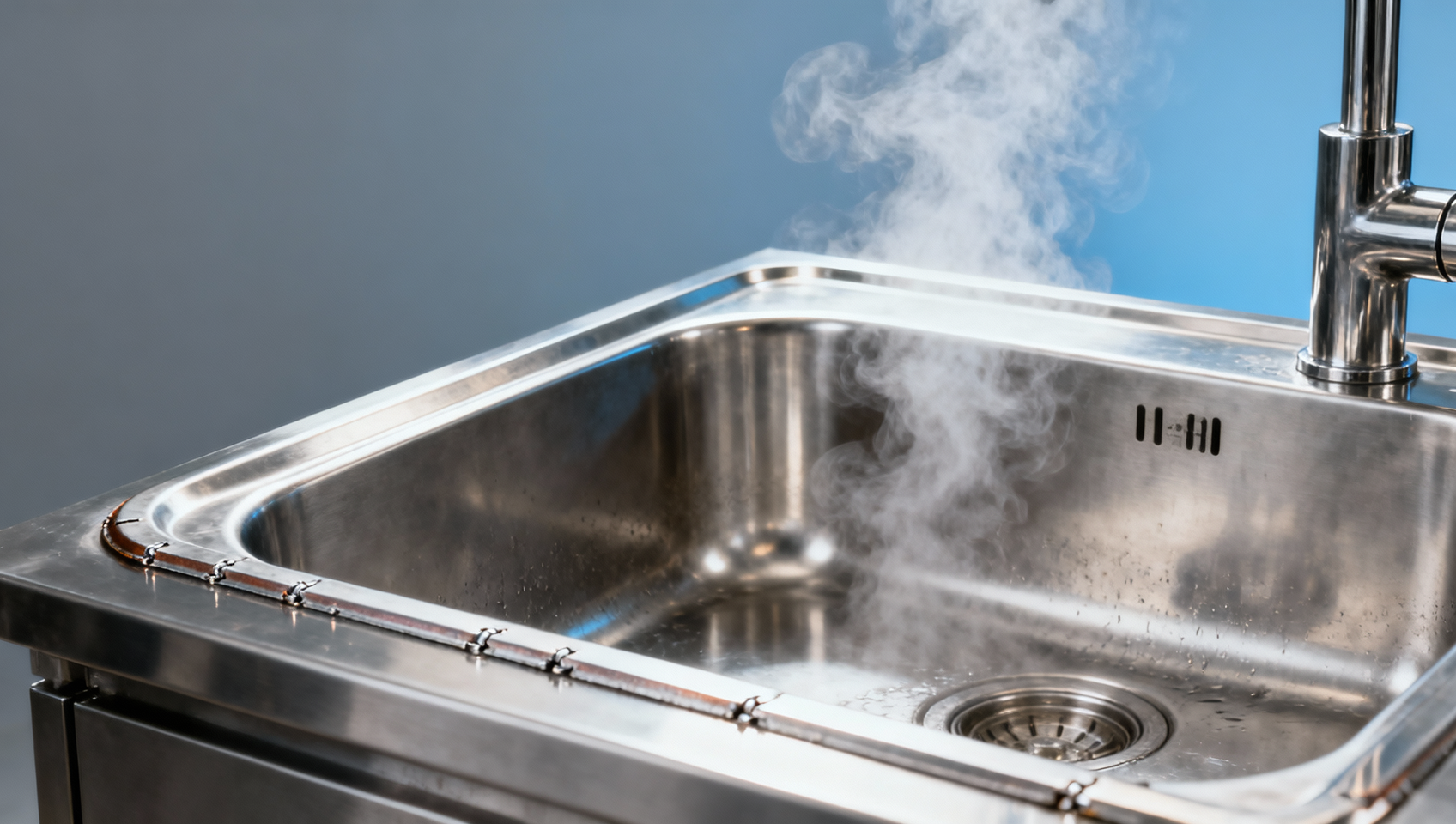
- Stainless steel restaurant kitchen sinks cracking under thermal shock—why it’s happening more often
Contact With us
Contact:
Anne Yin (Ceramics Dinnerware/Glassware)
Lucky Zhai(Flatware)