
Glass storage container wholesale margins are getting tighter
As glass storage container wholesale margins continue to tighten, distributors, wholesalers, and agents are under growing pressure to protect profits while meeting market demand. Rising sourcing costs, stronger competition, and shifting buyer expectations are reshaping the kitchen equipment trade. Understanding where margins are shrinking—and how to respond with smarter pricing, sourcing, and product positioning—is now essential for staying competitive in this fast-evolving industry.
For most channel partners, the key question is no longer whether margin pressure is real. It is where profit is leaking, which product lines still offer workable returns, and how to build a more resilient glass storage container wholesale strategy without losing volume. The market still has opportunity, but it increasingly rewards operators with sharper cost control, clearer customer segmentation, and stronger supplier discipline.
Why glass storage container wholesale margins are getting tighter

The first reason is simple: input costs have become harder to absorb. Glass production is energy-intensive, and fluctuations in fuel, electricity, packaging, and freight directly affect factory pricing. Even when manufacturers do not raise ex-factory prices dramatically, secondary costs such as breakage protection, palletization, and international shipping often reduce the distributor’s real margin.
Second, competition has intensified at nearly every level of the channel. Importers, local wholesalers, private-label sellers, e-commerce traders, and even retailers are all competing on similar SKUs. In many markets, basic borosilicate and soda-lime glass storage containers have become highly comparable products. When buyers see little differentiation, price becomes the fastest comparison point.
Third, customer expectations have changed. Restaurants, retailers, foodservice buyers, and even household product resellers increasingly demand better packaging, lower minimum order quantities, faster replenishment, and more consistent quality. These service upgrades are expensive for distributors to provide, yet many buyers still expect aggressive pricing.
Another key factor is promotional pricing pressure from online channels. Even if your business is mainly B2B, online price visibility affects offline negotiations. Dealers and regional buyers can quickly benchmark container prices across multiple sources. This transparency makes it difficult to preserve older markups, especially on standard items with common dimensions and lid formats.
Finally, margin compression is often caused by internal issues, not only external ones. Many wholesalers underestimate hidden costs such as damaged inventory, slow-moving color variants, customer claim handling, fragmented purchasing, and inefficient warehouse allocation. On paper, gross margin may look acceptable. In practice, net profitability can be far weaker.
What distributors and agents are really searching for
When industry buyers search for terms related to glass storage container wholesale, they are usually not looking for generic product descriptions. Their core search intent is commercial and practical. They want to understand whether this category is still worth pushing, how to evaluate profit risk, and what tactics can improve returns without losing key accounts.
For distributors, the biggest concern is whether tight margins are temporary or structural. If the pressure is temporary, better timing and negotiation may help. If it is structural, they need to rethink assortment, branding, customer mix, and operating model. This distinction matters because it affects procurement strategy and long-term investment decisions.
Agents and regional wholesalers also care about where value can still be created. They want to know which segments—retail-ready sets, commercial food prep containers, premium airtight designs, oven-safe solutions, or bundled kitchen storage systems—still offer room for pricing power. They are not just asking why margins are shrinking; they are asking where margins can still be defended.
Another common concern is how to talk to buyers when costs rise. Many sales teams know their margin is under pressure, but they struggle to justify price adjustments in a convincing way. They need a better framework for communicating quality differences, service value, packaging improvements, and supply reliability.
Where margin erosion usually happens in the supply chain
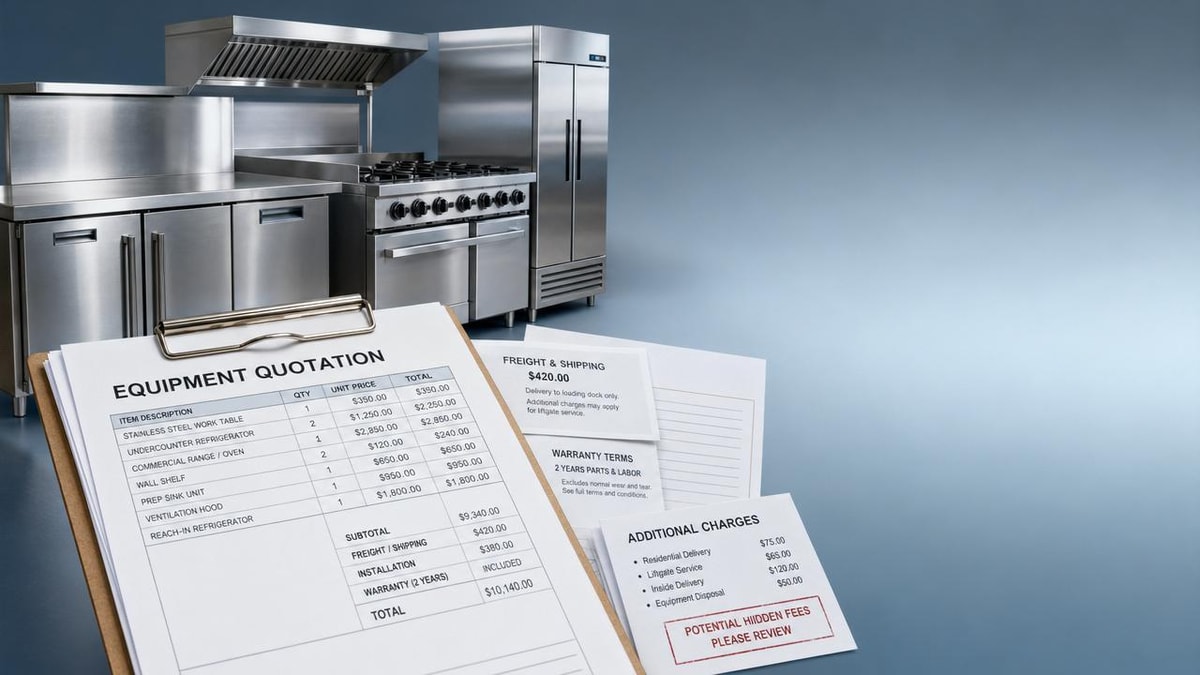
Margin loss rarely comes from one single point. It usually comes from several small pressures that compound. The first is at sourcing. Buyers may focus too heavily on the lowest quoted factory price while overlooking mold fees, lid quality variation, carton strength, labeling requirements, and breakage rates. A lower purchase price can easily become a higher landed cost.
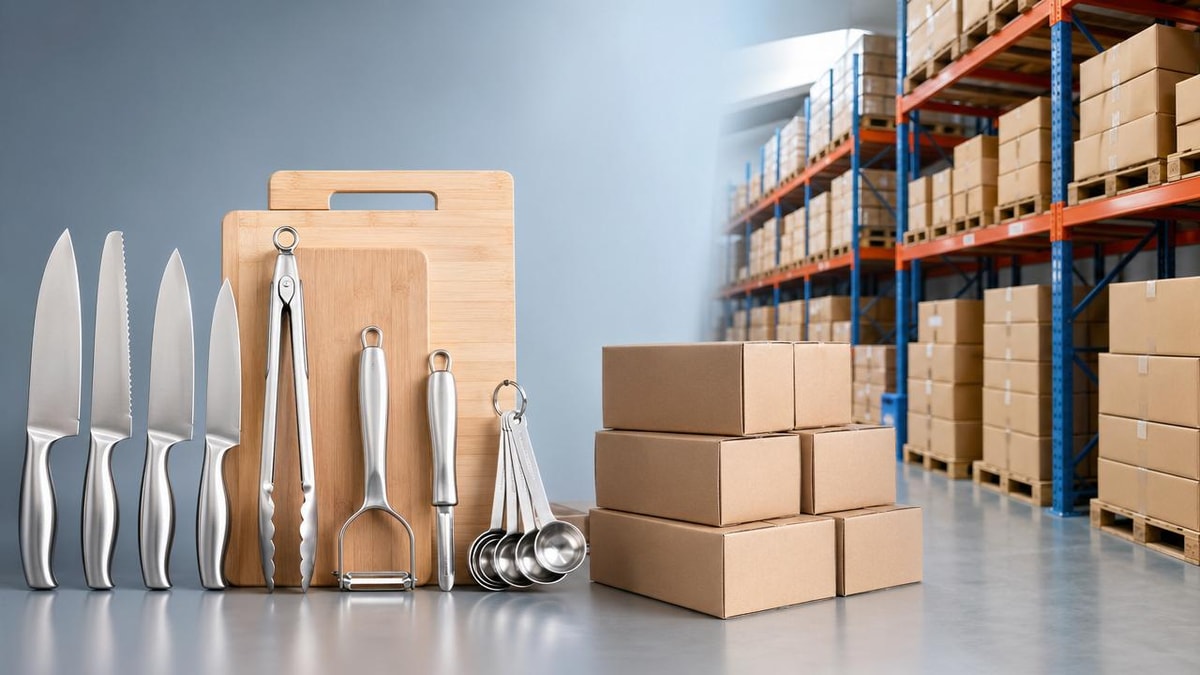
The second weak point is freight and packaging. Glass storage containers are fragile, bulky, and weight-sensitive. That means freight efficiency matters as much as unit cost. Poor carton design, low container utilization, or extra protective packaging can materially affect total margin. In some cases, wholesalers are effectively selling freight-intensive products with commodity-level markups.
The third area is inventory structure. Many distributors carry too many similar sizes, lid colors, or pack formats because they assume broader choice drives more sales. In reality, overextended SKU ranges often reduce purchasing leverage and increase dead stock. Margin suffers when capital is tied up in slow-moving inventory and discounting becomes necessary to clear it.
Claims and after-sales handling are another major drain. Chipped rims, sealing complaints, cosmetic scratches, and transit breakage can consume time and money well beyond the original invoice value. If a distributor does not track claim patterns by supplier, SKU, and packaging configuration, margin erosion remains invisible until profitability is already damaged.
The last and often overlooked factor is sales mix. Some customers generate high turnover but little profit because they demand rebates, split deliveries, custom labels, and long payment terms. Others place smaller but cleaner orders with lower service burden. Without account-level profitability analysis, wholesalers may over-prioritize revenue while under-managing margin quality.
How to protect profit in glass storage container wholesale
The most effective response is not a blanket price increase. It is a more disciplined profit model. Start by separating products into three groups: traffic drivers, margin defenders, and growth bets. Traffic drivers are standard items that may require competitive pricing to win business. Margin defenders are differentiated products where quality, packaging, or design allows better markup. Growth bets are newer or trend-led products that can expand average order value.
Next, tighten landed-cost analysis. Every serious distributor should calculate profit beyond ex-factory pricing. Include freight, duty, warehouse handling, breakage allowance, local delivery, sales commission, and claim cost. Many businesses still evaluate a glass storage container wholesale line mainly on purchase price and selling price, which leads to poor decisions.
Supplier consolidation can also help. Working with too many factories may appear flexible, but it often weakens negotiating power and creates quality inconsistency. If a smaller number of reliable suppliers can cover core sizes and lid systems, you can improve purchasing efficiency, simplify replenishment, and reduce claim management costs.
At the same time, avoid overdependence on a single low-cost source. Margin protection is not only about buying cheaper. It is also about reducing volatility. A stable supplier with predictable quality, lead times, and packaging standards often creates stronger long-term profitability than a cheaper source with frequent hidden costs.
Distributors should also redesign quoting discipline. Instead of quoting only on unit price, quote based on value package: lead time, packaging standard, private label support, quality consistency, mixed-order flexibility, and after-sales response. This shifts part of the conversation away from pure price and helps customers compare on commercial value rather than commodity assumptions.
Which product strategies still create pricing power
Not all glass storage containers are equally exposed to margin pressure. Basic commodity formats face the toughest price competition, especially in standard household sets. But differentiated products can still support healthier returns when they solve a specific buyer need.
For example, airtight and leak-resistant designs often perform better than simple loose-lid models because they offer a clearer value proposition for food freshness and transport. Oven-safe, microwave-safe, freezer-safe, and stackable features also matter, particularly for foodservice buyers and premium retail accounts. The clearer the use case, the easier it is to defend pricing.
Packaging strategy matters as well. Retail-ready giftable sets, color-box formats, and organized assortment packs can create better shelf appeal and justify stronger margins than bulk-packed generic units. For B2B distributors serving supermarkets, home goods chains, or online sellers, packaging can be a major difference-maker in perceived value.
Commercial buyers may value a different type of differentiation: operational efficiency. Nesting design, easy-to-clean surfaces, standardized stack dimensions, and compatibility with professional kitchen workflows can all improve selling arguments. In these cases, the distributor is not only selling a container but also supporting food prep efficiency and storage consistency.
Private label is another route to margin defense. When distributors build their own brand identity around quality control, packaging, and dependable supply, direct price comparison becomes less straightforward. Private label does require tighter supplier management and marketing coordination, but it can reduce commodity exposure over time.
How to manage customer expectations without losing accounts
One of the hardest parts of a tightening market is maintaining relationships while protecting margin. Many buyers understand that costs have risen, but they still need a reason to accept changes. The strongest approach is evidence-based communication. Show what has changed in freight, packaging, compliance, materials, or service level. Avoid vague claims and provide concrete commercial logic.
It also helps to segment customers by buying behavior. High-volume strategic accounts may justify tailored pricing if they offer predictable demand, faster payment, or stronger growth potential. Price-sensitive opportunistic buyers may need a more limited assortment and stricter terms. Not every account should receive the same service model.
Sales teams should be trained to lead with application fit rather than only price. If a customer is buying for restaurant prep stations, central kitchens, or retail shelf display, the product discussion should focus on the most relevant operational benefits. This makes it easier to move the conversation away from simple item comparison.
Minimum order quantity and carton rationalization can also support better profitability. Instead of offering unlimited flexibility, wholesalers can define more efficient order structures that reduce handling cost and protect inventory flow. Buyers often accept these terms when they are presented as part of a stable supply and service framework.
Finally, payment terms deserve closer attention. In a low-margin category, long receivable cycles can seriously damage actual returns. A customer that negotiates aggressively on price and delays payment may be far less valuable than a customer with slightly smaller volume but cleaner cash flow.
What smart wholesalers should track over the next 12 months
If margins are getting tighter, better measurement becomes essential. Start with SKU-level net margin, not just gross margin. Identify which products create real profit after freight, breakage, warehousing, and claims. You may find that some bestselling items are economically weak while overlooked lines perform better.
Track supplier performance in a structured way. Monitor on-time delivery, defect rate, packaging consistency, claim response time, and price stability. This data is critical when renegotiating contracts or deciding where to place future volume. The cheapest supplier is not always the most profitable supplier.
Watch customer profitability by account segment. Include service burden, delivery complexity, payment behavior, and promotional support. This allows you to protect key relationships while reducing exposure to low-return business that consumes too many internal resources.
Market trend tracking is equally important. Smart kitchen organization, sustainable packaging expectations, healthier home cooking habits, and foodservice efficiency upgrades can all reshape demand. Distributors who identify these shifts early can reposition their product mix before competitors flood the same segments.
Most importantly, review whether your glass storage container wholesale business is being run as a volume game or a value game. In today’s market, pure volume without operating discipline is risky. Sustainable growth increasingly depends on better product selection, better customer targeting, and better execution across sourcing and sales.
Conclusion: tighter margins do not mean fewer opportunities
Glass storage container wholesale is becoming more demanding, but it is not becoming irrelevant. The category still offers real opportunity for distributors, wholesalers, and agents who are willing to move beyond commodity thinking. Tight margins are a warning sign, not a dead end.
The businesses most likely to win are those that understand their true landed costs, reduce hidden leakage, segment customers more carefully, and build stronger pricing power through differentiated products and service value. In a market where basic items are easy to compare, profit increasingly comes from making the offer smarter, not simply cheaper.
For channel partners in the kitchen equipment trade, the right response is clear: analyze margin at a deeper level, refine the assortment, strengthen supplier partnerships, and sell with sharper commercial discipline. That is how glass storage container wholesale can remain a viable and profitable business even as the market becomes more competitive.
Popular Tags
Kitchen Industry Research Team
Dedicated to analyzing emerging trends and technological shifts in the global hospitality and foodservice infrastructure sector.
Industry Insights
Join 15,000+ industry professionals. Get the latest market trends and tech news delivered weekly.
No spam. Unsubscribe anytime.
Contact With us
Contact:
Anne Yin (Ceramics Dinnerware/Glassware)
Lucky Zhai(Flatware)