
Why Cheap Ceramic Rice Bowls Chip So Quickly
A cheap ceramic rice bowl may look similar to a premium ceramic breakfast bowl or porcelain cereal bowl, yet it often chips much faster under daily use. For buyers, operators, and decision-makers in modern kitchen innovation and kitchen automation environments, understanding why this happens is essential to choosing safer, longer-lasting tableware that protects both cost efficiency and brand presentation.
Why do cheap ceramic rice bowls chip so quickly in real kitchen use?
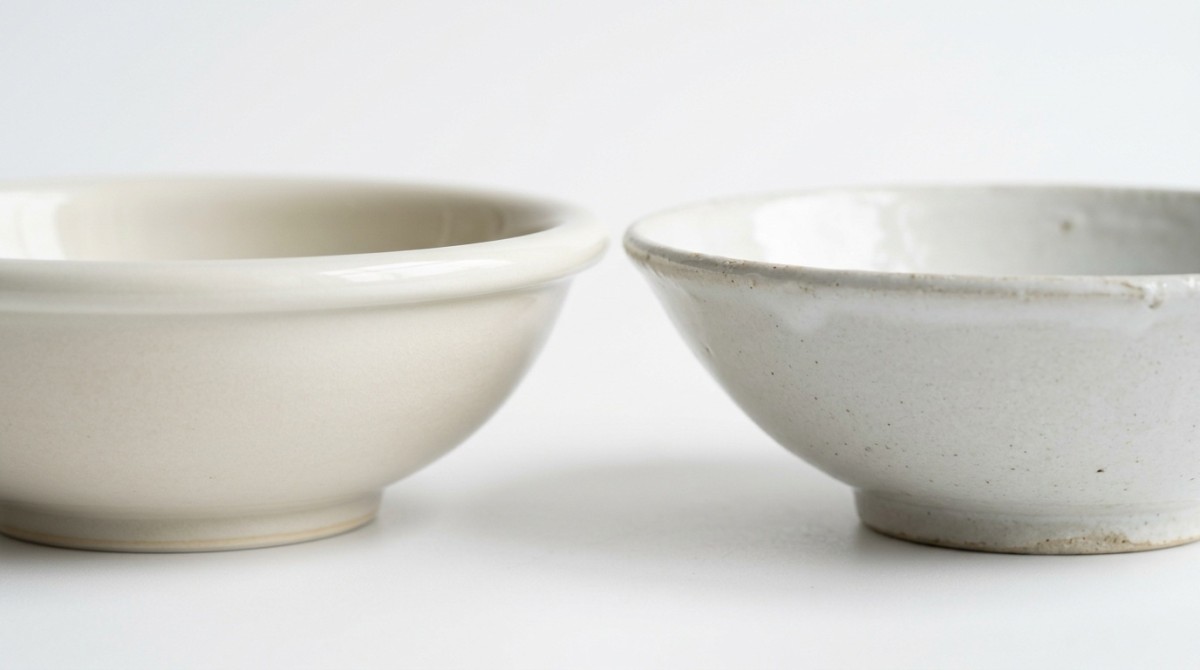
Chipping is rarely caused by one factor alone. In restaurant kitchens, hotel dining service, central kitchens, and even household settings, ceramic bowls face repeated contact, stacking pressure, dishwashing cycles, and sudden temperature changes. A low-cost ceramic rice bowl often fails because its body, glaze, and firing quality are not balanced for this daily workload.
For operators, the problem often appears within the first 2–8 weeks of frequent service. For procurement teams, the issue may stay hidden during sample review because a bowl can look smooth and bright while still having weak edge strength. The rim is usually the first failure point because it receives repeated spoon impact, rack contact, and bowl-to-bowl collision during stacking.
In the kitchen equipment industry, durability is not only a product matter but also an operations matter. When smart kitchens and automated washing lines increase throughput, tableware needs more stable mechanical performance. A bowl used 20–50 times per week in a busy foodservice setting must tolerate a very different stress pattern than one used only a few times per month at home.
This is why ceramic bowl selection should be treated like any other kitchen equipment decision: assess material consistency, process control, usage frequency, replacement cost, and compatibility with real service conditions. A cheaper unit price can become expensive when breakage rates, staff handling time, and presentation losses are added together over 3–6 months.
The most common physical causes behind bowl edge damage
The ceramic body may contain uneven density, micro air pockets, or inconsistent mineral composition. When the bowl is fired at a lower or unstable temperature range, the body does not fully mature. That leaves the edge more vulnerable to impact. In practical terms, the bowl may survive light home use but chip quickly in commercial dining circulation.
Another issue is glaze-body mismatch. If the glaze and ceramic body expand or contract at different rates during heating and cooling, internal stress can remain locked into the bowl after firing. Over time, minor knocks during washing or serving can release that stress through rim chips or surface flaking, especially after repeated hot-to-cold cycles.
Bowl design also matters. A very thin rim may look elegant and reduce material cost, but it offers less impact resistance. In contrast, a well-designed commercial ceramic rice bowl often includes a more rounded edge geometry and a better-distributed wall thickness. Even a difference of a few millimeters at the rim can change breakage performance significantly in high-volume use.
- Low firing consistency can leave the ceramic body under-strengthened.
- Poor glaze fit can create hidden stress and later edge cracking.
- Thin rims and sharp edge profiles chip faster during stacking and spoon impact.
- Inadequate quality sorting allows borderline pieces into bulk shipments.
How material, firing, and glaze quality affect ceramic bowl lifespan
Buyers often compare ceramic rice bowls by appearance and price, but the more important comparison is process quality. Earthenware, stoneware, and porcelain-type products can all serve food safely when properly made, yet they behave differently under impact and thermal cycling. In general, denser and more fully vitrified bodies perform better in repeated commercial use.
Firing control is especially important. In mass production, even a modest variation in kiln temperature or hold time can affect hardness, water absorption, and edge durability. Kitchen operators may not see the problem immediately, but after 30–90 days of stacking, washing, and reheating, the weaker batch starts showing chips at the rim or foot ring.
Glaze quality matters for both appearance and durability. A stable glaze protects the surface, supports hygiene, and reduces staining. But if it is applied too thickly, too thinly, or unevenly, it can create stress concentrations. A bowl that looks glossy on arrival may still perform poorly if glaze application and cooling control were not properly managed.
For procurement teams in restaurants, hotels, and food processing support environments, the better question is not whether a bowl is cheap or expensive. The right question is whether its process window is appropriate for the intended use cycle, from hand service and dishwashing to storage, transport, and replacement planning.
Comparison of common bowl types used in foodservice and household kitchens
The table below helps compare typical tableware options from a procurement and operations perspective. It focuses on chip resistance, use intensity, and purchasing suitability rather than decorative value alone.
This comparison shows why unit price alone can be misleading. If a cheaper bowl must be replaced 2 or 3 times within the same service period as a better-made alternative, the total ownership cost shifts quickly. For enterprise buyers, the more durable option often supports better budgeting, fewer service disruptions, and more consistent dining presentation.
Key technical signs of a more durable bowl
Not every supplier publishes full test data, so practical screening matters. Buyers can inspect rim uniformity, wall thickness consistency, glaze smoothness, and foot ring finishing. A bowl with visible warping, rough glaze pooling, or irregular edge geometry is more likely to chip under repeated use.
Another useful check is handling sound and feel. While this is not a substitute for formal testing, experienced buyers often notice that a denser, properly fired bowl feels more balanced and sounds cleaner when lightly tapped. This should be combined with actual use trials over 7–14 days rather than judged by showroom appearance only.
If the bowl will be used in dishwashers, reheating zones, or buffet service, request confirmation of the intended application range. The same product may perform well in room-temperature cereal service but poorly in hot rice service followed by immediate washing and tight rack stacking.
What should buyers and operators check before purchasing ceramic rice bowls?
In B2B procurement, the biggest mistake is approving ceramic bowls from photos, basic dimensions, and a target price only. For commercial kitchen equipment environments, tableware should be evaluated as part of workflow efficiency. A bowl that chips quickly creates replacement cost, slows sorting, increases waste, and can even affect food safety if damaged pieces enter service.
A practical evaluation should include at least 5 checkpoints: body density consistency, rim design, glaze quality, dishwasher compatibility, and packing protection. If your operation uses automated or semi-automated washing systems, add stack stability and rack fit to the checklist. These details directly affect how many bowls survive the first 60 days of real operation.
Sampling should also reflect actual use intensity. A 2-piece desk review is not enough for a restaurant, hotel, or chain store rollout. A more reliable approach is to test 12–24 bowls across one or two service cycles, including washing, transport, and storage. This helps expose batch consistency issues before a larger order is placed.
Decision-makers should ask suppliers for product positioning clarity. Is the bowl designed for economy household retail, casual foodservice, or high-turnover commercial dining? Many chip-related complaints come from using a light-duty product in a medium- or heavy-duty setting without adjusting expectations or handling procedures.
Procurement checklist for ceramic breakfast bowls and rice bowls
The table below organizes common purchasing criteria into operational terms. It is useful for importers, distributors, purchasing managers, and catering groups comparing multiple ceramic bowl suppliers.
A structured checklist reduces hidden risk. It also creates a common language between purchasing teams, users, and management. Instead of debating only price, the discussion shifts to service life, return rate, presentation quality, and operational fit. That is a stronger basis for supplier comparison and contract negotiation.
A simple 4-step evaluation process
- Define use intensity: household, medium-turnover foodservice, or high-turnover commercial dining.
- Request samples from at least 2–3 production lots if possible, not one showroom set only.
- Run a 7–14 day handling trial including stacking, washing, and serving impacts.
- Review replacement cost, breakage pattern, and packaging performance before bulk approval.
This approach is especially useful for chain stores, hospitality groups, and importers managing recurring procurement. It aligns tableware selection with wider kitchen equipment planning, where durability, process compatibility, and replenishment speed matter just as much as initial purchase cost.
Cost, replacement risk, and better alternatives to ultra-cheap ceramic bowls
The attraction of cheap ceramic rice bowls is obvious: lower upfront spend, faster sourcing, and fewer approval barriers. But in operational terms, low purchase cost can shift hidden expense into breakage, sorting labor, customer-facing defects, and emergency replenishment. For businesses running weekly or daily service, this cost migration is often more important than the original quote.
A useful way to assess value is to compare expected service life over 3–12 months. If a low-cost bowl has to be replaced much earlier, the total cost per use rises. In hotels and restaurants, chipped bowls can also damage brand perception. Even when the food is good, visible edge damage signals poor maintenance and lowers trust in service quality.
Alternative choices depend on operating style. A mid-grade ceramic breakfast bowl may be enough for moderate dining traffic. For heavy-duty use, denser porcelain-type options are often a better match. In some institutional or industrial foodservice settings, other materials may be considered, but they must still meet appearance, hygiene, and application requirements.
The key is to balance 3 factors: durability, presentation, and procurement flexibility. A slightly higher unit cost may be justified if the bowl reduces replacement frequency, fits automated washing lines, and maintains a cleaner look over repeated use cycles.
When a low price makes sense and when it does not
- A low-cost ceramic bowl can make sense for short-term promotions, event use, or very light household turnover.
- It is less suitable for buffet lines, school dining, chain restaurants, and hotel breakfast service with repeated daily washing.
- If your operation depends on visual consistency across 50, 100, or 500 settings, batch stability becomes more valuable than the lowest unit price.
- If delivery windows are tight, higher breakage risk during transport can also offset any price advantage.
This cost logic aligns with broader kitchen equipment procurement trends. As the industry moves toward smarter, more integrated, and more efficient operations, buyers are increasingly evaluating products by lifecycle fit rather than entry-level price alone. Durable tableware supports the same operational goals as reliable appliances and automated kitchen systems: fewer interruptions, lower waste, and more stable service output.
FAQ: practical questions from researchers, users, and procurement teams
The questions below reflect common search intent around ceramic rice bowls, porcelain cereal bowls, and commercial tableware selection. They are especially relevant for distributors, foodservice operators, and decision-makers comparing durability against budget limits.
How can I tell if a ceramic rice bowl is too fragile before bulk purchase?
Start with sample screening, but do not stop there. Check 12–24 pieces for rim consistency, stack fit, glaze uniformity, and carton protection. Then run a 7–14 day use test with normal washing and handling. Early rim marks, small glaze flakes, or unstable stacking are warning signs that the bowl may chip quickly in scaled service.
Are porcelain cereal bowls always better than cheap ceramic bowls?
Not always, but they are often more suitable for higher-frequency use because of denser body structure and more stable firing control. The better choice depends on service intensity, budget, and replacement tolerance. For light home use, an economy ceramic bowl may be acceptable. For commercial breakfast service or repeated dishwashing, a more durable porcelain or mid-grade stoneware option is usually the safer decision.
Does dishwasher use make ceramic bowls chip faster?
Dishwashers do not automatically cause chipping, but repeated wash cycles increase collision risk, especially if bowls are tightly packed or unstable in racks. The real issue is usually a combination of handling impact, thermal change, and weak rim design. In a busy kitchen, bowls may go through many cycles per week, so process quality becomes critical.
What delivery and planning points should procurement teams confirm?
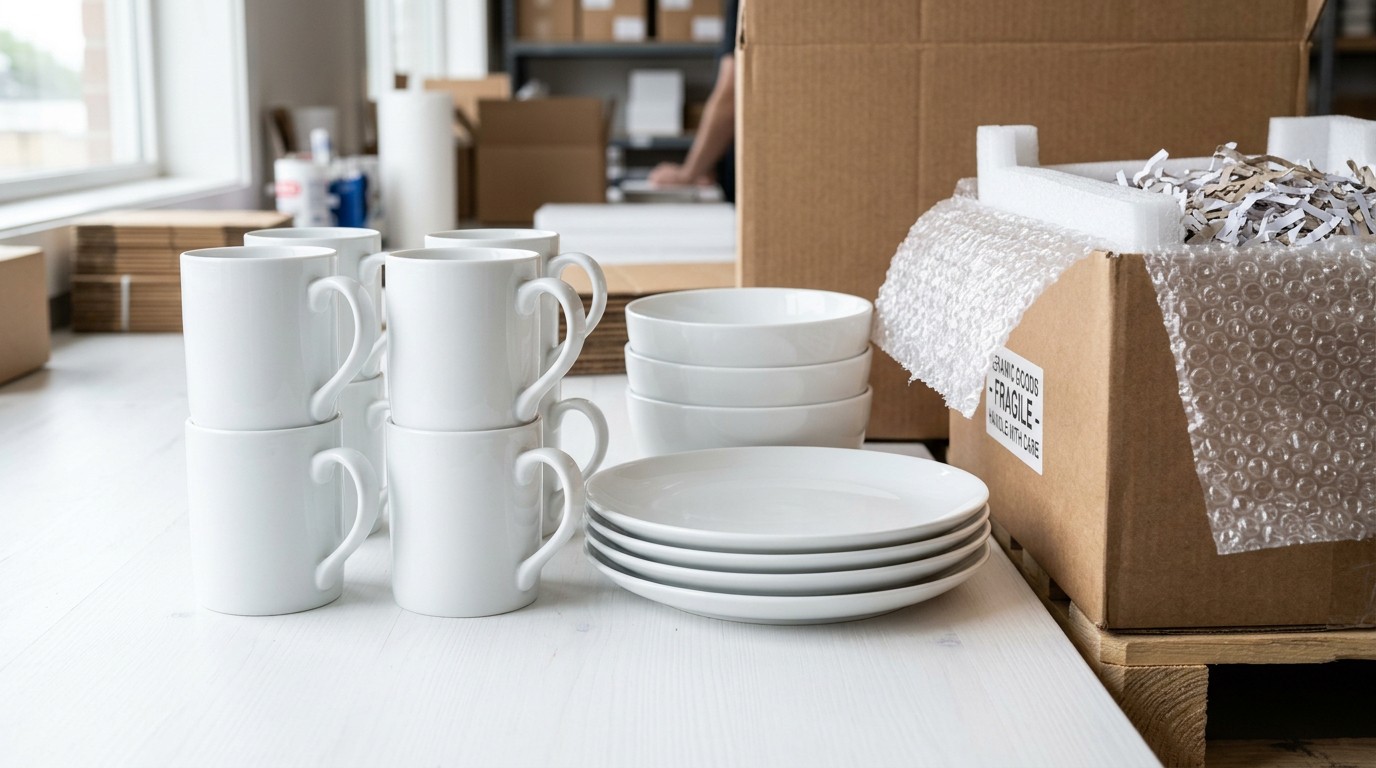
Confirm 4 areas early: sample lead time, production lead time, packing method, and replacement support for damaged goods. For international sourcing, also review carton configuration and pallet handling expectations. If you are launching a chain program or hospitality project, ask whether repeat orders can maintain the same shape, finish, and stacking compatibility across batches.
Why choose us for ceramic bowl sourcing, specification review, and project support?
In the kitchen equipment industry, tableware selection should support the same goals as the rest of the operation: reliability, hygiene, efficiency, and consistent presentation. We help buyers evaluate ceramic rice bowls, ceramic breakfast bowls, and porcelain cereal bowls based on actual usage conditions, not price labels alone. That means clearer selection logic for information researchers, users, purchasers, and business decision-makers.
Our support can focus on practical questions that matter before ordering: which bowl structure fits your service volume, what sample checks should be prioritized, how packing should be reviewed for export movement, and which product level is appropriate for household retail, restaurant use, hotel breakfast service, or central kitchen programs. This shortens decision time and reduces mismatch risk.
If you are comparing suppliers or planning a replacement program, you can contact us for parameter confirmation, product selection advice, sample support, packaging review, lead time discussion, and quotation communication. We can also help organize an evaluation checklist for 7–14 day trials so your team can compare durability, stack behavior, and operational fit before bulk commitment.
For projects involving commercial kitchen equipment, hospitality service, food processing support environments, or multi-location purchasing, contact us with your bowl size, target use frequency, packaging expectations, and required delivery window. That allows us to recommend a more suitable ceramic bowl solution, discuss customization options, and help you avoid the hidden cost of bowls that chip too quickly.
Popular Tags
Kitchen Industry Research Team
Dedicated to analyzing emerging trends and technological shifts in the global hospitality and foodservice infrastructure sector.
Industry Insights
Join 15,000+ industry professionals. Get the latest market trends and tech news delivered weekly.
No spam. Unsubscribe anytime.

Contact With us
Contact:
Anne Yin (Ceramics Dinnerware/Glassware)
Lucky Zhai(Flatware)