
What Design Updates Are Changing the Glass Mojito Cup?
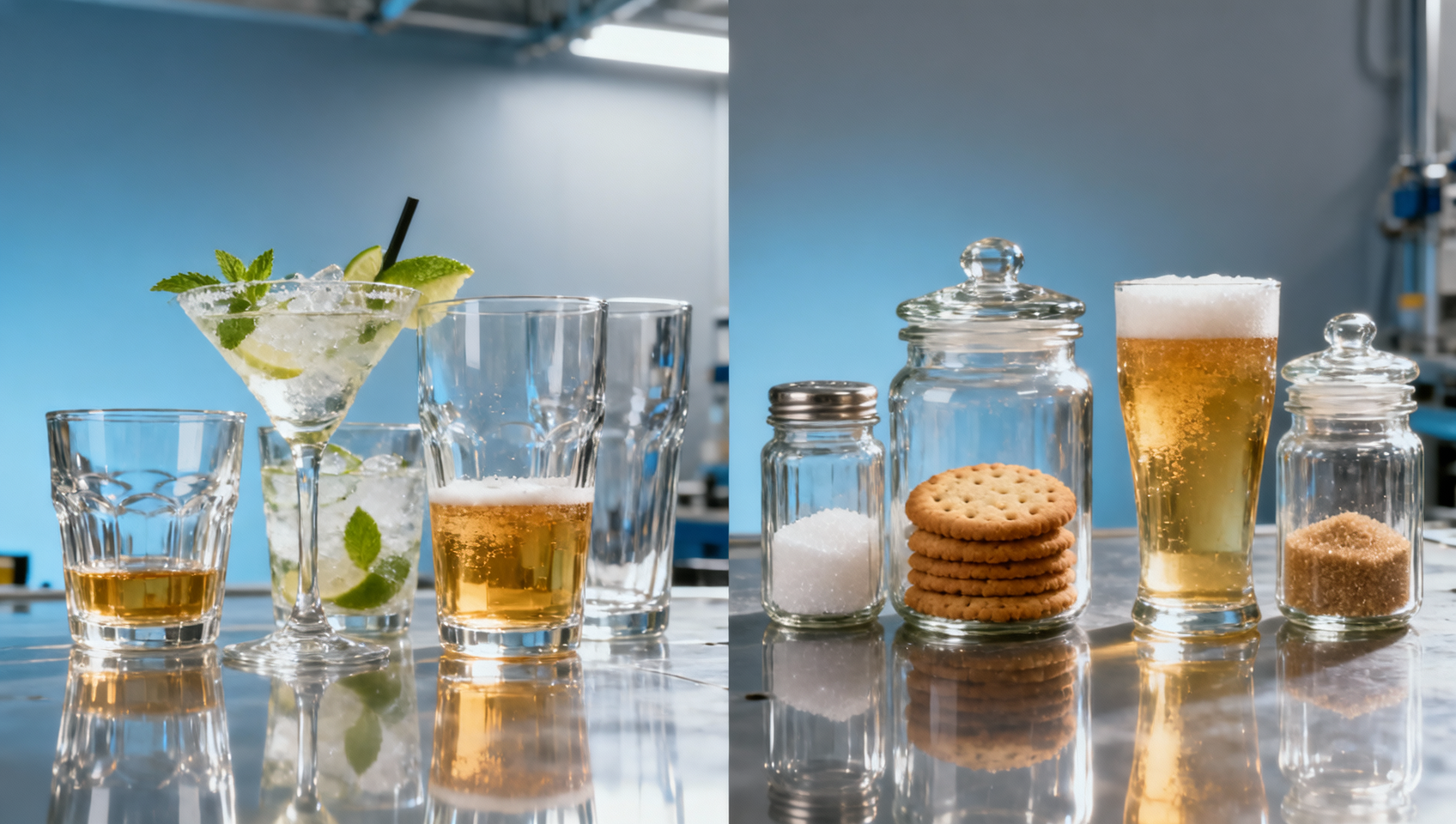
From sleek silhouettes to durable materials, the glass mojito cup is being reimagined for modern kitchens and hospitality settings. Today’s design updates blend style, function, and market appeal, often alongside complementary items like the glass cookie jar, glass sugar jar, ceramic cereal bowl, and stoneware plate. This article explores the key trends shaping these products and what they mean for buyers, operators, and decision-makers.
For most readers searching this topic, the real question is not simply “what looks new,” but “which design changes actually improve usability, durability, presentation, and buying value?” The short answer is that today’s glass mojito cup is evolving in four practical directions: better durability, more ergonomic shapes, more versatile styling, and stronger alignment with commercial service needs. For operators and buyers, those updates matter because they affect breakage rates, drink presentation, storage efficiency, and customer perception.
What design changes matter most in today’s glass mojito cup?
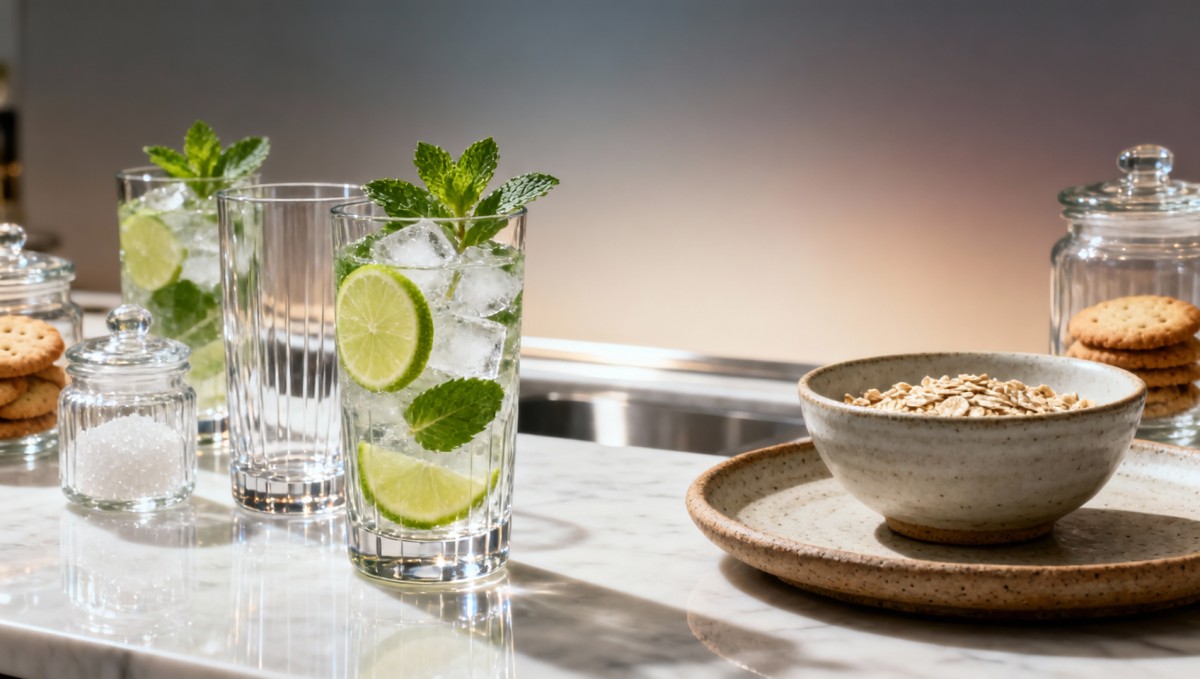
The most important updates are not purely decorative. They are increasingly tied to real-world use in bars, restaurants, hotels, cafés, and modern home kitchens. Buyers are seeing several clear shifts in the market:
- Slimmer but stronger profiles that preserve an elegant look while improving durability through better glass engineering.
- Refined wall thickness to balance hand feel, visual clarity, and resistance to cracking.
- Improved rim design for a better drinking experience and a more premium presentation.
- Stable, weighted bases that help reduce tipping during busy service.
- Stack-aware or storage-friendly forms for commercial environments with limited shelf space.
- Multi-use styling so one cup can serve mojitos, sparkling drinks, iced tea, mocktails, or water.
These updates show that the glass mojito cup is no longer viewed as a simple beverage container. It is now part of a broader tabletop and service strategy, where appearance and performance must work together.
Why are durability and operational practicality becoming top priorities?
For users, operators, and purchasing teams, durability is often the first filter. A beautiful cup has limited value if it breaks easily, scratches quickly, or creates replacement costs. That is why manufacturers are giving more attention to strengthened glass structures, more balanced proportions, and base reinforcement.
In hospitality and foodservice settings, a mojito cup may go through repeated handling, washing, stacking, and fast-paced serving cycles. Design updates that reduce breakage can directly improve operating efficiency. This is especially important for:
- Restaurants with high drink turnover
- Hotels seeking consistent presentation across outlets
- Bars where glassware is handled quickly during peak hours
- Catering businesses that need safer transport and setup
Decision-makers also care about the total cost of ownership. A cup with a slightly higher upfront price may still be the better choice if it lasts longer, performs better under repeated washing, and maintains its appearance over time.
How are shape and aesthetics changing to match modern tableware trends?
Visual design is still a major driver, but it is becoming more versatile and commercially useful. Current styling trends in the glass mojito cup include cleaner silhouettes, subtle texture, and forms that fit both casual and upscale environments.
Instead of overly decorative designs, many buyers now prefer cups with:
- Minimalist transparency that highlights drink color, garnish, and ice
- Vertical or slightly tapered walls for a modern, balanced look
- Textured surfaces that improve grip while adding visual interest
- Light retro influences inspired by classic cocktail glassware
This shift reflects a wider movement across tabletop products. The same demand for clean, coordinated design can be seen in related categories such as the glass cookie jar, glass sugar jar, ceramic cereal bowl, and stoneware plate. Buyers increasingly want collections that work together visually, whether for retail shelves, restaurant service, or hospitality guest experiences.
As a result, the glass mojito cup is often selected not as an isolated item, but as part of a complete presentation system.
What do buyers and procurement teams need to evaluate before choosing a design?
For procurement professionals and business decision-makers, the best design is the one that fits the use case. Trend awareness is useful, but selection should be based on measurable criteria.
Key evaluation points include:
- Capacity suitability: Does the cup support standard mojito recipes, ice volume, garnish, and alternative drink formats?
- Breakage resistance: Is the design appropriate for commercial handling and dishwashing?
- Grip and ergonomics: Is it easy for staff and customers to hold securely?
- Base stability: Does the cup reduce spills and table instability?
- Storage efficiency: Can it be stored practically in real kitchen or bar conditions?
- Brand fit: Does the style align with the venue’s positioning, from casual to premium?
- Supply consistency: Can the supplier provide steady quality and replenishment?
For larger-volume buyers, product consistency is especially important. Even a well-designed glass mojito cup can create operational issues if dimensions, clarity, or finish vary from batch to batch. That makes supplier quality control just as important as visual design.
How do these updates affect customer experience and market appeal?
Design updates influence more than internal operations. They also affect how drinks are perceived by end customers. In many foodservice and retail environments, presentation plays a direct role in satisfaction, repeat purchases, and social sharing.
A well-designed glass mojito cup can:
- Make cocktails and non-alcoholic drinks look fresher and more premium
- Support brand image through consistent tabletop styling
- Improve the tactile experience with better grip and balance
- Encourage multifunctional use across menu categories
This matters in a market where beverage presentation is part of the value proposition. Customers often notice shape, weight, clarity, and finish even if they do not describe them in technical terms. Good design helps create a more polished and intentional experience.
For retailers and wholesalers, updated styling also improves marketability. Products that combine modern aesthetics with practical function are easier to position to both commercial buyers and home consumers.
What is the broader takeaway for the kitchen and tabletop industry?
The evolution of the glass mojito cup reflects a larger trend across kitchen equipment and serving products: buyers want items that perform well, look contemporary, and support efficient operations. The market is moving away from products chosen only for appearance and toward solutions that combine durability, versatility, and design value.
This is consistent with developments across the broader kitchen equipment industry, where functionality, efficiency, and user-centered design are becoming standard expectations. Even in smaller tabletop items, product design is increasingly tied to workflow, sustainability considerations, replacement cost, and overall customer experience.
That is why the latest updates in the glass mojito cup should be viewed as commercially relevant, not just stylistic. The best new designs are the ones that serve modern service environments while still meeting rising expectations for aesthetics.
In summary, the design updates changing the glass mojito cup are centered on stronger construction, smarter shapes, cleaner visual appeal, and better fit for real usage scenarios. For information seekers, operators, procurement teams, and business leaders, the key is to judge these changes by practical value: durability, usability, presentation impact, and long-term purchasing efficiency. When selected well, a modern glass mojito cup can do more than hold a drink—it can support brand image, service quality, and better buying decisions.
Popular Tags
Kitchen Industry Research Team
Dedicated to analyzing emerging trends and technological shifts in the global hospitality and foodservice infrastructure sector.
Industry Insights
Join 15,000+ industry professionals. Get the latest market trends and tech news delivered weekly.
No spam. Unsubscribe anytime.
Contact With us
Contact:
Anne Yin (Ceramics Dinnerware/Glassware)
Lucky Zhai(Flatware)