
Energy efficient restaurant supplies that cut utility bills faster
Rising utility costs are pushing foodservice operators to rethink every purchase. Energy efficient restaurant supplies are no longer just a sustainability upgrade—they are a practical way to reduce overhead, improve kitchen performance, and support long-term profitability. For business decision-makers, choosing the right equipment can accelerate savings while aligning operations with modern demands for efficiency, reliability, and smarter kitchen management.
What energy efficient restaurant supplies really include
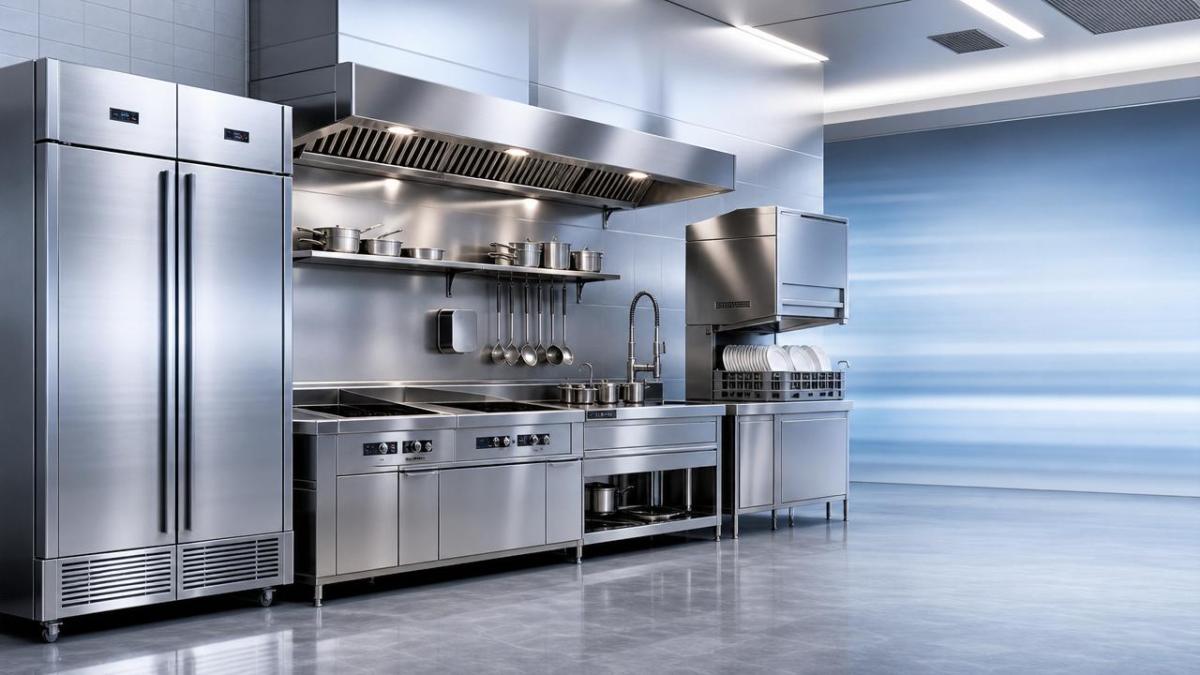
In practical terms, energy efficient restaurant supplies are products, appliances, and kitchen systems designed to deliver the same or better output while consuming less electricity, gas, or water. In the foodservice environment, this category goes far beyond a single appliance. It includes refrigeration units with improved insulation and variable-speed compressors, induction cooktops, combi ovens, dishwashers with heat recovery, LED lighting, smart ventilation, low-flow pre-rinse spray valves, and digital controls that reduce waste during peak and off-peak hours.
For operators in restaurants, hotels, central kitchens, and food processing settings, the value of these supplies is tied to measurable performance. Lower utility use matters, but so do faster cooking times, better temperature consistency, reduced maintenance pressure, and easier compliance with food safety standards. As the kitchen equipment industry moves toward automation, intelligence, and greener operation, energy efficient restaurant supplies have become a core part of modern kitchen planning rather than an optional add-on.
Why the industry is paying closer attention
The kitchen equipment sector serves a broad global market that includes independent restaurants, hospitality groups, institutional dining, and food manufacturers. Across these segments, utility inflation and labor pressure are changing investment priorities. Decision-makers are no longer evaluating equipment only by upfront price. They are looking at total operating cost, uptime, labor efficiency, throughput, and sustainability reporting.
At the same time, equipment technology has advanced quickly. Smart kitchen systems now provide real-time monitoring, programmable cooking cycles, load-based energy management, and predictive maintenance alerts. These features make energy efficient restaurant supplies more attractive because savings are no longer theoretical. Usage can be tracked, benchmarked, and improved over time. For businesses with multiple sites, this creates a consistent path to standardization and better control.
Global manufacturing and trade also support this shift. Leading production centers in countries such as China, Germany, Italy, and Japan continue to develop higher-performance commercial kitchen equipment. As emerging foodservice markets expand, buyers have greater access to advanced, energy-saving solutions across refrigeration, cooking, cleaning, and preparation.
Business value beyond lower utility bills
The main appeal of energy efficient restaurant supplies is obvious: lower monthly bills. However, that is only one part of the business case. Efficient equipment often improves operational speed and consistency. An induction range can reduce wasted ambient heat while delivering faster response. A high-efficiency refrigerator can stabilize internal temperatures more effectively, helping preserve ingredients and reduce spoilage. A warewashing system with optimized water and heat use can lower both utility and detergent consumption.
For enterprise buyers and senior managers, these operational effects matter because they influence margins in several directions at once. Lower utility spending frees working capital. Better process consistency reduces food waste and rework. Improved heat management can create a more comfortable kitchen environment, supporting staff productivity. In many cases, efficient systems also align with corporate environmental goals, investor expectations, and customer-facing sustainability messaging.
This is why energy efficient restaurant supplies should be assessed as strategic assets. Their impact reaches finance, operations, maintenance, food quality, compliance, and brand reputation.
Where savings typically come from
Not every category produces savings in the same way. Some supplies reduce direct power or gas use, while others cut water, shorten cooking times, or minimize unnecessary idle operation. A structured view helps decision-makers set priorities.
Typical application scenarios across foodservice operations
Different operations benefit from energy efficient restaurant supplies in different ways. The right solution depends on menu complexity, production volume, service model, and facility constraints.
Independent and chain restaurants
Restaurants usually gain the most from high-use cooking and refrigeration assets. Fryers, ovens, undercounter refrigerators, ice machines, and ventilation often represent major energy loads. For chains, standardized equipment specifications can simplify training and improve cross-location performance measurement.
Hotels and hospitality kitchens
Hotels operate under variable demand across banquets, room service, breakfast, and restaurants. Energy efficient restaurant supplies with programmable modes and flexible output are especially useful here because they support fluctuating volumes without constant full-load consumption.
Central kitchens and commissaries
Large-scale production facilities benefit from integrated systems rather than isolated upgrades. Efficient food processing machinery, blast chilling, cold storage, and automated cooking equipment can create substantial cumulative savings while improving batch consistency and traceability.
Institutional and high-volume foodservice
Schools, hospitals, and corporate cafeterias often have long operating hours and predictable demand windows. In these settings, warewashing efficiency, hot holding control, and digital kitchen management tools can deliver strong results because equipment utilization is consistent and measurable.
How decision-makers should evaluate options
A strong evaluation process starts with operating reality, not product marketing. Before comparing brands or models, businesses should identify which assets consume the most energy, where bottlenecks occur, and which equipment is nearing replacement age. Utility bills, maintenance records, and kitchen workflow reviews usually reveal the best opportunities.
Next, compare total cost of ownership rather than purchase price alone. A lower-cost unit may consume more energy, require more service, or deliver inconsistent output that increases labor or food waste. By contrast, higher-performing energy efficient restaurant supplies may justify investment through shorter payback periods and improved operational stability.
It is also important to examine compatibility with broader kitchen strategy. If a business is moving toward smart kitchen management, connected equipment with monitoring and reporting functions may offer greater long-term value. If expansion is planned, scalable and standardized systems can reduce complexity during rollout.
Key points to review before implementation
Even the best energy efficient restaurant supplies will underperform if they are installed or used incorrectly. Decision-makers should review a few practical issues before final approval.
- Verify utility infrastructure, including electrical capacity, ventilation requirements, gas lines, and drainage.
- Check production fit. An efficient unit that is undersized or oversized can increase operational friction.
- Confirm staff usability. Controls should support real kitchen pace, not slow it down.
- Assess service support, spare parts availability, and maintenance responsiveness.
- Use measurable benchmarks such as expected energy reduction, cycle time, temperature stability, and cleaning performance.
These points are especially relevant in a market where kitchen equipment is becoming more digital and interconnected. Efficiency should work together with reliability, food safety, and operational simplicity.
Common priorities by investment stage
Many organizations do not replace an entire kitchen at once. A phased approach is common and often more practical.
A practical direction for long-term kitchen performance
For business leaders, the best approach is to treat energy efficient restaurant supplies as part of a broader operating model. The goal is not simply to buy lower-energy equipment, but to build a kitchen environment that is efficient, controllable, and prepared for future demand. That means aligning equipment selection with production targets, service expectations, labor realities, and digital management goals.
As the global kitchen equipment industry continues to advance toward smart technologies and integrated systems, organizations that act early can create a measurable advantage. Lower bills are the first benefit, but stronger consistency, lower waste, better working conditions, and more resilient operations are what make the investment meaningful over time.
If your organization is reviewing upgrades, start with the highest-use assets, calculate total cost of ownership, and prioritize energy efficient restaurant supplies that fit both current workflow and future expansion. In a competitive foodservice market, efficient equipment is no longer only about saving power—it is about building a more profitable and sustainable operation.
Popular Tags
Kitchen Industry Research Team
Dedicated to analyzing emerging trends and technological shifts in the global hospitality and foodservice infrastructure sector.
Industry Insights
Join 15,000+ industry professionals. Get the latest market trends and tech news delivered weekly.
No spam. Unsubscribe anytime.
Hot Articles
 ASEAN FTA Upgrade Enters Text Verification Phase; Smart Kitchen Controls Added to Zero-Tariff List
- Electronics Manufacturing Leads with 13.6% Output Growth; Kitchen Appliance Chip Supply Stabilizes
- OpenCLAW-like Agent Deployment Risk Management Guidelines Released
- Green Power Stocks Rally; Overseas Buyers Prioritize Green Electricity Usage

Contact With us
Contact:
Anne Yin (Ceramics Dinnerware/Glassware)
Lucky Zhai(Flatware)