
Glass flower vase demand is rising in event rental channels
Demand for the glass flower vase is rising rapidly in event rental channels as planners seek elegant, reusable, and versatile decor solutions. Alongside products like the glass beverage server, glass water dispenser, dinnerware set, and stainless steel cutlery, rental-friendly glassware is becoming a key purchasing focus for businesses aiming to improve presentation, operational efficiency, and customer experience.
Why are event rental channels buying more glass flower vase products now?
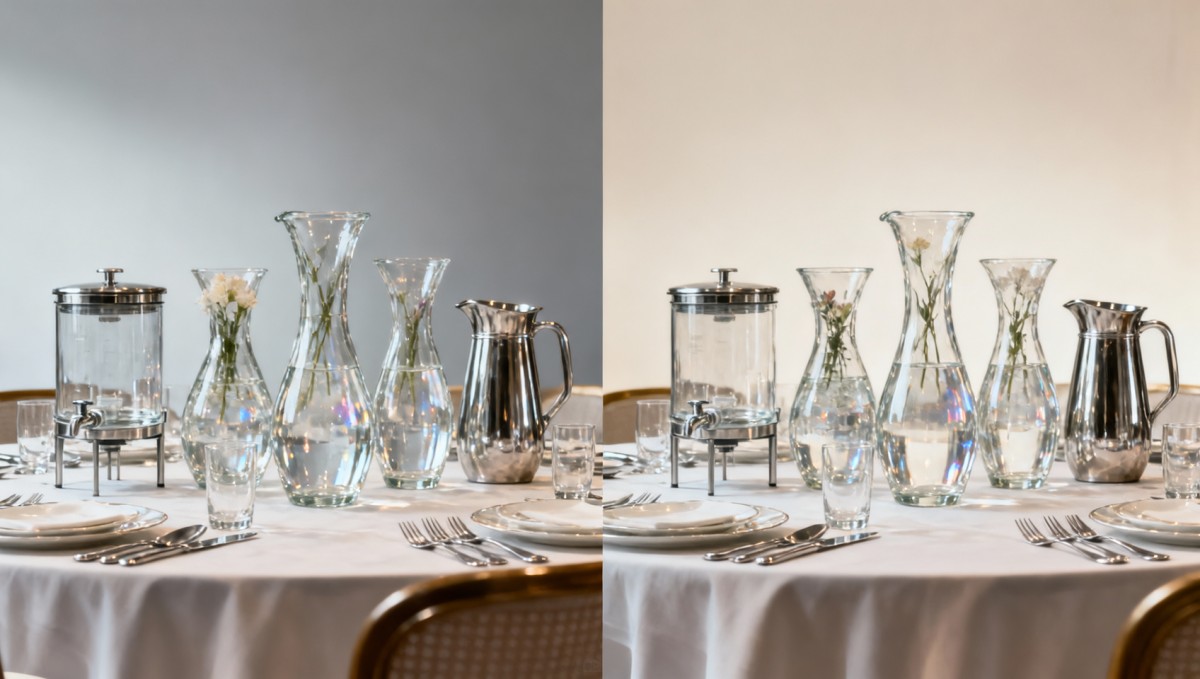
The increase in glass flower vase demand is not an isolated decor trend. It is closely linked to how hotels, restaurants, banquet venues, and catering operators now manage the full guest experience. In many projects, buyers no longer source table presentation items separately from service equipment. They evaluate flower vases, dinnerware sets, glass beverage server options, glass water dispenser units, and stainless steel cutlery together because the goal is one coordinated rental-ready presentation system.
For information researchers and procurement teams, the shift is practical. Event operators need decorative items that can move through repeated rental cycles of setup, transport, collection, washing, and reissue within 24–72 hours. A glass flower vase fits this model when it combines visual neutrality, stable packaging efficiency, and acceptable breakage control. Compared with trend-sensitive decor pieces, clear or lightly tinted vase designs remain usable across weddings, corporate banquets, hotel brunches, and restaurant private events for several seasons.
This demand also reflects broader kitchen equipment industry logic. Foodservice businesses increasingly prefer products that support efficiency, sanitation, and standardized operations. Even though a vase is not cooking equipment, it operates in the same service chain as beverage stations, buffet lines, and table settings. When purchasing teams already optimize back-of-house workflows with automated washing, digital inventory control, and energy-efficient equipment, they also favor front-of-house accessories that can be cleaned, stored, and redeployed with minimal labor friction.
Another driver is cross-category purchasing. In venue and rental channel decisions, decorative glassware often sits in the same budget discussion as beverage dispensers, serving containers, and table utensils. Decision-makers want fewer suppliers, shorter lead times of 2–6 weeks for standard items, and more predictable replenishment planning. That is why the glass flower vase is increasingly evaluated not only for style, but for its compatibility with operational systems used in commercial kitchens, banqueting departments, and hospitality service networks.
- Rental businesses prefer reusable products that survive frequent handling, often across 20–50 event cycles before replacement planning is reviewed.
- Hospitality buyers increasingly combine decor and serviceware sourcing to reduce fragmented purchasing and simplify supplier management.
- Operators want styles that work across at least 3–4 event formats, reducing dead inventory caused by highly seasonal designs.
- Cleaning compatibility matters because many venues process glass items in centralized washing areas on daily or weekly cycles.
Which application scenarios create the strongest purchasing need?
Not every rental buyer needs the same vase profile. Demand is strongest where presentation quality directly affects booking value, customer satisfaction, and repeat business. Hotels, event rental companies, restaurants with private dining rooms, and catering groups all use glass flower vase products differently. Understanding the scenario helps operators avoid overspending on decorative complexity while missing practical needs such as stacking logic, wash resistance, and transport safety.
In hotel banquet operations, the vase is usually one element inside a broader tabletop system. It must visually match glass beverage server units at welcome stations, glass water dispenser layouts in conference spaces, and the overall tone of dinnerware set and stainless steel cutlery selections. Here, buyers often choose medium-height transparent designs because they support both floral styling and clear sightlines across round tables of 8–12 guests.
In stand-alone event rental channels, flexibility is the first priority. Rental houses need a product mix that works for premium weddings one week and business luncheons the next. Simple cylinder, trumpet, and bud vase formats remain common because they can be grouped in sets of 3, 5, or 7 units to create scalable centerpieces. This reduces the number of unique stock-keeping units while still allowing varied design outputs.
For restaurant operators and compact venues, the requirement is different. Tabletop space is limited, staff handling time is short, and breakage costs can quickly erase presentation gains. In these settings, smaller vase sizes and thicker base construction are often favored. Buyers also compare whether the same supplier can provide matching serving glassware and tableware to simplify replenishment and achieve a more consistent front-of-house identity.
Scenario-based demand by operational setting
The following comparison helps procurement teams evaluate where glass flower vase investment creates the most operational value. It also shows why these products are increasingly purchased alongside kitchen-adjacent hospitality items rather than as separate decorative accessories.
This table shows that the strongest demand comes from businesses balancing appearance with operational repetition. The more frequently a venue resets tables, washes items, or ships rental stock, the more important standardization becomes. That is exactly where suppliers with kitchen equipment and hospitality service experience can create value, because they already understand workflow efficiency, cleaning systems, and bulk replenishment planning.
How should buyers compare vase types, materials, and rental performance?
Procurement mistakes often happen when buyers focus only on shape and ignore the rental performance profile. A vase may photograph well, yet fail in transport, washing, or inventory rotation. For operators, the real comparison should include base stability, wall thickness, opening diameter, storage footprint, and replacement convenience. A product that saves 10–15 seconds during packing or unpacking can produce meaningful labor savings across hundreds of units.
Clear soda-lime glass remains common for event rental because it balances cost and broad availability. Thicker construction can improve handling tolerance, although extra weight increases transport load. Borosilicate glass offers better thermal shock resistance, but many decor applications do not require that premium. Colored glass can reduce visible water marks in some settings, yet it narrows styling flexibility. For most rental channels, neutral designs still provide the strongest utilization rate over a 12-month cycle.
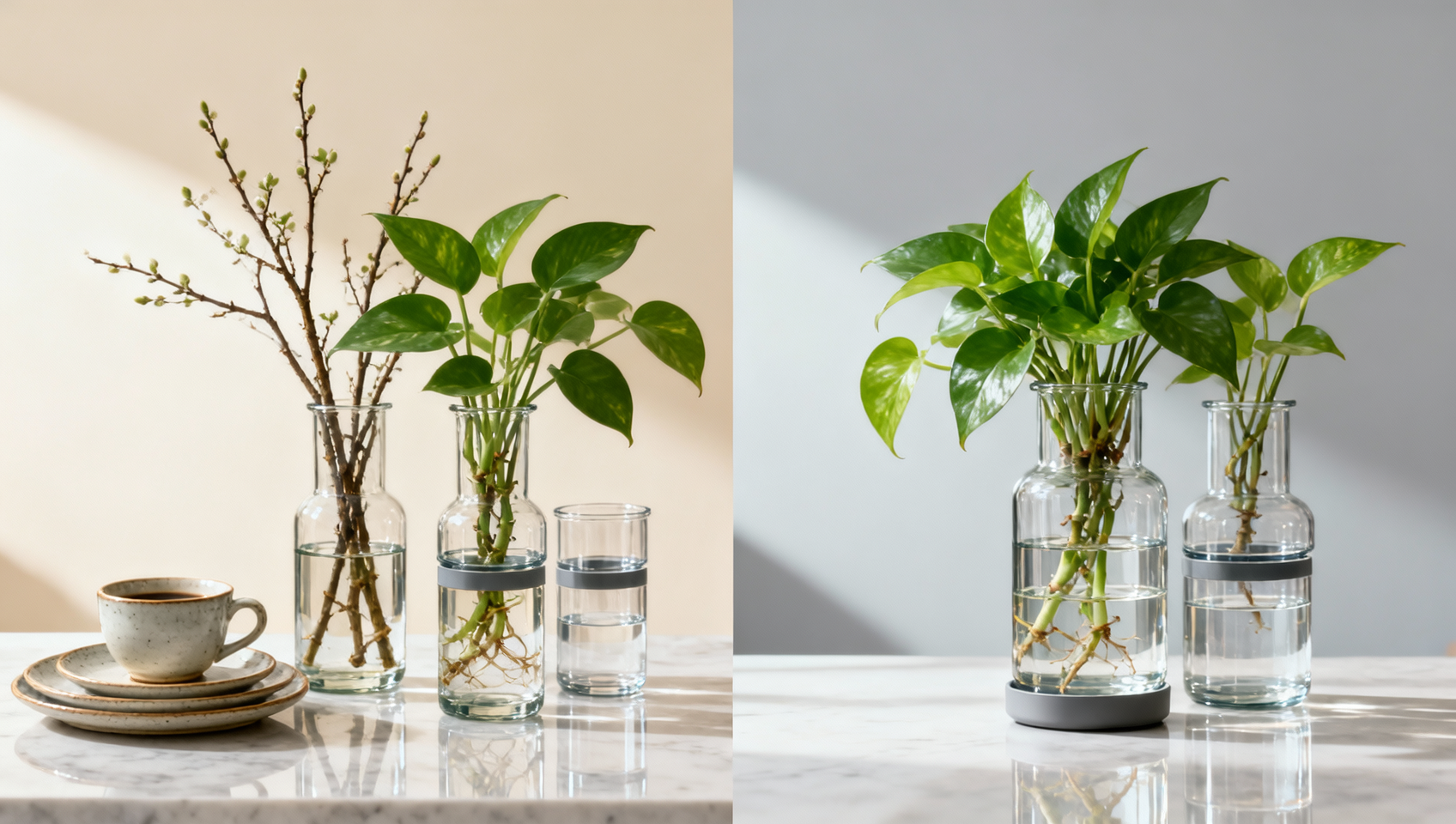
Shape also affects service performance. Tall trumpet styles deliver visual drama, but they need careful packaging and are less efficient in high-density storage. Cylinder vases are easier to line up, wash, and repack. Bud vases support low-flower-count arrangements and fast setup for cafes, restaurant tables, and casual dining venues. Procurement staff should assess not only how the vase looks at one event, but how it behaves through 3 core processes: transport, cleaning, and reissue.
The right comparison becomes even more important when the vase is sourced together with glass beverage server products, glass water dispenser units, or matching tabletop accessories. If one category requires delicate manual handling while the rest of the system is built for efficient commercial use, the full operation slows down. The best purchasing decision supports a balanced service environment rather than an isolated decorative effect.
Practical comparison for rental buyers
The chart below compares common options using criteria relevant to event rental channels, hospitality groups, and integrated service operators.
For most B2B buyers, standard clear formats provide the best inventory efficiency. Specialty designs should usually complement, not replace, the core stock. A practical portfolio often includes 60%–80% neutral multi-use vases and a smaller share of premium statement pieces for high-margin events.
Four technical checks before placing a bulk order
- Confirm height and opening range against floral use. Buyers commonly separate low table formats from taller centerpiece formats to avoid unnecessary stock overlap.
- Review base stability, especially for round-table banquet service and mobile catering where vibration and accidental contact are common.
- Ask about carton count, divider design, and replacement packing, because breakage costs are influenced as much by packaging as by glass thickness.
- Check cleaning compatibility with existing wash processes, including manual washing time, drying speed, and residue visibility under venue lighting.
What should procurement teams review on cost, lead time, and compliance?
Budget pressure is one of the biggest pain points for procurement personnel and business decision-makers. A low unit price does not automatically produce a better rental return. Total ownership includes purchase cost, expected replacement frequency, labor intensity, packaging losses, warehouse footprint, and replenishment speed. In many hospitality settings, a vase with a slightly higher purchase price but lower handling loss can be the more efficient option over 6–12 months.
Lead time matters just as much as cost. Standard glass flower vase programs may be available within 2–4 weeks depending on stock level and destination, while customized color, logo application, or exclusive molds can extend timelines to 6–10 weeks or longer. Buyers planning event season launches should align purchase cycles with container consolidation, warehousing turnover, and sample approval windows rather than waiting for urgent demand peaks.
Compliance should also be viewed realistically. While decorative vases do not always require the same certification profile as powered kitchen equipment, hospitality buyers still care about material safety, packaging integrity, and consistent manufacturing quality. When related products such as glass beverage server units, glass water dispenser items, and food-contact tableware are sourced together, procurement teams benefit from suppliers familiar with routine international trade documentation, inspection processes, and packaging specifications.
For integrated purchasing departments, supplier capability across multiple hospitality categories can reduce communication costs. A vendor that understands commercial kitchen and front-of-house operations is usually better positioned to advise on washability, service flow, spare parts logic for equipment, and replenishment planning for fragile tabletop products. That cross-functional understanding is increasingly valuable as hotels and catering groups centralize sourcing.
A practical evaluation matrix for B2B purchasing
Before final selection, many buyers use a simple weighted checklist. The table below can help teams compare suppliers or product lines with clearer decision logic.
This kind of matrix helps decision-makers avoid overemphasizing aesthetics. In rental channels, purchasing success depends on the balance between style, cycle durability, and supply stability. That is why operators often prefer suppliers able to discuss not only design, but also logistics, handling, and coordination with kitchen and service equipment programs.
Common questions, risks, and next-step decisions for buyers
Many buyers enter the market assuming all glass flower vase products are interchangeable. In practice, the differences appear after delivery: storage inefficiency, difficult washing access, poor replacement planning, or a mismatch with banquet service flow. Asking the right questions before ordering can prevent costly stock corrections and improve event execution across both decorative and foodservice-facing operations.
Another common risk is buying too many niche designs too early. For new rental businesses, it is usually better to begin with 2–3 proven core shapes and add specialty formats only after usage data is clear. This is similar to how kitchen equipment investment works: standardized, high-use assets usually deliver better returns than highly customized pieces with uncertain utilization.
Operators should also think about coordination between front-of-house presentation and back-of-house systems. If your venue already runs centralized washing, digital stock counting, or integrated banquet setup procedures, the vase program should support those systems. That means labeling logic, carton quantity, replenishment ratios, and role-based handling instructions for staff.
For procurement leaders and business owners, the key question is not whether glass flower vase demand is rising. It is whether the selected product line can support a repeatable service model with controlled loss, consistent presentation, and scalable sourcing. When that answer is yes, the purchase becomes operationally justified rather than purely decorative.
FAQ for researchers, users, and procurement teams
How many vase styles should a rental business start with?
A practical starting range is 2–3 core styles with different height profiles, such as one compact bud vase, one medium cylinder, and one taller formal option. This covers casual dining, corporate events, and premium banquets without creating excessive stock complexity. After 3–6 months of booking data, buyers can expand into niche shapes based on real utilization.
What is usually more important: appearance or handling performance?
For one-time styled events, appearance may dominate. For rental channels, handling performance often has equal or greater importance. Products pass through repeated setup, wash, storage, and transport stages. If handling friction adds even small delays per unit, labor cost and breakage risk increase across large inventories. The best choice supports both visual quality and repeat operational use.
Can vase sourcing be combined with hospitality and kitchen-related procurement?
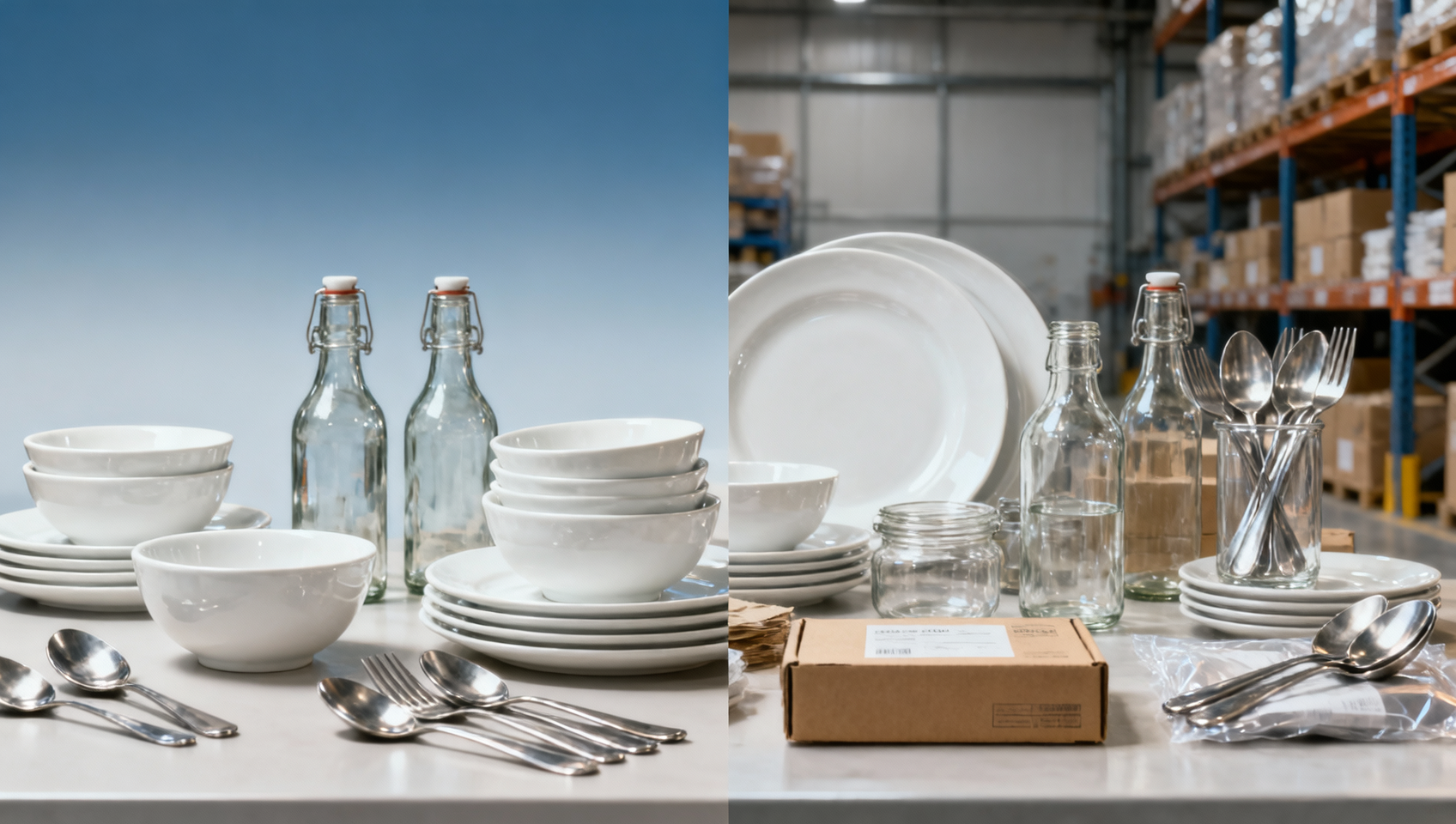
Yes, and many buyers now prefer that route. When flower vases are sourced together with glass beverage server products, glass water dispenser models, dinnerware set programs, and stainless steel cutlery, purchasing becomes more coordinated. It is easier to align lead times, packaging standards, style direction, and supplier communication. This approach is especially useful for hotels, catering groups, and venue chains managing multiple service categories.
What are the most overlooked checks before placing an order?
The most overlooked checks are carton configuration, replacement ratio planning, and cleaning workflow compatibility. Buyers often review size and appearance but forget to ask how many units fit safely per carton, whether spare stock of 3%–8% should be reserved, and how fast staff can wash and dry the item. These details often determine whether a product performs well in real event operations.
Why choose us for integrated hospitality and event supply support?
If your team is evaluating glass flower vase options for event rental, hotel banquet use, restaurant table presentation, or combined hospitality sourcing, we can support more than basic product matching. Our industry focus includes the broader kitchen equipment and foodservice environment, so we understand how decorative glassware interacts with operational realities such as cleaning zones, storage turnover, supplier consolidation, and service efficiency.
We can help you review 4 critical decision areas before ordering: product dimensions and style mix, packaging and replacement planning, lead time and shipment coordination, and compatibility with related items such as glass beverage server units, glass water dispenser products, dinnerware set collections, and stainless steel cutlery. This is especially useful for procurement teams that need one aligned supply strategy instead of fragmented category decisions.
You can contact us for sample support, parameter confirmation, quotation comparison, delivery schedule discussion, and customized sourcing plans based on venue type, rental frequency, and budget range. If you are preparing for a seasonal launch or replacing existing stock, we can also help structure a phased purchasing plan covering standard items first and specialty items later.
To move faster, send your target application scenario, estimated quantity range, preferred style direction, required delivery window, and any documentation needs. With that information, we can help you narrow product options, reduce purchasing uncertainty, and build a more efficient event and hospitality supply program.
Popular Tags
Kitchen Industry Research Team
Dedicated to analyzing emerging trends and technological shifts in the global hospitality and foodservice infrastructure sector.
Industry Insights
Join 15,000+ industry professionals. Get the latest market trends and tech news delivered weekly.
No spam. Unsubscribe anytime.

Contact With us
Contact:
Anne Yin (Ceramics Dinnerware/Glassware)
Lucky Zhai(Flatware)