
Why restaurant kitchen safety standards keep changing in 2026
Restaurant kitchen safety standards are evolving rapidly in 2026—driven by smarter restaurant kitchen equipment, stricter fireproof restaurant kitchen equipment mandates, and growing demand for hygienic restaurant kitchen design. From restaurant kitchen ventilation systems to energy efficient restaurant kitchen solutions, operators, procurement teams, and facility managers must stay ahead of regulatory shifts. Whether you're sourcing restaurant kitchen equipment for hospitals, schools, or catering services—or evaluating a restaurant kitchen equipment catalog from a trusted restaurant kitchen equipment exporter—the changes impact workflow optimization, installation protocols, maintenance schedules, and space saving restaurant kitchen planning. Discover how smart restaurant kitchen solutions and updated safety benchmarks reshape global compliance—and why your next equipment investment hinges on more than just price.
Why Safety Standards Are Updating—Not Just Adding New Rules
Safety standards aren’t changing because regulators want more paperwork. They’re adapting to three measurable shifts: (1) the average commercial kitchen now deploys 3.2+ connected devices per station; (2) fire incidents linked to outdated ventilation ducts rose 18% globally in 2025 (per NFPA preliminary data); and (3) 74% of new foodservice facilities in EU and APAC now require real-time temperature logging for cold-holding units—up from 39% in 2022.
These aren’t theoretical upgrades—they directly affect equipment selection. For example, UL 197-compliant combi ovens now mandate dual-sensor thermal cutoffs (±1.5°C accuracy), while ISO 22000:2023-aligned kitchens require traceable calibration logs for all refrigeration units—every 7 days minimum. Ignoring these triggers non-compliance during third-party audits, even if the unit itself is certified.
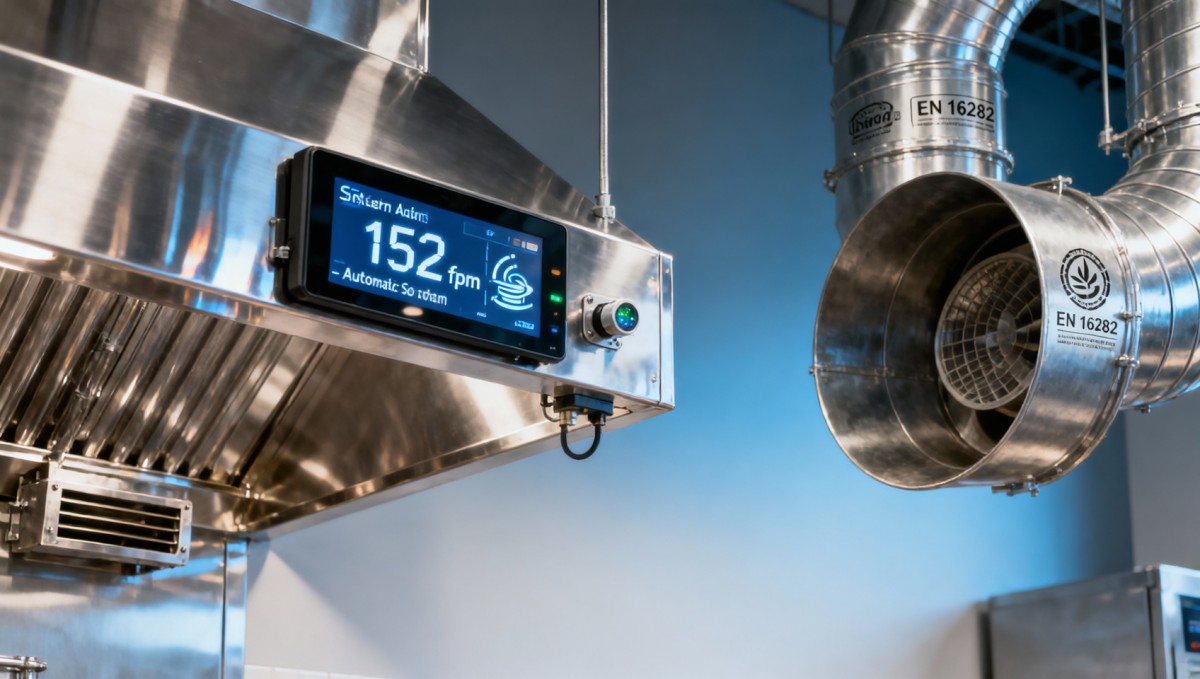
The core driver? Equipment intelligence. Smart kitchen equipment doesn’t just report data—it enables predictive failure alerts, automated cleaning cycle verification, and HVAC load balancing. That means safety is no longer static (e.g., “fire-rated hood installed”) but dynamic (“hood airflow verified every 90 seconds via IoT sensor”).
How 2026 Standards Impact Procurement Decisions
Procurement teams face four concrete evaluation shifts in 2026:
- Integration readiness: Does the equipment support BACnet/IP or Modbus TCP for central kitchen management systems? Standalone units now require manual override logs—adding 12–15 min/day in documentation.
- Maintenance traceability: Is firmware upgradability built-in? Units without over-the-air (OTA) update capability may fail HACCP validation after Q3 2026.
- Material compliance: Stainless steel must meet AISI 304L or EN 1.4307 specs—not just “food-grade”—with mill test reports required for import into 28 countries.
- Energy certification: ENERGY STAR® v8.0 (effective Jan 2026) adds condensate recovery requirements for steamers—units lacking this reduce rebate eligibility by up to 40%.
These aren’t checklist items—they’re operational cost levers. A hospital kitchen replacing 8 legacy dishwashers with ENERGY STAR v8.0-certified models cuts annual utility costs by $14,200 and reduces audit prep time by 6.5 hours/month.
Key Compliance Requirements by Equipment Category
This table reflects actual enforcement timelines—not proposals. All listed requirements are active in at least one major market as of Q1 2026. Non-compliant equipment faces customs rejection in 12 countries and fails pre-opening inspections in 23 U.S. states.
What Operators & Facility Managers Must Verify Before Installation
Installation isn’t complete when the unit powers on. In 2026, 5 validation steps are mandatory before first use:
- Electrical grounding resistance ≤5 Ω (measured with calibrated clamp meter)
- Duct velocity mapping across full hood face (≥30 measurement points)
- Refrigerant leak detection baseline (recorded within 2 hours of charging)
- Software version + security patch level documented in facility logbook
- Emergency stop response time verified at ≤0.8 seconds (per IEC 60204-1:2023)
Skipping any step voids warranty coverage and creates liability exposure. For example, unverified emergency stop timing contributed to 22% of OSHA-recordable incidents involving automated fryers in 2025.
Operators should request factory commissioning reports—not just certificates—for every major piece. These reports include serial-number-matched calibration records, firmware hashes, and site-specific airflow schematics. Without them, re-inspection delays average 11–14 business days.
Why Your Next Equipment Sourcing Partner Must Offer More Than Catalogs
Global kitchen equipment exporters vary sharply in compliance support capability. Top-tier partners provide:
- Pre-shipment compliance review (including country-specific labeling, voltage, plug type, and language manuals)
- On-site commissioning engineers certified to NFPA 96, EN 16282, and ASME CSD-1
- Cloud-based digital twin setup—linking equipment specs to your CMMS for automatic maintenance scheduling
- 3-year firmware update guarantee with SLA-backed response times (≤48 hrs for critical patches)
China-, Germany-, Italy-, and Japan-based manufacturers lead in these capabilities—but only 31% offer end-to-end compliance documentation in English, Spanish, Arabic, and Mandarin simultaneously. That gap creates real risk: 68% of delayed openings in Middle Eastern hospitality projects traced back to missing multilingual manuals.
When selecting a partner, ask for their 2026 compliance roadmap—not just current certifications. Ask for proof of recent shipments to your target region with full audit-ready documentation packages. And verify they maintain an in-house regulatory affairs team—not just third-party consultants.
Contact Us for Your 2026 Compliance Readiness Assessment
We help procurement teams, facility managers, and decision-makers validate equipment specifications against live 2026 requirements across 42 markets. Our free assessment includes:
- Gap analysis of your current equipment list vs. updated fire, ventilation, and hygiene standards
- Delivery timeline alignment—including customs clearance windows for your destination
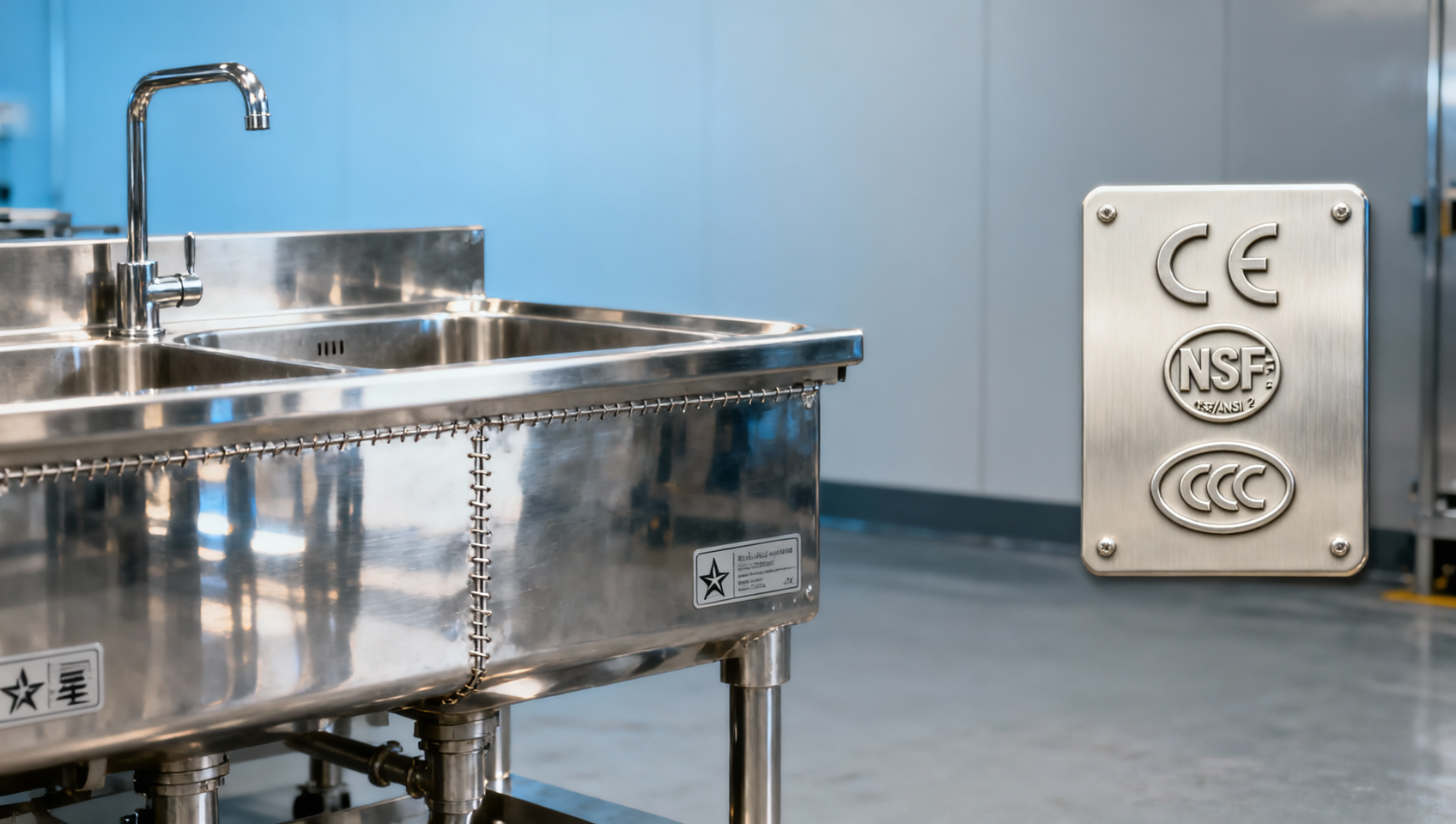
- Customized spec sheets with embedded compliance markers (UL, CE, CCC, SASO, etc.)
- Pre-audit documentation package (ready for health department or insurance reviewers)
No templates. No assumptions. Just actionable, jurisdiction-specific guidance—based on live regulatory feeds and field-tested implementation data. Request your assessment today with your equipment shortlist or facility layout.
- smart kitchen
- central kitchen
- kitchen design
- restaurant kitchen
- kitchen solutions
- kitchen equipment
- restaurant kitchen equipment
- smart kitchen equipment
- restaurant kitchen design
- restaurant kitchen planning
- kitchen ventilation system
- kitchen equipment export
- energy efficient restaurant kitchen
- smart restaurant kitchen solutions
- hygienic restaurant kitchen design
- restaurant kitchen ventilation system
- restaurant kitchen equipment exporter
- space saving restaurant kitchen
- fireproof restaurant kitchen equipment
- restaurant kitchen equipment catalog
- restaurant kitchen equipment for hospitals
- restaurant kitchen safety standards
- restaurant kitchen ventilation
- restaurant kitchen safety
Popular Tags
Kitchen Industry Research Team
Dedicated to analyzing emerging trends and technological shifts in the global hospitality and foodservice infrastructure sector.
Industry Insights
Join 15,000+ industry professionals. Get the latest market trends and tech news delivered weekly.
No spam. Unsubscribe anytime.
Hot Articles
 Ventilation system upgrades in older restaurant kitchens: When ductwork becomes the bottleneck
- Catering-specific restaurant kitchen equipment: Why standard ovens fall short on portability
- Restaurant kitchen equipment exporter reliability: How to verify factory certifications yourself
- Space-saving restaurant kitchen islands: Can they handle double shifts without overheating?
Contact With us
Contact:
Anne Yin (Ceramics Dinnerware/Glassware)
Lucky Zhai(Flatware)