
Are modular restaurant supplies easier to scale across locations?
As restaurant brands expand, consistency, speed, and cost control become critical across every new site. Many decision-makers are now asking whether modular restaurant supplies can make multi-location growth easier, more flexible, and more efficient. From standardized kitchen layouts to faster installation and simpler maintenance, modular solutions are reshaping how operators scale while supporting food safety, workflow optimization, and long-term operational performance.
What do modular restaurant supplies actually mean in a multi-location business?
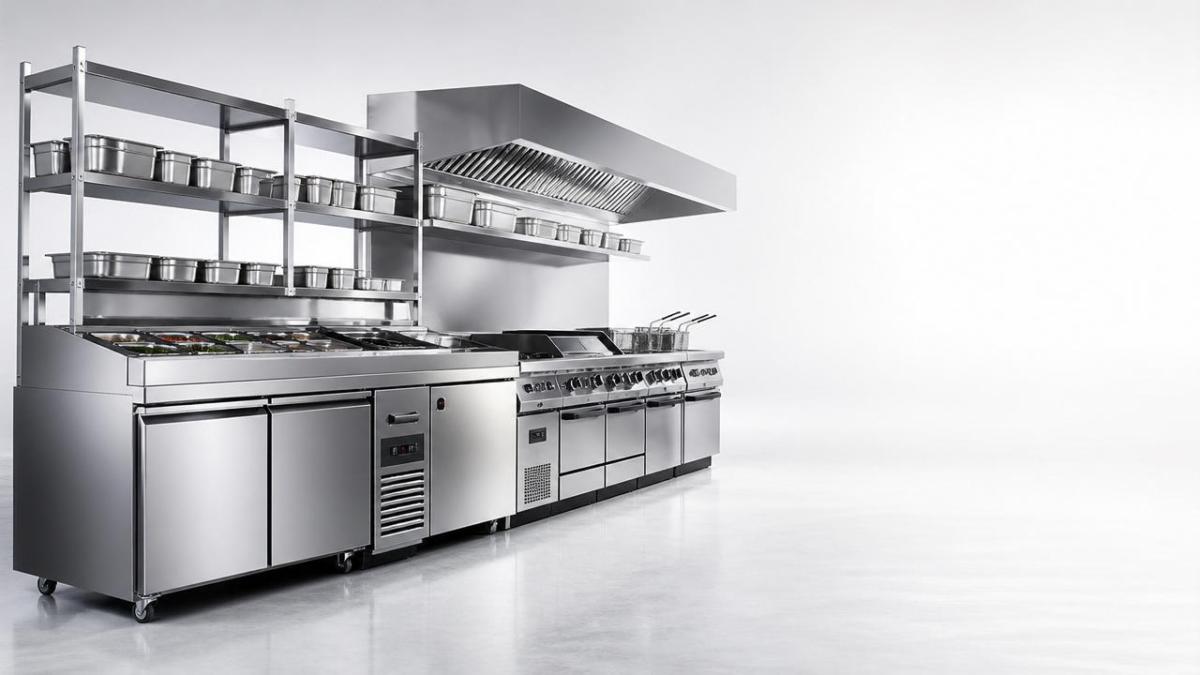
Modular restaurant supplies are equipment systems, prep stations, storage units, shelving, counters, refrigeration blocks, cooking lines, and related components designed to fit together in repeatable configurations. Instead of building every kitchen or service area from scratch, operators use standardized modules that can be adapted to site size, menu flow, and local compliance needs. For growing restaurant groups, this approach creates a bridge between brand consistency and site-level flexibility.
In practical terms, modular restaurant supplies help decision-makers avoid reinventing layouts for every opening. A brand may use the same cold storage module, prep table format, wash area, and hot line sequence across urban stores, suburban outlets, and delivery-focused kitchens. The footprint may change, but the operating logic remains familiar. That matters because scale is rarely limited by demand alone; it is often slowed by installation complexity, training inconsistency, uneven maintenance, and rising capital waste.
This is why modular systems are receiving more attention in the kitchen equipment industry. As foodservice businesses demand smarter, more efficient, and more energy-conscious operations, standardized yet configurable equipment has become a strategic tool rather than only a design preference.
Why are more operators asking if modular restaurant supplies are easier to scale?
The short answer is yes, in many cases they are easier to scale, but only when the modular strategy is aligned with the brand’s operating model. Operators are asking this question because expansion today involves more than opening doors quickly. They need predictable construction timelines, easier procurement, lower training friction, and reliable food safety performance from one location to the next.
Modular restaurant supplies can support those goals in several ways. First, standardization reduces design variability. Second, repeatable equipment packages simplify sourcing and vendor coordination. Third, service teams can maintain familiar components instead of handling a different equipment mix at every site. Fourth, menu execution improves when kitchen workflow is more uniform. For enterprise decision-makers, these advantages can directly affect revenue ramp-up, labor efficiency, and brand protection.
That said, modular does not mean one-size-fits-all. The strongest results come when businesses define which functions must stay standardized and which can remain adjustable. For example, a chain may standardize fry stations and refrigerated prep modules while allowing seating-side storage or back-of-house circulation to vary by building constraints.
Which scaling problems can modular restaurant supplies solve most effectively?
Not every growth challenge is solved by equipment design, but modular restaurant supplies can reduce some of the most common operational bottlenecks in restaurant expansion. The biggest gains usually appear in deployment speed, consistency, maintenance planning, and layout replication.
For example, new location launches often slow down because site-specific equipment choices create purchasing delays and installation errors. A modular package reduces that complexity by narrowing approved options. Similarly, staff onboarding becomes easier when teams see the same prep zones, storage logic, and equipment sequence in each branch. This can improve output quality while reducing training time for cooks, supervisors, and maintenance personnel.
Another major advantage is serviceability. In a fragmented equipment environment, spare parts, technician expertise, and repair procedures vary by site. With modular restaurant supplies, components are often easier to replace, upgrade, or reconfigure. This supports preventive maintenance and reduces downtime risk, which is especially important for chains operating under strict service-level expectations.
Finally, modular setups can improve adaptability. If a brand adds a pickup window, introduces a new menu category, or shifts toward central kitchen support, a modular system may be easier to rework than a fully custom-built line.
Are modular restaurant supplies always more cost-effective than custom solutions?
Not always, and this is one of the most important questions for business leaders. The value of modular restaurant supplies should be measured across the full operating lifecycle, not only by purchase price. A custom solution may look attractive for a flagship location or a highly unusual site, but scaling dozens of custom layouts often introduces hidden costs that accumulate over time.
Those hidden costs include longer planning cycles, repeated engineering work, inconsistent installation requirements, broader spare-parts inventories, and more complex staff training. By contrast, modular restaurant supplies may offer better total value through repeat procurement, lower design rework, easier replacement, and more predictable maintenance patterns.
Still, modular systems are not automatically cheaper in every scenario. If a concept depends on highly specialized cooking methods or dramatic architectural differentiation, heavy standardization may create compromises. Decision-makers should compare not just unit cost, but total cost of ownership, commissioning time, utility efficiency, expected service life, upgrade flexibility, and operational consistency across locations.
Quick comparison for decision-makers
What should enterprise buyers evaluate before choosing modular restaurant supplies?
Before approving a rollout strategy, buyers should evaluate modular restaurant supplies against business model realities rather than equipment catalogs alone. The first checkpoint is menu stability. If the brand’s core production flow is repeatable, modular design is usually a strong fit. If menu execution changes dramatically by region, segment, or service format, the modular plan needs more adjustable elements.
The second checkpoint is site diversity. Some restaurant groups operate in highly standardized footprints, while others enter mixed real estate such as malls, street stores, transport hubs, hotels, and ghost kitchens. The broader the footprint variation, the more important it becomes to use modular restaurant supplies with configurable dimensions, utility connection options, and layered equipment packages.
The third checkpoint is supplier capability. A modular concept works best when the supplier can support manufacturing consistency, technical documentation, compliance understanding, after-sales service, and future expansion. In the modern kitchen equipment sector, this may also include energy-efficient systems, intelligent controls, digital monitoring, and integration with kitchen management platforms.
The fourth checkpoint is lifecycle planning. Buyers should ask whether modules can be upgraded, repaired, relocated, or reconfigured as the business evolves. A system that supports phased growth is often more valuable than a system optimized only for the first opening.
What are the most common misconceptions about modular restaurant supplies?
One common misconception is that modular means low-end or generic. In reality, modular restaurant supplies can be highly engineered and premium in performance. The modular concept refers to how components are structured and repeated, not whether quality is basic. Many advanced commercial kitchen systems now combine modular design with smart controls, energy-saving technologies, and robust hygiene features.
Another misconception is that modular automatically eliminates planning. It does reduce complexity, but thoughtful planning is still required. Utility access, local code requirements, production volume, ventilation, workflow balance, and cleaning access all matter. Poor planning can undermine the benefits of even the best modular package.
A third misconception is that modular restaurant supplies limit brand differentiation. In fact, many brands separate back-of-house standardization from front-of-house identity. They use modular systems to strengthen kitchen performance while preserving visual uniqueness in customer-facing areas.
Finally, some buyers assume that scale benefits appear immediately. The biggest returns usually emerge over multiple openings, when standard procurement, repeat installation, and shared maintenance systems start compounding their value.
How do modular restaurant supplies support food safety, efficiency, and future-ready operations?
For restaurant groups and hospitality operators, scale is not just about adding units; it is about preserving control. Modular restaurant supplies can support food safety by creating repeatable zoning for raw and cooked handling, easier cleaning access, consistent storage logic, and predictable equipment placement. These factors help reduce procedural variation, which is often where food safety risk increases during rapid expansion.
On the efficiency side, modular design helps streamline movement between receiving, storage, prep, cooking, and service. When workflows are intentionally repeated, labor becomes more productive and training becomes more transferable. This is particularly useful in sectors where turnover is high or where brands need to open multiple sites in a short period.
Future readiness is another key advantage. As the kitchen equipment industry moves toward automation, intelligence, and energy efficiency, modular systems can make technology adoption more manageable. Businesses may find it easier to add smart monitoring, automated prep tools, digital kitchen management interfaces, or energy-efficient replacements when the equipment ecosystem is already structured in modules rather than isolated one-off units.
So, are modular restaurant supplies easier to scale across locations?
For most growing restaurant brands, the answer is yes, modular restaurant supplies are generally easier to scale across locations because they improve repeatability, simplify procurement, support maintenance consistency, and reduce operational variation. Their real strength is not only in faster setup, but in helping organizations build a more controllable expansion model.
However, the decision should not be based on trend alone. The right approach depends on menu structure, location diversity, expected growth speed, compliance needs, service strategy, and supplier support capacity. Businesses that define these variables early are far more likely to turn modular investment into measurable performance gains.
If you need to confirm a practical direction, the best next step is to discuss a few core questions first: which equipment functions must remain standardized, what site variations are most common, what maintenance model will support expansion, what energy and automation features are priorities, and how quickly new locations need to become operational. Those answers will make it much easier to evaluate modular restaurant supplies, compare partners, and move toward a scalable kitchen equipment strategy with confidence.
Popular Tags
Kitchen Industry Research Team
Dedicated to analyzing emerging trends and technological shifts in the global hospitality and foodservice infrastructure sector.
Industry Insights
Join 15,000+ industry professionals. Get the latest market trends and tech news delivered weekly.
No spam. Unsubscribe anytime.
Contact With us
Contact:
Anne Yin (Ceramics Dinnerware/Glassware)
Lucky Zhai(Flatware)