
Which Glass Cookie Jar Styles Are Winning Retail Orders?
Retail buyers are not ordering just any glass cookie jar. The styles winning retail orders right now are the ones that do three jobs at once: they look strong on shelf, they communicate food-safe freshness, and they fit into broader home and kitchen merchandising stories. In practice, that means clear or lightly tinted glass cookie jars with reliable sealing lids, giftable silhouettes, easy-label surfaces, and designs that can sit naturally beside a glass candy jar, glass sugar jar, stoneware plate collection, or even a glass home decor vase. For buyers, the key question is no longer simply “Does this jar store cookies?” but “Will this style sell across channels, support margin, and match current consumer taste?”
For suppliers, merchandisers, and procurement teams, understanding which styles are winning orders helps reduce assortment risk and improve retail performance. Below, we look at the jar formats, finishes, lid options, sizing strategies, and cross-category trends that are driving purchase decisions in today’s market.
What kinds of glass cookie jars are retail buyers ordering most often?
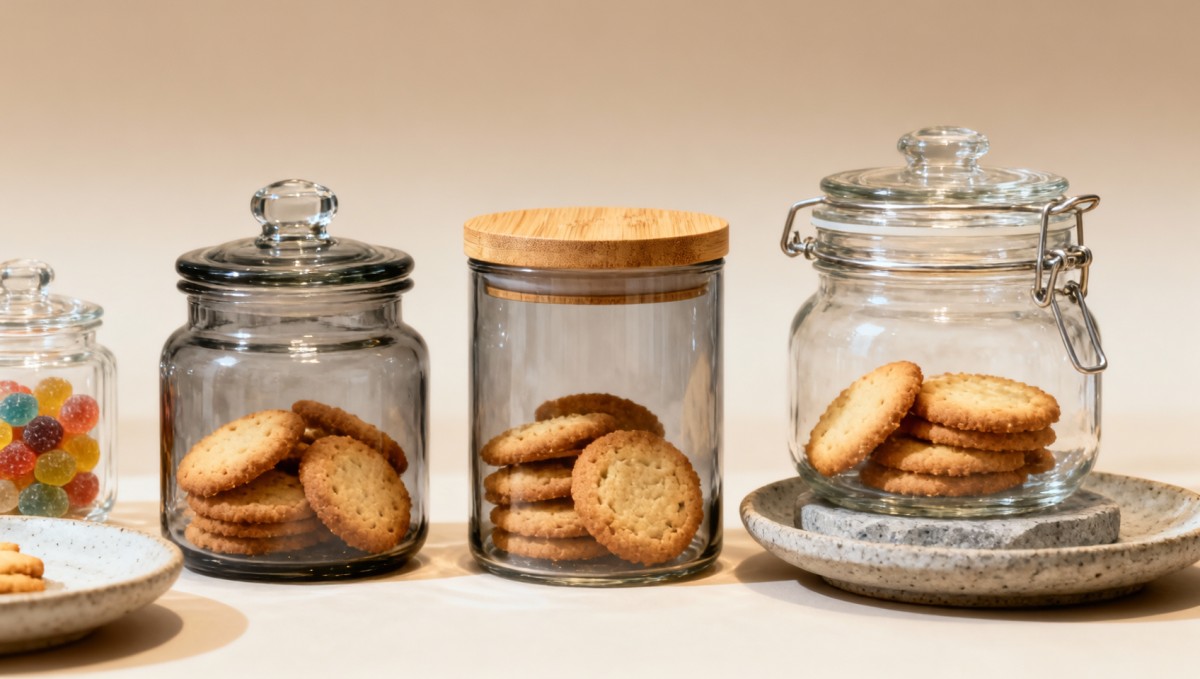
The strongest retail demand is clustering around a few highly practical and visually versatile styles. Buyers are favoring designs that can work in multiple settings: countertop storage, pantry organization, seasonal gifting, café display, and coordinated home décor collections.
The most frequently ordered styles include:
- Classic apothecary-style glass cookie jars with rounded bodies and knob lids, valued for broad consumer appeal and strong display presence.
- Modern cylindrical jars with clean lines, especially popular with minimalist, Scandinavian, and contemporary kitchen collections.
- Wide-mouth glass jars that make access easier for daily use and improve cleaning convenience.
- Stackable or modular storage jars that fit the pantry organization trend and support multi-unit retail sales.
- Textured or embossed glass jars that add tactile differentiation without compromising product visibility.
Among these, the most commercially successful products tend to combine a transparent body with a distinctive but not overly niche silhouette. Buyers want a style that can appeal to a wide customer base while still standing out enough to justify shelf space.
Why are clear and display-friendly designs performing so well?
Visibility is one of the biggest reasons glass cookie jars continue to attract retail orders. Consumers want to see what they are storing, how much remains, and how the jar contributes to the look of the kitchen. This is especially important in open shelving, countertop display, and social-media-driven home styling.
Clear glass supports purchasing in several ways:
- It showcases product freshness, which matters for cookies, candy, sugar, biscuits, and dry snacks.
- It improves shelf communication, allowing buyers to present the jar as both storage and décor.
- It enables cross-category merchandising, because the same form factor can be marketed near a glass candy jar, glass sugar jar, or kitchen gift set.
- It lowers style risk, since clear glass matches more kitchen aesthetics than highly colored or heavily themed designs.
For retail decision-makers, this matters because flexible products are easier to place across multiple channels, from department stores and kitchenware retailers to online marketplaces and hospitality supply catalogs.
Which lid styles and sealing features help close retail orders?
Lid performance is often where a good-looking glass cookie jar either wins or loses the order. Buyers know that if the lid feels loose, fragile, or inconvenient, return rates and customer complaints can increase. As a result, functional closure systems are now central to purchasing decisions.
The leading options include:
- Glass lids with silicone or rubber seals, preferred for a premium appearance plus freshness retention.
- Wood or bamboo lids, which support natural, eco-conscious, and warm kitchen styling.
- Metal clamp lids, often selected for airtight performance and a more industrial or pantry-storage look.
- Knob-top lids, favored in traditional retail lines where visual familiarity and giftability matter.
Retail buyers are especially interested in closures that feel secure but remain easy to open. For user-oriented audiences, including restaurant operators, café staff, or household users, usability matters just as much as appearance. A jar that is attractive but awkward in daily use will struggle to build repeat demand.
How important is cross-merchandising with other kitchen and home products?
It is becoming very important. One of the biggest reasons certain glass cookie jar styles are winning retail orders is that they do not need to sell alone. Buyers increasingly build collections and visual stories rather than isolated SKUs.
A successful glass cookie jar can be merchandised with:
- A glass candy jar for coordinated snack and confection display
- A glass sugar jar for tea, coffee, and breakfast countertop sets
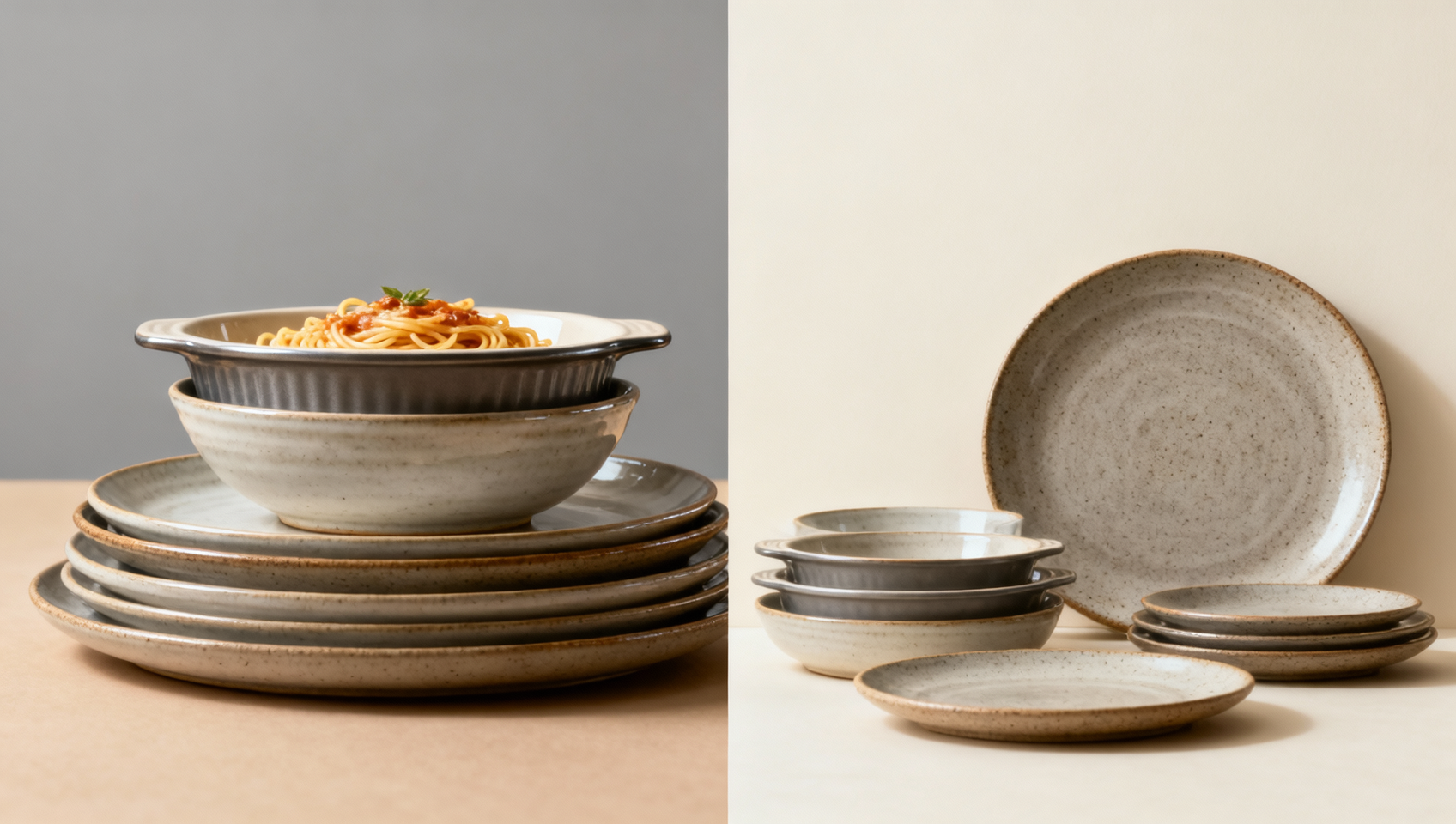
- Stoneware plate collections to create complete table-and-storage presentations
- A glass home decor vase in lifestyle displays blending utility and décor
- Pantry organization lines including canisters, dispensers, and dry food storage containers
For enterprise buyers and category managers, this creates real business value. Cross-merchandisable products improve average order value, make planograms more cohesive, and support seasonal promotions such as holiday baking, housewarming, and gift bundles.
What visual finishes and design details are influencing retail demand?
While clear glass remains dominant, buyers are showing growing interest in subtle design differentiation. The key word is subtle: styles that feel elevated without becoming too trend-dependent are getting the strongest response.
Details that are helping products stand out include:
- Light ribbing or fluting for texture and premium shelf appeal
- Embossed patterns that add character while preserving visibility
- Soft smoke, amber, or light green tints used carefully for a modern lifestyle look
- Matte-finish lids paired with clear bodies for contrast
- Simple label panels that support private label or retail branding
Highly seasonal decoration, overly novelty-driven shapes, and complex surface effects are generally more limited in long-term retail value unless they are designed specifically for holiday programs or promotional campaigns. Buyers placing larger recurring orders usually prefer styles with longer lifecycle potential.
What sizes and pack configurations are most attractive to buyers?
Winning styles are not only about appearance. Size strategy matters because retailers need assortments that fit different households, kitchen spaces, and price points.
Commonly attractive options include:
- Medium-capacity jars for everyday household use, often the most broadly sellable format
- Large countertop statement jars that work well for cookies, snacks, or bakery-style presentation
- Multi-size collections that encourage consumers to buy coordinated sets
- Gift-ready single units packaged for seasonal and special-occasion retail
From a procurement perspective, the best-performing assortment often includes one hero size plus one or two supporting sizes. This allows retailers to meet different consumer needs without overcomplicating inventory.
How are buyers evaluating quality, safety, and supplier reliability?
Even when style drives initial interest, final purchase decisions often depend on quality and supply confidence. Procurement teams and business decision-makers want products that meet visual expectations while minimizing operational risk.
Key evaluation points usually include:
- Food-safe material compliance
- Consistency in glass clarity and thickness
- Lid fit and sealing performance
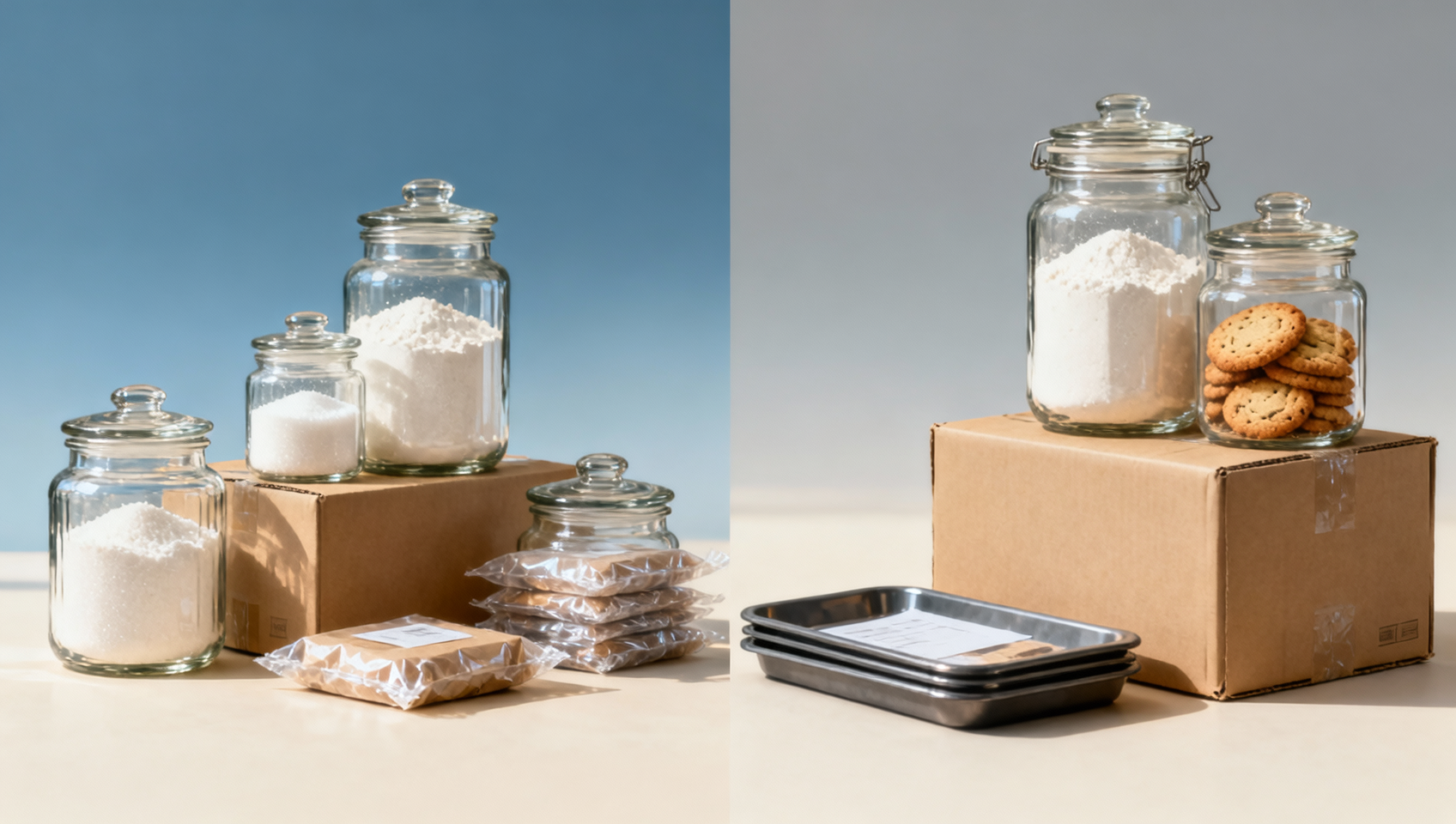
- Resistance to shipping damage
- Packaging quality for retail and e-commerce channels
- Customization capability for logo, lid material, labels, and gift box formats
- Stable production and lead times
For B2B buyers, a stylish jar with weak packaging or inconsistent dimensions is a poor investment. The styles that truly win repeat retail orders are the ones backed by dependable manufacturing and clear quality control.
What should suppliers emphasize if they want more retail orders?
Suppliers should focus less on offering too many random designs and more on presenting a strong, retail-ready assortment. Buyers respond best when they can quickly see which products fit mass retail, premium kitchenware, gifting, café supply, or home décor channels.
To improve conversion, suppliers should highlight:
- Best-selling silhouettes with broad market appeal
- Seal and freshness performance
- Cross-category compatibility with glass candy jar, glass sugar jar, and related kitchenware
- Merchandising imagery showing real countertop and shelf use
- Custom packaging and private-label options
- MOQ flexibility and export capability
In today’s kitchen equipment and housewares market, the supplier that helps the buyer reduce guessing usually has the advantage. Clear product positioning, practical specifications, and visual merchandising support are often more persuasive than a very large but unfocused catalog.
Final takeaway: which glass cookie jar styles are really winning?
The glass cookie jar styles winning retail orders are the ones that balance three priorities: commercial appeal, practical storage performance, and styling flexibility. Clear or lightly textured jars, easy-to-use sealed lids, modern or classic silhouettes, and coordinated collection potential are leading the market. Buyers are especially drawn to products that work not only as cookie storage, but also alongside a glass candy jar, glass sugar jar, stoneware plate line, or glass home decor vase in a broader retail story.
For procurement teams and business leaders, the best choice is usually not the most decorative or unusual jar. It is the style with the strongest combination of shelf impact, food-safe confidence, packaging reliability, and merchandising versatility. In a competitive retail environment, that combination is what turns a glass cookie jar from a simple container into a repeat-order product.
Popular Tags
Kitchen Industry Research Team
Dedicated to analyzing emerging trends and technological shifts in the global hospitality and foodservice infrastructure sector.
Industry Insights
Join 15,000+ industry professionals. Get the latest market trends and tech news delivered weekly.
No spam. Unsubscribe anytime.

Contact With us
Contact:
Anne Yin (Ceramics Dinnerware/Glassware)
Lucky Zhai(Flatware)