
Where Restaurant Kitchen Equipment for Sale Offers Better Value
Finding restaurant kitchen equipment for sale that truly delivers value means balancing price, durability, energy efficiency, and long-term performance. For procurement professionals, the right equipment choice can reduce operating costs, improve kitchen productivity, and support food safety standards. This article explores where to source reliable solutions and how to compare options that align with both budget goals and operational demands.
Why does “better value” matter more than “lower price” when buying restaurant kitchen equipment for sale?
Procurement teams often face pressure to cut upfront spend, but in commercial kitchens, the cheapest option rarely delivers the best outcome. Better value in restaurant kitchen equipment for sale means the equipment performs consistently, lasts under heavy use, consumes less energy, and reduces maintenance interruptions. A fryer, oven, refrigeration unit, or food prep machine that fails during peak hours can create far greater losses than the savings gained from a low purchase price.
In restaurants, hotels, central kitchens, and food processing environments, equipment is part of the production system. That means procurement should evaluate total cost of ownership, not just invoice cost. This includes installation, utility consumption, staff training, spare parts availability, service support, expected lifespan, and compliance with hygiene and safety standards. For buyers managing multiple sites, even a small difference in energy efficiency can create major annual savings.
The rise of smart kitchen technologies also changes the definition of value. Today, some commercial kitchen equipment includes digital temperature control, automated operation, monitoring functions, and diagnostic alerts. These features may raise the purchase price, yet they often improve output consistency, food safety, and labor efficiency. In many cases, value comes from reducing hidden operational costs.
Where can buyers find restaurant kitchen equipment for sale with stronger long-term value?
There is no single best source for every buyer, because the right channel depends on project size, technical requirements, and service expectations. However, procurement professionals usually compare several supply paths before making a decision.
Manufacturers often provide the best value when the order volume is large, customization is required, or the project includes a full kitchen line. Buying direct can improve price transparency and allow better control over specifications, materials, and lead times. This route is especially useful for chain restaurants, distributors, hotel projects, and central kitchen investors that need integrated kitchen systems rather than isolated products.
Authorized distributors offer a different advantage. They may not always beat direct factory pricing, but they often provide local inventory, installation coordination, after-sales support, and faster issue resolution. For many procurement teams, this service layer adds real value, especially when replacement speed matters more than the lowest unit cost.
B2B sourcing platforms have become a major channel for restaurant kitchen equipment for sale, particularly in global trade. These platforms make it easier to compare suppliers from manufacturing centers such as China, Germany, Italy, and Japan. They also help buyers review certifications, product ranges, export capabilities, and communication responsiveness. Still, online sourcing only creates value when buyers verify factory background, quality systems, and support terms.
Used equipment dealers may also offer value in selected cases, such as temporary kitchens, startup restaurants, or non-core stations. Yet this option requires strict inspection. A second-hand combi oven or refrigerator may look economical, but if the parts are obsolete or the energy consumption is high, the total cost can quickly exceed that of a new model.
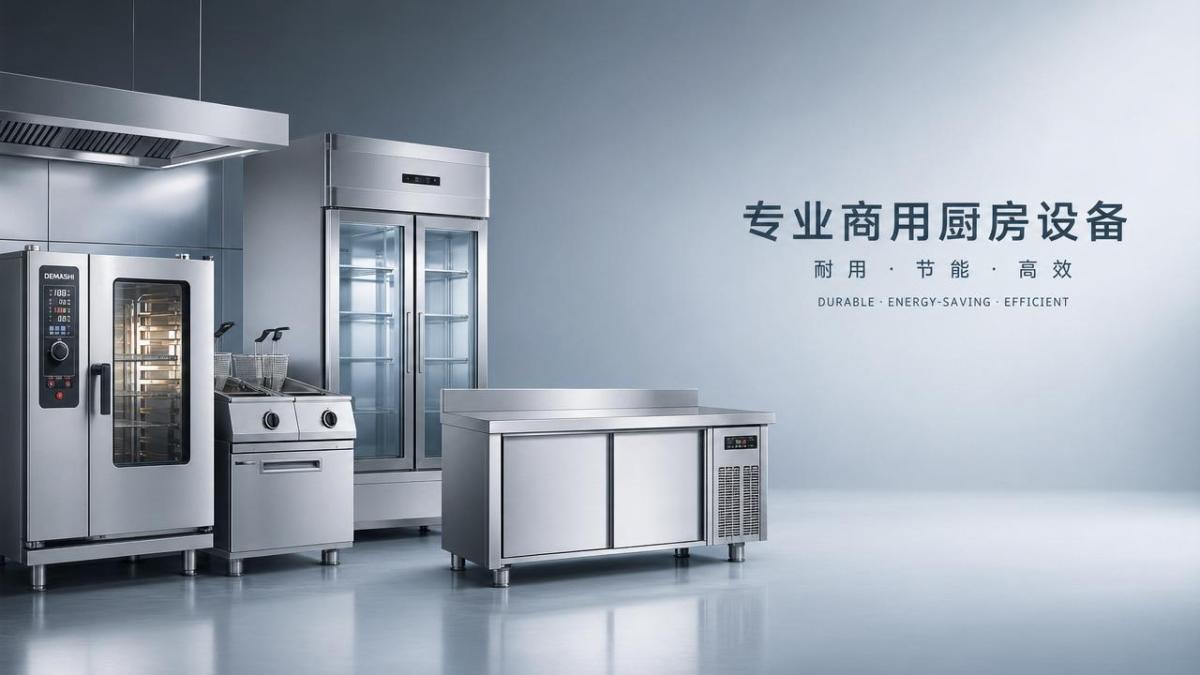
How should procurement professionals compare suppliers offering restaurant kitchen equipment for sale?
A reliable comparison should go beyond catalogs and quotations. Buyers should assess suppliers across quality, service, production capability, and risk control. A low quote becomes less attractive if delivery is uncertain, documentation is incomplete, or support disappears after shipment.
The first step is to verify whether the supplier understands commercial kitchen use cases. A supplier serving restaurants, hotels, foodservice chains, and food processing operations is usually better prepared to recommend the right specifications. This matters because kitchen equipment must match output volume, menu type, workflow design, and sanitation requirements.
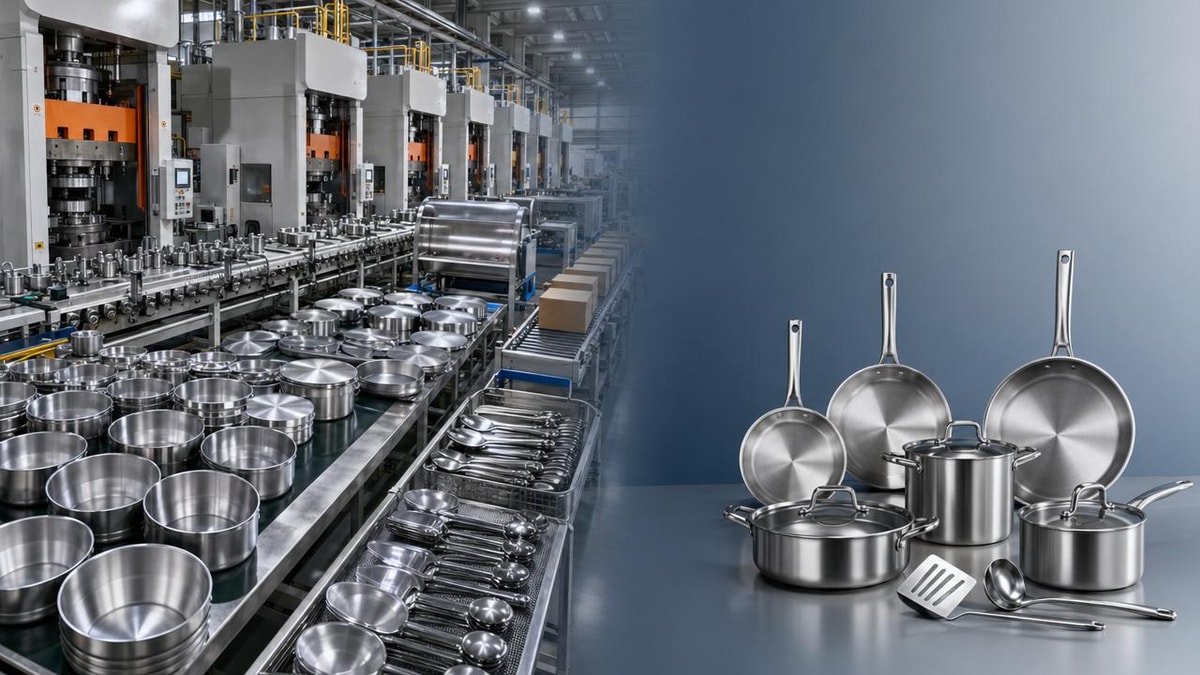
The second step is to review product consistency. Ask whether the supplier uses stable materials, standardized production processes, and recognized electrical or food-contact certifications. Stainless steel grade, compressor brand, burner efficiency, insulation quality, control system reliability, and welding finish all affect long-term value.
The third step is service readiness. Procurement teams should confirm spare parts stock, warranty terms, technical manuals, response time for support, and whether remote diagnostics or local service partners are available. For high-use equipment, service quality is often the difference between acceptable and excellent value.
Supplier comparison checklist
What equipment categories usually offer the best value opportunities?
Not every product category should be evaluated in the same way. In restaurant kitchen equipment for sale, some categories create larger savings through energy efficiency, while others create value through reliability or labor reduction.
Refrigeration equipment is one of the most important value categories because it runs continuously. Walk-in coolers, upright refrigerators, undercounter units, and display chillers should be assessed for insulation quality, compressor efficiency, temperature stability, and maintenance access. Even a moderately higher purchase price can be justified by lower electricity use and reduced spoilage risk.
Cooking equipment such as ovens, griddles, ranges, fryers, and steamers should be judged by output consistency, heat recovery, cleaning ease, and safety controls. In high-volume kitchens, equipment that shortens cooking cycles or improves batch consistency can quickly recover its cost through labor and throughput gains.
Food preparation machinery, including mixers, slicers, vegetable cutters, and processing systems, often delivers value through automation. These products reduce manual work, improve uniformity, and support hygiene. In central kitchens and foodservice chains, automated kitchen systems can make a measurable difference in portion control and production efficiency.
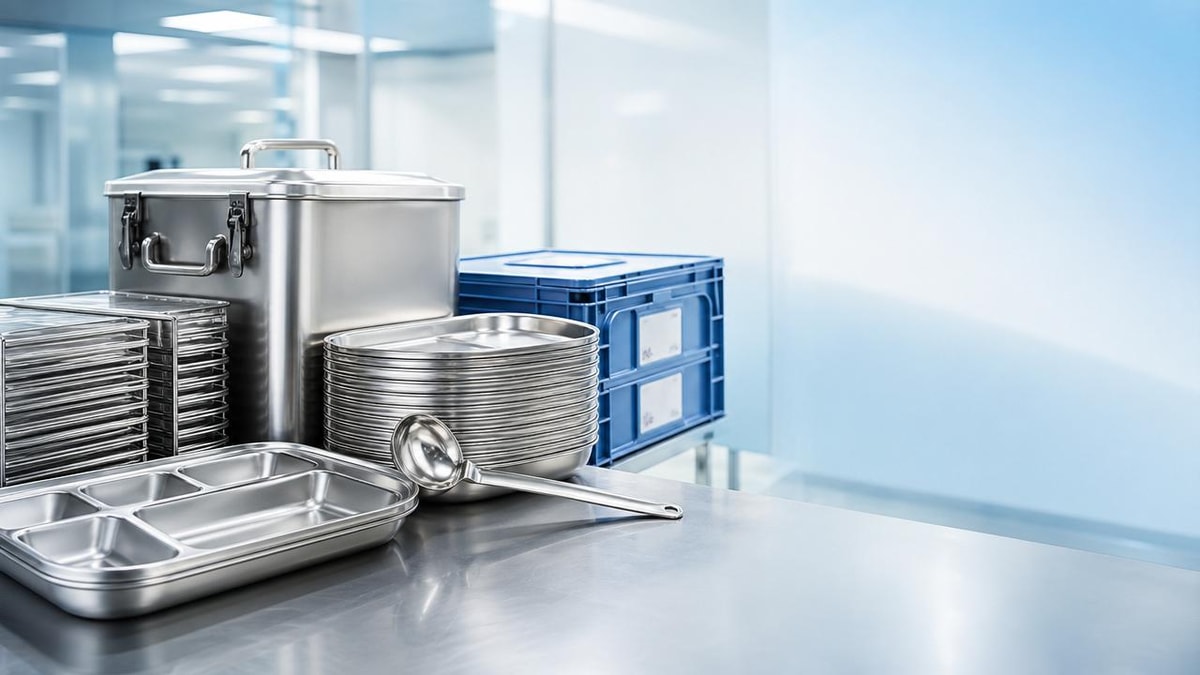
Stainless steel worktables, sinks, shelving, and storage systems are less complex, but value still matters. The best options resist corrosion, support daily cleaning, and fit the workflow. Poorly made utility products may not fail dramatically, yet they often create long-term sanitation and maintenance problems.
What are the most common mistakes when evaluating restaurant kitchen equipment for sale?
One common mistake is buying based on brand recognition alone. A well-known brand can be a strong indicator of quality, but buyers still need to check whether the specific model fits the actual production environment. An oversized unit may waste energy and floor space, while an undersized one may fail under peak demand.
Another mistake is ignoring installation and infrastructure compatibility. Gas type, voltage, drainage, ventilation, and water supply must match the site. Restaurant kitchen equipment for sale may seem competitively priced until hidden adaptation costs appear during setup. Procurement should involve operations, engineering, and kitchen managers early in the process to avoid these surprises.
A third mistake is overlooking cleaning and service access. Equipment with complex interiors, poor drainage design, or difficult-to-reach parts may increase labor hours and raise food safety risk. In busy kitchens, easy maintenance is not a minor feature; it is part of operating value.
Buyers also sometimes underestimate the cost of downtime. If a supplier cannot provide replacement parts quickly, a lower quote can become very expensive. This is especially critical for refrigeration, dishwashing systems, and core cooking equipment that affect daily service continuity.
Quick FAQ table for value-focused buyers
How do global sourcing trends affect value in restaurant kitchen equipment for sale?
Global sourcing has expanded buyer options dramatically. Manufacturing centers in China, Germany, Italy, and Japan each bring different strengths. China often offers broad product ranges, competitive pricing, and flexible OEM or project customization. Germany and Italy are often associated with engineering quality and specialized commercial kitchen systems. Japan is recognized for precision, compact design, and advanced technology in selected categories.
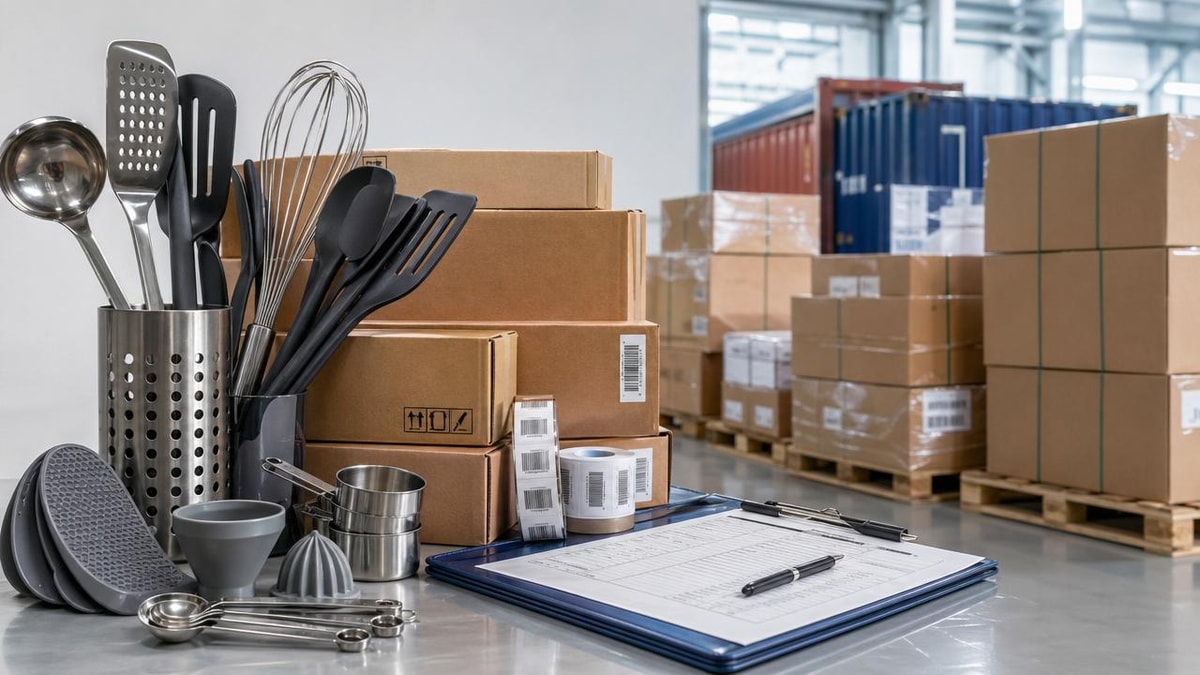
For procurement professionals, the key is not country image but supplier capability. A valuable sourcing decision depends on quality consistency, communication speed, export experience, and support structure. Cross-border buying can improve cost efficiency, but only if documentation, packaging, logistics, compliance, and post-sale coordination are managed well.
Another major trend is the shift toward energy-efficient kitchen solutions and intelligent kitchen management. Buyers increasingly evaluate whether new equipment can support sustainability goals, utility cost reduction, and digital oversight. In multi-site operations, connected equipment can help standardize temperature control, maintenance tracking, and kitchen performance reporting. This broader operational visibility is becoming part of the value equation.
Before requesting quotes, what should procurement teams clarify internally?
The most effective purchasing process starts with internal alignment. Before reviewing restaurant kitchen equipment for sale, teams should define the menu concept, expected output, service style, kitchen layout, and available utilities. These factors determine the correct equipment size, capacity, and configuration.
It is also important to set procurement priorities clearly. If the project goal is lower energy use, that should shape model selection. If speed of installation is critical, local stock and distributor support may outweigh custom factory production. If the business plans rapid expansion, standardization and repeatability become more important than optimizing a single location.
Budget planning should include more than purchase price. Freight, customs, installation, accessories, ventilation adjustments, operator training, and preventive maintenance all affect the actual project cost. Procurement teams that define these items early are far more likely to identify which offers truly provide better value.
So where does restaurant kitchen equipment for sale usually offer the best value?
The best value usually comes from suppliers that combine dependable product quality, realistic pricing, strong after-sales support, and a clear understanding of commercial kitchen operations. For some buyers, that means working directly with a manufacturer on a large or customized project. For others, it means choosing a distributor that can install quickly and support the equipment locally. In both cases, value is created when the equipment matches actual workflow, reduces downtime, controls energy use, and remains serviceable throughout its life.
If you need to move from research to action, start by confirming a few practical questions with potential suppliers: What kitchen scenarios do they serve most often? Which certifications and materials do they use? What is the realistic lead time? How are spare parts handled? What warranty and technical support are included? Can they recommend models based on production volume rather than just price? These questions will help procurement teams identify where restaurant kitchen equipment for sale offers real operational value, not just a cheaper opening quote.
Popular Tags
Kitchen Industry Research Team
Dedicated to analyzing emerging trends and technological shifts in the global hospitality and foodservice infrastructure sector.
Industry Insights
Join 15,000+ industry professionals. Get the latest market trends and tech news delivered weekly.
No spam. Unsubscribe anytime.
Contact With us
Contact:
Anne Yin (Ceramics Dinnerware/Glassware)
Lucky Zhai(Flatware)