Kitchen trade is shifting toward smaller but faster orders
The kitchen trade is entering a new phase where smaller but faster orders are reshaping how distributors, agents, and wholesalers manage inventory, sourcing, and customer expectations. As demand shifts toward flexible, energy-efficient, and intelligent kitchen equipment, businesses that respond quickly can capture new opportunities and strengthen supply chain competitiveness in a rapidly evolving global market.
For distributors and channel partners, this shift is not just about order size. It changes how stock is planned, how suppliers are evaluated, how lead times are negotiated, and how after-sales support is structured. In the kitchen trade, buyers that once placed container-scale orders for standardized products are increasingly asking for mixed SKUs, shorter replenishment cycles, and quicker technical confirmation.
This trend is visible across commercial kitchens, hotel projects, central kitchens, food processing facilities, and even premium residential segments. A dealer may now need 12 induction ranges, 8 refrigerated prep tables, and 20 smart rice cookers delivered in 2 to 4 weeks rather than one large order every quarter. That shift rewards partners with agile sourcing, accurate forecasting, and stronger product positioning.
Why the kitchen trade is moving toward smaller but faster orders
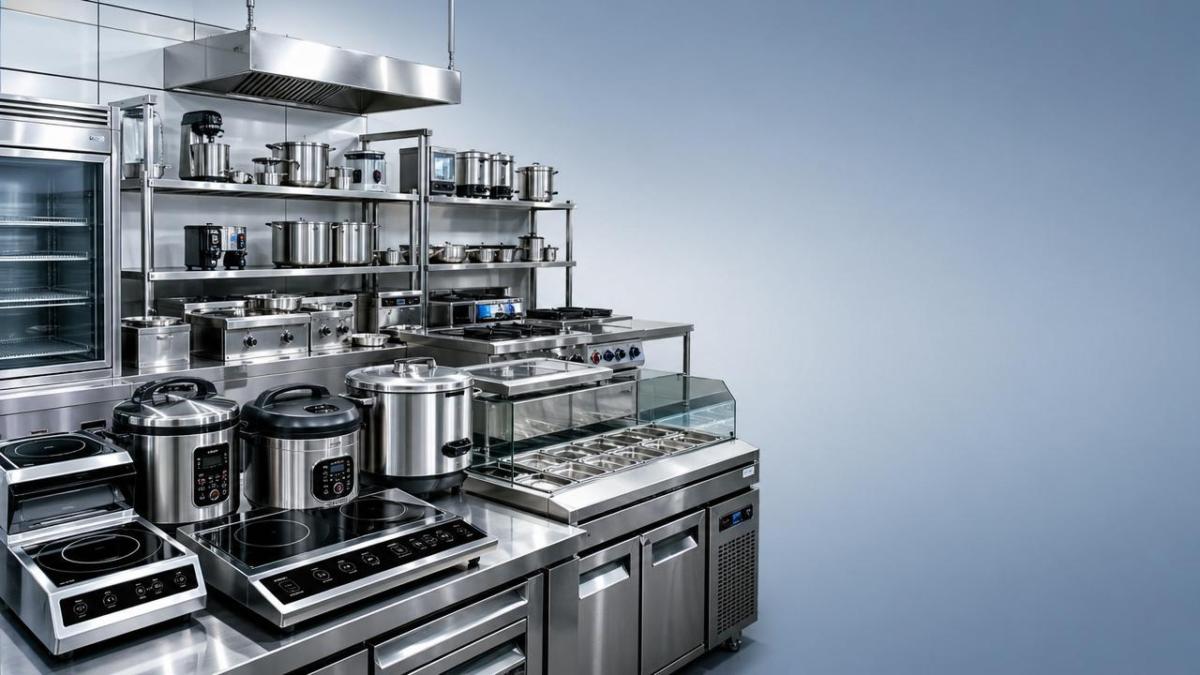
Several structural forces are pushing the kitchen trade in this direction. Foodservice operators are facing tighter cash flow control, more frequent menu changes, and higher pressure to improve kitchen efficiency without committing too much capital at one time. Instead of buying 50 units of one category, they often prefer to test 5 to 10 units, validate field performance, and then reorder quickly.
At the same time, product cycles are shortening. Intelligent fryers, combi ovens, energy-saving dishwashers, and digital kitchen management tools are updated more frequently than traditional stainless equipment. In many categories, distributors now review product competitiveness every 6 to 12 months rather than every 2 to 3 years. That reduces appetite for deep inventory and increases demand for fast-moving replenishment models.
The operational drivers behind the change
The first driver is inventory risk. Kitchen equipment includes both durable, slow-moving assets and fast-turning electrical products. If a distributor carries 120 days of stock on the wrong SKU, capital is tied up while warehousing, inspection, and depreciation costs increase. In contrast, a 21 to 45 day inventory cycle is often more manageable for mixed-category portfolios.
The second driver is project fragmentation. Restaurant chains are opening in batches, cloud kitchens are scaling city by city, and hotel refurbishment projects are often phased. Instead of a single annual purchase, orders may be split into 3 to 6 deliveries. That creates more order frequency, lower batch size, and greater urgency in technical coordination.
The third driver is market uncertainty. Freight volatility, component shortages, and energy regulations have made buyers more cautious. Smaller but faster orders help channel partners preserve flexibility while still responding to demand peaks during seasonal cycles, franchise launches, or tender-driven projects.
Common product categories most affected
- Countertop cooking equipment with 7 to 15 day replenishment expectations
- Refrigeration and display units with configuration-specific orders
- Food preparation machinery where voltage, capacity, and output vary by site
- Smart kitchen appliances requiring software setup or compatibility checks
- Energy-efficient replacements driven by utility cost control and compliance needs
The table below shows how ordering behavior in the kitchen trade is changing and what it means for intermediaries that serve restaurants, hotels, and food processing clients.
The key takeaway is that speed now influences competitiveness almost as much as price. In the kitchen trade, distributors who can combine short quoting cycles, reliable availability, and technical accuracy are better positioned than those relying only on large-volume purchasing power.
How distributors should adapt sourcing, inventory, and supplier strategy
To stay profitable in this environment, channel partners need a more segmented operating model. Not every product should be stocked the same way, and not every supplier should be managed with the same lead-time expectation. A practical approach is to divide kitchen equipment into three groups: core stock items, configurable fast-movers, and project-based equipment.
1. Rebuild inventory around turnover, not just volume
Core stock items usually include cookware, shelving, sinks, basic preparation units, and selected countertop appliances. These are suitable for 30 to 45 days of stock if demand is stable. Configurable fast-movers such as refrigeration, burners, or food processors may require 10 to 20 days of safety stock plus confirmed production slots. Project-based equipment such as complete cooking lines or integrated systems should ideally be sourced against firm orders.
This layered model lowers overstock risk while preserving response speed. It also helps agents explain realistic delivery windows to buyers instead of promising all categories on the same timeline.
2. Shorten supplier response cycles
In many kitchen trade transactions, the first supplier to provide a complete quotation with correct specifications wins the opportunity. Response speed should be measured in hours, not days, especially for repeatable SKUs. For standard products, 24-hour quotation support is increasingly expected. For semi-custom items, 48 to 72 hours is a practical benchmark.
Suppliers that cannot confirm voltage, plug type, power rating, material grade, packaging dimensions, and spare parts policy quickly create friction downstream. This is especially costly for distributors handling multi-country sales where 220V/50Hz, 110V/60Hz, gas type, and compliance labels may differ by market.
Checklist for supplier evaluation in a fast-order environment
- Can they provide standard technical sheets within 24 hours?
- Do they support mixed-SKU orders without excessive MOQ pressure?
- Is lead time stable within a tolerance of plus or minus 3 to 5 days?
- Can spare parts be supplied for at least 12 to 24 months after shipment?
- Do they offer clear packaging, labeling, and palletization standards?
The following table can help distributors classify sourcing strategies by product type and order urgency.
This comparison shows that speed in the kitchen trade does not always mean holding more stock. In many cases, it means holding the right stock, locking in production capacity, and building supplier communication routines that reduce avoidable delays.
3. Use demand signals from end users more effectively
Distributors often sit between manufacturers and end users, which gives them valuable market visibility. Fast-order demand can be tracked through four simple signals: repeat inquiries for the same capacity range, rising requests for energy-efficient models, increasing urgency in replacement purchases, and more demand for smart controls or monitoring functions.
For example, if 6 out of 10 recent inquiries for cooking equipment ask for digital temperature control or programmable settings, that is a strong indication that the product mix should shift. The same applies when buyers start prioritizing equipment with lower power consumption bands or easier cleaning requirements.
What buyers now expect from kitchen trade partners
The market no longer rewards distributors that only move boxes. Buyers want a partner that can interpret use cases, prevent specification errors, and reduce downtime risk. In practical terms, that means the kitchen trade is becoming more consultative, even when order values are smaller.
Speed must be matched by technical accuracy
A fast order loses value if the delivered equipment does not match local requirements. Commercial kitchen buyers typically verify at least 6 points before confirming an order: power supply, energy type, output capacity, footprint, ventilation conditions, and cleaning or maintenance access. Missing one of these can cause installation delays of 3 to 14 days.
This is particularly relevant for intelligent kitchen equipment. Smart ovens, automated fryers, and digital holding systems may require software interface checks, staff training, or calibration guidance. Distributors that prepare these details early reduce post-delivery disputes and strengthen repeat purchase rates.
Smaller orders increase the importance of service consistency
When customers buy in small batches, they evaluate the supplier more often. Every quotation, every packing list, and every service response becomes part of the buying decision. A wholesaler handling 24 small orders per quarter has many more opportunities to build trust or lose it than one handling 4 large orders.
That is why response discipline matters. Acknowledging an inquiry within 2 hours, sharing preliminary availability within 1 business day, and clarifying shipping readiness before dispatch are simple but powerful habits. In the kitchen trade, consistency often becomes a stronger differentiator than headline pricing.
Frequent mistakes channel partners should avoid
- Offering the lowest-priced model without checking duty cycle or site suitability
- Combining too many unrelated SKUs in one shipment without packaging review
- Ignoring spare parts planning for electrical and refrigerated equipment
- Accepting unclear custom requests that lead to rework and lead-time overruns
- Failing to communicate realistic lead times for peak seasons or holiday periods
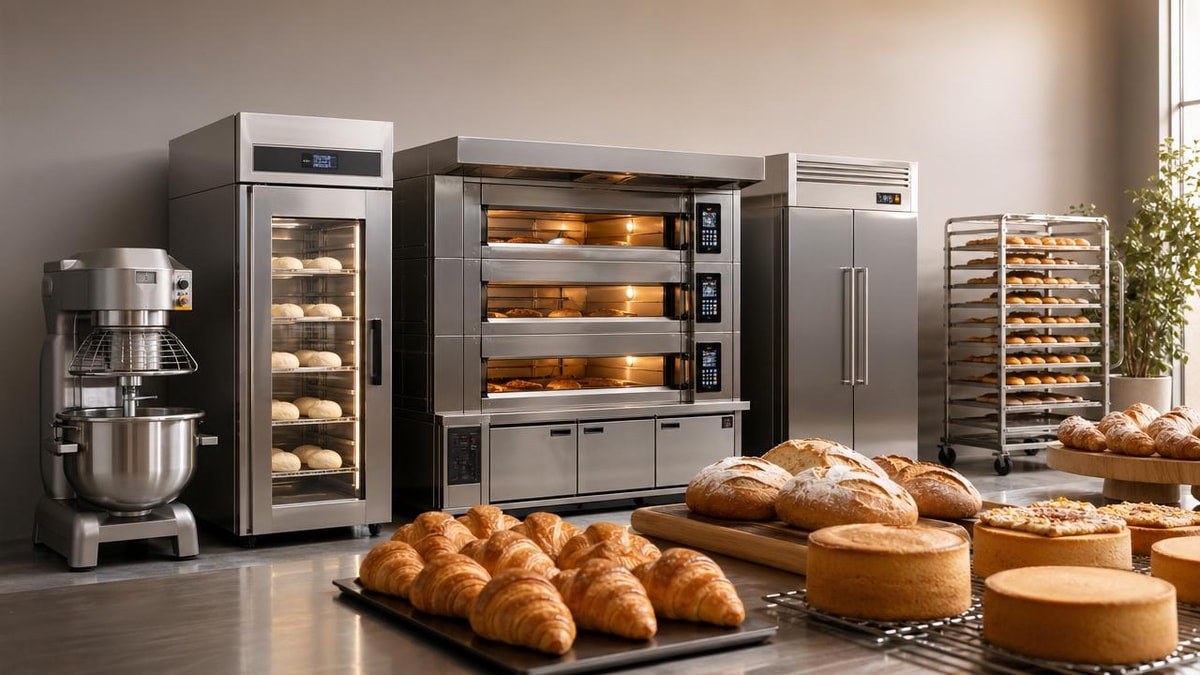
An effective commercial approach is to package products into practical buying sets. For example, a bakery startup package may include a mixer, proofing cabinet, oven, prep table, and tray rack. A quick-service restaurant package may focus on fryers, warmers, refrigerated counters, and dishwashing support. This simplifies smaller orders while increasing average order quality and cross-sell potential.
A practical roadmap for staying competitive in the kitchen trade
Distributors, agents, and wholesalers do not need to overhaul everything at once. A phased plan over 90 days can already improve speed, control, and conversion. The first 30 days should focus on SKU segmentation and supplier response mapping. The next 30 days should refine quotation templates, spare parts lists, and lead-time communication. The final 30 days should review stock policy, reorder points, and after-sales workflows.
Recommended 5-step execution model
- Identify the top 20% of SKUs that generate the fastest repeat demand.
- Set category-based lead-time targets such as 7 days, 15 days, and 30 days.
- Prepare standard technical files, packing data, and quotation formats.
- Align suppliers on MOQ flexibility, spare parts support, and delivery milestones.
- Track order accuracy, delivery adherence, and repeat inquiry conversion monthly.
Where growth opportunities are likely to appear
The strongest opportunities are often found in product lines that combine operational savings with flexible deployment. Energy-efficient kitchen equipment, modular cooking systems, intelligent holding solutions, and compact food processing machines fit well with smaller but faster order behavior. These categories allow end users to upgrade in stages rather than through one heavy capital purchase.
Emerging markets also continue to create space for channel development. As foodservice networks expand, demand often starts with practical, durable, mid-range equipment before moving toward automation and digital control. That gives the kitchen trade a chance to build long-term customer relationships through phased product development and localized service support.
The kitchen trade is becoming more dynamic, more fragmented, and more service-driven. Smaller but faster orders are not a temporary inconvenience; they reflect a broader shift toward flexibility, energy efficiency, and smarter procurement across commercial and industrial kitchen markets. Distributors that adapt inventory models, tighten supplier coordination, and improve technical responsiveness will be better prepared to capture repeat demand and reduce operational risk.
If your business is looking to improve sourcing speed, optimize category planning, or build a more agile kitchen equipment supply strategy, now is the right time to act. Contact us to discuss product details, request a tailored solution, or explore more kitchen trade opportunities for your market.
Popular Tags
Kitchen Industry Research Team
Dedicated to analyzing emerging trends and technological shifts in the global hospitality and foodservice infrastructure sector.
Industry Insights
Join 15,000+ industry professionals. Get the latest market trends and tech news delivered weekly.
No spam. Unsubscribe anytime.
Contact With us
Contact:
Anne Yin (Ceramics Dinnerware/Glassware)
Lucky Zhai(Flatware)