
Restaurant Kitchen Checklist Mistakes That Delay Openings
A restaurant kitchen checklist can make the difference between a smooth launch and costly opening delays. For project managers and engineering leads, overlooking equipment planning, utility coordination, compliance details, or installation sequencing often creates setbacks that ripple across the entire schedule. This article highlights the most common checklist mistakes and how to avoid them to keep your restaurant kitchen project efficient, compliant, and ready for operation.
Why does a restaurant kitchen checklist have such a big impact on opening timelines?
A restaurant kitchen checklist is not just a purchasing list. For project managers, it is a coordination tool that connects design, procurement, MEP work, compliance, installation, testing, staff handover, and final readiness. When the checklist is incomplete or created too late, small omissions quickly turn into critical path issues. A missing grease interceptor detail may delay plumbing work. An unverified power load may force electrical redesign. A late hood approval may stop equipment startup and inspections.
In restaurant projects, kitchens are dense technical environments. Multiple systems must fit and function together: cooking equipment, refrigeration, exhaust, make-up air, drainage, fire suppression, gas piping, water supply, floor finishes, lighting, and workflow spacing. Because these systems are interdependent, one checklist error often affects several trades at once. That is why a strong restaurant kitchen checklist should be treated as a live project control document rather than a static appendix.
The most successful teams build the checklist early, update it through design development, and review it again before procurement, delivery, installation, and commissioning. This approach reduces rework, protects budget, and improves opening certainty.
What are the most common restaurant kitchen checklist mistakes that delay openings?
Most opening delays do not come from one dramatic failure. They usually come from a series of preventable checklist gaps. Below is a practical summary for engineering leads and project teams.
A reliable restaurant kitchen checklist should identify not only what is being supplied, but also how each item affects the schedule, which trade owns the connection, what approvals are needed, and when the item must arrive on site.
Which checklist gaps create the biggest coordination problems between equipment and utilities?
Utility coordination is one of the biggest reasons restaurant projects fall behind. Many teams finalize equipment selection after MEP rough-in has already started. At that point, even one change in oven capacity, dishwasher type, or refrigeration layout may force field changes. This increases cost and often causes cascading delays.
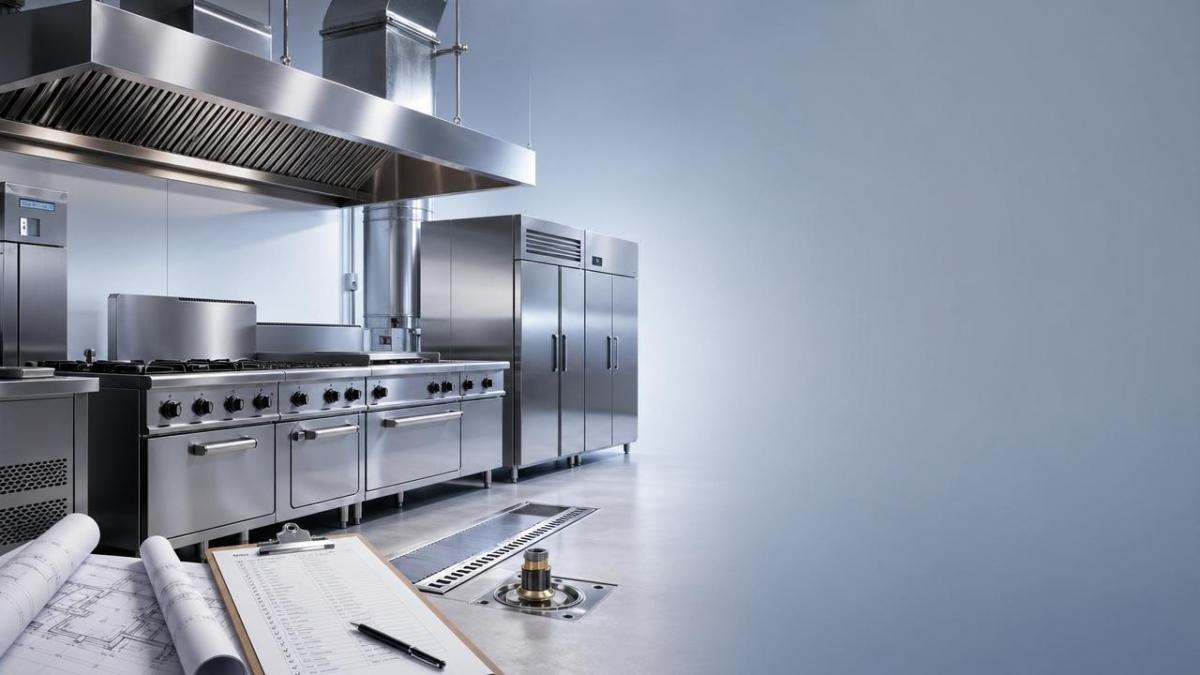
A complete restaurant kitchen checklist should include technical data for every major item, especially:
- Electrical requirements: voltage, phase, amperage, plug type, hardwire needs
- Gas requirements: BTU load, connection size, shutoff location
- Water requirements: hot or cold feed, pressure range, filtration needs
- Drainage: indirect waste, floor sink positions, grease management
- Ventilation: hood type, exhaust volume, make-up air, heat rejection
- Structural and spatial data: weight, caster or leg type, access clearances
Another frequent error is assuming “similar equipment” will have similar service demands. In reality, two combi ovens of similar size can have very different electrical loads, drain details, and ventilation expectations. Smart kitchen systems and energy-efficient equipment can improve performance, but they also require closer review of controls, data connections, and startup procedures.
How do procurement and delivery mistakes show up on a restaurant kitchen checklist?
Procurement mistakes often begin with an incomplete approval process. Teams may issue purchase orders before confirming final dimensions, utility drawings, finish schedules, or local compliance marks. That creates risk when imported kitchen equipment arrives with incompatible specifications or missing certification documents.
For global kitchen equipment supply chains, lead times are not only about manufacturing. Shipping windows, port congestion, customs review, inland transport, and final delivery access all matter. A strong restaurant kitchen checklist should track these procurement questions:
- Has the item been technically approved by design, operations, and engineering?
- Are certification, sanitation, and fire-related documents complete?
- What is the factory lead time and what date is required on site?
- Is there enough storage or should delivery be phased?
- Can equipment physically enter the site through doors, lifts, or corridors?
This last point is often underestimated. Large refrigeration units, exhaust hoods, and prefabricated assemblies can arrive on time yet still delay the opening because site access was not checked. If the restaurant kitchen checklist does not include delivery path verification, crews may need to remove glazing, alter openings, or reschedule lifting equipment.
Why do compliance and inspection issues still get missed even when a checklist exists?
Because many checklists focus on products, not approvals. A restaurant kitchen checklist must also reflect the local regulatory path. Health department expectations, fire suppression approvals, ventilation permits, backflow protection, food-contact material standards, and accessibility rules can all affect opening dates.
One common mistake is relying only on supplier catalogs or standard layouts without validating local code interpretation. For example, the placement of hand sinks, mop sinks, floor drains, grease interceptors, and cleanable wall finishes may vary by jurisdiction. Likewise, some authorities require specific documentation for commercial kitchen equipment, including installation manuals, test certificates, and commissioning records.
Project managers should treat compliance reviews as staged checkpoints. The restaurant kitchen checklist should indicate which items need pre-approval, which need field inspection, and which require witness testing. This is especially important in projects using intelligent cooking equipment, automated systems, or integrated digital monitoring, because those solutions may introduce software setup, sensor calibration, or interlock verification requirements that are easy to overlook.
What sequencing mistakes cause the most avoidable rework during installation?
Installation sequencing problems usually come from trade overlap. If floor finishes are not protected, equipment legs may damage completed surfaces. If hoods are installed before final equipment positions are verified, centerlines can miss the cooking line. If wall cladding is delayed, fixed equipment may need to be disconnected and moved again. These issues consume time even when every item on the restaurant kitchen checklist appears to be present.
The practical solution is to convert the checklist into a sequence map. Instead of asking only “Is the fryer ordered?” ask “When must the fryer arrive, which utility rough-ins must be complete first, who signs off the final position, and when will startup happen?” This shift from inventory thinking to execution thinking is what separates a workable restaurant kitchen checklist from a weak one.
A useful installation review should confirm:
- Final room dimensions match approved drawings
- Embedded items and floor sinks are placed correctly
- Hood and duct routes are coordinated with structure and ceiling work
- Heavy equipment access is planned before finishes are closed
- Commissioning time is reserved before training and handover
How can project managers build a better restaurant kitchen checklist from the start?
Start by structuring the restaurant kitchen checklist around decision stages, not just equipment categories. A simple way is to divide it into design confirmation, procurement status, utility coordination, logistics, installation readiness, compliance, commissioning, and operations handover. This makes it easier to assign ownership and identify risks early.
It is also important to involve the right stakeholders at the right time. Operations teams understand menu flow and daily use. Consultants validate code and system design. Suppliers provide technical submittals. Contractors confirm site conditions and access constraints. If any of these voices are missing, the restaurant kitchen checklist may look complete while still containing hidden schedule risks.
For complex projects, especially those using smart kitchen technologies, automated food processing systems, or energy-efficient kitchen solutions, add specific checkpoints for controls integration, user training, software setup, spare parts, and warranty activation. These items are often left until the end, yet they directly affect readiness for opening day.
What should be on a final pre-opening restaurant kitchen checklist review?
The final review should confirm that the kitchen is not only installed, but operational. This means equipment should be connected, tested, cleaned, documented, and ready for staff use. A pre-opening restaurant kitchen checklist should verify that utilities are live, controls are working, ventilation is balanced, refrigeration is holding temperature, drainage performs correctly, and safety systems have passed inspection.
It should also confirm that handover materials are complete. These include as-built drawings, model numbers, maintenance instructions, spare parts lists, warranty certificates, and emergency contacts. From a project management perspective, missing documentation can be just as disruptive as missing hardware, because it slows acceptance and weakens post-opening support.
A final walkthrough is the right time to test real operational scenarios: line startup, dishwashing throughput, cold storage loading, cleaning procedures, and shutdown routines. This step turns the restaurant kitchen checklist into a real readiness assessment rather than a paperwork exercise.
What are the key questions to discuss before confirming the final plan?
If you need to refine the project scope, confirm equipment parameters, or avoid late-stage delays, the first conversation should focus on a few practical questions. Are all kitchen equipment models locked with full utility data? Which items are on the critical procurement path? Have local compliance requirements been checked against actual layouts and specifications? Is the installation sequence aligned with site conditions and trade progress? Who is responsible for commissioning, training, and final acceptance?
For project managers and engineering leads, the value of a restaurant kitchen checklist lies in visibility and control. When it is built as a working coordination tool, it reduces uncertainty across design, supply, construction, and startup. If you need to further confirm a specific solution, technical parameter, delivery cycle, budget range, or cooperation method, these are the questions worth clarifying first before the opening schedule is put at risk.
Popular Tags
Kitchen Industry Research Team
Dedicated to analyzing emerging trends and technological shifts in the global hospitality and foodservice infrastructure sector.
Industry Insights
Join 15,000+ industry professionals. Get the latest market trends and tech news delivered weekly.
No spam. Unsubscribe anytime.
Contact With us
Contact:
Anne Yin (Ceramics Dinnerware/Glassware)
Lucky Zhai(Flatware)