Glass water dispenser spigot problems that ruin daily use
A faulty glass water dispenser can quickly turn daily use into leaks, slow flow, and hygiene concerns. Whether you manage a busy kitchen, source products for hospitality, or compare a drink dispenser with a glass beverage server, understanding common spigot problems helps prevent waste and frustration. This guide explains what goes wrong, why it happens, and how to choose more reliable solutions.
Why do glass water dispenser spigot problems happen so often in daily use?
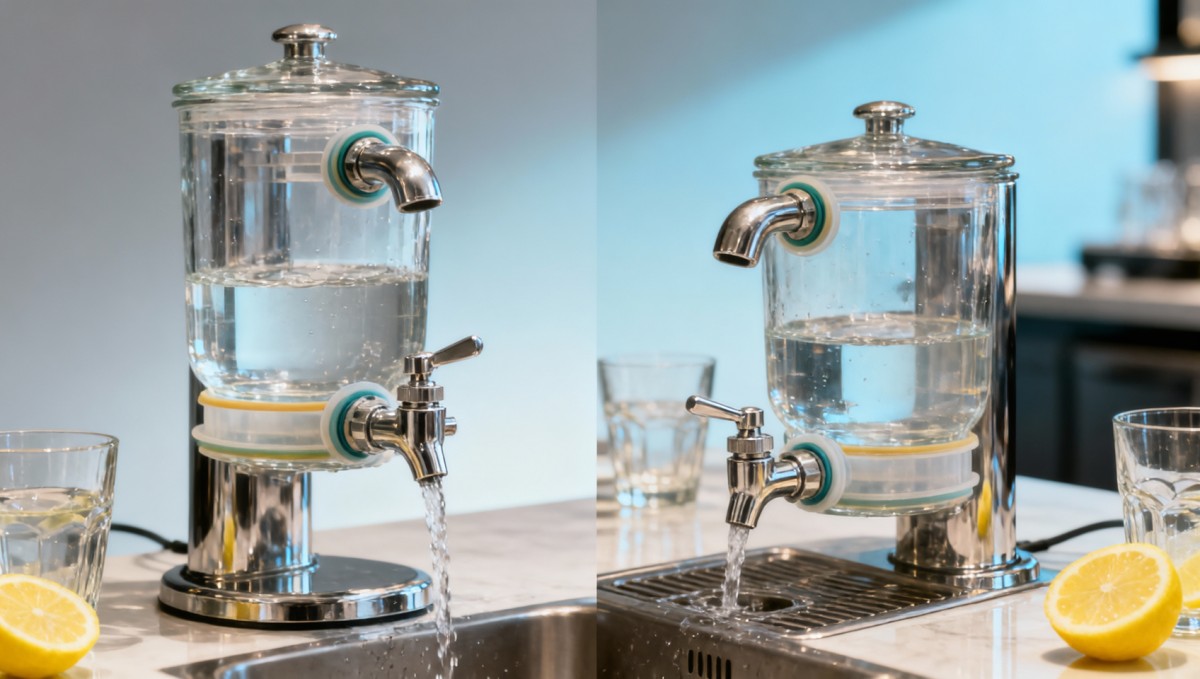
Glass water dispenser spigot problems are rarely caused by one factor alone. In kitchens, hotel breakfast stations, café self-service areas, and residential dining spaces, the spigot sits at the point of highest user contact. It handles repeated opening and closing, constant water pressure from the tank above, and frequent cleaning. Over a cycle of daily use, weak sealing parts, poor thread design, or unsuitable materials can quickly lead to leaking, dripping, and reduced flow.
For operators, the issue is not only inconvenience. A leaking drink dispenser can wet counters, create slip risks, and increase cleanup time by 10–20 minutes per shift in busy service settings. For buyers and purchasing teams, repeat spigot failures increase replacement frequency, create hidden maintenance costs, and raise concerns about food-contact safety. For decision-makers, these small failures can damage user experience and reflect poorly on equipment quality standards.
The kitchen equipment industry increasingly values durability, hygiene, and efficient operation. That matters even for a simple glass beverage server. A spigot that fails after 3–6 months of regular use may interrupt service in hospitality environments, while a well-designed unit can maintain stable dispensing performance over much longer maintenance intervals when paired with proper cleaning and installation practices.
Most common failures can be grouped into four categories: sealing failure, flow restriction, structural looseness, and hygiene-related wear. Understanding these categories helps users identify whether the problem comes from installation, design, material choice, or operating conditions such as acidic beverages, frequent refill cycles, or aggressive cleaning chemicals.
The 4 most common failure patterns
- Leakage around the spigot base, often caused by uneven washer compression, poor thread fit, or overtightening during installation.
- Slow or uneven flow, usually linked to sediment buildup, narrow internal valve channels, or poor alignment inside the dispenser wall.
- Handle looseness or breakage after repeated use, especially in low-cost plastic assemblies exposed to frequent opening cycles.
- Odor, residue, or hygiene concerns in hard-to-clean parts, which become more serious when juice, infused water, or sweet beverages remain inside for 8–12 hours.
These patterns appear across both household and commercial settings, but the consequences differ by application. In a home kitchen, a dripping dispenser is an annoyance. In foodservice, it affects sanitation routines, front-of-house presentation, and labor efficiency. That is why spigot quality should be evaluated as a functional component, not as a minor accessory.
Which spigot defects cause leaks, slow flow, and hygiene risks?
When users search for glass water dispenser spigot problems, they usually notice symptoms first: a puddle on the table, a sticky handle, or a stream that stops halfway through filling a cup. Those visible signs point to specific technical defects. In procurement and product comparison, identifying the defect behind the symptom is important because two dispensers may look similar while offering very different long-term reliability.
Leakage is commonly related to washer material, thread tolerance, and the contact surface between the spigot and the glass wall. A flat or poorly cut sealing washer may deform after only a few installation cycles. If the dispenser wall is slightly curved and the spigot was designed mainly for flat surfaces, sealing pressure becomes uneven. Even a small gap can create a slow drip every 20–40 seconds, which adds up over a day.
Slow flow often results from narrow valve passages or internal debris. This becomes more noticeable when the dispenser is used for fruit water, tea, or beverages containing pulp. Once particles enter the valve, the opening mechanism may no longer move smoothly. In high-use environments, cleaning intervals of every 1–3 days are often needed to prevent performance decline, especially during warm weather or peak service periods.
Hygiene risk is usually underestimated. Some spigots include internal cavities that are difficult to rinse thoroughly. If a unit is used continuously for 6–8 hours with sweet beverages, residue can remain inside the channel and around the seal. This does not always cause immediate failure, but it can accelerate odor retention, staining, and material degradation. In foodservice and hospitality, easy disassembly and cleaning are practical advantages, not optional extras.
Typical defect-to-symptom mapping
The table below helps connect common drink dispenser symptoms with likely root causes, user impact, and a practical response. It is useful for operators troubleshooting current equipment and for buyers comparing future options.
For procurement teams, this comparison shows why a low initial unit price can become expensive in use. If the spigot requires frequent seal changes or causes hygiene complaints, the total operating cost rises through maintenance time, replacement parts, and service disruption. A better design often reduces these risks even if the purchase price is moderately higher.
Why material selection matters
A glass beverage server may use plastic, coated metal, stainless steel, or mixed-material spigot assemblies. The right choice depends on beverage type, cleaning routine, and service frequency. Food-contact components should be evaluated for corrosion resistance, seal stability, and ease of cleaning rather than appearance alone. In many commercial settings, frequent contact cycles and sanitation requirements favor more robust assemblies over decorative ones.
For example, acidic beverages such as citrus water can accelerate wear in lower-grade metal coatings. Repeated daily use of 30–80 dispensing cycles can also expose weakness in low-density plastic handles. Buyers should therefore ask how the spigot performs not only on day one, but after repeated use, washing, and reassembly.
How should buyers compare spigot designs before purchasing?
Purchasing a glass water dispenser for hospitality, retail foodservice, office pantry use, or home distribution requires more than checking capacity and appearance. Many buyers focus on jar volume, lid design, or visual style, while the actual failure point is the spigot. A practical comparison should review compatibility, cleaning method, service frequency, and replacement convenience in addition to price.
From a B2B perspective, the best dispenser is not always the most premium-looking model. It is the one that fits the expected use cycle. A hotel breakfast station may need a spigot that tolerates repeated service across 2–3 peak periods every day. A distributor or importer may prioritize standardized spare parts, easier after-sales support, and packaging stability during international shipping. A restaurant group may care most about consistent quality across multiple locations.
The comparison below focuses on the most decision-relevant points. It can help procurement teams, sourcing managers, and resellers evaluate whether a dispenser is suitable for commercial, mixed-use, or primarily decorative household use.
This type of selection table is especially relevant in the modern kitchen equipment market, where buyers increasingly balance durability, hygiene, energy-efficient operations, and overall service workflow. Even small beverage accessories now need to match broader operational standards, especially in restaurants, hotels, and integrated kitchen systems where consistency matters across multiple products.
A 5-point procurement checklist
- Confirm whether the spigot is designed for the dispenser wall thickness and opening size to reduce leakage from poor fit.
- Ask whether food-contact parts can be removed for cleaning within a few minutes without special tools.
- Check material suitability for water, juice, tea, and mildly acidic beverages if mixed use is expected.
- Review spare part availability, especially washers, nuts, and replacement valves for 6–12 month maintenance planning.
- Request packaging and shipping details if importing, because impact damage and loose installation parts can affect final performance.
These five checks are simple, but they reduce common sourcing mistakes. They also align with how the broader kitchen equipment sector is moving: toward practical reliability, maintainability, and standardized quality control rather than purely visual product comparison.
What operating and maintenance practices reduce spigot failure?
Even a well-made glass water dispenser can develop spigot problems if installation or daily care is poor. In many cases, users overtighten the nut during setup, assuming extra force prevents leakage. In reality, too much tightening can compress the washer unevenly, stress the glass contact area, and make future leaks more likely. A controlled, even fit is usually better than excessive force.
Maintenance frequency should match beverage type and usage intensity. For plain drinking water, cleaning every 2–3 days may be adequate in many settings. For juice, tea, infused water, or sweetened beverages, the spigot channel should often be rinsed or cleaned daily, especially if the unit remains filled for more than 6–8 hours. Warmer ambient conditions also increase the need for shorter cleaning cycles.
Operators should also inspect small parts on a routine schedule. A 30-second visual check at refill time can detect early dripping, mineral buildup, or handle looseness before the issue becomes disruptive. In commercial environments, incorporating this into a shift checklist improves consistency without adding significant labor. For multi-site operations, standardizing these checks helps reduce uneven equipment performance across locations.
Because the kitchen equipment industry increasingly emphasizes food safety and efficient workflows, maintenance should be treated as part of operational design. Easy-clean construction, replaceable seals, and clearer cleaning instructions support this goal. A beverage dispenser that is simple to clean is more likely to be cleaned correctly and on time.
Daily-use maintenance steps
- After each service period, empty residual liquid rather than leaving sweet beverages inside overnight.
- Rinse the spigot channel with clean water and confirm the handle returns smoothly to the closed position.
- Inspect washer condition every 1–2 weeks in heavy-use settings, or monthly in lighter household use.
- Avoid abrasive tools that can scratch sealing surfaces or damage coated components.
- If scaling appears, use a suitable food-contact cleaning method and rinse thoroughly before refilling.
Operational mistakes to avoid
A common mistake is choosing a glass beverage server for decorative appeal without considering use frequency. Another is using one dispenser for different beverages without adjusting cleaning intervals. A third is replacing only the washer when the thread or valve body is already worn. These shortcuts may seem cost-effective, but they often lead to repeated failures and higher total maintenance effort over a 3–12 month period.
For procurement managers and business owners, training matters too. If staff understand how to install, inspect, and clean the spigot properly, product life usually improves. This is especially relevant in hospitality and foodservice, where staff turnover can make routine equipment handling inconsistent unless clear procedures are in place.
FAQ: What do buyers and operators ask before choosing a better dispenser?
Search intent around glass water dispenser spigot problems often overlaps with selection, maintenance, and replacement questions. The answers below are designed for information researchers, users, procurement teams, and decision-makers who need practical guidance rather than generic advice.
How do I know whether a leaking spigot needs replacement or just adjustment?
Start with a basic inspection. If leaking occurs immediately after installation, the issue may be washer position, uneven tightening, or mismatch with the glass wall opening. If the spigot has already been used for several months and the leak appears after repeated cleaning or high-frequency service, worn seals or thread fatigue are more likely. If adjustment does not stop dripping within one inspection cycle, replacement of the seal set or full spigot assembly is usually more practical.
Are glass beverage dispensers suitable for commercial hospitality use?
Yes, but only when the product is selected for the real service load. A decorative drink dispenser used a few times per month is different from a unit used in a hotel breakfast area or event buffet. Commercial suitability depends on cleaning access, spigot durability, spare part support, and stable packaging for transport. Buyers should match the dispenser to expected daily cycles, beverage type, and cleaning frequency rather than assuming all glass models are interchangeable.
What should procurement teams ask suppliers before ordering?
At minimum, ask about 5 points: spigot material, seal material, spare parts availability, cleaning method, and typical lead time. For international orders, also confirm packaging details, sample support, and whether replacement components can be supplied with the main shipment. In many sourcing programs, a 2–4 week lead time may be typical for standard items, while customized configurations or packaging may require longer planning.
Which standards or compliance topics matter most?
Requirements vary by market, but food-contact safety, material suitability, and practical hygiene design are the main concerns. Buyers often review whether materials are appropriate for food-contact use and whether the dispenser can support routine sanitation procedures. For commercial buyers, it is sensible to discuss target market requirements early in the sourcing process so that materials, documentation, and packaging align with the intended destination.
Why choose a supplier that understands both product detail and kitchen equipment applications?
A glass water dispenser may seem simple, but the right supplier looks beyond appearance and addresses the operating reality behind the product. In the kitchen equipment industry, that means understanding hospitality use, foodservice hygiene, import and export requirements, replacement support, and the practical difference between household display items and daily-service equipment. This broader perspective helps reduce purchasing mistakes and improves long-term performance.
If you are evaluating drink dispensers or trying to solve recurring spigot problems, a structured review saves time. You can confirm core parameters such as dispenser capacity, spigot construction, seal configuration, cleaning method, spare part planning, and packaging requirements before placing an order. This is especially helpful when comparing multiple suppliers or preparing a purchase plan for restaurants, hotels, retail channels, or distribution programs.
We can support discussions around product selection, application fit, sample arrangements, routine maintenance expectations, and typical delivery planning. If your project involves customized packaging, mixed model sourcing, or market-specific compliance questions, those topics should also be reviewed early to reduce delays during procurement and shipment.
Contact us to discuss the details that matter: spigot material options, seal design, suitable beverage scenarios, replacement part support, lead time expectations, sample requests, packaging methods, and quotation planning. A clear technical and sourcing conversation at the start is the most practical way to avoid glass water dispenser spigot problems that ruin daily use.
Popular Tags
Kitchen Industry Research Team
Dedicated to analyzing emerging trends and technological shifts in the global hospitality and foodservice infrastructure sector.
Industry Insights
Join 15,000+ industry professionals. Get the latest market trends and tech news delivered weekly.
No spam. Unsubscribe anytime.


Contact With us
Contact:
Anne Yin (Ceramics Dinnerware/Glassware)
Lucky Zhai(Flatware)