Glass beverage server sizing mistakes that affect pouring control
Choosing the wrong glass beverage server size can lead to messy pours, wasted drinks, and poor service flow. Whether you compare a glass water dispenser, drink dispenser, mason jar, or glass bottle solution, sizing directly affects control, speed, and user experience. This guide explains the most common capacity and design mistakes buyers, operators, and sourcing teams should avoid.
Why glass beverage server size affects pouring control more than most buyers expect
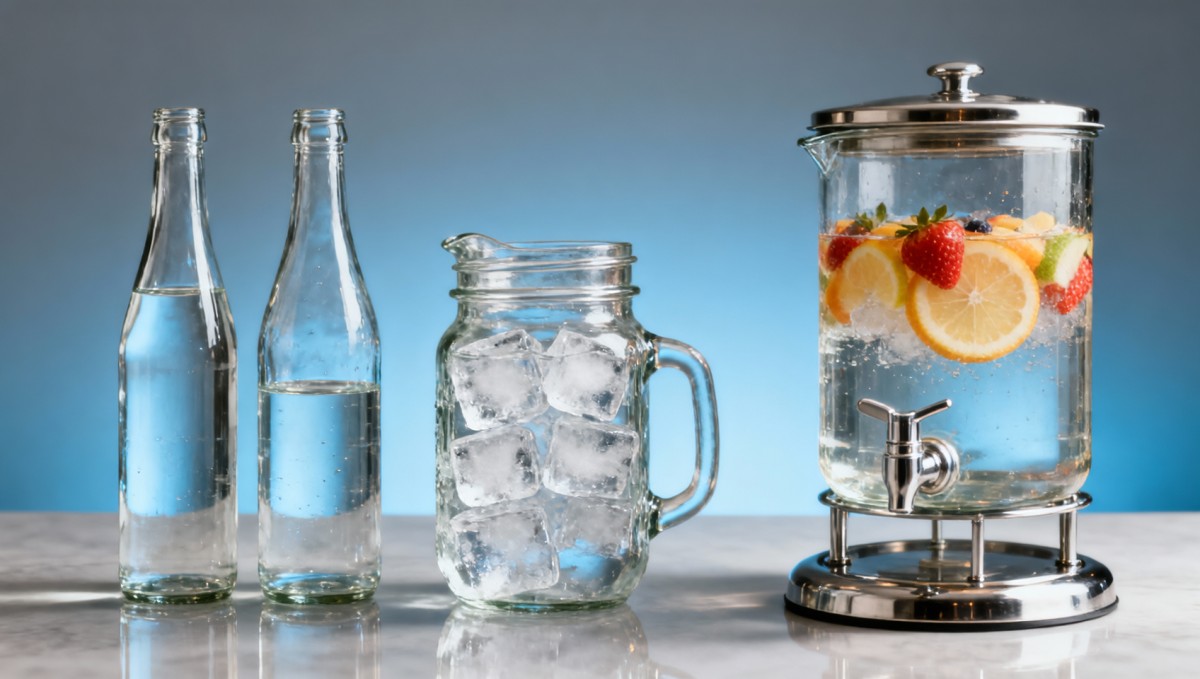
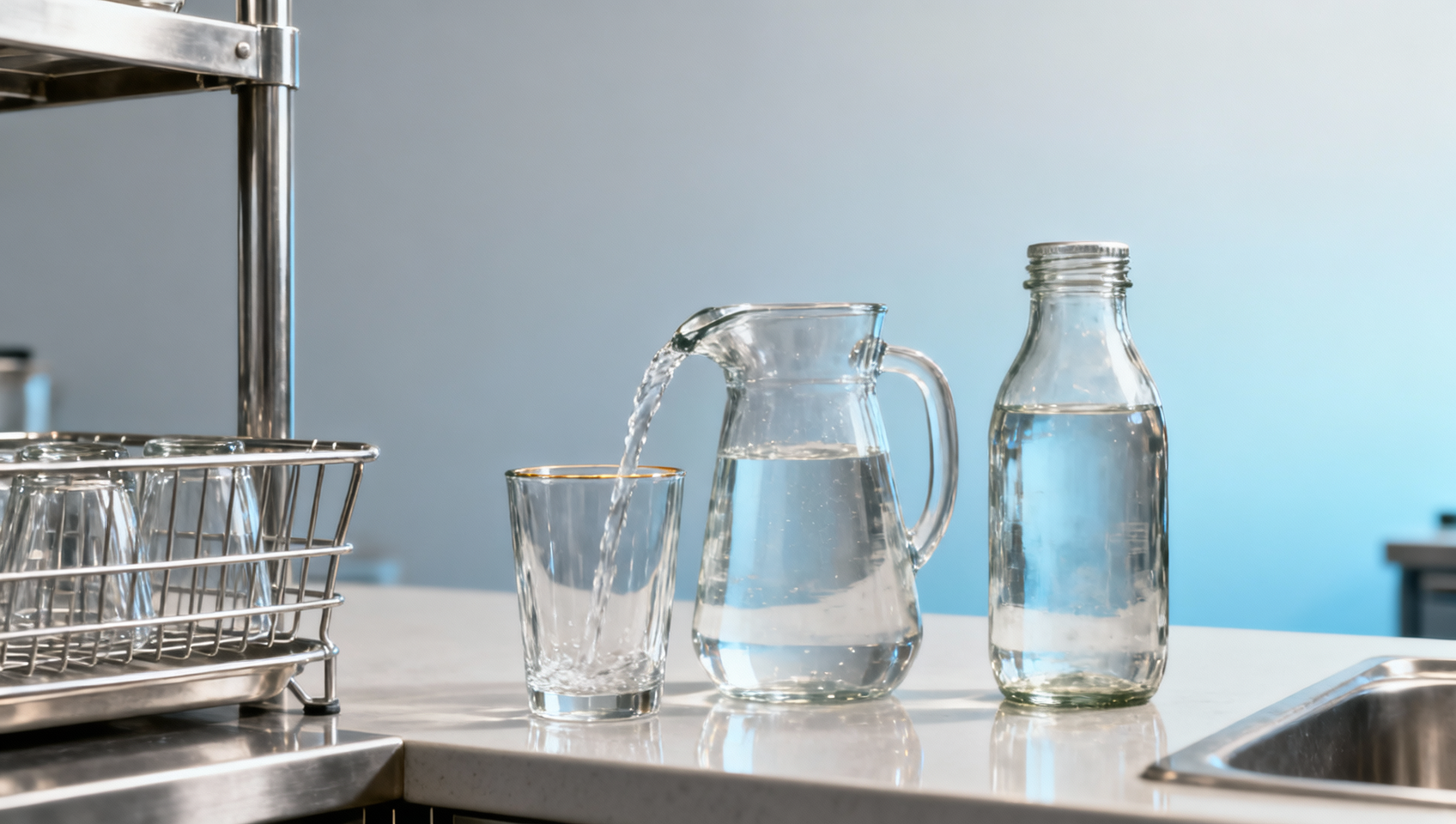
In foodservice, hospitality, and kitchen equipment sourcing, many teams focus first on appearance, glass thickness, or price. Yet the more practical issue is sizing. A glass beverage server that is too tall, too wide, or too heavy when filled often creates unstable pouring angles, inconsistent flow, and operator fatigue during repeated service cycles.
For operators, pouring control is not only about comfort. It also affects table cleanliness, beverage waste, refill speed, and customer perception. In restaurants, hotels, breakfast buffets, meeting rooms, and central kitchen support environments, even a small mismatch between hand grip, server volume, and outlet design can become a repeated service problem across 20–50 pours per shift.
For procurement teams, the mistake usually starts when nominal capacity is treated as the main selection metric. A 1.5 L, 2.0 L, or 3.0 L glass beverage server may look suitable on paper, but actual use depends on fill level, beverage viscosity, ice content, lid fit, and whether the user pours at a bar station, self-service counter, or dining table.
In the broader kitchen equipment industry, equipment is increasingly judged by efficiency, safety, and workflow compatibility. Beverage service tools are no exception. A well-sized glass server supports smoother service and lower waste, while a poorly sized one slows down staff, increases drip incidents, and causes avoidable replacement or customer complaints within the first 3–6 months of use.
What usually goes wrong in real purchasing situations
- Buyers choose capacity based on storage volume rather than pour behavior, which leads to servers that are practical for holding beverages but difficult to control during service.
- Operators are not consulted during evaluation, so grip comfort, refill frequency, and pouring angle are missed until deployment.
- Decision makers compare a glass water dispenser, mason jar pitcher, and glass bottle serving option as if they perform the same function, even though the pouring mechanics differ significantly.
A useful rule is to assess not only maximum capacity, but also controllable working capacity. In many service settings, the best pouring performance happens when the vessel is used at roughly 60%–80% of its nominal volume. Above that range, wrist load and splash risk often increase, especially with cold drinks, fruit infusions, or ice-filled service.
Which sizing mistakes cause the biggest pouring problems in daily operations?
The first common mistake is choosing excessive volume for the serving context. A large glass beverage server may reduce refill frequency, but it also becomes harder to lift, tilt, and stop cleanly. In table service, anything beyond the practical handling range for one hand can reduce control. For many manual serving tasks, 1.0–1.8 L is often easier to manage than 2.5–3.5 L.
The second mistake is ignoring height-to-base proportion. A tall and narrow beverage server may save counter space, but the center of gravity rises as the vessel fills. That increases instability when the operator starts the pour. In self-service areas or buffet lines, this can also make the unit more vulnerable to tipping if guests apply uneven force to the lid or spout area.
The third mistake is matching the wrong outlet style to the beverage type. A wide-mouth jar works differently from a narrow-neck glass bottle, and both differ from a beverage dispenser with a tap. Water, juice, iced tea, and pulp-containing drinks each behave differently. Sizing mistakes become more visible when beverages include fruit slices, ice cubes, or thicker liquid textures.
The fourth mistake is overlooking refill workflow. In commercial kitchens and hotel breakfast service, larger capacity is not always more efficient if the server is difficult to carry from prep area to service point. A slightly smaller unit that can be refilled every 20–30 minutes may still outperform a larger one that causes slower movement, hand strain, and spillage during transport.
How capacity, geometry, and dispensing method interact
When evaluating a glass beverage server, buyers should think in three linked dimensions: volume, shape, and dispensing method. Capacity defines refill frequency. Geometry affects weight balance and pouring angle. Dispensing method determines how flow starts and stops. If only one of these three is considered, the result may look acceptable in specification sheets but perform poorly during live service.
Below is a practical comparison for common beverage serving formats used across restaurants, catering setups, hospitality venues, and premium residential kitchens.
The comparison shows why size alone is not enough. A 5.0 L glass water dispenser may outperform a 1.5 L pitcher for self-service because there is no manual lifting. But for waiter-led table service, the smaller pitcher often provides much better pouring control. Matching the vessel to the service method is the key procurement decision.
Four high-risk mistakes to avoid
- Selecting maximum capacity without testing filled weight and wrist movement over a 10–15 minute service period.
- Using wide-mouth servers for precision pouring where narrow spout control is required.
- Choosing decorative glass dispensers for high-turnover operations without checking tap durability and refill speed.
- Ignoring the effect of ice, fruit, or garnish, which can reduce effective usable volume by 10%–25%.
How should buyers compare glass beverage server options by application scenario?
Different service environments create different sizing priorities. A hotel buffet wants longer holding time and easier guest access. A restaurant table wants clean, controlled pours. A food processing support kitchen may prioritize batch handling and sanitation compatibility. A residential premium kitchen may care more about aesthetics but still needs practical pouring performance for everyday use.
For this reason, procurement teams should compare by scenario, not by catalog image. The same glass beverage server may work well in a conference room and fail in a fast-moving brunch service. The key is to define serving frequency, user profile, refill interval, and beverage type before finalizing size and format.
A simple 4-step assessment often helps: identify who pours, how often pouring occurs per hour, what the beverage contains, and where refilling happens. That process is especially useful for distributors, sourcing teams, and operations managers who need to align product choice with workflow efficiency rather than visual preference.
The following table can be used as a quick selection guide for common applications in the kitchen equipment and foodservice sector.
This scenario-based view helps both procurement and operations teams avoid overbuying or under-specifying. It also supports better standardization across multi-site businesses. When several branches use the same beverage service logic, training becomes easier, replacement planning improves, and spare accessories such as lids, taps, or seals can be managed more efficiently over 6–12 month operating cycles.
Procurement questions worth asking before approval
- Will the glass beverage server be lifted manually more than 15–20 times per service period?
- Is the beverage plain water, juice, infused water, or a drink with pulp and ice that changes flow behavior?
- Does the service point need a dispenser tap, a controlled spout, or a narrow-neck bottle format?
- How often can staff realistically refill without disrupting kitchen or front-of-house workflow?
What technical details should users and sourcing teams verify before purchasing?
A good purchase decision for a glass beverage server should combine visible design review with measurable checkpoints. In the kitchen equipment industry, buyers increasingly look for equipment that improves efficiency, sanitation, and service consistency. Even for a simple serving item, technical details matter because they influence real labor time, cleaning routines, and replacement cost.
First, check working weight. Empty glass may feel manageable, but filled weight can change rapidly. For example, a nominal 2.0 L unit holding chilled beverage, ice, and fruit can become substantially harder to lift and stop cleanly than a 1.2 L alternative. In manual service, weight balance matters more than catalog capacity.
Second, evaluate spout or tap behavior. A well-designed spout should support clean start and stop flow with minimal dribble. A tap should open smoothly and provide enough clearance for cups or glasses. In self-service settings, a stand that raises the dispenser by even 8–12 cm can improve cup placement and reduce contact incidents around the outlet.
Third, review cleaning and maintenance. Beverage equipment used in commercial environments should be easy to rinse, dry, and inspect. Narrow necks may improve pour control but can complicate sanitation. Buyers should check whether the opening size supports daily cleaning and whether seals, lids, or taps can be removed without tools during routine maintenance cycles.
A practical 5-point technical checklist
- Confirm nominal capacity and expected working fill level, especially if beverages include ice, herbs, citrus, or other inserts.
- Check handle shape, grip distance, and whether the user can maintain steady control during repeated pours.
- Review spout profile or tap construction for drip control, smooth release, and easy cleaning.
- Verify base stability on wet counters, trays, buffet stands, or narrow tabletops.
- Assess compatibility with operating temperature range and standard food-contact expectations in your market.
Compliance and quality considerations
If the glass beverage server is intended for commercial sale or cross-border sourcing, buyers should also review general food-contact compliance, packaging protection, and durability expectations during transport. While exact requirements depend on destination market, it is reasonable to ask suppliers about common food-contact declarations, packaging test methods, and replacement support for fragile parts.
For importers and enterprise buyers, it is also wise to clarify sample lead time and production lead time separately. Sample confirmation may take 7–15 days depending on finish and accessories, while bulk delivery may require 3–6 weeks or longer based on order volume, seasonal demand, and export scheduling. These time ranges help procurement teams plan launches and replenishment more accurately.
FAQ: common misconceptions about glass beverage server sizing and selection
Many buyers assume that larger capacity automatically means better service efficiency. In practice, the best option depends on who pours, how often they pour, and whether the beverage is served by hand or dispensed through a tap. The questions below address frequent misunderstandings seen in hospitality, catering, and kitchen equipment sourcing.
Is a larger glass beverage server always better for busy service?
Not always. A larger server reduces refill frequency, but if it must be lifted manually, the extra filled weight can reduce accuracy and increase drips. In many table-service situations, a 750 ml–1.5 L unit offers better control than a 2.5 L or larger vessel. Large-capacity units are usually more effective in self-service settings with a tap rather than direct pouring by staff.
How do I choose between a glass water dispenser and a pitcher?
Choose by service model. A glass water dispenser suits buffets, event stations, and waiting areas where users serve themselves and where a 4.0 L–8.0 L range can reduce staff intervention. A pitcher or carafe works better when service staff need precise, fast, and clean pouring at the table. The decision is less about style and more about flow control and labor pattern.
What are the main sizing mistakes in infused drink service?
The biggest mistake is forgetting displacement. Fruit, herbs, and ice often reduce usable beverage volume by 10%–25%, which means a seemingly sufficient server empties faster than expected. Another issue is outlet blockage. If the neck, spout, or tap is too small for the drink format, flow becomes irregular and guests or staff compensate with rough handling.
How many samples should a buyer test before bulk purchase?
For commercial procurement, testing 2–3 candidate formats is usually more useful than reviewing many catalog options. Buyers should compare filled handling, drip behavior, cleaning effort, and service speed in the real operating environment. A short in-house trial over 3 service periods can reveal more than a paper specification review, especially when multiple staff members use the same product.
Why choose us for glass beverage server selection, sourcing, and project support?
We support buyers, operators, and decision makers with a more practical sourcing process for beverage service products used across restaurants, hotels, catering operations, foodservice supply chains, and premium kitchen programs. Instead of discussing only appearance or nominal volume, we help evaluate the factors that truly affect pouring control, refill efficiency, cleaning convenience, and service consistency.
Our support can cover parameter confirmation, scenario-based product selection, packaging discussion for fragile glass items, sample planning, and lead-time coordination for both trial and bulk orders. If your team is comparing a glass bottle, mason jar server, table pitcher, or large glass water dispenser, we can help narrow the option set based on actual service needs rather than guesswork.
For procurement teams with tight schedules, we can also structure the review process into clear steps: requirement confirmation, sample comparison, application matching, and quotation alignment. This is useful when decisions must balance budget, service style, expected order volume, and delivery timing across 2–4 sourcing stages.
If you are planning a beverage service upgrade or evaluating new glass beverage server options, contact us to discuss capacity selection, pouring control concerns, application scenarios, sample support, delivery cycle expectations, food-contact requirements, and custom packaging or accessory needs. A focused discussion at the start can prevent expensive sizing mistakes later in the project.
Popular Tags
Kitchen Industry Research Team
Dedicated to analyzing emerging trends and technological shifts in the global hospitality and foodservice infrastructure sector.
Industry Insights
Join 15,000+ industry professionals. Get the latest market trends and tech news delivered weekly.
No spam. Unsubscribe anytime.

Contact With us
Contact:
Anne Yin (Ceramics Dinnerware/Glassware)
Lucky Zhai(Flatware)